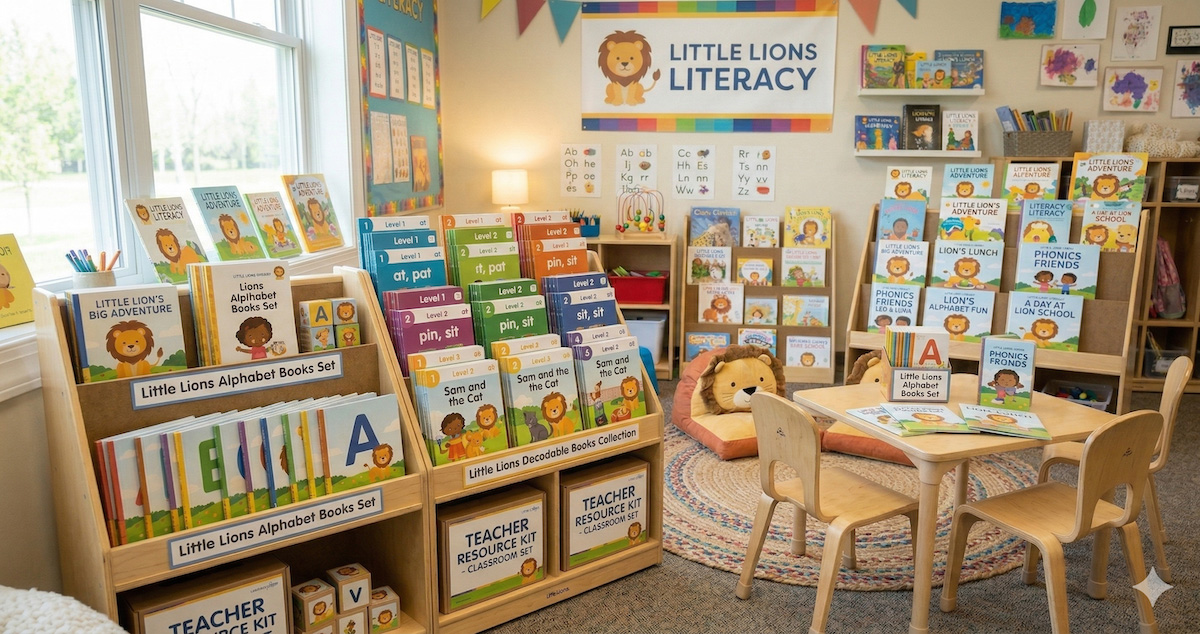
Getting families genuinely involved in their child’s education can feel like a constant challenge. You know how critical a strong home-school partnership is for literacy, but how do you create it? A Family Literacy Night is the perfect answer. It transforms the school into a welcoming hub where learning feels like an adventure, not a chore. By inviting families in for hands-on activities, you show them that reading is a source of connection and fun. If you’re looking for creative ways to engage your community, you’ve come to the right place. Here are our favorite family literacy night ideas to help you host an unforgettable event.
A Family Literacy Night is one of the best ways to build a strong bridge between your classroom and your students’ homes. It’s so much more than a typical open house; it’s a chance to create a shared, joyful experience around reading that strengthens your entire school community. These events transform the school into a welcoming hub where families and teachers can connect on common ground. When you invite families in for fun, hands-on activities, you’re not just showing them what their kids are learning—you’re building a genuine partnership for learning. This teamwork shows families you value the role they play and makes a huge difference in a child’s confidence.
Most parents are eager to support their child’s reading at home, but they often aren’t sure where to start. A literacy night is the perfect opportunity to equip them with simple, effective strategies they can use right away. You can demonstrate a fun phonics game, model how to read a decodable book together, or share tips for asking questions about a story. This empowers parents to become active participants in their child’s education, turning everyday moments into valuable learning opportunities.
Ultimately, the best learning happens when kids are having fun. A Family Literacy Night swaps out the pressure of homework for the excitement of discovery. Through themed stations, crafts, and games, you create positive memories associated with books and reading. It’s a chance for families to laugh and learn together, reinforcing that literacy is an adventure, not a chore. These fun, hands-on activities can inspire a lifelong love of reading that extends far beyond the classroom walls.
Choosing a theme is one of the most exciting parts of planning a family literacy night. A great theme ties everything together, from the invitations and decorations to the activities and snacks. It transforms a school event into a memorable adventure that gets kids genuinely excited about reading. When children see their school gym turned into a cozy campground or a bustling book café, it shows them that stories are not just for the classroom—they’re a source of magic, connection, and fun.
The best themes are often the simplest. You don’t need a Hollywood budget to create an immersive experience. With a little creativity, you can spark imaginations and make every family feel welcome. Think about what gets your students excited. Superheroes? Outer space? Animals? You can even poll the kids for ideas to build anticipation. The goal is to create a warm, engaging atmosphere where families can relax and share a love of reading. Below are a few of our favorite themes that are always a huge hit with students and parents alike.
There’s something magical about a bedtime story. This theme recreates that cozy, end-of-the-day feeling. Invite families to come dressed in their comfiest pajamas and bring along their favorite stuffed animals and blankets. You can set up quiet reading nooks with pillows and soft lighting where parents and children can read together. Host storytelling sessions where teachers or guest readers share calming tales. This theme is simple to organize and beautifully reinforces the importance of a nightly reading routine, helping families connect reading with comfort, warmth, and love.
Bring the world of books to life by inviting everyone—students, parents, and teachers—to dress up as their favorite storybook characters. A character parade is a perfect way to kick off the evening and provides a fantastic photo opportunity. The main event can be a school-wide book swap. Ask families to bring a gently used book from home to trade for a new-to-them story. This is a wonderful, no-cost way for kids to discover different authors and genres. It also fosters a great sense of community as children share their beloved books with their peers.
Turn your library or gym into a wilderness wonderland with a camping theme. Set up a few tents, lay out some sleeping bags, and create a safe, artificial campfire using twinkle lights and craft paper. Families can gather around the “fire” to hear adventure stories or read mystery books with flashlights. You can even serve classic camping snacks like s’mores trail mix. This theme is perfect for capturing kids’ imaginations and showing them that reading can be an exciting expedition. It’s an especially great choice for getting reluctant readers engaged in a fun, low-pressure setting.
Show students that reading is a superpower by inviting real-life heroes from your community to be guest readers. Reach out to local firefighters, police officers, doctors, librarians, or even coaches and ask them to come read a story to the children. Kids’ faces light up when they see people they admire sharing a love for books. This theme is a powerful way to build community partnerships and provide positive role models. You can even ask your guests to read books related to their professions to connect stories to the world around them.
Take families on a global adventure without ever leaving the school. Set up a “book tasting” by arranging the library to look like a café. Place books from different countries and cultures on tables, and invite kids to “sample” them. You can create little passports for students to get stamped as they “visit” each continent by reading a book from that region. This theme is a fantastic way to introduce children to diverse perspectives and stories, broadening their understanding of the world and celebrating the rich tapestry of global literature.
Celebrate the unique cultures within your own school community. This theme creates a welcoming space where every family’s heritage is honored. Feature books that reflect the diverse backgrounds of your students and invite parents or community members to read stories in their native languages. A great interactive element is a “make-and-take” craft station where families can work together on a project related to a cultural story or tradition. This theme fosters a deep sense of belonging and shows every child that their story matters.
Connect literacy to science, technology, engineering, and math with a hands-on STEM theme. Pair a classic story with a fun building challenge. For example, after reading The Three Little Pigs, you could challenge families to build a house out of toothpicks and marshmallows that can withstand the “big bad wolf” (a hairdryer). Or, read a book about constellations and then have kids create their own with black paper and star stickers. This theme is perfect for kinesthetic learners and demonstrates how reading and science are interconnected paths to discovery.
The magic of a Family Literacy Night happens when everyone gets involved. Moving beyond just reading aloud, interactive stations invite families to play, create, and learn together. The goal is to show kids (and parents!) that literacy is more than just words on a page—it’s a gateway to imagination, connection, and fun. When you plan activities that get families talking and working as a team, you’re not just building reading skills; you’re building positive memories around books.
These activity ideas are designed to be engaging for a wide range of ages and can be adapted to fit your event’s theme and budget. Pick a few of your favorites or try to set up a station for each one!
Create cozy nooks around the room where families can curl up with a good book. Think blankets, pillows, and maybe even some battery-powered candles to set a relaxing mood. You can organize these stations by genre, author, or reading level. After some quiet reading time, bring families together for a story circle. This is a wonderful opportunity for children to practice their public speaking skills in a low-pressure setting by sharing their favorite part of a story or what they think might happen next. It’s a simple way to build a community of readers and show kids that their thoughts about books matter.
A craft station is a must-have for any family event. It gives kids a hands-on, creative outlet that connects directly to the stories they’re reading. Set up tables with supplies for families to make their own bookmarks, design puppets of their favorite characters, or even build a small diorama of a scene from a book. These activities help reinforce story comprehension in a tangible way. As families create together, they’ll naturally talk about the characters and plot, deepening their connection to the story. Plus, everyone gets to take home a fun souvenir that reminds them of the evening.
Since a strong phonics foundation is crucial for reading success, why not make practicing it a game? Set up a station with fun, hands-on phonics activities. You could have a word-building area with magnetic letters or letter tiles where families can work together to spell words from a story. Or, try a sound scavenger hunt where kids find objects around the room that start with a specific letter sound. Games like these show families that phonics practice doesn’t have to be a chore. It can be an interactive and playful part of the reading journey, reinforcing the skills children learn from their decodable books.
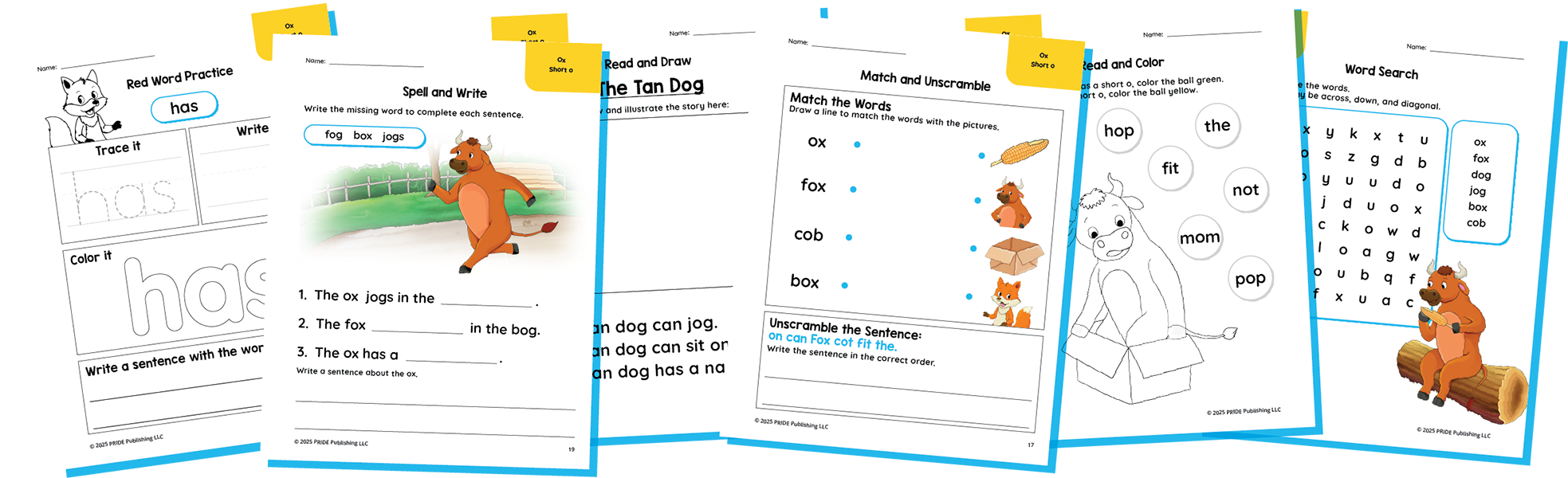
For hands-on phonics stations, try these decodable book activities.
Turn your library or classroom into a charming café for a “book tasting.” Arrange tables with tablecloths, and place a variety of books from different genres at each one. Give families a “menu” to guide their tasting, encouraging them to sample a few pages from each book. This is a fantastic way to introduce children to new authors and genres they might not choose on their own. The goal isn’t to read an entire book but to explore and discover new literary flavors in a fun, relaxed atmosphere. It’s an experience that makes finding a new favorite book feel like a special occasion.
Reader’s Theater is a wonderful activity for building reading fluency and confidence. Families work in small groups to read short, simple scripts aloud. There’s no need for costumes, props, or memorized lines—the focus is on reading with expression and bringing the story to life through voice. It’s a team effort that encourages cooperation and makes reading a dynamic, shared experience. You can find many free scripts for young readers online, often based on popular picture books that kids already know and love. It’s a perfect way to get even the most reluctant readers excited to participate.
A DIY bookmark station is always a huge hit and is one of the easiest activities to set up. Provide plenty of cardstock, markers, crayons, stickers, and yarn for tassels, and let families get creative. This simple craft gives everyone a personalized, practical item they can use right away. Every time a child opens their book and sees the bookmark they made with their family, they’ll be reminded of the fun they had at your literacy night. It’s a small touch that helps bridge the gap between the event and at-home reading habits.
To encourage families to visit every station, give them a “reading passport” when they arrive. At each activity, they can collect a stamp or a sticker. This simple bit of gamification adds a layer of excitement and gives families a clear path to follow throughout the event. Once their passport is full, they can turn it in for a small prize, like a brand-new book to take home. This not only ensures they get the full experience of the night but also ends the evening on a high note, reinforcing the idea that reading is a rewarding adventure.
You’ve planned the perfect theme and gathered the most engaging activities, but a family literacy night is only successful if families actually show up. Getting the word out and making the event irresistible is just as important as the event itself. The goal is to create a buzz and remove any barriers that might keep parents from walking through the school doors on a weeknight. A strong turnout doesn’t just make for a more energetic event; it strengthens the home-school connection and shows students that their entire community is invested in their reading journey.
Think of your promotional strategy as building a bridge between the classroom and the living room. It’s about communicating that this isn’t just another school function—it’s a fun, valuable experience for the whole family. By using creative invitations, offering simple incentives, and involving the wider community, you can generate genuine excitement. Making the event accessible and promoting it across multiple channels ensures your message reaches everyone. These steps will help you pack the house and create a memorable night that supports young readers and their biggest cheerleaders: their families.
Your invitation is the first impression families will have of your literacy night, so make it count! Instead of a standard flyer that can get lost in a backpack, create something that sparks curiosity. Have students decorate the invitations themselves or design a fun, themed invite—like a “passport to adventure” for a travel-themed night. Clearly state the benefits for parents, explaining that the event will offer simple, fun ways they can support their child’s reading at home. Remember to include all the essential details: date, time, location, and a clear RSVP request to help you plan. Send the invitations home in multiple ways—a paper copy, an email, and a post on your school’s communication app—to make sure everyone sees it.
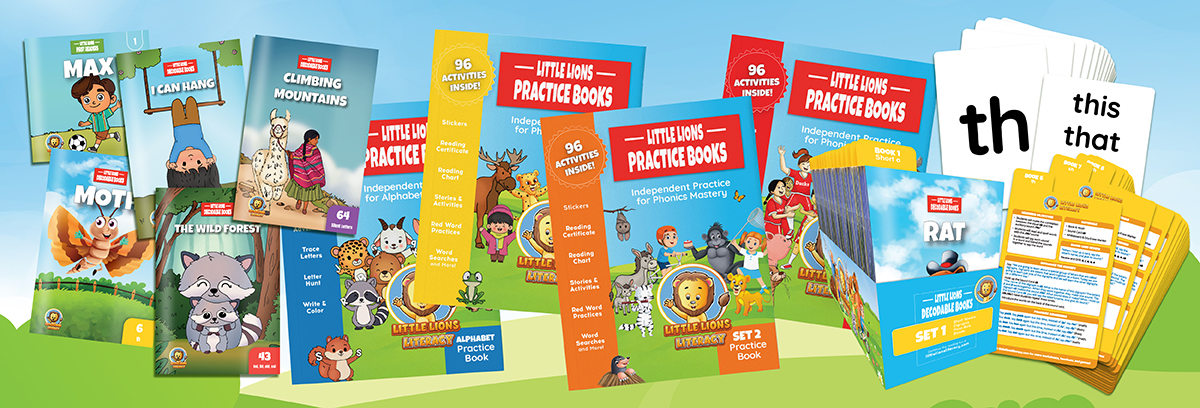
A little incentive can go a long way in encouraging families to attend. You don’t need a big budget to offer perks that families will appreciate. Simple things like free pizza or popcorn can solve the “what’s for dinner?” dilemma and make it easier for busy parents to say yes. You can also hold a raffle for a basket of books or a set of our Little Lions Decodable Books. Another great idea is to give every child who attends a free book to take home. These small gestures show families you value their time and make the event feel like a special treat, ensuring everyone leaves with something positive.

Transform your literacy night into a true community celebration by inviting special guests. Children love seeing familiar faces in new roles, so ask local heroes to be guest readers. Firefighters, police officers, librarians, or even the high school’s star athlete can read a story aloud and share why they love reading. This not only adds a layer of excitement but also reinforces the message that reading is important to everyone. Partnering with your local public library can also be a huge help—they might be able to provide books, resources, or even a librarian to lead a story time session. These partnerships make the event more dynamic and strengthen your school’s community ties.
To ensure a great turnout, consider the potential hurdles that might prevent families from attending. Schedule the event at a time that accommodates working parents, typically in the early evening. Providing a simple meal or snacks means families don’t have to rush home for dinner first. Think about your school community’s needs—if you have many families who speak another language, could you have a bilingual volunteer or translated materials available? The goal is to create a welcoming and stress-free atmosphere where every family feels comfortable and included. When families feel seen and supported, they are much more likely to participate and build a stronger connection with the school.
Don’t rely on a single method to get the word out. A multi-channel promotion strategy ensures your message reaches every family. Use all the tools at your disposal: send emails, post on the school’s social media pages, include a feature in the weekly newsletter, and use classroom communication apps. A physical sign at the school’s drop-off and pick-up line is also a great daily reminder. You can also piggyback on other school events. For example, announce the literacy night and hand out flyers during parent-teacher conferences or at a book fair. A steady drumbeat of reminders in the weeks leading up to the event will build anticipation and keep it top-of-mind for busy parents.
A little planning turns a good idea into an unforgettable event. Breaking the process into manageable steps helps you stay organized and ensures your Family Literacy Night is a success. This roadmap will guide you in creating a fun, engaging, and meaningful experience for every family. From setting clear goals to gathering feedback, each step builds on the last to create a seamless and impactful evening that celebrates reading together.
First, decide what you want families to take away from the event. Are you focusing on phonics skills, introducing new authors, or simply celebrating the joy of reading? Set clear learning goals, then work backward to create a timeline. Mapping out key dates for invitations, supplies, and volunteers is a core part of a successful event plan. This clarity will be your best friend as you bring all the moving parts together for a smooth and successful night.
With your plan in hand, it’s time to gather your resources. Make a detailed list of all the materials you’ll need for each station, from craft supplies to books. This is also the perfect time to rally your support system. Reach out to teachers, staff, and parent organizations to recruit volunteers. Don’t forget about older students—they make fantastic helpers for running activities and can serve as great role models for younger readers.
The goal is to make families feel comfortable, valued, and excited to participate. A warm and inviting environment is key. Greet every family with a smile, have clear signage, and consider playing some soft, upbeat music. You’re not just hosting an event; you’re building a community around literacy. Your enthusiasm is contagious and sets the tone for a positive, engaging school event where parents feel empowered to support their child’s learning journey.
One of the most powerful parts of a Family Literacy Night is making sure every child leaves with a book of their own. This simple gesture extends the excitement of the evening and encourages families to continue reading at home. A take-home book serves as a tangible reminder of the fun they had. You can seek donations from local businesses or partner with organizations like First Book to source high-quality, age-appropriate books for your students.
The conversation doesn’t end when the event is over. A few days later, send a follow-up message to thank families for attending and ask for their thoughts. A simple survey can provide valuable insights into what went well and what could be improved for next time. Encouraging this two-way communication strengthens the home-school connection and shows families that their opinions matter. This feedback is essential for making future events even more successful.
How far in advance should we start planning a Family Literacy Night? Giving yourself about six to eight weeks is a great timeframe. This gives you plenty of time to choose a theme, recruit volunteers, and send out invitations without feeling rushed. You can spend the first couple of weeks setting your goals and reaching out to community partners, then focus on planning activities and gathering supplies. The last few weeks should be all about promoting the event to build excitement with families.
What are some ideas for a great event if our school has a very small budget? You can host a fantastic literacy night without spending much at all. A theme like “Storybook Character Adventures” encourages families to use costumes they already have, and a school-wide book swap is a wonderful, no-cost main event. For activities, focus on DIY stations using basic craft supplies from the school’s art closet, like a bookmark-making table. You can also lean on your community by asking a local librarian or firefighter to be a guest reader, which adds a special touch for free.
How can I make sure the activities are engaging for different age groups, like preschoolers and second graders? The key is to choose open-ended activities that families can adapt. For example, at a craft station, a four-year-old can enjoy making a puppet, while a seven-year-old can write a short script for it. For phonics games, you can have different sets of letter tiles or word lists for various skill levels. Setting up separate “zones,” like a quiet reading corner with board books for little ones and a reader’s theater area for older kids, also helps ensure everyone finds something they enjoy.
What’s the single most important thing to focus on for a successful night? If you focus on just one thing, make it the atmosphere. The goal is to create a warm, welcoming, and fun environment where families feel comfortable connecting over books. Your enthusiasm is contagious! When families see that the event is about joy and togetherness, not pressure or performance, they’ll relax and have a great time. A positive experience is what builds lasting memories and encourages a love of reading at home.
How can we make sure parents feel comfortable, especially if they aren’t confident readers themselves? This is such an important point. Frame all the activities around teamwork and fun, not skill. Use phrases like “create together” or “play this game as a family.” Reader’s Theater is great for this because it’s a group effort, and no one is put on the spot. When you greet families, make it clear that this is a night for making fun memories. A relaxed, judgment-free setting shows every parent that their presence and participation are what truly matter.