If the idea of spelling lists and flashcard drills makes you want to hide, you’re in the right place. Learning to spell should be an adventure, not a chore. For young children, the most effective learning happens through play. When kids are moving, creating, and laughing, they are building powerful neural connections without even realizing it. This guide is all about turning spelling into a game. We’ve gathered our favorite hands-on encoding practice activities that use everything from playdough to sidewalk chalk to make learning stick. These ideas will help your child master letter-sound connections and build a strong foundation for writing, all while having fun.
When we talk about learning to read, the word “decoding”—or sounding out words—often comes to mind. But what about its equally important partner, encoding? Simply put, encoding is the process of spelling. It’s how your child takes the sounds they hear in a word and translates them into written letters. Think of it as the action of writing down thoughts and words, a fundamental skill for clear communication.
According to the U F Literacy Institute, these encoding activities help children use their knowledge of letter sounds to spell correctly. When a child learns to encode, they aren’t just memorizing how to spell “cat.” They’re learning that the /k/ sound is represented by the letter C, the /a/ sound by the letter A, and the /t/ sound by the letter T. This process empowers them to spell thousands of words they’ve never even seen before. Mastering encoding builds a strong foundation for writing, giving kids the confidence to put their ideas on paper and become effective communicators. It’s a skill that directly supports their journey from sounding out letters to writing full sentences and stories.
Encoding (spelling) and decoding (reading) are two sides of the same coin. They are deeply connected and rely on the exact same set of phonics skills. When a child learns to read a word by sounding it out, they are using the same letter-sound knowledge needed to write that word. This is why practicing both skills together is so effective for building overall literacy.
As experts at Zaner-Bloser explain, reading and spelling skills go hand-in-hand. Strengthening one naturally strengthens the other. When your child practices spelling words (encoding), they are reinforcing the neural pathways that help them recognize those words when they see them in a book (decoding). This reciprocal relationship makes their learning more efficient and helps solidify their understanding of how words work.
A solid phonics foundation is the bedrock of successful encoding. For a child to spell a word, they first need to hear the individual sounds within it (phonemes) and then connect those sounds to the correct letters (graphemes). This is where multi-sensory learning can make a huge difference. Spelling isn’t just a mental exercise; it involves seeing the word, saying its sounds, hearing them clearly, and physically writing the letters. Engaging multiple senses helps anchor these connections in a child’s brain.
Activities that focus on “word work” are also essential. This includes exercises like blending letter sounds together to form words or swapping sounds to create new words (like changing “cat” to “bat”). These practices help children become more flexible and confident in their ability to handle letters and sounds, which is crucial for both spelling and reading fluently.
Wondering if your child’s encoding skills are on track? You don’t need to be a reading specialist to find out. Assessing their progress can be a simple, stress-free part of your routine. It’s all about observing and engaging with them in quick, playful ways. Think of it as a check-in to see which letter sounds they know well and which ones might need more practice. By paying attention to how they spell and write, you can get a clear picture of their growing phonics knowledge and figure out how to best support them.
One of the best ways to check your child’s encoding ability is to see if they can apply phonics to new words. Ask them to spell a few nonsense words, like “fep” or “mig.” Because these aren’t words they could have memorized, spelling them correctly shows they truly understand how to connect sounds to letters. You can make it a fun game by saying, “Let’s invent some silly alien words! How do you think an alien would spell ‘zot’?” This approach measures their skills and helps you pinpoint which sound-letter relationships need review. These informal phonics assessments are perfect for a quick, insightful check-in.
Your child’s everyday writing offers a fantastic window into their encoding development. When you look at their work, pay attention to how they attempt to spell words. Do you see phonetic spelling, where they write words based on how they sound (like “hav” for “have”)? This is a great sign! It shows they are actively listening for sounds and trying to represent them with letters. As their skills grow, these phonetic spellings will become more conventional. Celebrate their efforts and focus on their growing understanding of sound-spelling patterns, a key part of their journey to becoming a confident speller.
Consistency is more important than intensity. You can get a great sense of your child’s progress through quick, daily activities that feel more like play than practice. For example, while cooking, ask them to spell an ingredient. Or, before bed, have them write a sentence about their day. These small moments are perfect for reinforcing skills and seeing what sticks. Regularly assessing their retention of phonics skills helps you track their development. It also allows you to quickly identify any sounds or rules they’re struggling with, so you can offer support right when they need it.
For our youngest learners, encoding practice should feel like pure play. At this age, the goal is to build a joyful connection between sounds and the letters that represent them. Forget flashcards and drills. Instead, think about hands-on, movement-based, and silly games that help these foundational skills click. We’re focusing on the very first steps of writing: hearing a sound and knowing which letter to write down. By keeping activities short, fun, and pressure-free, you can help your child build the confidence they need to start spelling their very first words. These games are perfect for weaving into your daily routine, whether you have five minutes before dinner or a whole afternoon to play.
Before kids can write words, they need to confidently connect individual sounds to their corresponding letters. This is the bedrock of encoding. The key is to make this matching game a multi-sensory experience. You can play a simple game of “I Spy,” but instead of colors, use sounds: “I spy with my little eye something that starts with the /m/ sound.” Another great activity is a sound scavenger hunt. Give your child a letter (like ‘B’) and have them run around the house finding objects that start with that sound (book, ball, banana). You can also use magnetic letters on the fridge, calling out a sound and having them grab the right letter. Many fun digital literacy activities can also help reinforce these connections in an interactive way.
Once your child is getting the hang of letter-sound correspondence, you can move on to building simple words. Start with CVC words (consonant-vowel-consonant), like cat, sun, and pig. Magnetic letters, letter tiles, or even alphabet blocks are perfect for this. Say a word slowly, stretching out the sounds, like “/c/ /a/ /t/.” Then, encourage your child to find the letters that make those sounds and line them up. You can also write a word on a small whiteboard with one letter missing (c_t) and ask them to fill in the blank. Celebrate every single word they build! The goal is to show them how letters team up to create words, and it’s important to use technology purposefully with word-building apps that align with these learning goals.
Turn phonics practice into a full-body game to get the wiggles out and make learning stick. Use sidewalk chalk to create a phonics hopscotch, where your child has to say the sound of the letter they land on. A household favorite is “Swat the Letter.” Write letters on sticky notes, spread them on the floor, and call out a sound. Your child’s mission is to find the right letter and swat it with a fly swatter. You can also use playdough to have them form letters as you say the sounds. If you’re using online games, look for ones that are interactive and engaging. Just be sure you’re creating a safe space for them to learn by managing their online activities and choosing age-appropriate content.
As your child’s reading and writing skills grow, their encoding practice can become more dynamic and playful. First and second graders are ready for challenges that move beyond single words and into the fascinating world of word families, spelling patterns, and creative expression. At this stage, the goal is to deepen their understanding of how letters and sounds work together in more complex ways. It’s the perfect time to introduce activities that feel less like drills and more like fun puzzles and projects.
By incorporating word ladders, multi-sensory techniques, and creative writing, you can help your child build on their foundational phonics knowledge. These activities encourage them to manipulate sounds, experiment with spelling, and see themselves as real writers. They also help solidify the connection between reading (decoding) and writing (encoding), showing them that these skills are two sides of the same coin. The key is to keep the experience light and encouraging, celebrating their effort and creativity every step of the way. These next-level activities will not only strengthen their encoding abilities but also build their confidence as they learn to express their ideas on paper.
Word ladders are a fantastic game for helping kids see how words are connected. The concept is simple: you start with one word and change one letter at a time to create a new word, building a “ladder” of words. For example, you can turn “cat” into “dog” in just a few steps: cat → cot → dot → dog. This simple activity is a powerhouse for reinforcing phonics skills because it requires children to isolate sounds and think critically about letter placement. It’s a playful way to strengthen their grasp of spelling patterns and show them how small changes can create entirely new meanings.
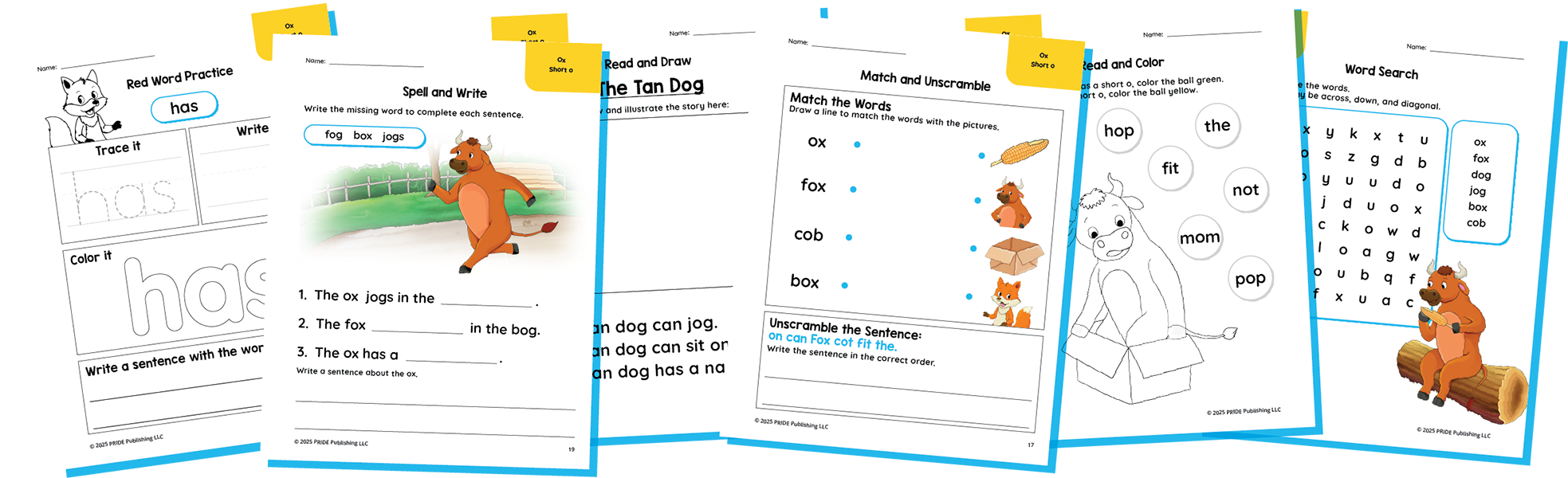
If your child is a hands-on learner, a multi-sensory approach can make spelling practice stick. This method involves using different senses to learn a word—seeing it, saying it, hearing it, and writing or building it. Engaging multiple senses creates stronger neural pathways, helping your child retain spelling information more effectively. You can make this fun by having them trace words in a shallow tray of sand, use their finger to write on a fogged-up window, or build words with magnetic letters on the fridge. The physical act of forming the letters helps cement the word’s spelling in their memory far better than just writing with a pencil and paper.
This is where encoding skills truly come to life! Encourage your child to use the phonics rules they know to write their own stories, letters, or comics. Don’t worry about perfect spelling at this stage; the goal is to get their ideas down on paper. This practice, often called “invented spelling,” is a critical step in learning to write. It shows you exactly which letter-sound connections they’ve mastered and which ones still need work. Giving them the freedom to write creatively builds confidence and shows them that writing is a powerful tool for communication. Plus, it’s a wonderful way to foster collaboration if they work on a story with a friend or sibling.
Once you know where your child is with their encoding skills, you can gather a few simple tools to make practice feel less like work and more like play. You don’t need a classroom full of supplies to support your little learner. Having a handful of effective resources on hand can make all the difference in keeping them engaged and building their confidence. Here are a few of my favorite tools for practicing encoding at home or in the classroom.
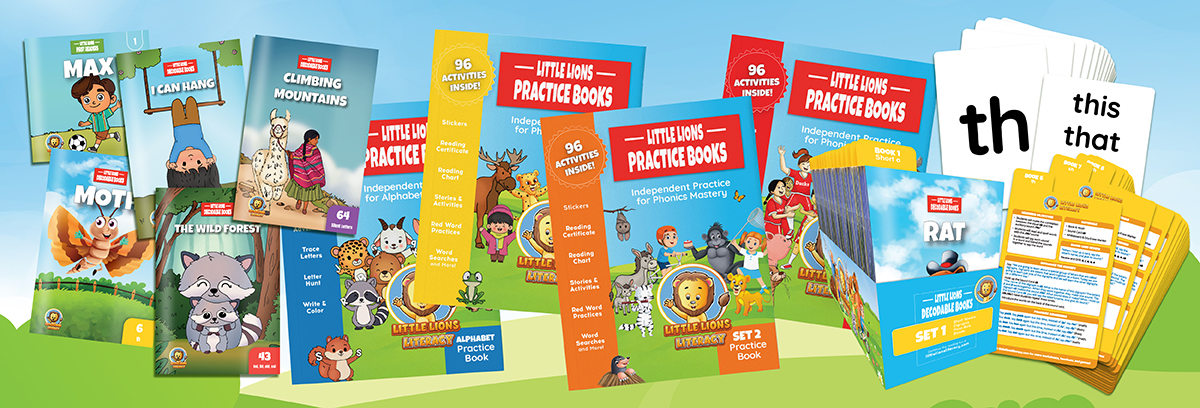
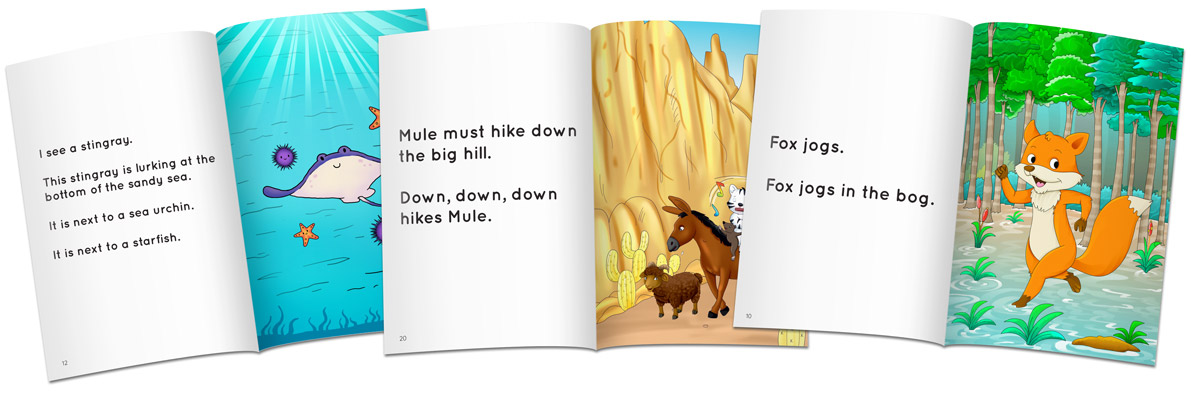
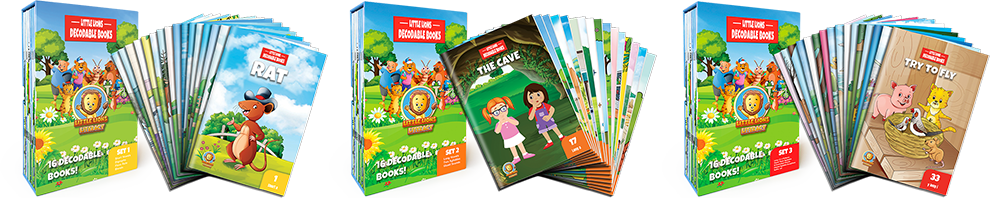
Decodable books are an absolute must-have. These aren’t just any storybooks; they are specifically written to include words that use the letter-sound patterns your child is currently learning. As they read, they see their phonics knowledge in action, which reinforces those connections. This provides a meaningful context for both reading (decoding) and spelling (encoding). When a child can successfully sound out the words on a page, it builds incredible confidence. Our Little Lions Literacy sets are designed to grow with your child, introducing new phonics skills systematically so they can apply what they’re learning right away.
Getting hands-on is one of the best ways to make abstract concepts stick. Manipulatives like magnetic letters, letter tiles, or even alphabet blocks allow kids to physically build words, which helps solidify letter-sound relationships. The simple act of writing letters to match sounds is a powerful part of the learning process. You can make it fun with a whiteboard for word-building games or use play-doh to form letters. These tactile experiences are crucial because they engage multiple senses, helping to cement the essentials of encoding in a child’s memory.
While nothing replaces books and hands-on play, the right digital tools can be a fantastic supplement. The key is to find apps that encourage active participation rather than passive screen time. Look for programs that let kids build words, play phonics games, or practice spelling in an interactive way. Many apps offer fun, game-like formats that can keep kids engaged for short bursts of practice. Think of these as a fun bonus activity to round out your routine. Using technology this way helps children become creative with digital tools and supports their overall digital literacy as they learn.
Keeping a young learner focused can be a challenge, especially when they’d rather be doing anything else. The good news is that encoding practice doesn’t have to feel like a chore. With a few simple shifts in your approach, you can make these sessions something your child actually looks forward to. The goal is to foster a positive association with learning that will stick with them for years. Here are a few strategies that work wonders for keeping kids engaged and excited about building words.
Let’s be real: kids learn best when they’re having fun. By framing encoding practice as a game, you can completely change their attitude toward it. Engaging children through playful learning experiences makes the work feel less like a chore and more like an adventure. Instead of just writing words on a worksheet, try a letter scavenger hunt around the house, use magnetic letters to spell on the fridge, or build words with sidewalk chalk outside. Even simple board games where you have to spell a word to take a turn can transform practice time. The more you can blend learning with play, the more your child will absorb without even realizing they’re “working.”
Enthusiasm is contagious. When you celebrate your child’s effort, their motivation grows. Positive reinforcement isn’t about giving a prize for every correct answer; it’s about acknowledging the hard work they’re putting in. Simple, specific praise like, “I love how you listened for every sound in that word!” or “You were so focused on that activity!” can make a huge difference. This approach helps build their confidence and resilience. According to early childhood experts, praise for effort and progress can significantly increase a child’s enthusiasm for learning. A sticker chart for completing practice sessions can also be a fun visual tracker of their hard work.
What does your child absolutely love? Dinosaurs? Princesses? Trucks? Use that passion to fuel their practice. When learning activities connect with a child’s personal interests, they are far more likely to engage and enjoy the process. If they’re obsessed with space, have them practice writing words like “star,” “sun,” and “moon.” If they love animals, they can write a list of their favorites. You can also choose decodable books with characters and stories that capture their imagination. By connecting encoding to their world, you show them that writing is a powerful tool for expressing what they care about most. This makes the practice feel relevant and exciting.
You don’t need to set aside an hour every day to help your child with spelling. The most effective practice happens in short, consistent bursts that fit naturally into your life. By turning everyday moments into learning opportunities, you can reinforce phonics skills without it ever feeling like a chore.
Consistency is your best friend when it comes to building strong encoding skills. Just 10 to 15 minutes of focused practice each day can make a significant impact on your child’s confidence and ability. Daily spelling routines give kids the repetition they need to master letter-sound connections and help you see their progress over time. Try linking this practice to an existing part of your day, like right after their afternoon snack or as part of their bedtime routine. This helps make it an expected and stress-free habit for everyone.
The best practice doesn’t feel like practice at all. Look for small windows of time to play quick word games. While driving, you can say, “I’m thinking of something in the car that starts with the /k/ sound.” While making dinner, use magnetic letters on the fridge to spell out simple words. These playful encoding activities are perfect for reinforcing skills on the go. They transform mundane moments into fun, hands-on learning experiences that help solidify phonics concepts in a low-pressure way.

Every child learns differently, so mixing up your approach is key to keeping them engaged. Some days, your child might enjoy writing words with sidewalk chalk, while other days they might prefer a phonics app on a tablet. The goal is to find a healthy mix of hands-on activities, writing practice, and digital tools. Think about your child’s interests and learning goals, and use different methods to support them. When used thoughtfully, you can integrate technology to complement other forms of practice and keep your child excited about building words.
It’s completely normal for kids to hit a few bumps on the road to becoming confident spellers. Every child learns at their own pace, and a little struggle is often part of the process. The key is to identify the specific challenge your child is facing and meet them with patience and the right support. Think of yourself as a detective: your job is to figure out where the breakdown is happening and provide a fun, targeted activity to help them build that skill.
Most encoding difficulties stem from a few common areas. Maybe they’re still cementing the connection between a letter and its sound, or perhaps they’re having trouble remembering a specific spelling pattern. Sometimes, it’s just a matter of finding the right type of activity that clicks with their unique learning style. By understanding these potential hurdles, you can offer gentle guidance that turns frustration into a moment of learning and connection. Remember, the goal isn’t perfection; it’s progress. When you approach these challenges with curiosity instead of pressure, you create a safe space for your child to take risks and grow. The following tips will help you troubleshoot common issues and keep your child’s encoding practice positive and productive.
The ability to hear a word and write it down starts with knowing which letters make which sounds. When kids learn to read a word by its sounds, they use that same knowledge to write it. If your child struggles to spell simple words like “cat” or “sun,” it might be a sign that they need more practice with these foundational letter-sound connections. Go back to the basics and play simple games that reinforce these pairs. Say a sound and have them write the letter, or show them a letter and have them make the sound. Using magnetic letters or alphabet flashcards can make this feel less like a test and more like a game. Strengthening these core encoding essentials is the first step to building spelling confidence.
If your child knows their letter sounds but still struggles with spelling, it’s time to look for patterns. Are they mixing up vowel sounds? Forgetting to add a silent ‘e’? Or having trouble with consonant blends like ‘bl’ or ‘st’? Instead of just correcting their mistakes, try to figure out which specific skill they’re missing. Once you’ve identified the area of difficulty, you can provide targeted practice. Word sorts are fantastic for this—you can have your child group words by their spelling pattern (e.g., ‘cat,’ ‘hat,’ and ‘mat’ in one pile, and ‘fin,’ ‘pin,’ and ‘win’ in another). This helps them see the logic behind spelling. Focusing on one skill at a time with specific instructional activities prevents them from feeling overwhelmed and helps the rules stick.
Every child absorbs information differently. Some need to move their bodies to learn, while others are more visual or auditory. If your current approach isn’t working, try switching things up to match their learning style. For a hands-on learner, use playdough to form letters or trace words in a sand tray. A visual learner might love using colorful markers to write words or creating illustrated flashcards. For an auditory learner, try singing spelling songs or playing rhyming games. You can also explore technology activities for preschoolers that offer multi-sensory feedback. By tailoring the practice to their preferences, you make the experience more engaging and effective, helping them build essential skills while having fun.
Think of encoding practice as building a strong foundation for a house. The more you reinforce the connection between sounds and letters, the sturdier your child’s reading and writing skills will become. It’s not about memorizing spelling lists for a weekly test; it’s about creating lasting mental pathways that make literacy feel intuitive. When kids consistently practice turning sounds into written words, they are cementing their understanding of how language works. This effort pays off in the long run, making them stronger, more confident readers. The key is to integrate this practice into their routine in a way that feels natural and encouraging, turning what could be a chore into a fun part of their day.
Encoding and decoding are two sides of the same coin. When kids learn to read a word by its sounds, they use that same knowledge to write the word. The physical act of writing letters for sounds helps them remember those letter-sound connections, making it easier to read words with the same patterns later on. Spelling is a multi-sensory process that involves seeing a word, saying its sounds, hearing its sounds, and writing it down. This helps kids learn more deeply and improves their overall reading fluency. That’s why daily practice is so crucial. Consistent spelling routines give kids the repetition they need to build automaticity and help you see their skills grow over time.
Keeping an eye on your child’s progress helps you know exactly where to offer support. You don’t need formal tests; just pay attention to their writing and spelling during your daily activities. If a child is struggling, you can figure out which basic skill they are missing and give them specific activities to help. The more they read and write words using tools like decodable book sets, the better they will remember them. The goal isn’t perfection, but progress. By providing the right tools and activities, you can help your child build confidence and become a stronger, more capable reader and speller.
Think of it this way: decoding is taking a word apart to read it, while encoding is putting sounds together to spell a word. When your child sees the word “map” and sounds it out (/m/ /a/ /p/), they are decoding. When you say the word “map” and they write down the letters M-A-P, they are encoding. They are two sides of the same coin, and strengthening one skill directly helps the other.
Yes, not only is it okay, but it’s a great sign! This is often called “invented spelling,” and it shows that your child is actively listening for sounds in words and trying to represent them with the letters they know. It’s a natural and important step in their development as a writer. Instead of correcting every mistake, celebrate their effort and focus on the sounds they got right. As their phonics knowledge grows, their spelling will become more conventional.
The key is to move away from pencils and paper and turn practice into a game. Use magnetic letters on the fridge to build words while you cook, write letters in sidewalk chalk outside, or form them with playdough. You can also try a “sound scavenger hunt” where you ask them to find something in the room that starts with the /b/ sound. When learning feels like play, the pressure disappears and kids are much more willing to engage.
Start with words that follow the phonics rules they are currently learning. Simple CVC (consonant-vowel-consonant) words like cat, sun, and pig are the perfect starting point. The words in their decodable books are an excellent guide because they are specifically chosen to match their skill level. Focusing on these words ensures they can feel successful and apply their knowledge right away.
Consistency is far more important than duration. Aim for just 10 to 15 minutes of focused, playful practice each day. Weaving these short activities into your existing routine, like during playtime or before bed, is much more effective than one long, stressful session. This approach keeps them from feeling burnt out and helps solidify their skills over time.