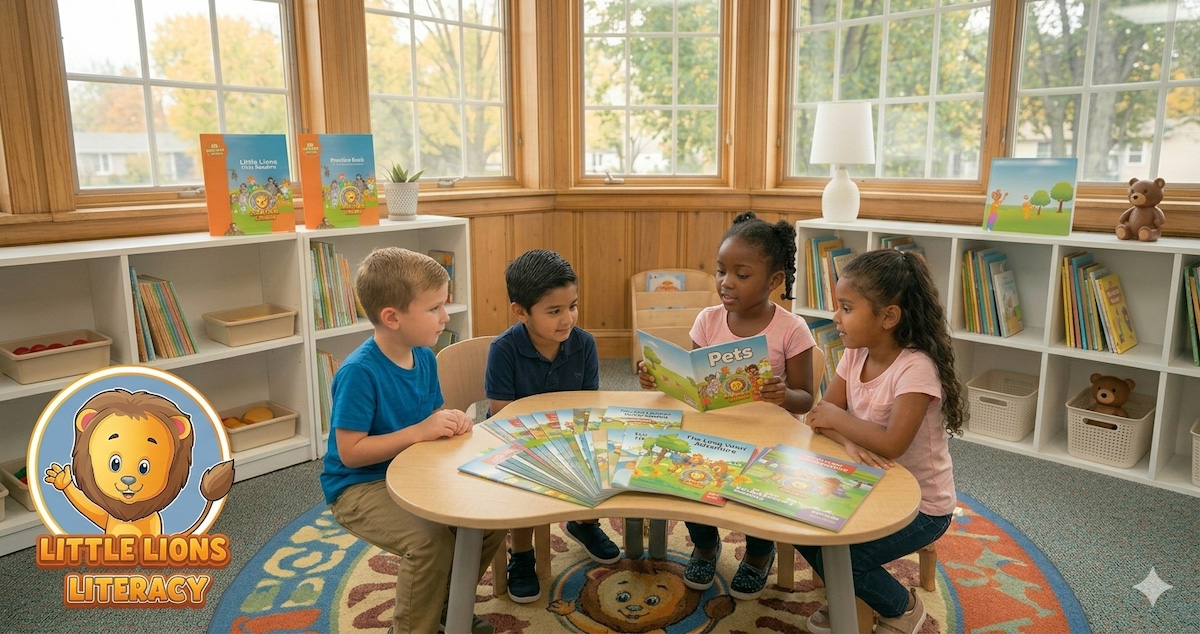
You’ve probably seen lots of books labeled for “early readers,” but they aren’t all created equal. Some encourage kids to guess words from pictures, which can create unhelpful habits down the road. A more powerful approach gives them the tools to actually decode the words on the page. This is the magic of high-quality emergent readers books, especially those that are decodable. They are carefully constructed to align with the phonics skills your child is learning, allowing them to apply their knowledge and build real, lasting reading ability. This article will explain the key differences and show you how to find books that build a strong foundation, empowering your child to become a truly independent reader.
Emergent reader books are a child’s first step into the world of reading on their own. Think of them as the training wheels for literacy. While your child has likely enjoyed picture books for years, these books introduce the idea that the squiggles on the page tell the story, not just the illustrations. They are designed with the very beginner in mind, featuring strong picture clues that carry most of the narrative, with just a few carefully chosen words on each page. You’ll often find a lot of rhyme and repetition, which are fantastic tools for helping little ones predict what’s coming next and begin to memorize words and sounds.
An emergent reader is a child who is just on the cusp of reading. Typically between the ages of four and five, these children are starting to understand the building blocks of literacy. They can recognize many letters of the alphabet, know that letters represent sounds, and might even be able to write their own name. They’re moving beyond simply listening to stories and are beginning to interact with the text itself—pointing to words as you read or pretending to read a familiar book from memory. This is a critical stage in a child’s reading development, and having the right books makes all the difference.
Emergent reader books serve a very specific and important purpose: they bridge the gap between being read to and reading independently. Picture books rely heavily on illustrations, but emergent readers gently shift the focus to the printed words. They do this by using simple, predictable text, often repeating key phrases and incorporating high-frequency words your child will see again and again. This intentional structure helps build a foundation of familiar sight words and basic phonics, giving your child the confidence they need to feel like a “real reader.” It’s all about creating positive, successful experiences that make them excited to pick up the next book.
When you’re browsing for books for your new reader, it’s easy to get drawn in by a cute cover. But the best books for emergent readers share a few key ingredients on the inside. These features are intentionally designed to support a child who is just learning to connect letters with sounds and words with meaning. By knowing what to look for, you can choose books that build skills and confidence, turning reading practice into a joyful and successful experience.
The best books for this stage use simple, familiar words and short sentences. This isn’t about “dumbing down” the story; it’s about creating a clear path for your child to follow. When a book features simple vocabulary and sentence structures, it reduces the mental load, allowing your child to focus on the crucial work of decoding. Many of these books strategically include high-frequency sight words—like “the,” “a,” and “is”—which helps build their reading speed and confidence as they encounter familiar words again and again.
Think of the pictures in an emergent reader book as a co-storyteller. Strong, clear illustrations that closely match the text on the page are incredibly important. They do more than just make the book look nice; they provide essential context clues that help your child understand the story. If a child gets stuck on a word, they can look at the picture to make a smart guess. This visual support system keeps young readers engaged and empowers them to solve problems independently, making them feel like successful readers from the very beginning.
Kids thrive on predictability, and that’s especially true when they’re learning to read. Books that use repetitive phrases or a predictable pattern help children anticipate what’s coming next. Think of classics like Brown Bear, Brown Bear, What Do You See? where the pattern gives the child a running start on each new page. This repetition, along with elements like rhyme, helps children internalize sentence structures, practice fluency, and build momentum. It makes the reading experience feel less like a test and more like a fun, familiar game they know how to win.
How a book looks is just as important as the words it uses. A wall of tiny text can be intimidating for any reader, let alone a child who is just starting out. Great emergent reader books use a large, clear font with plenty of space between letters, words, and lines. You’ll also notice there are only one or two short sentences per page. This clean, uncluttered layout makes the text less overwhelming and helps your child’s eyes track the words across the page, making the physical act of reading much more manageable.
Emergent reader books are more than just simple stories; they are a fundamental tool in your child’s journey to literacy. These books act as a bridge, guiding little ones from having stories read to them to reading stories themselves. By providing text that is specifically designed for their developing skills, you give them the right-sized challenges to grow without feeling overwhelmed. This stage is all about turning those early letter-sound connections into real, meaningful reading, and the right books make all the difference in creating a positive and successful experience.
There’s nothing quite like the look on a child’s face when they read a book on their own for the first time. Emergent reader books are designed to create these moments. Because the text is simple, predictable, and heavily supported by pictures, children can experience early success. This feeling of accomplishment is incredibly powerful. It shows them that reading isn’t an impossible task but a skill they can master. Each book they finish on their own builds their reading confidence and motivates them to pick up the next one. This positive feedback loop helps foster a genuine love for reading that can last a lifetime, turning potential frustration into fun and excitement.
Great emergent reader books are crafted with features that help children crack the code of reading. Things like rhyme and repetition aren’t just catchy; they help children hear the sounds in words and recognize patterns in language. When a child sees the word “cat” and then “hat,” they start to understand the “-at” sound family. According to research from the University of Northern Iowa, these predictable patterns are essential for helping children learn words and sounds. This repeated exposure helps move words from being a string of letters they have to sound out into sight words they recognize instantly, which is a key step toward fluent reading.
Even the simplest stories can introduce your child to a world of new words. Emergent reader books are fantastic for building vocabulary because they present new words in a clear context, with pictures that provide clues to their meaning. When a child reads, “The frog sits on a log,” they learn the word “log” by seeing it in a sentence and in the illustration. Reading aloud also exposes them to how stories work—with a beginning, middle, and end. They learn about characters and plot in a simple, digestible way. This process doesn’t just teach them individual words; it teaches them how language fits together to tell a story, building a strong foundation for reading comprehension.
While many emergent reader books focus on predictable patterns or high-frequency sight words, decodable books have a very specific and powerful job. Think of them as the practice field for reading. These books are carefully written to give children targeted practice with the specific phonics skills they are learning in a sequential way.
Instead of encouraging kids to guess words from pictures or context clues, decodable books empower them to use their knowledge of letter-sound relationships to sound out the words on the page. The text is controlled so that the majority of words are made up of sounds and spelling patterns the child has already been taught. This direct connection between phonics instruction and reading practice is what makes decodable books such an essential tool. They help children understand that reading isn’t about memorizing; it’s about cracking a code—a code they are fully equipped to solve. This builds a strong, reliable foundation for becoming a confident, independent reader.
One of the key features of decodable books is that they follow a logical, step-by-step progression. They aren’t just a random collection of simple stories; they are designed to align with a specific scope and sequence of phonics instruction. This means that the books introduce new letter sounds and spelling patterns gradually, building on what the child has already mastered. For example, a child who has only learned the sounds for s, a, t, p, i, and n will get a book filled with words like “pat,” “sit,” and “spin.” They won’t be asked to read a word like “sheep” until they’ve been taught the ‘sh’ and ‘ee’ sounds. This systematic approach ensures children feel successful and confident, never overwhelmed.
The magic of a decodable book is that a child can actually read it. The text is intentionally crafted so that most of the words are made up of sound-spelling patterns the child has already learned. This allows them to apply their phonics knowledge directly and successfully. When a child picks up a decodable book, they have the tools they need to sound out the words. This experience teaches them to trust the reading process and rely on their skills rather than guessing. It builds true reading independence and fosters the powerful “I can do it!” feeling that is so crucial for a young learner’s motivation and self-esteem.
Decodable books are a cornerstone of a structured literacy approach. This research-backed method of teaching reading is systematic, explicit, and cumulative, focusing on everything from phonological awareness to syntax. Decodable texts are the perfect bridge between a phonics lesson and real reading. After a teacher explicitly teaches a new skill, like the ‘ch’ sound, they can provide students with a decodable book featuring words like “chip,” “much,” and “chick.” This gives children the immediate, contextual practice they need to solidify their new learning. It makes the abstract lesson concrete and shows them exactly how phonics works in the context of a real story.

Walking into a library or bookstore can feel overwhelming, especially when you’re trying to find books that will help your child learn without causing frustration. The secret isn’t just grabbing any book with a cute cover; it’s about looking for specific clues that signal a book is a perfect match for your emergent reader. By focusing on a few key areas, you can confidently choose books that build skills and make reading a joyful, positive experience for both of you.
The goal is to find a “just right” book—one that’s not too hard and not too easy. For emergent readers, this means looking for books with strong rhyme and repetition. These predictable patterns help children anticipate what’s coming next and learn sounds. A great way to check the difficulty is the five-finger rule: have your child read a page, and if they struggle with five or more words, the book is likely too challenging for now. This is where decodable books are so helpful, as they are specifically designed to align with the phonics skills your child is learning, ensuring a successful and confidence-building reading session.
A child’s motivation to read soars when the book is about something they already find fascinating—whether that’s dinosaurs, puppies, or big trucks. Tapping into their interests is one of the most powerful tools you have. Involve your child in the selection process by letting them browse book covers and choose what looks exciting. When you foster a love of reading by connecting it to their passions, you show them that books are a gateway to exploring worlds they already care about. This simple step can transform reading practice from a chore into a treat.
At this stage, pictures are more than just decoration—they are essential clues that help your child make sense of the story. A great emergent reader book will be full of clear illustrations that directly relate to the simple text on the page. Look for books with a healthy picture-to-text ratio, often just one simple sentence per page surrounded by a large, engaging image. These visual cues help children confirm their guesses when they sound out a word, understand new vocabulary, and follow the plot. This balance keeps young readers from feeling overwhelmed and helps them build the comprehension skills they’ll need to become independent readers.
Once you know what to look for, finding the right books becomes so much easier. A great home or classroom library includes a mix of books designed to build specific skills and others meant to be read just for fun. Here are some of our top picks to help you create a collection that supports and delights your new reader.
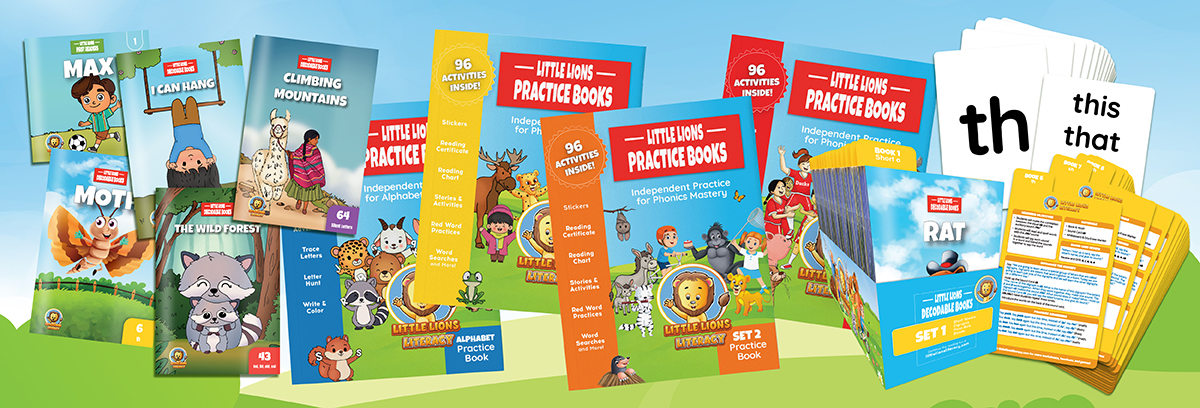
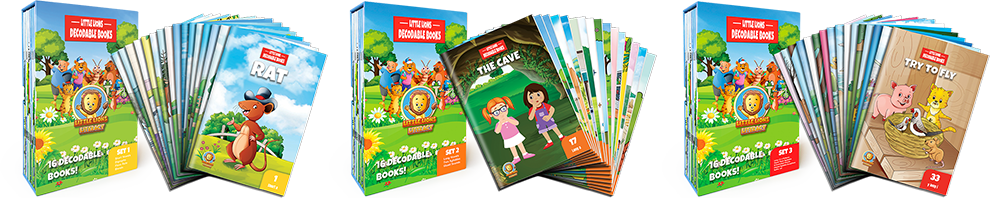
When your goal is to build a strong phonics foundation, nothing beats a quality set of decodable books. We designed our Little Lions Literacy sets to grow with your child, introducing new letter sounds and patterns in a logical, step-by-step sequence. Each book features large, clear fonts and supportive illustrations that help kids sound out words without giving the whole story away. Because they are carefully leveled, you can be sure your child is practicing exactly what they’ve learned, which builds incredible confidence. These aren’t chapter books, but rather a series of short stories that systematically build on one another.
As your child’s skills develop, it’s wonderful to introduce them to books that are popular for their engaging stories and lovable characters. These books are fantastic for read-alouds and shared reading sessions. Mo Willems is a superstar in this category, and his Elephant & Piggie series is a must-read for its humor and simple dialogue. Other classics that have stood the test of time include Arnold Lobel’s gentle Frog and Toad books and the unforgettable rhymes of Dr. Seuss. You can find even more emergent reader book ideas to add to your reading list.
The best library for an emergent reader offers variety. You want a healthy mix of decodable books for skill practice and other storybooks to foster a love of reading. When you’re browsing, look for books with a few key features. Strong, clear pictures that support the text are essential. Stories with rhyme and repetition are also fantastic because they help children predict what’s coming next. A good rule of thumb is to have a collection that includes books your child can read independently, books you can read together, and books that you read to them. This approach supports their development at every stage.
Once you know what makes a good emergent reader book from a technical standpoint—like simple sentences and helpful pictures—the real fun begins. The secret to turning a hesitant reader into a confident one often comes down to finding stories they genuinely love. When a child connects with the characters or is fascinated by the topic, reading practice stops feeling like a task and becomes an adventure.
Choosing books with themes that resonate with your child’s interests is one of the most effective ways to keep them engaged. Whether they’re obsessed with animals, curious about friendships, or love a good make-believe quest, there’s a whole world of stories waiting for them. Exploring different themes not only makes reading more enjoyable but also helps children see how books can connect to every part of their lives. Let’s look at some of the most popular and engaging themes that consistently capture the hearts and minds of young readers.
There’s a reason so many classic children’s books feature furry, feathered, or scaly protagonists. Stories about animals and the natural world are incredibly appealing to young children. They tap into a child’s innate curiosity about other living creatures and the environment. Books with strong, clear pictures are essential for emergent readers, and titles like Go, Dog. Go! by P.D. Eastman use vibrant animal characters to help guide the story.
These tales can range from silly antics to gentle lessons about the world. Arnold Lobel’s beloved Frog and Toad Are Friends uses its charming animal characters to explore deeper themes. Reading about animal adventures can spark a lifelong interest in nature and science, all while building foundational reading skills in a fun, engaging way.
Stories that reflect a child’s own social world are powerful tools for connection and learning. Books centered on family and friendship help young readers understand relationships, empathy, and how to handle different social situations. When children see characters navigating experiences similar to their own—like making a new friend, sharing a toy, or spending time with family—it validates their feelings and helps them make sense of their world.
Classic series like Henry and Mudge, which explores the bond between a boy and his dog, provide a comforting look at family dynamics. These relatable narratives give you a perfect opportunity to talk with your child about their own friendships and feelings, turning storytime into a meaningful conversation. Reading these stories helps build a child’s social and emotional skills right alongside their literacy skills.
While grand adventures are exciting, there is a special kind of magic in stories about everyday life. Books that depict familiar routines—like getting ready for school, going to the grocery store, or playing at the park—help children connect what they read to their own experiences. Titles like My Car by Byron Barton celebrate the simple, observable details of the world around them, which can be fascinating for a young child.
These stories are fantastic for building vocabulary in a natural context. As you read about familiar objects and activities, your child reinforces the words for things in their own environment. This connection between books and real life makes reading feel relevant and accessible, showing them that stories can be found everywhere, not just in faraway lands.
For the child with a big imagination, fantasy and make-believe stories are an absolute delight. These tales of princesses, dragons, magic, and adventure spark creativity and show kids that the only limit in a book is their imagination. Stories like The Princess in Black by Shannon Hale offer exciting plots and empower young readers with characters who are brave, clever, and ready for anything.
Fantasy books do more than just entertain; they encourage flexible thinking and problem-solving as characters face extraordinary challenges. Diving into a world of make-believe is a wonderful escape that makes reading feel like a thrilling activity. Exploring fantasy books can help your child develop a deep and lasting love for the pure joy of storytelling.
Turning your home into a place where reading thrives doesn’t require a massive library or a strict curriculum. It’s about weaving books and stories into the fabric of your daily life, creating a warm and inviting atmosphere that encourages curiosity. When children see reading as a source of comfort, fun, and connection, they are more likely to become lifelong readers. A reading-friendly home is one where books are easily accessible, reading is a regular activity, and conversations about stories are common.
This environment helps build a positive association with literacy long before a child can read on their own. It shows them that reading isn’t just a skill they have to learn for school; it’s a wonderful way to explore new worlds, understand different perspectives, and bond with the people they love. By making a few simple, intentional choices, you can create a space that nurtures your child’s journey from a curious listener to a confident, independent reader. The goal is to make picking up a book feel as natural and enjoyable as picking up a favorite toy.
Consistency is your best friend when it comes to building a reading habit. Setting aside a specific time each day for reading creates a predictable and comforting ritual that your child will look forward to. This doesn’t have to be a long, drawn-out session—even 15 minutes of focused reading time can make a huge difference. For many families, reading before bedtime is a perfect way to wind down, but you could also try reading after breakfast or during a quiet afternoon moment. Reading aloud to your child is especially important, as it helps them maintain and improve their skills while exposing them to new vocabulary and story structures. The key is to make it a cherished part of your day, not a chore.
Make reading a two-way street by getting your child actively involved in the story. Instead of just listening, encourage them to participate. Ask them to guess what might happen on the next page. When you finish a funny or exciting scene, suggest you act it out together. You can also go on a “word hunt” for a specific letter or word you’re practicing. This turns reading into a playful game, which is fantastic for keeping young minds engaged. These interactive reading strategies help deepen their understanding and show them that stories are something to be explored, not just passively consumed.
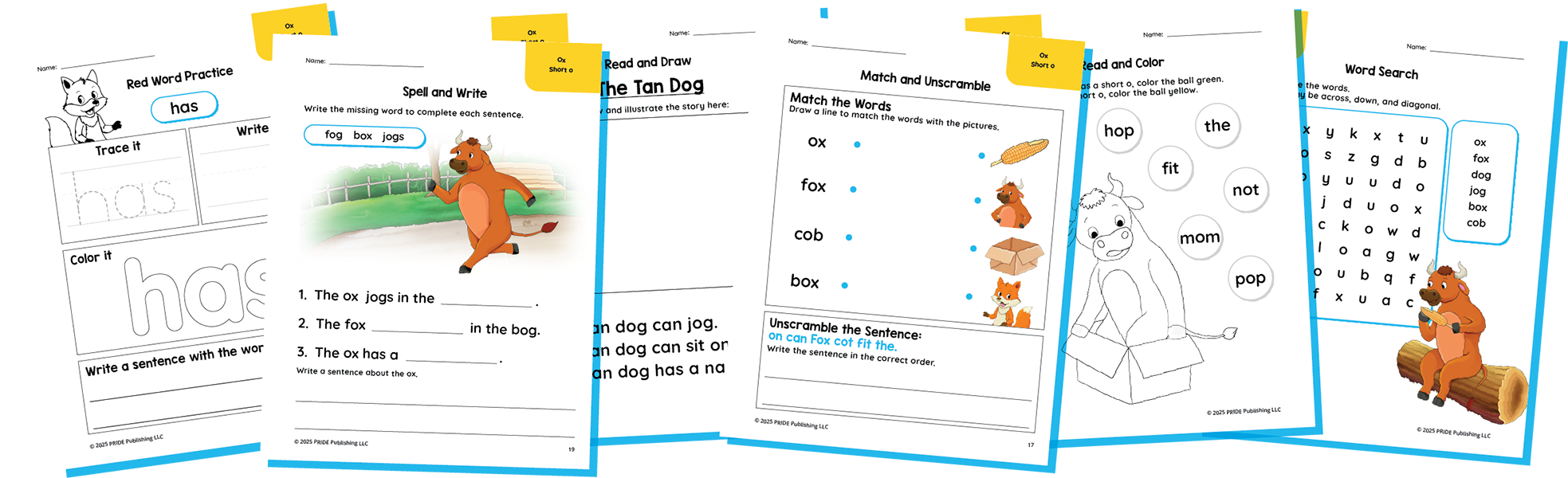
The story doesn’t have to end when you close the book. Talking about what you’ve read is a powerful way to build critical comprehension skills. Ask simple, open-ended questions that get your child thinking. You could try things like, “Why do you think the bear did that?” or “How would you feel if you were the main character?” Discussing the story helps children understand concepts like cause and effect, character motivations, and the basic structure of a narrative—a beginning, a middle, and an end. These casual conversations reinforce what they’ve learned and help them connect the stories to their own lives and experiences.
Create a special spot in your home dedicated to reading. It doesn’t need to be elaborate; a comfy corner with a few pillows, a soft blanket, and a small basket of books is all it takes. Having a designated reading nook makes books inviting and easily accessible, encouraging your child to pick one up independently. Make sure the space has good lighting and is free from distractions like screens. Stock the nook with a variety of engaging books, including decodable sets that are perfect for practicing new skills. Our Little Lions Literacy book sets are designed with clear, easy-to-read text and supportive illustrations, making them a perfect addition to any reading corner.
Emergent reader books are fantastic tools for the classroom, helping you guide young students from listening to stories to reading them independently. When you have a collection of these books, you can create targeted, engaging activities that build foundational skills and, most importantly, a love for reading. Integrating them thoughtfully into your daily routine can make a huge difference for your little learners. Here are a few practical ways to use emergent reader books to support your students’ reading journeys.
Guided reading groups are the perfect setting for emergent reader books. In these small groups, you can provide tailored support to students who are at a similar stage in their reading development. Use these books to introduce new sight words, practice pointing to each word as it’s read, and discuss the story using picture clues. Because emergent readers are just beginning to grasp the basics of print, the focused attention of a small group setting helps build their confidence and skills without overwhelming them. It’s a chance to observe their progress up close and offer immediate, helpful feedback.
While not all emergent reader books are decodable, many are excellent for reinforcing phonics skills. Look for books with strong rhyme and repetition, as these features help children hear and identify sounds within words. You can use these predictable patterns to supplement your core phonics instruction. For example, if you’re teaching the short ‘a’ sound, you can choose a book that repeats words like “cat,” “hat,” and “sat.” This contextual practice helps solidify the connection between letters and their sounds, making abstract phonics concepts feel more concrete and accessible for young minds.
A well-stocked classroom library should have something for everyone, and emergent readers are a key component. Mix these simple, patterned books in with picture books, nonfiction, and decodable texts. The goal is to create an environment where students feel excited to pick up a book. Don’t get too caught up in precise reading levels; the most important thing is that kids find books they genuinely enjoy. When you build a classroom library that offers variety and choice, you empower students to see themselves as readers and encourage them to explore different types of stories at their own pace.
Walking into a library or bookstore can feel overwhelming. With so many colorful covers calling out, how do you know which ones are right for your new reader? It’s easy to make a few common missteps. Let’s walk through some of them so you can feel confident you’re choosing books that will help your child fall in love with reading. By avoiding these simple pitfalls, you can make sure every story time is a positive step forward on their reading journey.
We all want to see our kids succeed, and sometimes that means we accidentally push them toward books that are just a little too hard. While challenging them is good, a book that’s far beyond their current ability can lead to frustration and make reading feel like a chore. The goal is to build confidence, not create anxiety. Finding books that bring joy to reading is far more important than sticking to a strict reading level. A good rule of thumb is the five-finger test: if your child struggles with five or more words on one page, the book is likely too difficult for independent reading right now.
It’s tempting to grab any book with a cute cover, but for an emergent reader, the type of text matters immensely. When children are given books filled with words they haven’t learned how to sound out yet, they often resort to guessing based on pictures. This can build some unhelpful habits. Instead, look for decodable books that use phonetic patterns your child is currently learning. These books are designed to help them practice their new skills and feel successful. They build a direct connection between the letters on the page and the sounds they make, which is the foundation of strong, independent reading.
On the flip side, it’s also possible to choose books that are entertaining but don’t offer much in the way of skill-building. The magic happens when you find books that do both! A great story should absolutely be the priority, but it can also serve as a vehicle for learning. Reading aloud, for example, exposes children to new vocabulary and complex sentence structures. You can talk about the story together, discussing the characters’ feelings or predicting what might happen next. This helps build comprehension skills alongside the foundational phonics work they’re doing with their decodable books.
What’s the real difference between a decodable book and other simple emergent reader books? Think of it this way: decodable books are like a targeted workout for reading skills. They are carefully designed to only include letter sounds and patterns your child has already been taught, giving them direct practice. Other emergent reader books often focus on building confidence with rhyme, repetition, and strong picture clues, which is also valuable. Both are great, but
My child seems to have memorized their favorite book instead of actually reading it. Is that a bad thing? Not at all! In fact, this is a wonderful sign. When a child memorizes a book, it shows they understand how stories work and are internalizing sentence patterns and rhythm. This “pretend reading” is a critical step that builds immense confidence. It makes them feel like a reader, which is a powerful motivator. They are building a strong foundation, and as their phonics skills grow, they will begin to connect the words they’ve memorized to the actual letters on the page.
Should my child only read decodable books for practice? While decodable books are essential for building foundational skills, a healthy reading diet includes variety. Continue to read all kinds of fun, engaging picture books to your child. This exposes them to rich vocabulary and complex stories they can’t read on their own yet, which builds their comprehension and love for stories. Use decodable books for the time when they are doing the reading work, and use other books for connection and fun.
How can I tell if a book is ‘just right’ for my child’s level? A “just right” book is one that offers a slight challenge but doesn’t lead to frustration. A great tool is the five-finger rule: ask your child to read a page, holding up a finger for each word they don’t know. If you get to five fingers, the book is likely too difficult for them to read independently right now. You also want to watch their engagement. A book that is too easy might bore them, while one that is too hard will feel like a struggle.
When is my child ready to move on from these types of books? There isn’t a sudden switch, but rather a gradual transition. You’ll notice your child starts to read with more fluency and relies less on picture clues or predictable patterns. They’ll be able to sound out more complex words and handle pages with a few more sentences. When they start showing interest in books with simple chapters or more complex plots, it’s a great sign that they’re ready to explore what comes next. Just follow their lead and continue to offer a mix of books.