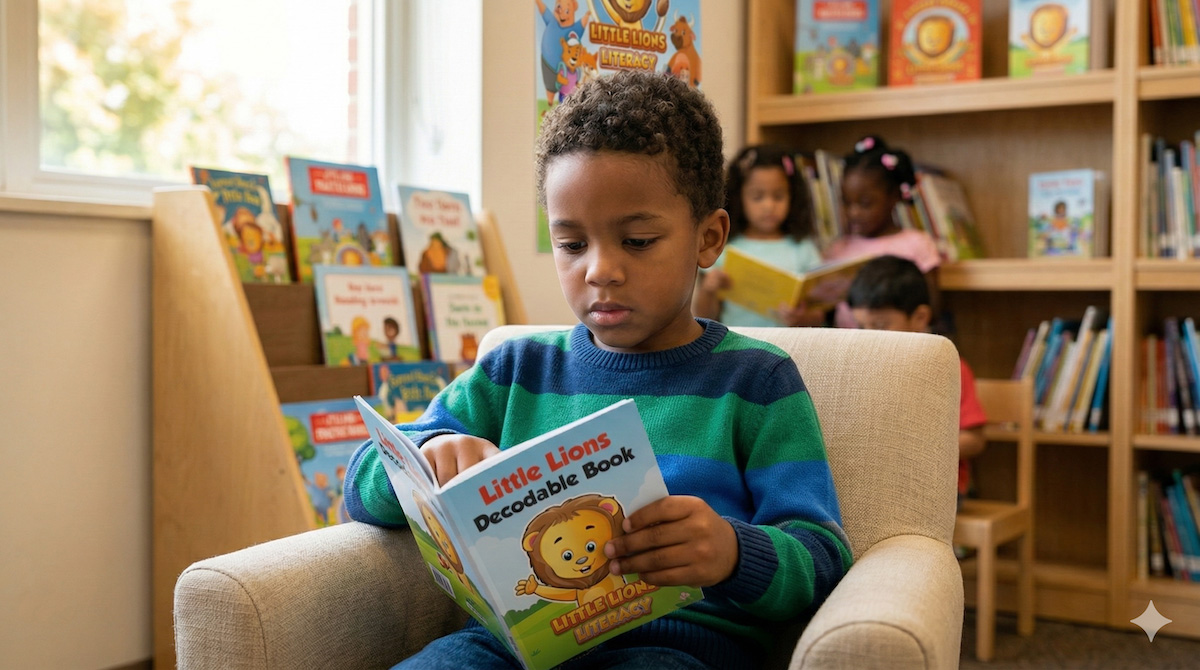
There are few things more magical than watching your child’s face light up as they read their first sentence. Being a part of that journey is an incredible gift. But let’s be honest, the responsibility can also feel a little daunting. How do you make sure you’re teaching them the right way? The secret isn’t in having a teaching degree; it’s in having the right tools. A solid phonics program gives you a clear, proven path to follow, empowering you to be your child’s most effective first teacher. This article will walk you through what to look for in an easy to use phonics curriculum for parents, so you can feel confident and prepared to guide your little one into the wonderful world of reading.
Teaching your child to read is a huge milestone, but choosing the right tools can feel overwhelming. You don’t need a teaching degree to be your child’s best first teacher, but you do need a program that works with you, not against you. A parent-friendly phonics program is designed to be clear, engaging, and flexible, making the process enjoyable for both you and your little one.
First, look for a program with a clear, step-by-step plan. The best programs are built on a structured literacy approach, which means skills are taught in a specific, logical order. There’s no guesswork involved. You’ll know exactly what to teach next, and each lesson builds on the last. This systematic method ensures there are no gaps in your child’s learning and gives you the confidence to lead each lesson. Think of it as a reliable roadmap for the journey to reading.
A great program also makes learning fun. Kids learn best when they’re engaged, so look for materials that use multi-sensory activities. This means incorporating sight, sound, and touch—like tracing letters in sand, using magnetic tiles to build words, or singing alphabet songs. When learning feels like play, children are more motivated and retain information better. It also takes the pressure off, turning reading practice into quality time together.
Finally, a parent-friendly program should fit your family’s life. It needs to be flexible, allowing you to go at your child’s pace with short, manageable lessons. It should also have simple ways to track progress, so you can celebrate every little win and know when to spend more time on a tricky concept. Some programs even offer support through online communities or access to reading specialists, reminding you that you’re not on this journey alone. The right program empowers you, making you feel like a capable and confident guide for your new reader.
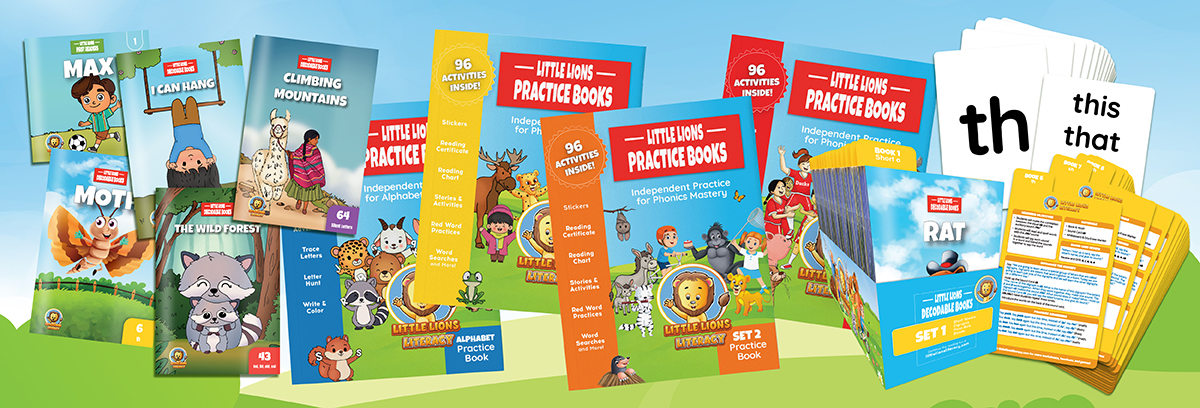
Finding the right phonics program can feel like a huge task, but it doesn’t have to be. The best programs for at-home use are the ones that are easy for you to teach and fun for your child to learn from. You know your child best, so think about what gets them excited. Do they love hands-on activities, colorful stories, or straightforward practice? Below are some of the most popular and parent-friendly phonics programs out there. Each one has a slightly different approach, so you can find the perfect fit for your family’s routine and your child’s learning style.
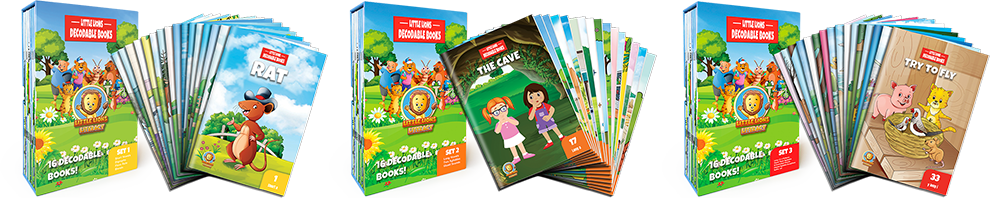
If you’re looking for a program that builds confidence through fun, engaging stories, our decodable book sets are a fantastic choice. We designed our books to follow a clear and logical progression, introducing new phonics skills one step at a time. This systematic approach ensures your child isn’t overwhelmed and can experience the joy of successfully reading a book from cover to cover. Each set includes vibrant illustrations and silly stories that keep kids excited to pick up the next book. It’s a simple, effective way to build a strong phonics foundation without complicated lesson plans, making it perfect for busy parents who want to support their child’s reading journey at home.
All About Reading is a popular choice among parents, and for good reason. It’s known for its singular focus on phonics, cutting out other distractions to help children master reading skills. The program uses a multisensory approach, which means it engages sight, sound, and touch through fun games and activities to make learning stick. If your child learns best by doing, this hands-on curriculum could be a great fit. The lessons are scripted and easy to follow, taking the guesswork out of teaching and making your reading time together both productive and enjoyable.
The PRIDE Reading Program is a comprehensive, Orton-Gillingham-based curriculum designed to be incredibly user-friendly for parents. It provides short, scripted, and explicit lessons that guide you through every step of the teaching process. This structured literacy approach is especially helpful for children who may be struggling with reading. The program is multisensory, incorporating activities that help children see, hear, and feel the concepts they are learning. It’s a complete package that provides all the materials and instructions you need to teach your child to read effectively at home.
For parents seeking a straightforward and affordable option, Primary Phonics is a classic choice. This program uses a series of simple workbooks and corresponding storybooks that follow a systematic, step-by-step phonics sequence. There are no complex lesson plans or extensive materials to manage; you simply work through the books with your child. The black-and-white illustrations and direct approach keep the focus purely on the text, which can be beneficial for children who are easily distracted. It’s a no-frills, budget-friendly program that has helped children learn to read for decades.
Logic of English Foundations is another highly recommended program that uses a play-based, multisensory approach to teaching reading. It’s built on the Orton-Gillingham method and is designed to explain the rules of English in a way that makes sense to young learners. The curriculum is comprehensive, covering phonemic awareness, phonics, reading, and handwriting. With engaging games and hands-on activities, it helps make learning feel like play. This is an excellent option if you’re looking for a thorough program that answers the “why” behind spelling rules and keeps your child actively involved in the learning process.
If your child loves screen time, Reading Eggs might be the perfect way to blend technology with learning. This program uses a combination of an online app and physical workbooks to teach phonics and reading skills. The app features animated characters, fun games, and catchy songs that make learning feel like an adventure. It’s self-paced, allowing children to progress through lessons at a comfortable speed. The program is designed to be highly motivating, rewarding children with “golden eggs” as they complete activities. It’s a great option for independent learning, though parental involvement is still encouraged.
This book is a single, all-in-one resource that promises to teach a child to read in 100 lessons. It uses a highly scripted and direct instruction method. While some parents appreciate its straightforward, open-and-go format, others find the lessons to be dry and repetitive. Some reviews mention that children can get bored with the format and may not retain the information well. It’s a very affordable option, but its effectiveness can really depend on your child’s personality and learning style. If your child thrives on routine and direct instruction, it might work for you.
Saxon Phonics is a highly structured and intensive program often used in classroom settings, but it’s also available for home use. It is known for its incremental approach and continual review, ensuring that students master concepts before moving on. The lessons are scripted and very thorough, covering phonemic awareness, phonics, spelling, and fluency. This program is quite rigorous and may be a good fit for parents who want a very detailed, step-by-step curriculum. However, its pace and worksheet-heavy style might not be the best match for every child, especially those who prefer more play-based learning.
The short answer is yes. The phonics programs we’ve highlighted are grounded in the Science of Reading. This means they use proven methods to teach children how letters and sounds work together, which is a much more effective approach than asking them to memorize whole words. Instead of guessing, your child learns a reliable system for reading that they can apply to any text.
This systematic approach does more than just help children sound out new words. Strong phonics instruction actually provides the foundation for recognizing and understanding sight words, making your child a more flexible and confident reader. It empowers them to decode unfamiliar words they encounter in any book, not just the ones they’ve practiced. This skill is essential for building fluency and a lifelong love of reading.
It’s also helpful to know that phonics is just one piece of the puzzle. While it’s a critical component, the Science of Reading also emphasizes the importance of building vocabulary, language skills, and reading comprehension. The best programs integrate phonics into a more complete literacy framework to ensure children don’t just read words, but understand them, too.
And this isn’t just for preschoolers and kindergarteners. A structured, phonics-based approach can lead to significant improvements in word recognition and reading comprehension for readers of all ages, including older children who might be struggling. By focusing on the foundational skills of reading, these programs give every child a clear path to success.

Choosing a phonics program can feel overwhelming with so many options available. How do you know which one will actually work for your child and be easy for you to teach? The best at-home programs are designed with parents in mind, meaning they don’t require you to have a degree in education to use them effectively. They provide a clear path forward, making the process of teaching your child to read a rewarding experience rather than a stressful one. They break down complex concepts into simple, manageable steps and give you the script, so you’re never left wondering what to say or do next.
A great program gives you the tools and confidence to guide your child’s reading journey. It should be engaging for your little one and straightforward for you. Instead of just handing you a stack of books, it should offer a complete system that covers all the bases—from learning letter sounds to blending them into words. Think of it as a complete toolkit, with everything you need to build a strong foundation for literacy, one skill at a time. The goal is to find a program that fits seamlessly into your family’s routine and makes learning to read a positive and successful adventure.
When you’re teaching your child to read, you want a roadmap, not a puzzle. Look for a program with a clear, logical sequence of skills. This approach, often called structured literacy, ensures you’re teaching concepts in an order that makes sense and builds on what your child has already learned. You shouldn’t have to guess what to teach next. The program should lay out each lesson plainly, telling you what to do and say. This structure removes the guesswork and helps you feel confident that you’re covering all the essential phonics skills without missing any crucial steps. It makes the entire process less intimidating and much more effective.
Kids learn best when they can engage more than one sense at a time. That’s why programs that include multisensory activities are so powerful. This simply means your child will be seeing, hearing, and doing as they learn. Activities might include tracing letters in sand, using magnetic tiles to build words, or singing songs about letter sounds. This hands-on approach makes learning feel like play and helps new concepts stick in a child’s memory far better than just looking at a worksheet. When learning is fun and interactive, children are more motivated to participate, which is a huge win for everyone.
How do you know if what you’re doing is actually working? A good phonics program should have simple, built-in ways to check on your child’s progress. This isn’t about formal tests or creating pressure. Instead, it’s about having quick check-ins or review activities that show you which skills your child has mastered and where they might need a little more practice. This feedback is invaluable because it helps you know exactly when it’s time to move on to the next concept. It also gives you and your child a chance to celebrate all the small victories along the way, building their confidence as a new reader.
Every child learns at their own unique pace. One might grasp a concept in a day, while another might need a week. A parent-friendly phonics program understands this and allows you to move as quickly or as slowly as your child needs. You should never feel rushed or pressured to keep up with a rigid schedule. The best programs are designed for short, consistent lessons—often just 15 to 20 minutes a day. This approach keeps your child engaged without overwhelming them and makes it easy to fit reading practice into a busy family schedule. The flexibility to adapt to your child’s needs is key to a positive learning experience.
Even with the best curriculum, you might have questions along the way. That’s why it’s important to consider what kind of support the program offers. Do they have helpful video tutorials, a customer service line you can call, or an online community of other parents you can connect with? Having access to extra resources or a support system can be a game-changer. It provides reassurance that you’re on the right track and gives you a place to turn for advice when you feel stuck. Teaching your child to read is a big undertaking, and you shouldn’t have to do it alone.
Every child is unique, and so is the way they learn best. You might notice your child remembers things they see, things they hear, or things they do. Understanding their natural learning style can help you pick a phonics program that clicks with them, turning potential frustration into fun and progress. Most programs touch on different styles, but some lean more heavily in one direction. Let’s look at how to find a great fit for your little learner.
Does your child love picture books, remember faces easily, and enjoy drawing? You might have a visual learner on your hands. These kids learn best by seeing. For them, a phonics program should be a feast for the eyes. Look for materials with engaging illustrations, colorful charts, and clear, easy-to-read text. Programs that use visual cues, like color-coding for different letter sounds, can make abstract phonics rules feel more concrete. Our decodable book sets are designed with this in mind, using charming illustrations to support the story and keep young readers engaged as they connect letters to sounds.
If your child is a little chatterbox who loves stories, songs, and rhymes, they are likely an auditory learner. They process information best through hearing. The great news is that phonics is fundamentally auditory—it’s all about the sounds letters make! To support them, choose a program that encourages you to read aloud together often. Activities like singing the alphabet, playing rhyming games, and simply talking about the sounds in words will make learning feel like play. When you sound out words together, you’re speaking their language and helping them build strong connections between sounds and symbols.
Kinesthetic learners are the movers and shakers. They learn by doing, touching, and experiencing things firsthand. If your child has a hard time sitting still and would rather build with blocks than look at a book, they need a hands-on approach. Look for programs that get them out of their seat. Think about activities like tracing letters in a sand tray, using magnetic letters on the fridge to build words, or shaping letters out of play-doh. Many phonics programs can be adapted with these hands-on activities to help your child physically connect with the concepts they’re learning.
The truth is, most children aren’t just one type of learner—they use a mix of all three styles. That’s why the most effective phonics programs are multisensory. A program built on a structured literacy approach intentionally combines seeing, hearing, and doing to create stronger neural pathways for reading. Your child might see the letter, say its sound, and trace its shape all in one activity. This comprehensive method ensures that you’re catering to all their learning strengths, which helps solidify their understanding and build confidence. It’s a powerful way to support any young reader on their journey.
Figuring out the budget for a phonics program can feel like a big step, but the good news is there are fantastic options at every price point. The cost usually depends on what’s included—are you getting a full year’s curriculum with physical books and hands-on materials, or a simple set of digital workbooks? Some programs are a one-time purchase, while others work on a subscription model.
Understanding these differences will help you find the right fit for your family’s needs and your wallet. Think of it less as a strict price tag and more as a spectrum of tools available to support your child’s reading journey. Whether you’re looking to supplement their schoolwork or take on a full homeschool curriculum, there’s a program out there that will work for you. Let’s look at what you can generally expect to find in three common budget categories.
You don’t need to spend a lot to get high-quality phonics materials. In this range, you’ll typically find individual workbooks, digital downloads, and smaller sets of decodable books. These are perfect for supplementing what your child is learning at school or for trying out a phonics-based approach at home. For example, our own Little Lions Literacy decodable book sets are designed to be an affordable way to provide targeted phonics practice right where your child needs it. This price point is a great entry into teaching phonics without a huge upfront commitment.
If you have a bit more to invest, the mid-range opens up options for more complete curriculum kits. These programs often include a teacher’s guide, multiple levels of readers, and sometimes even hands-on activities. A well-known example is Hooked on Phonics, which uses a subscription model that gives you access to a library of digital and physical materials. This price range is ideal for parents who want a more structured, step-by-step program to follow for a semester or a full school year, offering a solid framework for your lessons.
For families looking for an all-in-one, comprehensive solution, premium programs are a fantastic investment. These often include everything you need to teach reading for several years, complete with scripted lessons, physical manipulatives like letter tiles, and extensive parent support. Programs like All About Reading fall into this category, offering detailed kits for each level of instruction. While the upfront cost is higher, these programs are designed to be a complete and thorough resource, leaving very little room for guesswork as you guide your child toward reading fluency.
With so many options available, picking a phonics program can feel like a huge decision. The secret is to remember that you aren’t looking for the single best program in the world—you’re looking for the best fit for your family. The right choice will align with your child’s needs, your teaching style, and the realities of your daily schedule. By thinking through a few key areas, you can confidently select a program that makes teaching your child to read a joyful and successful experience for both of you.
Before you start comparing programs, take a moment to observe your child. What skills do they already have? Do they know their letter sounds? Can they blend simple three-letter words like “cat” or “sun”? Knowing their starting point is the first step to finding the right path forward. If your child shows signs of dyslexia or simply needs extra help, a multisensory, structured program is key. These programs use sight, sound, and touch to help concepts stick. Look for a curriculum that meets your child where they are, whether they’re just learning the alphabet or are ready to start decoding sentences.
The best program is one you’ll actually use, so it needs to fit your personality as the teacher. Are you someone who thrives with a clear, scripted plan, or do you prefer more flexibility to add your own creative touches? Many parent-friendly programs are based on structured literacy, which provides a clear, step-by-step plan backed by research. This approach can be incredibly reassuring, as it gives you a roadmap to follow. Choosing a program that feels natural to you will make lessons more enjoyable and effective.
Let’s be realistic—life is busy. You don’t need to set aside hours every day to teach phonics effectively. In fact, short, consistent lessons are often more powerful than long, infrequent ones. Look for a program that lets you go at your child’s pace with daily lessons of about 15-20 minutes. The goal is to build a sustainable routine that you can stick with. A program with minimal prep time and bite-sized activities makes it much easier to be consistent, which is what truly helps your child build momentum and confidence on their reading journey.
When you start looking into teaching phonics at home, you’ll likely come across some common advice—and some common myths. It’s easy to get overwhelmed by conflicting information. Let’s clear up a few things so you can feel confident in your approach and focus on what truly matters: helping your child build a joyful and strong reading foundation.
This is one of the most persistent myths out there. The truth is, phonics instruction is for every child learning to read. Think of it as giving your child a complete toolkit for reading, not just a repair kit. Phonics provides all children with the essential skills to decode unfamiliar words and master sight words. This systematic approach builds a solid foundation that is crucial for developing reading fluency and confidence from the very beginning. It’s a proactive way to set your child up for success, rather than a reactive measure.
It can feel like once you’ve seen one phonics program, you’ve seen them all, but that couldn’t be further from the truth. There are many different phonics program approaches, and they are not created equal. Some use a synthetic approach (sounding out letters and blending them), while others might use an analytic approach (identifying phonics patterns in known words). The best program is one that aligns with your child’s unique learning style and your family’s routine. It’s worth taking the time to explore different options to find the one that makes learning feel natural and fun for your little one.
In our fast-paced world, it’s tempting to measure success by speed. However, when it comes to reading, mastery is far more important than pace. Every child learns differently, and rushing through phonics lessons can create gaps in their understanding. The goal is to build a deep, lasting foundation for word recognition and reading comprehension, not to win a race. A steady, consistent pace allows your child to fully absorb and practice new skills. Remember, building strong reading abilities is a marathon, not a sprint, and consistent effort over time yields the best results.
The idea of teaching phonics can sound intimidating, but it doesn’t have to be complicated or dry. In fact, the most effective phonics lessons are often simple and fun. You don’t need a complex system or a rigid classroom setup to be successful. Simple, consistent practice through playful activities, songs, and engaging stories is incredibly powerful. The key is to make it an enjoyable part of your day. When children are having fun, they are more motivated to learn, and the skills they acquire are more likely to stick.

Choosing a phonics program can feel like a big commitment, but you don’t have to make the decision blind. Taking a little time to research your options before you purchase can save you time, money, and frustration down the road. Think of it like test-driving a car—you want to make sure it’s a good fit for your family and your child’s specific needs. A program that works wonders for one child might not click with another.
By looking into reviews, trying out samples, and checking for support, you can get a clear picture of what a program truly offers. This simple vetting process helps you move past the marketing promises and see how the curriculum functions in a real home environment. It’s about finding a program that not only teaches phonics effectively but also fits seamlessly into your life, making the learning process enjoyable for both you and your child.
One of the best ways to get an honest look at a phonics program is to see what other parents are saying about it. Parent reviews can give you valuable insights into how easy the lessons are to implement, how engaging the materials are for kids, and what kind of results you can realistically expect. They often highlight the pros and cons you won’t find on the product page. Look for reviews that describe children with similar learning styles or challenges to your own. Websites that offer comprehensive homeschool curriculum reviews can be a great place to start, as they often provide detailed breakdowns from experienced educators and fellow parents.
Many phonics programs understand that you want to know what you’re getting into. That’s why they offer sample lessons, free trials, or low-cost introductory periods. This is your chance to see the materials firsthand and gauge your child’s reaction. Does the format hold their attention? Are the instructions clear and easy for you to follow? A trial period allows you to answer these questions without a significant financial commitment. Some companies even let you test their system for a month for just a dollar, giving you plenty of time to decide if it’s the right fit for your family’s routine and your child’s learning preferences.
Teaching your child to read is a journey with its own set of questions and challenges. A great phonics program won’t just hand you a box of materials and wish you luck. Before you buy, check to see what kind of ongoing support is available. Does the company offer access to reading specialists you can email with questions? Is there a Facebook group or online forum where you can connect with other parents using the same curriculum? This kind of structured literacy support can be incredibly reassuring, providing a safety net for when you feel stuck or just need a bit of encouragement from people who get it.
My child’s school already teaches reading. Why would I need a phonics program at home? Think of at-home practice as the perfect support for what your child learns in the classroom. A home program gives you a chance to reinforce specific skills in a relaxed, one-on-one setting. It also allows you to go at your child’s unique pace, spending extra time on tricky concepts or moving ahead when they’re ready. This consistent practice builds their confidence and helps create a positive, encouraging connection with reading right from the start.
What’s the difference between a decodable book and a regular picture book? Both types of books are incredibly valuable, but they serve different purposes. A decodable book is a practice tool, carefully written with words that only use the letter-sound patterns your child has already learned. This allows them to successfully sound out words and build confidence. A regular picture book is for building vocabulary, enjoying a rich story, and falling in love with reading. You can read those stories to your child, while they can practice reading decodable books with you.
How long should our daily phonics lessons be? You’ll see the best results with short, consistent sessions. Aim for about 15 to 20 minutes a day. This is long enough to introduce or practice a skill but short enough to hold your child’s attention and keep them from feeling overwhelmed. The key is consistency, not duration. A little bit of focused, fun practice each day is far more effective than one long, stressful lesson once a week.
My child seems bored with phonics. How can I make it more fun? If your child is losing interest, it’s a great signal to switch things up and make learning more hands-on. You can easily adapt almost any program by incorporating play. Try building words with magnetic letters on the fridge, tracing letters in a tray of sand or shaving cream, or shaping them out of play-doh. When learning engages the senses and feels like a game, it becomes exciting and helps the concepts stick much more effectively.
When can my child move on from decodable books to other stories? There isn’t a magic moment, but you’ll notice a gradual shift. As your child masters more phonics skills, they’ll be able to decode words more automatically. This is when you can start introducing simple storybooks with more varied text. Think of decodable books as the bridge that gets them to the other side, where they can confidently read whatever they choose. You can continue to use both, letting them build fluency with decodables while also exploring other books for fun.