Nothing is more rewarding than seeing your child’s face light up when they read a sentence all by themselves. That spark of confidence is the fuel that powers their entire reading journey. On the flip side, nothing is more disheartening than seeing them get frustrated and want to give up. The key to keeping that spark alive is choosing books designed for success. The 9 Best Book Series for Early Readers (By Level) are crafted to do just that. They provide a supportive and encouraging experience by using words and sentence structures your child can handle. This guide will show you how to find the 9 best book series for early readers the perfect-fit books that build skills and make reading feel like a victory.
Let’s talk about that exciting moment when your child starts moving beyond having stories read to them and begins reading words on their own. This is where Book Series for Early Readers come in. Think of them as the perfect stepping stone between colorful picture books and the bigger world of chapter books. They are specifically created for kids who are just starting to read independently.
These books use simple words, short sentences, and repeating phrases to help new readers feel successful. The illustrations are still bright and engaging, but they play a supporting role to the text, giving visual clues without telling the whole story. The main goal of a book series for Early Readers is to build a child’s confidence. Each page they finish on their own is a small victory that encourages them to keep going and, most importantly, helps them develop a love for reading that can last a lifetime.
So, what makes an early reader different from the picture books you’ve probably been reading together for years? It all comes down to focus. Picture books are often driven by their illustrations; the images tell a huge part of the story, making them perfect for little ones who aren’t reading yet. Early readers, on the other hand, shift the focus to the text. While they still have pictures, the words carry the narrative. They are intentionally crafted to give children with basic reading skills the chance to practice and grow, turning reading into an enjoyable and rewarding activity.
Choosing the right book is key to keeping your child excited about reading. If a book is too hard, they might get frustrated and give up. If it’s too easy, they might get bored. The sweet spot is a book that matches their current reading level while still being fun and engaging. Look for stories with relatable characters and plots that make them laugh. Classic series like “Frog and Toad” or “Henry and Mudge” are popular for a reason; they use accessible language to tell heartwarming stories. Finding that “just right” book shows your child that reading isn’t a chore, but an adventure.
When you’re standing in a library or scrolling through an online bookstore, the sheer number of early reader books can feel overwhelming. How do you know which ones will actually help your child learn and which will just collect dust? The best books for new readers share a few key ingredients. They are intentionally designed to build skills while also sparking a genuine love for stories. Knowing what to look for can help you pick a winner every time, turning reading practice into a joyful and rewarding experience for your little one.
A great early reader book meets your child right where they are. It uses simple words and short, clear sentences that are easy for them to sound out and understand. This is so important for building confidence. Every time they successfully read a sentence, they get a little jolt of accomplishment that encourages them to keep going. Books that use decodable text are especially effective because they focus on the phonics skills your child is currently learning. This predictable structure helps them practice their new skills in a supportive context, proving to them that they can read on their own.
In an early reader book, the pictures are more than just decoration; they’re a vital part of the storytelling. The illustrations should closely match the text on the page, giving your child helpful visual clues. If the book says, “The cat sat on the mat,” the picture should show exactly that. This connection helps them confirm they’ve read the words correctly and allows them to figure out unfamiliar words using context. Strong, clear illustrations support comprehension, hold your child’s interest, and make the story come alive, bridging the gap between decoding words and understanding the narrative.
Kids are much more likely to pick up a book if they can see themselves in the characters or get swept up in the story. The best early readers feature relatable characters who have feelings, problems, and adventures that resonate with a child’s world. Whether it’s a story about making a new friend, being afraid of the dark, or just a silly day at the park, a connection to the characters makes reading feel personal and exciting. A fun, engaging plot gives them a reason to turn the page. They want to find out what happens next, which is a powerful motivator for a new reader.
A little bit of laughter can make reading practice feel like playtime. Books with a touch of humor, silly situations, or funny characters are often the ones kids ask for again and again. Humor makes the experience enjoyable and helps create positive associations with reading. Some books also include interactive elements, like asking the reader a question or hiding something in the illustrations. This active engagement deepens their comprehension and makes them a participant in the story, not just a spectator. These fun, lighthearted moments are perfect for reading together and creating warm memories.
Finding the right books for your new reader can feel like a puzzle. You want something challenging enough to help them grow but not so difficult that it causes frustration. Let’s walk through how to find that sweet spot, focusing on building confidence and a genuine love for reading.
Think of reading levels as a general guide, not a strict rulebook. Different publishers and school systems use various leveling systems, but they all share the same goal: to match a child with a book that is comfortably challenging. The most important thing is that your child enjoys the experience, not what number or letter is on the cover. A “just right” book is one where they can decode most of the words but still have a few to work through. This builds skill without draining their confidence. Our structured sets of books are designed to follow a clear phonics progression, so your child can build skills systematically, one step at a time.
You’ll start to notice clear signs when your child is ready for more complex books. They might read their current favorites with ease and expression, sounding out new words quickly. Maybe they’re asking for longer stories or showing curiosity about books with more text on the page. This is a great time to explore new options. A trip to your local library can be a fantastic adventure; librarians are experts at recommending age-appropriate books. And don’t forget to let your child have a say. When kids get to choose their own books, they are much more excited to sit down and read them.
Finding a book series that clicks with your child can be a complete game-changer. When kids fall in love with a set of characters or a particular style of storytelling, they don’t just read one book; they eagerly move on to the next, and the next. This is how reading for pleasure begins. A great series builds momentum, turning practice into a fun habit rather than a chore. It helps children build confidence and stamina as they become familiar with the author’s world and style. The predictability of a series, from its characters to its format, provides a comfortable space for young readers to stretch their skills without feeling overwhelmed by a completely new book each time. This familiarity allows them to focus more on decoding new words and understanding the story, which accelerates their progress.
To help you find that perfect match, I’ve gathered some of the best early reader series and organized them by level. Whether your little one is just beginning to sound out words or is starting to read short paragraphs independently, there’s a series here that will meet them where they are and get them excited about their reading journey. Think of this as your curated list to help you skip the guesswork and find books that will truly resonate.
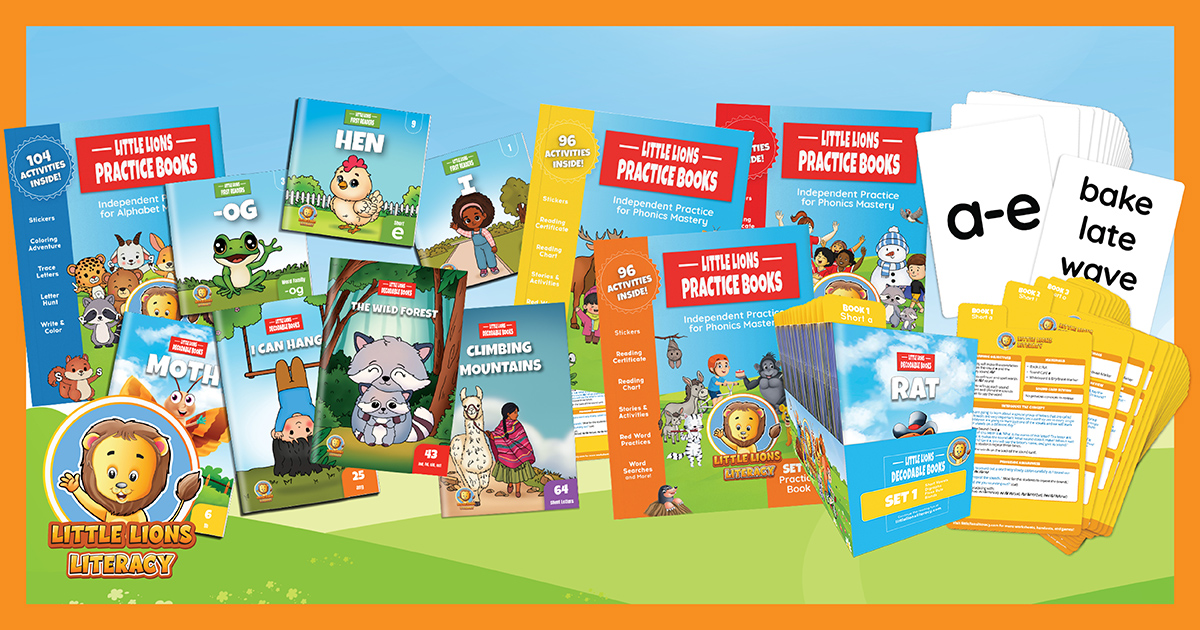
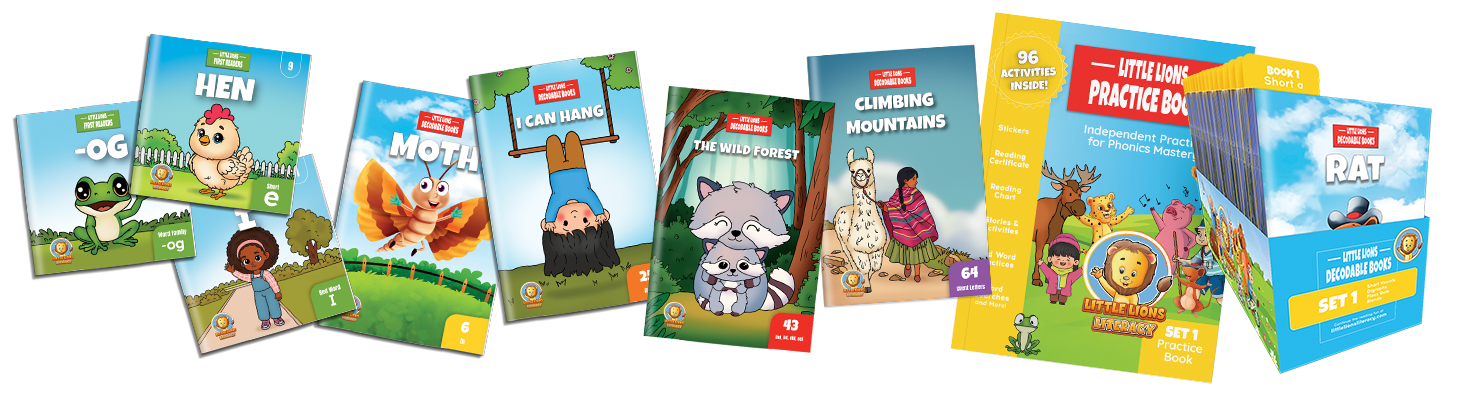
For children just starting to connect letters and sounds, you need books that are simple, supportive, and build confidence from the very first page. If you want a systematic approach, our Little Lions Literacy decodable book sets are designed for this exact stage. Each set follows a specific scope and sequence, introducing phonics skills one step at a time so your child feels successful. Another fantastic phonics-based option is BOB Books. They are well-known for their simplicity, using just a few letters and sounds in the first book and gradually adding more. For kids motivated by familiar faces, the Step Into Reading series is a great choice, as its Level 1 books feature popular characters and use simple, repetitive text.
Once your child has a handle on the basics, they’re ready for stories with more plot and character development. The Frog and Toad Collection by Arnold Lobel is a classic for a reason. These sweet, funny stories about friendship have slightly longer sentences and richer vocabulary, perfect for building reading stamina. The Henry and Mudge series by Cynthia Rylant is another favorite that kids adore. The adventures of a young boy and his huge dog are relatable and fun, and the predictable story structure helps developing readers feel successful. You also can’t go wrong with the gentle tales in the Little Bear books by Else Holmelund Minarik, which offer simple, heartwarming narratives that are just right for this stage.
When your child is reading more fluently, it’s time for books with more complex stories and even short chapters. The Mercy Watson series by Kate DiCamillo is hilarious and engaging, with full-color illustrations on every page that keep kids hooked on the adventures of a toast-loving pig. For a quieter but equally charming read, try the Mr. Putter & Tabby series, also by Cynthia Rylant. These books feature short chapters and tell gentle, funny stories about the friendship between an elderly man and his cat. If your reader still loves their favorite characters, Disney’s World of Reading series offers Level 3 books with more challenging plots and vocabulary, making it a great way to transition to longer stories.

When you’re browsing for books for your new reader, you’ll likely come across two main categories: decodable books and leveled readers. They might look similar, but they serve very different purposes in a child’s reading journey. Understanding the distinction is the key to picking the right book at the right time, which makes all the difference in building a confident, happy reader.
Decodable books are built around phonics skills, while leveled readers focus on overall story and comprehension using a controlled vocabulary. One isn’t better than the other; they are simply tools for different stages of development.
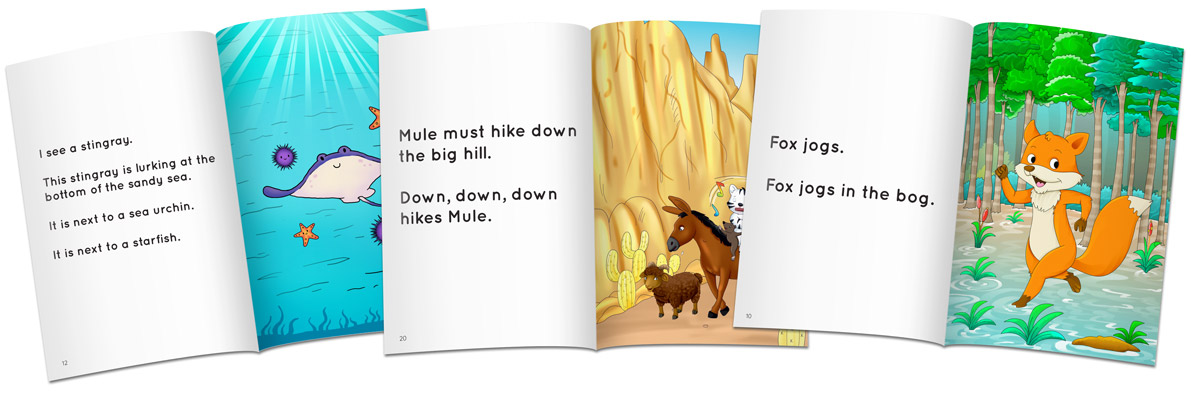
Think of decodable books as the perfect practice field for a new reader. These books are carefully written to include only the letter sounds and phonetic patterns your child has already been taught. For example, if your child has learned the sounds for s, a, t, p, i, and n, their decodable book will only use words made from those letters, like “sat,” “pin,” and “tan.”
This approach is incredibly effective because it allows children to use their new phonics knowledge immediately. Instead of guessing or relying on pictures, they can successfully sound out the words on the page. This direct application reinforces their skills and provides a huge confidence boost. Every page they read proves to them that they can do it, which is exactly how children learn to read successfully.
The best time to use decodable books is right at the beginning of the reading journey, when your child is actively learning letter sounds and how to blend them into words. They are the essential first step for building a strong phonics foundation. Once your child can decode simple words automatically and with confidence, they are likely ready to start exploring leveled readers.
Leveled readers are great for children who have a solid grasp of basic phonics. These books introduce a wider variety of words and more complex sentences. While still structured, their main goal is to build vocabulary and comprehension through engaging stories. Think of it as a progression: decodable books teach the mechanics of reading, and leveled readers help apply those mechanics to enjoy stories and become a fluent reader.
Building a home library for your new reader is such a special part of their journey, but it’s natural to wonder about the cost. The good news is that you don’t have to spend a fortune to find high-quality books that will get your child excited about reading. Prices can vary quite a bit, but understanding the options helps you find the best value for your family.
The price of an early reader book often depends on its format and whether you buy it individually or as part of a set. Single paperback books can range from a few dollars to over ten, while hardcover editions will naturally cost more. You can find some digital versions on platforms like Amazon for just a couple of dollars. However, the best value often comes from buying a complete collection. For example, our Little Lions Literacy decodable sets are designed to progress with your child, giving you a structured library of books for one price. This approach brings the per-book cost down significantly, making it an affordable way to build a strong reading foundation.
If you’re looking for a bargain, buying book sets is almost always the most cost-effective strategy. Beyond that, keep an eye out for sales from publishers who specialize in children’s literature. Companies like Scholastic often have promotions and book fairs that make it easy to stock up on favorites. Your local library is another fantastic resource, allowing your child to explore countless books for free. Don’t forget about second-hand bookstores or online parent groups where you can often find gently used book series. By combining these strategies, you can build a rich and diverse library that supports your child’s reading journey without stretching your budget.

Early reader books do more than just teach kids the basics; they lay the groundwork for a lifetime of learning and enjoyment. When a child picks up a book designed for their level, they aren’t just reading words on a page. They are building a complex set of skills that will support them in school and beyond. From mastering the sounds of letters to discovering the joy of a good story, these books are a critical step in their development. They provide the right amount of challenge to keep kids engaged without causing frustration, creating a positive cycle of success and motivation that turns “learning to read” into “loving to read.”
The first and most important step in reading is learning to connect letters with their sounds. This skill, known as phonics, is the foundation for decoding, or sounding out, unfamiliar words. Instead of relying on pictures or memorization, children learn a reliable system for tackling new text. Early reader books, especially decodable ones, are designed to support this process. They introduce phonetic patterns systematically, giving your child repeated practice with specific letter-sound relationships. This targeted approach helps them build a solid base, allowing them to read with greater accuracy and independence as they progress.
Every book a child reads introduces them to new words, ideas, and ways of seeing the world. Early readers present new vocabulary in simple, clear sentences, making it easier for kids to understand and remember. But the benefits go beyond words. The feeling a child gets from finishing a book all by themselves is a huge confidence builder. This sense of accomplishment is powerful and makes them eager to read more. To keep the momentum going, let your child have a say in what they read. When they get to choose their own books, they feel more invested and excited about the reading process.
Moving from simple phonics books to more complex stories can be a big leap. Early reader series are the perfect bridge for this transition. They offer a predictable structure and familiar characters, which helps children build reading fluency and stamina without feeling overwhelmed. These books provide just enough support to make kids feel successful while gradually introducing more complex sentences and plotlines. This steady progression helps children see themselves as capable readers, giving them the confidence they need to eventually pick up any book they want. It’s a crucial step in helping them become truly independent readers.
Bringing the right books home is a fantastic start, but creating a supportive environment is what truly helps a love of reading take root. Your encouragement and involvement can make all the difference in your child’s journey from sounding out letters to reading sentences with confidence. The goal is to make reading a positive and enjoyable part of your daily routine, not another task on the to-do list. Here are a few simple, effective ways to support your little reader at home, turning practice into a special time you can both look forward to.
A cozy reading nook can work wonders, but the most important part of the environment is choice. When you let your child pick the book, you give them a sense of ownership that makes them more excited to read. Keep a basket of age-appropriate books accessible, including fun decodable book sets that build skills alongside classic picture books. The key is to keep things low-pressure. If they want to read the same book for the tenth time or just flip through the pages, that’s perfectly fine. The aim is to build positive associations with books, creating a foundation of joy and curiosity that will last a lifetime.
Transforming reading time into a cherished ritual can make your child eager to practice. You can make reading feel special with a simple touch, like sipping hot cocoa, cuddling under a favorite blanket, or even building a pillow fort. Reading aloud to your child is also one of the most powerful things you can do. It models fluent reading, introduces new vocabulary, and shows them how enjoyable stories can be. By making reading a habit, you’re not just teaching a skill; you’re sharing an experience and creating warm memories centered around books.
When your child is learning to read, a little teamwork goes a long way. Try taking turns reading pages. This keeps the story flowing and gives your child a small break, which helps prevent frustration. During this guided practice, gently encourage them to sound out words rather than guessing from pictures. This phonics-based approach is the core of how decodable books work and is crucial for building strong decoding skills. Alongside this, allow for independent “reading” time where they can explore books on their own. This helps them build confidence and develop a personal connection with stories, paving the way for a lifelong love of reading.
It’s completely normal for kids to hit a few bumps on their reading journey. The key is to respond with patience and create a supportive space where they feel safe to learn and make mistakes. When challenges pop up, a few simple strategies can help you guide your child through them without adding any extra pressure.
When the wiggles and sighs start, it’s a sign to take a step back. First, give your child a sense of control by letting them choose the book. When they have a say, they’re much more invested. Next, find a quiet, cozy spot for reading time, away from screens and other distractions. Even 15-20 minutes in a calm setting can make a huge difference. You can also turn reading into a special ritual. Maybe it’s cuddling on the couch with a blanket or enjoying a favorite snack while you read. Creating a positive reading environment helps your child associate books with comfort and fun, not frustration.
If your child is struggling, the goal is to nurture their love for stories, not to drill them. One of the most powerful things you can do is simply read aloud to them often. Hearing you read with expression shows them how enjoyable reading can be and builds their vocabulary and understanding of story structure. When you do read together, make it interactive. Hold the book so they can see the pictures and point to interesting details. You can ask fun, low-pressure questions like, “What do you think will happen next?” This keeps them engaged and thinking about the story. The focus should always be on connection and enjoyment, which naturally builds their confidence over time.
You’ll likely notice a few key signs. If your child can recognize most letters of the alphabet and knows many of their corresponding sounds, that’s a great start. You might also see them showing more interest in the words on a page, pointing them out, or trying to “read” signs and labels. The most important signal is their own curiosity. If they are asking to try reading on their own, it’s the perfect time to introduce simple, phonics-based books.
Yes, this is completely normal and actually a wonderful sign. Rereading a favorite book helps children master the vocabulary and rhythm of the text, which builds their fluency and confidence. Each time they read it, they get a little faster and smoother, reinforcing the feeling of success. Think of it as their victory lap. It’s best to celebrate their enthusiasm and let them enjoy the comfort of a familiar story while you continue to offer new books as well.
This is a very common habit, especially for kids who are used to picture-heavy books. The best way to help is to gently guide their attention back to the words. You can use your finger to point to the word they are stuck on and say, “Let’s look at the letters here. What sound does this first letter make?” This encourages them to use their phonics skills instead of relying on context clues. Using decodable books is especially helpful for this, as they are designed to make sounding out words a successful strategy.
They are different tools for different stages of the reading journey. Decodable books are specifically designed for brand-new readers to practice the phonics skills they are actively learning. The words are carefully controlled so your child can sound them out successfully. Leveled readers are for children who already have a good phonics base. These books focus more on building vocabulary and story comprehension, using a wider range of words that may not all be phonetically regular.
Consistency is much more important than duration. Aim for about 15 to 20 minutes of focused reading time each day. However, the most important thing is to follow your child’s lead. If they are engaged and excited, you can certainly go longer. If they are getting tired or frustrated after ten minutes, it’s perfectly fine to stop. The goal is to make reading a positive and enjoyable daily habit, not a chore timed by a clock.