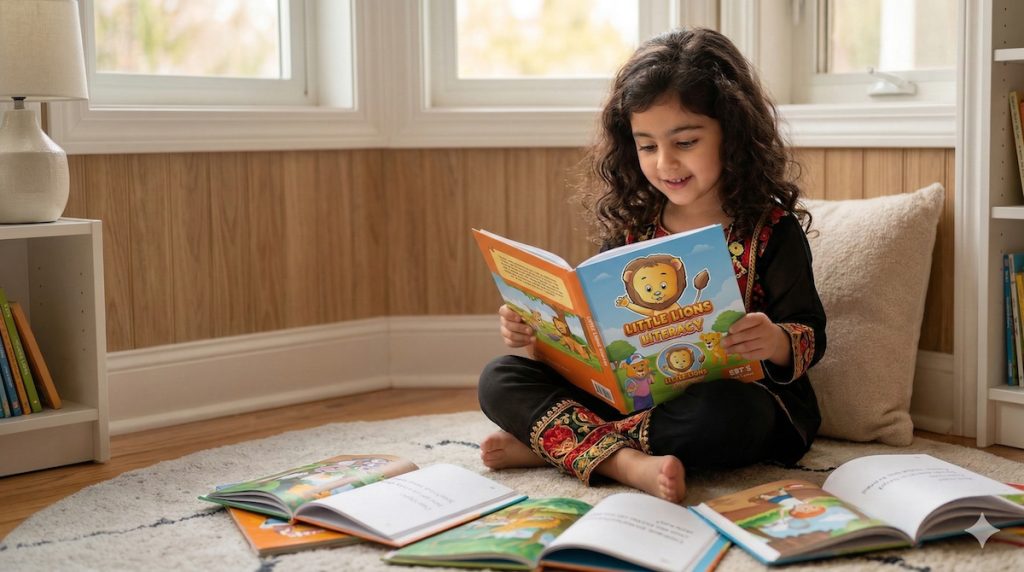
Think of a child’s reading journey as a path with several important stepping stones. They start with alphabet books, move on to picture books, and build foundational skills with decodable readers. The next stone on that path—and it’s a big one—is their first chapter book. This is where early reader chapter books come in. They are the perfect bridge from being read to toward reading independently. These books balance the narrative between words and pictures, with straightforward plots and relatable characters that keep kids engaged. They are expertly crafted to feel achievable, giving your child a powerful sense of accomplishment that fuels their desire to keep reading. Let’s explore what makes these books so effective and discover some of the best series available.
Think of early reader chapter books as the perfect bridge between picture books and longer novels. They are specifically designed for kids who are just starting to read independently, typically between the ages of five and nine. These books are a game-changer for building confidence and stamina.
You’ll recognize them by their short, manageable chapters, simple language, and frequent illustrations that help bring the story to life. The plots are straightforward and often episodic, meaning your child can read one chapter at a time without losing the thread of the story. This format makes reading feel less intimidating and more achievable. Popular series like Frog and Toad, Magic Tree House, and Mercy Watson are fantastic examples that help kids fall in love with reading on their own terms. They offer relatable characters and engaging stories that make kids feel proud of their newfound skills.
The biggest shift from picture books to early chapter books is the move from being read to toward reading independently. While picture books rely heavily on illustrations to tell the story with minimal text, early chapter books balance the load between words and pictures. They still have plenty of illustrations to provide context clues and break up the text, but the narrative is driven by the words. The chapters are short—often just a few pages long—which gives new readers a sense of accomplishment as they finish each one. This structure helps them build the focus and endurance needed for longer books down the road.
So, what separates an early chapter book from a middle-grade novel like Charlotte’s Web or The One and Only Ivan? The primary difference is complexity. Early chapter books feature simpler sentence structures, more basic vocabulary, and very direct plots. Middle-grade novels, aimed at readers aged 8 to 12, introduce more complex narratives, subplots, deeper character development, and more abstract themes. They also have significantly more text and far fewer illustrations. Understanding the different children’s book age groups helps you find the right fit for your child, ensuring the material is engaging without being overwhelming. Early chapter books are a crucial stepping stone that prepares them for these richer, more demanding stories.
While there’s no magic number on a birthday cake that signals a child is ready for chapter books, most kids make the leap somewhere between the ages of 6 and 8. More important than their age, however, is their developmental readiness. Early chapter books are designed for children who are just beginning to read independently and are ready to move from picture-heavy stories to longer narratives.
The biggest prerequisite for this transition is a strong phonics foundation. Before a child can comfortably follow a plot across multiple chapters, they need to be able to decode words with confidence. If they’re still struggling to sound out every other word, the effort will overshadow the story, leading to frustration instead of fun. This is why building skills with high-quality decodable books is such a critical first step. Once they master those foundational skills, they have the tools they need to tackle longer sentences and more complex stories.
So, how do you know if your young reader is ready? Look for these signs:
Ultimately, the goal is to find a book that is interesting, engaging, and at a level that builds their confidence. Choosing a book that is a “just right” fit is key to helping them develop a lifelong love of reading and see themselves as capable readers.
Once your child has a handle on phonics and can read simple sentences, the world of early chapter books opens up. These books are the perfect stepping stone from picture-heavy stories to longer novels, helping kids build reading stamina and confidence. They typically feature short chapters, simple sentence structures, and plenty of illustrations to support the text.
Finding the right series can turn a new reader into a lifelong book lover. The key is to find characters they connect with and stories that keep them turning the page. Below is a list of fantastic series, from foundational skill-builders to modern classics, that are perfect for kids who are ready to take the next step in their reading journey. We’ve broken them down to help you find the perfect fit for your young reader.
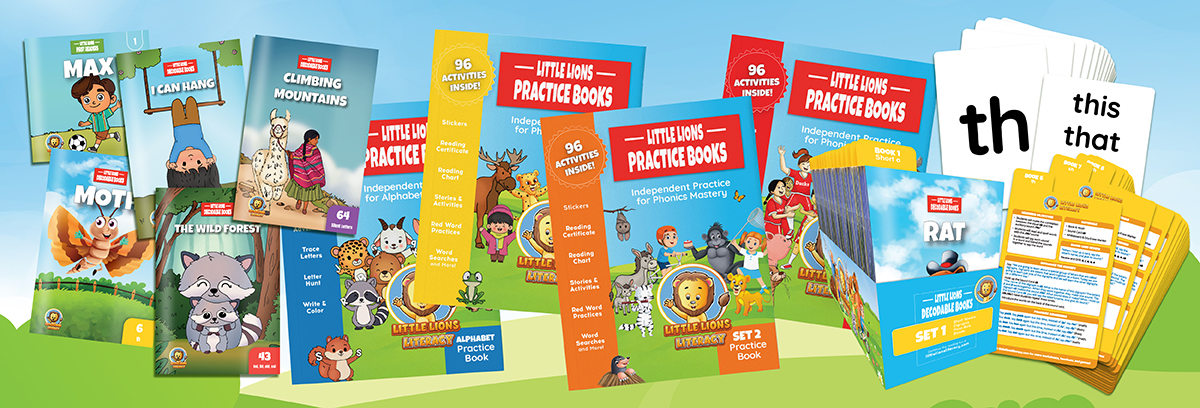
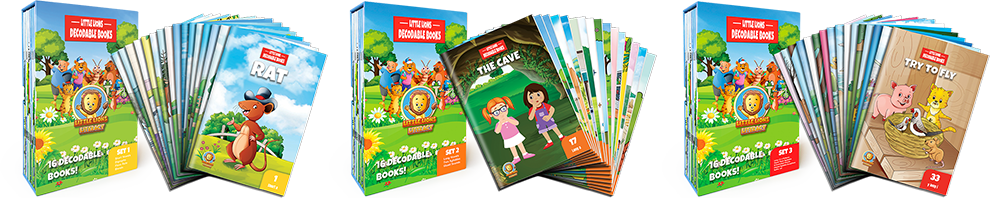
Before a child can confidently tackle a chapter book, they need a strong phonics foundation. That’s where decodable books come in. While not chapter books themselves, our Little Lions Literacy sets are the perfect runway to get them there. Each set is carefully designed to build skills progressively, introducing new letter sounds and patterns in a systematic way.

Think of them as a training ground for reading. By mastering one set, your child gains the skills and confidence needed for the next, ensuring they never feel overwhelmed. This structured approach helps them internalize phonics rules so they can eventually read more complex stories with ease. Completing these sets prepares them to successfully make the leap to the exciting world of chapter books.
Some stories are classics for a reason. Series like Arnold Lobel’s Frog and Toad and Cynthia Rylant’s Henry and Mudge have been cherished by generations of young readers. These books feature gentle, episodic stories centered on relatable themes like friendship, family, and simple adventures. The predictable text and heartwarming characters create a comforting reading experience that helps children build fluency and confidence.
These timeless tales offer a quiet charm that stands in contrast to many of the fast-paced stories popular today. They give children space to enjoy language and connect deeply with the characters. Introducing your child to these beloved classics is a wonderful way to share a piece of your own childhood while supporting their reading growth.
Today’s early chapter books are full of exciting, diverse, and imaginative stories that reflect the world kids live in. Series like The Princess in Black by Shannon and Dean Hale feature strong, clever protagonists who break stereotypes—in this case, a princess who is also a monster-fighting superhero. These books grab a child’s attention with action-packed plots and vibrant illustrations.
Modern series often blend humor with important lessons about problem-solving and empathy. For example, the Zoey and Sassafras series cleverly integrates scientific concepts into magical adventures. These contemporary stories show kids that reading is a fun and relevant activity, with characters and worlds that spark their curiosity and keep them eager for the next installment.
If your child is a bit hesitant about reading, a book filled with humor and mischief might be just the thing to win them over. Series like Kate DiCamillo’s Mercy Watson, about a pig who loves hot buttered toast, and Barbara Park’s hilarious Junie B. Jones are famous for making kids laugh out loud. The funny situations and quirky characters make reading feel less like work and more like fun.
These books often feature short chapters, lots of dialogue, and expressive illustrations that help carry the story. The fast-paced, engaging plots are perfect for holding the attention of kids who might otherwise get discouraged. For many reluctant readers, finding a series that makes them giggle is the key that opens the door to a love of reading.
When a child moves from simple decodable books to their first chapter book, it’s a huge milestone. But what exactly makes a series click for a young reader? It’s a special combination of ingredients that helps them feel successful and excited to turn the page. The best early chapter books don’t just tell a story; they build confidence, stamina, and a genuine love for reading. They serve as a crucial bridge, guiding kids from the structured support of phonics readers to the wide-open world of independent reading. These books are designed with the developing reader in mind, carefully balancing challenge with support to transform a child from someone who can read into someone who loves to read. Let’s look at the key elements that make these books so effective and beloved.
Kids connect with stories through characters they can relate to. The best early chapter books feature protagonists who feel like friends—whether they’re a mischievous first-grader, a loyal dog, or a pair of amphibian besties. When children see themselves in a character’s struggles and triumphs, they become invested in the story. This is why so many of these books are part of a series. Getting to know familiar characters over several adventures makes kids eager to pick up the next book. These episodic stories are perfect for building reading momentum and making your child feel like a true book lover.
A full-length novel can look pretty intimidating to a six-year-old. Early chapter books break the story down into bite-sized pieces. With just a few short chapters, kids get a wonderful sense of accomplishment each time they finish one. This structure helps them build reading stamina without feeling overwhelmed. The language is also carefully chosen to be accessible but still introduce new vocabulary. It’s a gentle step up from picture books, providing just enough of a challenge to help their skills grow. This predictable format gives new readers the confidence they need to tackle longer texts on their own.

Early chapter books are the perfect bridge from picture-heavy books to text-only novels. They typically feature illustrations on almost every page, which does more than just make the book look fun. These pictures provide important context clues, helping kids decode new words and better understand the plot. They also break up large blocks of text, making the page feel more approachable and keeping young readers visually engaged. This thoughtful balance of words and art in children’s books ensures the reading experience is supportive and enjoyable, encouraging them to keep going as the stories become more complex.
Walking into the children’s section of a bookstore can be both exciting and a little overwhelming. How do you find the one series that will click with your child? The good news is that finding the perfect book isn’t about a magic formula. It’s about knowing your reader and what makes them tick. By focusing on a few key areas, you can pick a series that not only fits their skills but also gets them excited to turn the page. These simple steps will help you find a story your child won’t want to put down.
The fastest way to get a child interested in reading is to give them a book about something they already love. When a story connects with their passions—whether it’s dinosaurs, friendship, or silly adventures—it feels less like work and more like fun. The right books can help kids feel more confident in their reading skills and spark their imagination. Pay attention to the topics they gravitate toward in conversations and playtime. Involving them in the choice by looking at covers and reading summaries together also gives them a sense of ownership and excitement for their new book.
The goal is to find a book that offers a comfortable challenge—not one that causes frustration. Early reader chapter books are designed to help children move from picture books to longer novels, typically featuring short chapters, simple sentences, and plenty of pictures. Before they make that leap, it’s important they have a solid phonics foundation. Decodable book sets, like the ones we offer at Little Lions Literacy, are structured to build those core skills step-by-step, ensuring your child feels successful and ready for whatever story comes next.
Reading doesn’t have to be a solo activity. Creating a supportive and fun environment around books can make all the difference. A series with familiar characters makes it easier for young readers because they don’t have to learn new names and personalities in every book; it feels like visiting old friends. Reading a chapter book series aloud together, even after they can read on their own, is a wonderful way to model fluency and tackle trickier words. It turns reading into a shared experience and shows them that stories are something to be enjoyed together.
Early reader chapter books do more than just tell a good story—they are specifically designed to support children as they transition from having books read to them to reading independently. Each element, from the chapter length to the illustrations, plays a crucial role in developing the skills and confidence a child needs to become a strong reader. By providing a bridge between simple picture books and more complex novels, these books set the stage for a lifelong relationship with reading. They offer a perfect blend of support and challenge that keeps kids engaged and eager to turn the page.
For a new reader, a thick novel can feel overwhelming. Early chapter books break the story down into short, manageable chapters, giving kids a sense of accomplishment each time they finish one. This structure helps build reading stamina without causing fatigue or frustration. The simple, repetitive language and sentence structures allow children to practice their decoding skills on familiar ground, which reinforces what they’ve learned. Every chapter they complete and every book they finish is a major win that proves they can do it, building the confidence they need to tackle more challenging texts down the road.
In an early chapter book, the pictures are doing some heavy lifting. Far from being just decoration, illustrations on nearly every page provide essential support for emerging readers. When a child encounters a new or tricky word, they can look at the picture for clues about its meaning. These visual aids help them understand the story, follow the plot, and make sense of the action without needing to stop and ask for help. This visual support makes the reading experience less intimidating and empowers kids to work through challenges on their own, strengthening their comprehension skills in the process.
One of the best things about a book series is the comfort of familiarity. When kids pick up the next book in a series, they already know the main characters, their personalities, and the world they live in. This familiarity is a huge advantage for early readers. Instead of spending mental energy getting to know a new cast of characters, they can focus all their attention on reading the words and following the story. This allows them to practice their fluency and comprehension skills more effectively. Plus, kids often form a real bond with their favorite characters, which keeps them excited to see what happens next.
Ultimately, the goal is to help children discover that reading is fun. Early chapter books are often packed with humor, adventure, and relatable situations that capture a child’s imagination. When a story makes them laugh or keeps them on the edge of their seat, reading stops feeling like a chore and starts feeling like a treat. By connecting reading with positive emotions and exciting stories, these books help children develop an intrinsic motivation to read. This spark is what turns a child who is learning to read into a child who loves to read, creating a habit that will benefit them for the rest of their lives.
Talk to any parent or teacher of a new reader, and you’ll hear a shared goal: to see that child’s face light up with the confidence that comes from reading on their own. Early reader chapter books are consistently praised as a pivotal tool in making that happen. They serve as the perfect bridge, helping kids make the exciting leap from picture-heavy stories to longer novels.
One of the most common points of feedback is how these books are structured for success. The short, manageable chapters prevent young readers from feeling overwhelmed, while the frequent illustrations provide helpful context clues and break up the text. This thoughtful format helps build reading confidence and transforms reading from a challenge into a rewarding experience. Finishing that first chapter book is a huge milestone that can spark a lifelong love of stories.
Educators often highlight the power of a good series. When children get attached to a set of familiar characters, they’re eager to follow them on their next adventure. This built-in motivation is fantastic for keeping them engaged as their skills grow. Instead of having to learn a new world and cast with every book, they can jump right into the story. This consistency makes it easier for them to focus on decoding words and understanding the plot, turning reading into a genuine pleasure.
Building a library of books your child loves is exciting, but the cost can add up quickly. The good news is you don’t have to pay full price to fill your shelves. With a little planning, you can find fantastic deals on early chapter books, making it easy to keep a steady supply of fresh reading material on hand for your eager reader.
Whether you’re stocking a classroom or just your child’s nightstand, these resources can help you find affordable books that will keep them turning the pages.
If you’re an educator, many online retailers offer special programs to make books more accessible. For example, the Scholastic Teacher Store provides a discount of at least 25% on books and other materials for your classroom. It’s a great way to get popular series and new releases without stretching your budget.
For parents, keep an eye out for sales at major online bookstores and consider buying book sets instead of individual titles, which often brings down the cost per book. Signing up for newsletters from your favorite publishers can also alert you to special promotions and discounts.
Never underestimate the power of your local library! It’s a treasure trove of early chapter books, and it’s completely free. Getting your child their own library card can be a wonderful rite of passage, giving them the freedom to explore the shelves and discover new authors and series on their own. Libraries are perfect for trying out a book before you commit to buying it.
You can also organize a book swap with friends, neighbors, or other families from school. It’s a fun, no-cost way to refresh your child’s reading options while connecting with your community. Everyone brings a few gently used books their kids have outgrown and goes home with new-to-them stories to enjoy.
Think of it like learning to play an instrument. Decodable books are like practicing your scales—they are specifically designed to help your child master foundational phonics skills in a structured way. Early chapter books are like playing your first real song. They use those skills to tell a longer, more engaging story, focusing on plot and character to build reading stamina and a love for stories.
First, know that this is completely normal. Frustration is often a sign that the gap between their phonics skills and the book’s demands is a little too wide. I suggest taking the pressure off by reading the chapter book aloud to them so they can still enjoy the story. At the same time, you can go back to decodable books to strengthen their skills and build up the confidence they need to try again on their own later.
A great tool is the “five-finger rule.” Have your child read one page of the book aloud. If they stumble over five or more words on that single page, the book is likely too challenging for them to read independently right now. It might be a perfect choice for you to read together, but for solo reading, you want a book where they feel successful and confident.
Absolutely! Reading aloud, even after your child is an independent reader, is incredibly valuable. It allows you to introduce them to more complex stories and richer vocabulary than they could handle on their own. More importantly, it keeps reading a shared, enjoyable activity and strengthens your connection. It models that reading is a lifelong pleasure, not just a skill to be mastered.
That is perfectly okay. The goal isn’t to get your child to love a specific book; it’s to help them love reading. If a popular series doesn’t click, don’t force it. Follow their lead and explore other options. Maybe they’d prefer a funny graphic novel, a non-fiction book about sharks, or a quieter story about friendship. Honoring their unique interests is the surest way to help them become a lifelong reader.