For a new reader, confidence is everything. The moment they realize they can sound out words and read a sentence all by themselves is pure magic. But tricky letter combinations can sometimes shake that confidence. That’s where the right resources become so important. A great digraph sh books does more than just teach a phonics rule; it shows a child that they can tackle new challenges. By providing simple, decodable stories focused on the ‘sh’ sound, these books give kids a safe space to practice and succeed, reinforcing the powerful and motivating idea that they are, in fact, real readers.
If you’ve started exploring phonics with your child, you’ve probably come across the term “digraph.” It might sound technical, but the idea is simple. ‘Sh’ digraph books are reading materials specifically created to help children master the sound made when the letters ‘s’ and ‘h’ team up. These books are a fantastic tool for early readers because they isolate and repeat this common sound in fun, engaging stories, making the learning process feel natural and rewarding. They move beyond single letter sounds and introduce the idea that letters can work together to make entirely new sounds, a foundational concept in learning to read.
So, what exactly is a digraph? It’s just a term for two letters that come together to make a single sound. When your child sees the letters ‘s’ and ‘h’ next to each other in a word like ‘ship’ or ‘shop,’ they don’t say the ‘s’ sound and then the ‘h’ sound. Instead, they make the quiet ‘shhh’ sound. This is one of the first consonant digraphs kids learn. Mastering this concept helps them decode a huge number of new words and builds their confidence as they realize they can tackle more complex letter combinations. It’s a lightbulb moment for many young readers!
Digraph books do more than just teach the ‘sh’ sound; they reinforce a child’s overall phonics foundation. By focusing on a specific sound within the context of a story, these books help children see how letters and sounds work in real words. This contextual learning is much more effective than just memorizing rules. Many ‘sh’ books also weave in other common digraphs like ‘ch’ and ‘th,’ providing a well-rounded practice session. As children read stories about a ‘ship’ in a ‘shell’ shop, they aren’t just practicing one skill—they are strengthening their ability to decode words, building vocabulary, and improving their reading comprehension all at once. This targeted approach helps solidify their phonics skills and prepares them for more advanced reading.
When your child is ready to move beyond single letter sounds, ‘sh’ digraph books are the perfect next step. These books aren’t just random stories; they are specific tools designed to teach a foundational phonics skill in a way that feels natural and fun. By focusing on words that share the ‘sh’ sound, they provide the targeted practice young readers need to build confidence and fluency. Introducing these books at the right time can make a significant difference in how easily your child grasps this new concept and continues on their reading journey.
Before kids can read words like “ship” or “shop,” they need to understand that the letters ‘s’ and ‘h’ team up to make a brand-new sound. This is a huge leap in their phonemic awareness. Teaching consonant digraphs is essential once students have a solid grasp of their consonant and short vowel sounds. This foundational knowledge allows them to recognize that two letters can create a single sound, which is a critical skill for reading development. ‘Sh’ digraph books isolate this skill, giving your child repeated exposure in a simple, story-based context that helps the rule stick.
Let’s be honest: phonics practice can sometimes feel like a chore. That’s where a great story comes in. The best digraph books are carefully designed tools that make tricky concepts click. They guide your child through the learning process in an engaging way, making the experience of learning to read enjoyable. When a child is wrapped up in a fun story about a fish in a shell or a sheep on a ship, they’re learning without even realizing it. This positive association with reading builds their confidence and encourages them to pick up a book again and again.
For a child who finds reading challenging, encountering too many unfamiliar words can be discouraging. Digraph decodable books are invaluable for teachers and parents who want to help children master phonics. Because these books primarily use words with the ‘sh’ sound alongside other words the child already knows, they provide a safe and supportive reading experience. This structure allows kids to practice reading and spelling words with digraphs in the context of a complete story, which helps them build both their skills and their self-esteem as new readers.
When you’re searching for the right ‘sh’ digraph book, it’s easy to feel overwhelmed by all the options. But a great decodable book has a few key ingredients that set it apart. It’s not just about having the ‘sh’ sound on the page; it’s about creating an experience that builds skills, confidence, and a genuine love for reading. By looking for these specific features, you can find a book that truly supports your child’s learning journey and makes them feel like a successful reader from the very first page.
A picture really is worth a thousand words, especially for a new reader. The right illustrations do more than just decorate the page—they draw a child into the story, provide context clues, and make the entire experience more joyful. Look for books with vibrant, clear, and expressive pictures. Soft watercolors, bold graphics, and whimsical, cartoon-style illustrations are especially effective at capturing a young child’s imagination. When the art is fun and compelling, your child will be excited to turn the page and see what happens next, keeping them motivated as they sound out new words.
The magic of a decodable book is that your child can actually read it independently. A quality ‘sh’ digraph book should be truly decodable, meaning it only uses letter sounds and phonics rules your child has already been taught, plus the new ‘sh’ sound. The sentences should be short and simple, focusing on the target skill without introducing other complex patterns that could cause frustration. This careful construction allows your child to practice the ‘sh’ sound in a controlled, supportive context. It’s how they build fluency and, most importantly, the confidence that they are a reader.
Learning to read is a step-by-step process, and each skill builds on the last. A good ‘sh’ digraph book should fit neatly into a logical phonics sequence. Typically, children are ready to learn consonant digraphs once they have a solid grasp of individual consonant and short vowel sounds. The best decodable book sets follow this progression, introducing one new skill at a time. This ensures you’re giving your child the right challenge at the right time, reinforcing what they know while gently introducing new concepts. This structure prevents gaps in their learning and creates a smooth path toward reading proficiency.
Reading the story is just the beginning. The best ‘sh’ digraph resources extend the learning with fun, hands-on activities that help the new skill stick. Look for books or book sets that include extra elements to reinforce the ‘sh’ sound. This could be a few simple comprehension questions at the end of the story to check for understanding. It might also include accompanying worksheets, games, or flashcards for word work and fluency practice. These interactive components transform a simple reading session into a rich, multi-sensory learning experience that makes phonics feel like play.
Finding the right books to teach the ‘sh’ sound can feel like searching for a needle in a haystack. You want something engaging, effective, and truly decodable. To make it easier, I’ve put together a list of my top picks. These books are fantastic tools for helping young readers master the ‘sh’ digraph, whether they’re just starting out or need a little extra practice. From structured sets to interactive stories, there’s something here for every little learner.
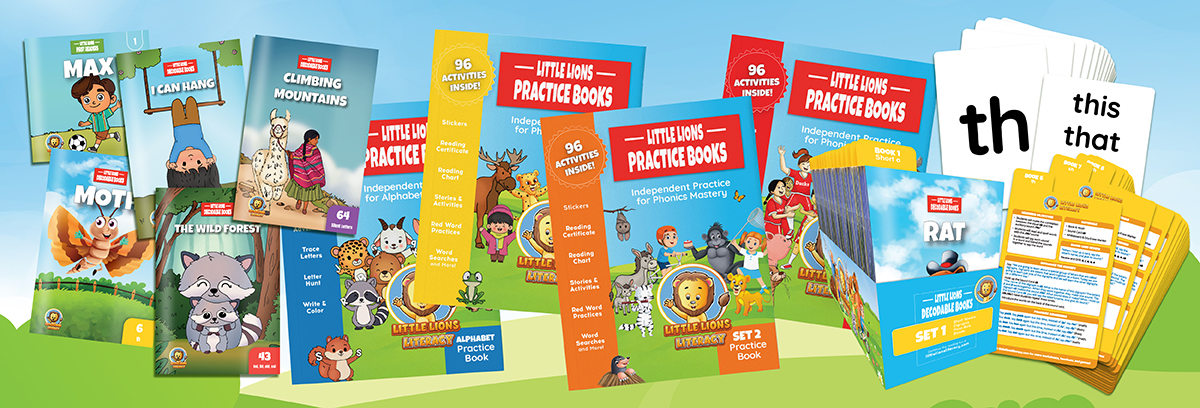
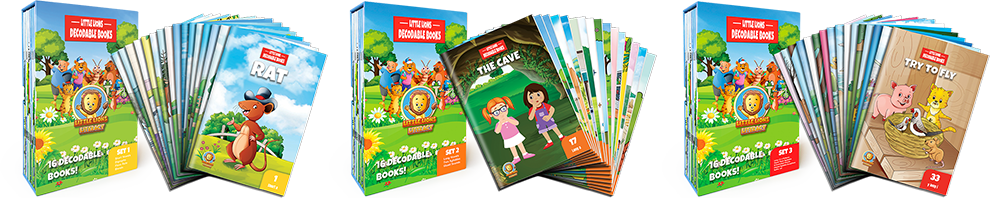
The best digraph books are more than just stories; they are carefully designed tools that make tricky concepts click. That’s exactly what you get with Little Lions Literacy’s decodable sets. These books are built on a clear scope and sequence, ensuring that your child is never asked to read a sound they haven’t learned yet. The ‘sh’ stories are woven into their progressive sets, allowing children to build confidence as they go. They guide your child through the learning process with simple, engaging plots and illustrations that support the text without giving away the words. It’s a thoughtful approach that truly works.
If you’re looking for a comprehensive package, the Digraph Decodable Books and Workbook Set from Whole Phonics™ is a fantastic choice. This collection is specifically designed to help children learn digraphs like ‘sh’ and ‘ch’ through a series of 15 colorful, engaging books. What makes this set stand out is that the books are simple enough for kids to read on their own, which is a huge confidence builder. The accompanying workbook provides extra practice to help solidify their new skills, making this an excellent all-in-one resource for both parents and teachers looking to support independent reading.
Ready Reader Decodables offers a structured approach that many educators and parents appreciate. Their Set 2 decodable readers feature stories that focus on digraphs like sh, ch, and th. The emphasis here is on creating engaging narratives that are completely decodable, which helps young readers master these sound combinations without frustration. By providing stories that kids actually want to read, they make the learning process feel less like a lesson and more like an adventure. This focus on story makes them a great option for children who need a little extra motivation to pick up a book.
For kids who learn best by doing, interactive books can be a game-changer. These books go beyond simple text and incorporate hands-on elements to reinforce learning. You can find wonderful interactive phonics blending books that include activities like matching games, fill-in-the-blanks, or even lift-the-flap features. This multi-sensory approach helps solidify the connection between the ‘sh’ letters and their sound in a fun, memorable way. They are perfect for keeping easily distracted learners engaged and for making practice feel like playtime.
Figuring out the right time to introduce ‘sh’ digraph books can feel like a puzzle, but it’s simpler than you think. There isn’t a magic age, but rather a “right stage” in your child’s reading journey. Before a child can tackle two letters that make one sound, they first need a strong handle on the idea that one letter makes one sound. This means they should be comfortable with their individual consonant and short vowel sounds. Once that foundation is solid, they’re ready for the next step. The following guidelines can help you pinpoint when your young reader might be ready to start exploring the ‘sh’ sound.
For little ones around ages 4 and 5, you can begin to gently introduce the ‘sh’ sound, especially if they’ve already mastered their basic letter sounds. Think of this stage as planting a seed. The goal isn’t immediate mastery but rather fun exposure. You can point out the ‘sh’ sound in words you say, like ‘shoe’ or ‘sheep.’ Some advanced kindergarteners might also be ready for this step by the end of the school year. The key is to follow your child’s lead and keep the learning playful and pressure-free. A great phonics curriculum will always build these skills sequentially, ensuring a child is ready for each new concept.
Kindergarten and first grade are the prime time for focusing on digraphs. At this stage, ages 5 to 7, children are moving beyond single letter sounds and are ready to understand how letter teams work together. This is when ‘sh’ digraph books become an essential tool in your reading toolkit. Teachers typically introduce common digraphs one at a time, and ‘sh’ is often one of the first. Using decodable books that specifically feature the ‘sh’ sound allows children to practice this new skill in a controlled and supportive way, building their confidence with every page they read. It helps them connect the phonics lesson to the act of actually reading a story.
By second grade, many children have a good handle on digraphs. However, it’s a crucial time for reinforcement, especially for students who might need a little extra practice. As words get longer and more complex (think ‘sunshine’ or ‘friendship’), a solid understanding of digraphs is essential for decoding them successfully. If you notice a second grader struggling, returning to ‘sh’ digraph books can be an incredibly effective strategy. These books provide targeted practice that can help fill in any gaps, build fluency, and restore confidence. It’s a simple way to ensure these foundational skills are secure before they move on to even more advanced reading concepts.
Once you have a great ‘sh’ digraph book, the next step is to bring it to life for your young reader. It’s not just about reading the words on the page; it’s about creating an experience that makes the ‘sh’ sound stick. Whether you’re a parent snuggled on the couch or a teacher leading a small group, a few simple strategies can make a world of difference. The goal is to make learning feel like play, building a positive connection with reading that will last a lifetime. These tips will help you turn reading time into a powerful and fun learning opportunity.
At home, you can make reading ‘sh’ books a special and effective part of your routine. Before you start, flip through the book and point out the letters ‘s’ and ‘h’ together. Say the /sh/ sound out loud and have your child repeat it. As you read, trace the letters with your finger every time you see the ‘sh’ digraph. Many decodable books on digraphs use predictable text, which helps your child anticipate words and builds their confidence. After reading, go on a “sound hunt” around the house. How many things can you find that have the ‘sh’ sound? A shirt, shoes, or even the instruction to “shhh!” can become a fun learning moment.
In a classroom setting, a structured approach helps students master digraphs without feeling overwhelmed. It’s best to focus on one digraph at a time to help students build confidence before moving on to the next. You can introduce the ‘sh’ sound with a visual aid, like a picture of a shell or a ship. Use interactive activities to keep students engaged. For example, have them write the ‘sh’ digraph in the air, on a whiteboard, or in a sand tray. When reading in small groups, have each student find and highlight the ‘sh’ words in their book. This hands-on practice helps solidify their understanding and makes the learning process more active and memorable.
Extend the learning beyond the book by creating your own simple activities. Many digraph books include comprehension questions at the end, which are a great starting point. You can also use the story’s characters and themes to inspire fun, hands-on practice. For example, if the book is about a fish in a shop, have your child draw a picture of the story and label all the ‘sh’ words. You could also create simple flashcards with ‘sh’ words from the book (ship, fish, shell) and play a matching game. These custom practice activities don’t have to be complicated—the goal is to reinforce the ‘sh’ sound in a playful, low-pressure way.
Once you know what to look for, finding great ‘sh’ digraph books is the next step. The good news is there are tons of fantastic resources available, whether you prefer physical books for your home library or digital downloads for your classroom. Here are a few of my favorite places to find high-quality, truly decodable books that will get your little reader excited about mastering the ‘sh’ sound.
For parents and teachers who want high-quality physical books, dedicated online education stores are your best bet. Charge Mommy Books offers a wonderful Stage 3: Digraph Decodable Reader Set that includes engaging stories to help kids master sound combinations like ‘sh,’ ‘ch,’ and ‘th.’ Another fantastic option is the Sh Decodable Book Set from Whole Phonics. This set features three vibrant, fun stories tailored specifically to help early readers practice and gain confidence with the ‘sh’ digraph. Both of these options are designed with young learners in mind, making them perfect additions to your phonics toolkit.
Teachers Pay Teachers is a treasure trove for digital and printable resources, often created by teachers for teachers. You can find some excellent ‘sh’ digraph materials here. For example, these Consonant Digraph Blending Books are designed to support early readers with interactive phonics activities that make learning digraphs feel like a game. If you’re looking for a budget-friendly option, this set of Emergent Readers for Digraphs offers five predictable books perfect for brand-new readers. They are a simple, effective way to introduce essential phonics skills without a big investment.
If you’re stocking a classroom or just building a robust home library, always look for volume discounts. Many sellers offer savings when you buy multiple sets. For instance, Charge Mommy Books has a great deal where you can save 10% or more when you buy at least two sets. It’s a simple way to get more for your money. You can also find low-prep bundles, like the Decodable Reader Pack from Informed Literacy, which are perfect for Kindergarten and First Grade readers. Buying in packs or bundles is often more cost-effective than purchasing individual books.
When you’re choosing resources for your child or students, hearing from others who have been in your shoes can make all the difference. Parents and educators consistently find that digraph books are a game-changer for early literacy. They aren’t just another book on the shelf; they are carefully designed tools that help tricky phonics concepts finally click for young readers. Let’s look at what fellow parents and teachers have to say about the benefits, the most effective features, and why decodable books are their top choice for teaching the ‘sh’ sound.
One of the biggest wins you’ll see with ‘sh’ digraph books is the confidence they build. When kids encounter a new sound combination, it can feel like a huge hurdle. But books that focus specifically on these sounds give them the targeted practice they need to succeed. As one resource notes, digraph decodable readers are perfect for helping young readers master new sound combinations like ‘sh,’ ‘ch,’ and ‘th.’ This focused approach turns a potentially frustrating experience into a moment of achievement. By isolating the skill, children can practice until they feel comfortable, which makes them more willing and excited to tackle the next reading challenge.
So, what makes a digraph book truly effective? Teachers often point to interactive elements that get kids actively involved in the reading process. Features like blending exercises, where children sound out letters before reading the full word, are incredibly helpful. These interactive phonics blending books support early readers by making the connection between sounds and letters tangible. Another feature that both parents and teachers love is a low-prep design. When a book is ready to use right away without needing extra materials or complicated instructions, it’s much easier to fit into a busy day. This simplicity ensures that the focus stays on the child and their learning.
The decodable format is key to helping children feel successful. Unlike other books that might include words a child hasn’t learned yet, every word in a decodable book is readable using the phonics skills they already have. This predictability is powerful. When children can sound out every word on the page, they feel a huge sense of pride and accomplishment. The best part is that good digraph decodable books still tell complete, engaging stories, which helps with reading comprehension. This proves to kids that they can read “real” stories all by themselves, which is one of the most motivating feelings for a new reader.
What’s the difference between a digraph like ‘sh’ and a blend like ‘st’? This is a great question because it gets to the heart of how sounds work. A digraph is a team of two letters that create a single, brand-new sound. For example, ‘s’ and ‘h’ stop making their own sounds and instead make the ‘shhh’ sound together. A blend is different; it’s two letters that are neighbors, and while you say them quickly, you can still hear each of their individual sounds, like the /s/ and /t/ in ‘stop’.
My child knows their letter sounds but is struggling with ‘sh’ books. What should I do? First, know that this is completely normal. Moving from single letter sounds to digraphs is a big conceptual leap for a child. The best thing to do is take the pressure off. Go back and make sure they are absolutely solid on their short vowel sounds, as those are the building blocks for these new words. You can also turn it into a game by hunting for ‘sh’ sounds in spoken words around the house before trying to read them in a book again.
Is there a specific order I should teach the digraphs, like ‘sh’ before ‘ch’? While there isn’t one single rule set in stone, most phonics programs introduce the most common digraphs first. The sounds ‘sh,’ ‘ch,’ and ‘th’ are often taught early on because they appear so frequently in words kids use every day. The most important strategy is to focus on mastering one digraph at a time before you introduce the next one. This prevents confusion and helps your child build confidence with each new skill.
How can I tell if a book is truly decodable before I buy it? A truly decodable book will only use letter-sound patterns that your child has already been taught. The easiest way to check is to look for a sample page online or read the product description. Reputable publishers, like Little Lions Literacy, will often state that their books follow a specific scope and sequence. This ensures your child won’t encounter words with tricky patterns they haven’t learned yet, setting them up for a successful reading experience.
Are digraph books only for children who are struggling with reading? Not at all! Think of them as a foundational tool for every single early reader. These books teach phonics skills in a systematic, logical order, which helps prevent reading gaps from forming in the first place. By giving all children this focused practice, you are building a strong, solid foundation that will help them decode more complex words with ease later on.