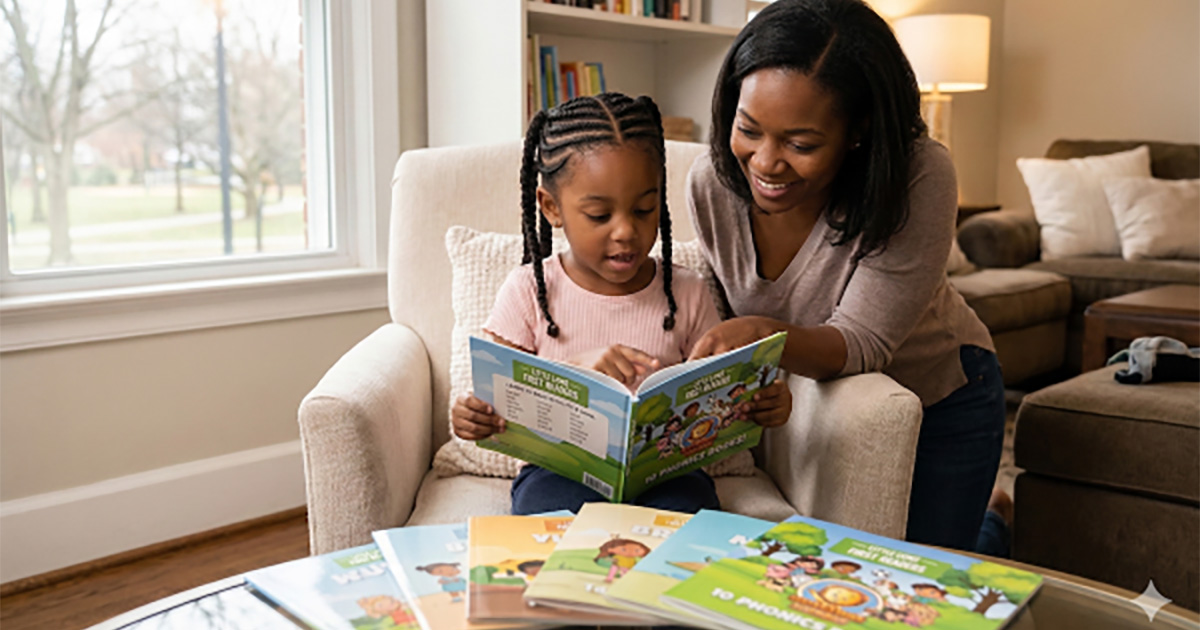
Watching your child learn to read is an incredible experience, but it can also come with moments of frustration. When a child struggles to sound out a word or feels discouraged, it’s natural to wonder if you’re using the right approach. Often, the solution lies in the books themselves. Choosing the right tool for their specific stage of development can change everything. This is why understanding the decodable vs leveled readers distinction is so critical. One is designed for practice and skill-building, while the other can encourage guessing. This article will guide you through the differences so you can provide targeted support that builds confidence, not frustration.
If you’re just starting this reading adventure with your child, you’ve probably come across the term “decodable readers.” So, what exactly are they? In short, decodable books are stories written specifically for new readers. They are thoughtfully designed to include words made up of the letter sounds and spelling patterns your child has already been taught in their phonics lessons. You can think of them as the perfect bridge connecting the skill of knowing letter sounds to the magic of reading a full sentence.
The main goal of a decodable book is to give your child a chance to practice their phonics skills. Instead of encouraging them to guess a word based on a picture or the first letter, these books empower them to sound out, or “decode,” the words on the page. For example, if your child has learned the sounds for the letters s, a, t, p, i, and n, their decodable book will be filled with words like “sat,” “pin,” “tap,” and “sit.” The text is controlled and predictable, which is exactly what a new reader needs to feel successful. This intentional design helps them build a strong foundation and a positive attitude toward reading right from the beginning. It shows them that reading isn’t a mystery to be solved, but a code they have the tools to crack.
The magic of decodable readers is how perfectly they pair with phonics instruction. They give children an immediate opportunity to practice what they’ve just been taught. For example, if your child learns the “ch” sound in a lesson, they can then pick up a decodable book and find words like “chip,” “chat,” and “much.” This immediate application is powerful. It reinforces the connection between letters and sounds, helping to cement that knowledge in their long-term memory. This practice is what helps children move from slowly sounding out words to recognizing them automatically. Decodable texts are a key tool for building this automaticity and fluency.
A book isn’t decodable just because it has simple words. What truly makes a text decodable is that it follows a systematic progression of skills, often called a scope and sequence. This means the books are organized in a specific order, introducing new letter-sound patterns one by one. A child won’t be asked to read a word with a spelling pattern they haven’t been taught yet. This structure ensures they are always set up for success. When looking for decodable books, you want to find a series that provides this intentional and frequent practice so your child can build their skills cumulatively, book after book.

If you’ve ever noticed a small letter or number on the back of a book from your child’s school, you’ve likely encountered a leveled reader. These books are sorted into different levels of difficulty, often using a system of letters (like A-Z) or numbers. Unlike decodable books that focus on specific phonics skills, leveled readers are organized based on a broader set of characteristics to create a gradient of difficulty. The core idea is to provide a child with a “just right” book that isn’t too easy or too hard, helping them feel successful as they read.
The main goal of a leveled reading system is to match a child with books that fit their current reading ability. The thinking is that if a book is at the right level, a child can read it with a high degree of accuracy and understanding, which helps build confidence and enjoyment. Teachers often use assessments to determine a child’s reading level and then guide them to the corresponding basket of books in the classroom library. This approach aims to provide a smooth ramp of increasing difficulty, gradually introducing more complex stories and vocabulary as the child’s overall reading comprehension develops.
A book’s level isn’t determined by just one factor. Instead, systems like Fountas & Pinnell look at a combination of features. These include things like sentence length, the complexity of the plot, the number of new or challenging vocabulary words, and how much support the pictures give to the story. For example, an early-level book might have one short, predictable sentence per page with a picture that clearly shows the action. A book at a higher level will have longer sentences, more complex ideas, and illustrations that add to the story rather than just defining it.
When you place a decodable reader and a leveled reader side by side, they might look similar. Both are simple books for new readers, but the philosophy behind how they teach reading is fundamentally different. Understanding these distinctions will help you choose the right tools to support your child at each stage of their journey. The main differences come down to the words they use, the skills they focus on, and how the stories get more challenging over time.
The most significant difference lies in the words chosen for the story. Decodable texts are carefully constructed. They primarily use words that a child can sound out using the letter-sound relationships they have already been taught. For example, if a child has learned the sounds for s, a, t, p, i, and n, their decodable book will feature words like “sat,” “pin,” “pat,” and “tin.” This controlled vocabulary gives children a chance to practice their new phonics skills and build confidence. Leveled readers, on the other hand, prioritize telling a story with a natural flow. They often include words that a child hasn’t learned to decode yet, encouraging them to use pictures or context to guess the word.
Because of their different approaches to vocabulary, these two types of books have different primary goals. The main focus of a decodable reader is to help a child practice decoding. These books allow students to apply the specific phonics skills they are learning in a real reading context. Research from the Science of Reading shows that strong word recognition is essential for becoming a skilled reader. Leveled readers often focus more on overall comprehension from the start. They encourage children to use various strategies, like looking at the first letter or using picture clues, to figure out words. While comprehension is the ultimate goal of all reading, decodable books build the foundation of decoding that makes true comprehension possible.
The path a child takes through a series of decodable books is very systematic. The books start simple and gradually become more complex as the child learns more letter sounds and phonics rules. For instance, a child will master books with short vowel sounds before moving on to books with long vowel patterns. This structure ensures they are never asked to read something they haven’t been taught how to approach. Leveled reading systems organize books based on a broader set of criteria, such as sentence length, complexity of ideas, and the number of new words. A child moves up a level when they show they can handle these more complex features, but the progression isn’t tied directly to specific phonics instruction.
Knowing when to hand your child a decodable book versus a leveled reader can make a huge difference in their reading journey. It’s not about which type of book is better overall, but which one is the right tool for your child’s current stage of development. Using the right book at the right time helps build skills systematically, prevents frustration, and keeps reading fun. Let’s look at the ideal moments for each.
Decodable readers are the perfect starting point for children just beginning to read, typically in kindergarten and first grade. Think of them as a practice field for phonics. As your child learns specific letter-sound relationships in the classroom, decodable books give them the immediate opportunity to apply that new knowledge. For example, if they just learned the “sh” sound, their decodable book will feature words like “ship,” “fish,” and “shop.” This immediate success is a huge confidence builder. It shows children that they have the tools to figure out words on their own, creating a strong foundation for a lifetime of reading. The books are carefully designed to follow a specific scope and sequence, ensuring your child only encounters sounds they have already been taught.
Leveled readers should come into the picture once your child has a firm grasp of phonics. A good rule of thumb is to wait until they have learned the 44 sounds of the English language and can decode words with confidence. If introduced too early, leveled readers can encourage children to guess words based on pictures or sentence patterns instead of sounding them out. Once your child has strong decoding skills, leveled readers are excellent for developing reading fluency, speed, and comprehension. They use a wider range of vocabulary and more complex sentences, helping your child transition from decoding words to understanding the story’s deeper meaning. They are the next step, not the first one.
If your child is feeling frustrated or stuck, decodable books are your best friend. For a reader who is struggling, the predictability of a decodable text is incredibly reassuring. It removes the anxiety of stumbling upon unfamiliar words they don’t know how to sound out. Instead, it provides focused practice on the specific phonics skills they need to strengthen, which helps rebuild their confidence one successful reading experience at a time. This approach allows you and their teachers to set clear, achievable goals. By providing books that match what they’re learning, you can reinforce reading skills at home and show them that they absolutely can become strong, capable readers.

When you’re trying to choose the right books for your child, it helps to know what the experts have found. The conversation around decodable and leveled readers isn’t just a matter of opinion; it’s grounded in decades of research about how children actually learn to read. This body of knowledge, often called the “science of reading,” points to a clear conclusion: a systematic, phonics-based approach gives children the strongest possible start.
This research helps us understand why certain types of books are more effective at different stages of a child’s development. For beginning readers who are just learning to connect letters with sounds, the evidence strongly supports using texts that allow them to practice these new skills. Let’s look at what the research says about how different books build a foundation for a lifetime of reading.
Decodable books are specifically designed to align with how the brain learns to read. Research shows that these texts are most effective when children are in the early stages of reading development, learning how letters represent sounds. Think of decodable books as the perfect practice field. They provide a crucial bridge from sounding out letters to blending them into words, which is a huge step for a new reader.
These books are carefully written to include words that children can successfully sound out using the phonics rules they have already been taught. This intentional design helps solidify their understanding of the alphabetic principle, the idea that letters and letter patterns represent the sounds of spoken language. By giving kids a chance to apply their skills, decodable books build a strong foundation for future reading success.
Different types of books build different habits. Decodable books are written so that children can apply their phonics knowledge immediately. When a child learns the sound for the letter ‘a’, their decodable book will be full of words like ‘cat’, ‘sam’, and ‘pat’. This immediate application is essential for developing reading proficiency because it reinforces the connection between letters and sounds, teaching children to decode words accurately.
Leveled readers, on the other hand, often encourage children to use pictures or context to guess unfamiliar words. While comprehension is always the end goal, relying on guessing can prevent children from developing the decoding skills they need to read unfamiliar words on their own. Decodable books focus on building the core skill of decoding first, which ultimately leads to stronger, more independent readers.
As a parent or caregiver, you are your child’s most important teacher. Research shows that informed families are best equipped to give their children effective literacy opportunities. One of the best ways to do this is by providing books that set your child up for success.
When a child picks up a decodable book and realizes, “I can read this!”, it’s a huge confidence win. This feeling of accomplishment is incredibly motivating and encourages them to keep practicing. Each successful reading experience strengthens their skills and builds fluency, the ability to read with speed, accuracy, and expression. This positive feedback loop, where success fuels more practice and more success, is exactly what helps a child learn to read confidently.
As a parent, you are your child’s first and most important teacher. Creating a supportive reading environment at home can make a world of difference in their journey to becoming a confident reader. The great news is that you don’t need a teaching degree to help them succeed. A few simple, consistent practices can reinforce what they’re learning in school and show them that reading is a rewarding and enjoyable activity. Here are a few practical ways you can support your child’s reading development right from your living room.
The best way to build your child’s confidence is to give them books they can actually read. This is where decodable readers shine. These books are carefully written to include only the letter sounds and phonics patterns your child has already learned. This allows them to apply their new skills and experience success. When picking books, look for a series that follows a clear progression, or scope and sequence. This ensures the books grow with your child. High-quality decodable texts are aligned with the science of reading and give your child the exact practice they need to turn phonics skills into fluent reading.
Consistency is key when building any new skill, and reading is no exception. Try to set aside 15 to 20 minutes each day for reading practice. This doesn’t have to be a formal lesson. It can be as simple as snuggling on the couch and taking turns reading pages from a decodable book. The goal is to make it a positive and predictable part of the day. As a caregiver, you are uniquely positioned to provide effective early literacy opportunities that build a strong foundation. By creating a warm and encouraging space for practice, you help your child build not just their reading skills, but also a positive attitude toward reading that will last a lifetime.
While decodable books are essential for practice, they are just one part of a rich reading life. Think of them as a bridge from sounding out letters to reading fluently. It’s just as important to continue reading other books aloud to your child. Picture books with engaging plots and rich vocabulary expose them to complex story structures and new ideas they can’t yet read on their own. This builds their language comprehension and, most importantly, their love for stories. The best decodable books are an essential part of a literacy-rich environment, but sharing a wide variety of books shows your child the wonderful places reading can take them.

So, how do you fit both decodable and leveled readers into your child’s life? It’s not about choosing one over the other forever. Instead, think of it as using the right tool at the right time. A balanced reading plan uses each type of book to its strengths, creating a clear path for your child to become a skilled and confident reader. This approach helps you support their decoding practice while still sharing rich, imaginative stories together. Here’s how you can create a plan that works for your family.
Think of decodable books as the practice field. They give your child the chance to apply the specific phonics rules they are learning in a controlled and supportive setting. To be effective, decodable texts should align with a phonics scope and sequence, ensuring your child only encounters words they have the skills to sound out. This builds confidence and reinforces their learning.
At the same time, you can use leveled readers and other picture books for read-alouds. By reading these more complex stories to your child, you expose them to rich vocabulary and engaging plots. This builds their listening comprehension and love for stories without the pressure of decoding words they haven’t learned yet.
Celebrating small wins is one of the best ways to keep your child motivated. Tracking their reading progress helps you see how far they’ve come and makes them feel proud of their hard work. You don’t need a complicated system; a simple reading log or a sticker chart where they can add a sticker for each book they finish works wonders.
Focus on celebrating effort and consistency, not just perfection. Did they try sounding out a tricky word? Did they finish a whole book by themselves? Acknowledge it! This process also helps you notice which phonics skills are becoming solid and which might need a little more practice. It’s a simple way to set reading goals and build their self-esteem as a reader.
Decodable books are like training wheels for reading. They provide crucial support when a child is first learning to connect letters to sounds and blend those sounds into words. They are most important during this foundational stage of learning to decode. As your child’s decoding skills become more accurate and automatic, they will be ready to handle books with a wider range of vocabulary and sentence structures.
There isn’t a magic age or grade level for this transition. It’s all about your child’s individual progress. When you notice they can confidently and consistently apply their phonics knowledge to sound out unfamiliar words, you can gradually introduce more varied texts. This aligns with what the science of reading tells us: mastering decoding first paves the way for strong, fluent reading later on.
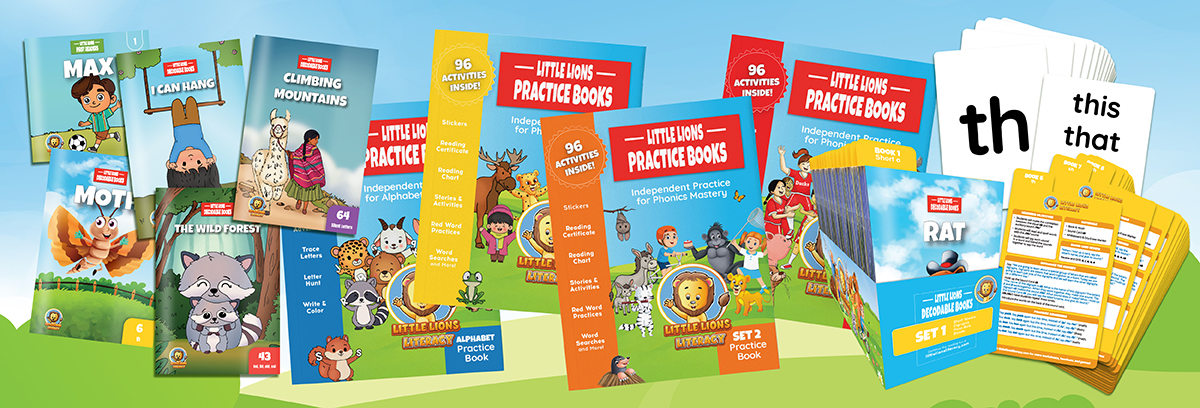
My child’s school uses leveled readers. What should I do? This is a very common situation, so don’t worry. You can think of your role at home as building the foundation that will help your child succeed with any book they encounter at school. Continue to use decodable books for your reading practice at home. By strengthening their ability to sound out words, you are giving them the core skills they need to read more confidently. When they have a strong phonics foundation, they will be better equipped to handle the variety of words found in leveled texts.
How do I know if a book is actually decodable? A book’s decodability isn’t just about having simple words; it’s about having the right words for your child’s specific skill level. A truly decodable book will only use letter-sound patterns that your child has already been taught. The best way to check is to see if the book or series comes with a scope and sequence, which is a list of the skills covered in each book. This ensures the text is designed for systematic practice, not just guesswork.
Are decodable books boring for kids? While early decodable books had a reputation for being a bit dry, today’s options are much more engaging. But more importantly, the real excitement for a new reader comes from the feeling of accomplishment. The joy a child feels when they read a sentence or a whole book by themselves is incredibly powerful. That success is the best motivator, and it’s exactly what decodable books are designed to provide.
When is my child ready to move on from decodable books? The transition away from decodable books is based on skill, not a specific age or grade. You’ll know your child is ready when their decoding becomes more automatic. When they can look at an unfamiliar word and sound it out confidently and accurately without having to struggle through every single letter, it’s a good sign. At that point, their phonics foundation is strong enough to support them as they read a wider variety of texts.
Should my child only read decodable books? Not at all. Think of decodable books as the books your child reads to you for practice. You should absolutely continue reading more complex and imaginative picture books to your child. Reading aloud exposes them to rich vocabulary, complex sentence structures, and a love for stories that is essential for their overall language development. A healthy reading life includes both skill-building practice and the shared joy of a good story.