Watching your kindergartener learn to read is a mix of pure excitement and, let’s be honest, a little anxiety. When they stumble on a word, it’s tempting to just tell them what it is to keep the momentum going. But what if there was a way to ensure they could succeed on their own? That’s the power of decodable sentences. These aren’t just random sentences; they are carefully crafted to include only the letter sounds and high-frequency words your child has already been taught. Using decodable sentences for kindergarten turns reading practice from a guessing game into a series of confidence-building wins. This guide will walk you through what they are, why they are so effective, and how you can use them to support your new reader at home.
Think of decodable sentences as the perfect training ground for new readers. They are simple sentences made almost entirely of words that a child can sound out using the phonics skills they’ve already learned. If your kindergartener has been taught the sounds for the letters m, a, t, s, and p, a decodable sentence for them might be, “A map sat.” Every word is within their reach.
These sentences are intentionally designed to connect what’s taught in a phonics lesson to the act of actual reading. Instead of asking a child to guess or use picture clues, decodable sentences require them to apply their knowledge of letter-sound relationships. This direct practice is what builds a strong foundation for reading fluency. The sentences are the first step, leading to short paragraphs and eventually to complete decodable books that tell a simple story. The focus is always on giving children readable text that matches their current skill set, which helps them feel successful right from the start.
Decodable sentences are a vital part of any phonics lesson because they bridge the gap between knowing letter sounds and reading words in context. They give children the immediate opportunity to practice a new skill in a meaningful way. For many kids, this repetition is exactly what they need for a phonics rule to stick. As Reading Universe explains, these texts give students a chance to use the letter sounds they’ve learned in real reading.
The main purpose of a decodable sentence isn’t to be a literary masterpiece. A sentence like “The cat sat on a mat” won’t win any awards for creativity, but for a child who has just learned short ‘a’ sounds, reading it independently is a huge accomplishment. This success reinforces their phonics skills and builds the confidence they need to tackle more complex texts later on.
You’ve likely seen predictable texts, even if you didn’t know their name. These are books with repetitive sentence patterns, like “I see a red car. I see a blue boat. I see a yellow bus.” Children often “read” these books by memorizing the pattern or using picture clues to guess the last word. While they can be fun, they don’t necessarily encourage a child to use their phonics knowledge.
Decodable texts work differently. They are carefully constructed to include specific phonics patterns, forcing the child to look closely at the letters and sound out the words. This approach directly supports phonics skill development in a way that predictable texts don’t. Both have a place, but for building a solid reading foundation, decodable sentences are the more effective tool.
When a child is just starting their reading journey, every small success matters. Decodable sentences are a powerful tool because they are specifically designed to provide those early wins. Instead of asking kids to guess or memorize words, these sentences give them a chance to use the phonics skills they’re actively learning. This targeted practice bridges the gap between knowing individual letter sounds and confidently reading full sentences. By putting their new knowledge to work right away, children see that the rules they’re learning actually work, which builds a strong and positive foundation for all the reading they’ll do in the future.
The primary job of a decodable sentence is to strengthen the link between letters and their sounds. These aren’t just random sentences; they are carefully built using words that feature the specific phonics patterns a child has just been taught. As Reading Universe explains, decodable texts help kids practice the exact sound patterns they are learning. For example, if a kindergartener’s lesson focused on the short ‘a’ sound, they might practice with a sentence like, “The fat cat sat on a mat.” Every word gives them a new opportunity to apply the ‘a’ sound, cementing that connection in their mind. This immediate application makes learning feel relevant and helps the new skill stick.
Nothing motivates a child like the feeling of success. Decodable sentences are designed to create those confidence-building moments. Because the words follow predictable phonics rules, children can sound them out and successfully read on their own. This experience is incredibly empowering. It shows them that they have the tools to figure out words, turning reading from a mysterious task into a solvable puzzle. This supportive context allows them to apply what they have learned without the frustration of running into words they aren’t equipped to read yet. Each sentence they read correctly acts as a stepping stone, encouraging them to tackle the next one with more self-assurance and excitement.
Decodable sentences are a key part of any structured, systematic phonics program. Their main purpose is to provide practice and reinforce phonics skills, not to be complex literature. Think of them as the practice drills you do before a big game. They are targeted, purposeful, and essential for building mastery. By aligning decodable sentences with a clear scope and sequence, you ensure that children are practicing exactly what they’ve been taught in an orderly way. This systematic approach helps kids understand that reading is a code they can learn to crack, rather than a guessing game, which is fundamental to becoming a skilled, independent reader.
Using decodable sentences effectively is about more than just handing a child a worksheet. When you intentionally weave them into your phonics instruction, they become a powerful tool for building strong, confident readers. Think of them as the bridge between learning a new sound and reading a full story. They provide the perfect, bite-sized practice that makes new skills stick. By integrating them thoughtfully, you can reinforce lessons, build confidence, and provide targeted support right where it’s needed.
The magic of decodable sentences happens when they perfectly match what a child is learning. If your phonics lesson is focused on the short ‘a’ sound, the sentences your student reads should be filled with words like ‘cat,’ ‘sat,’ and ‘mat.’ This direct alignment is crucial. It ensures that children are practicing the exact phonics skills you just taught, allowing them to apply their new knowledge immediately. Before introducing a sentence, check your curriculum’s scope and sequence. This plan outlines which letter-sounds are taught and in what order, so you can be sure your practice materials are always on point.
Decodable sentences are the perfect way to wrap up a phonics lesson and see learning in action. After you’ve introduced a new letter-sound or pattern, using a few targeted sentences helps solidify that concept. This immediate practice helps transfer the skill from short-term to long-term memory. You can use them as a quick exit ticket at the end of a lesson, a warm-up activity the next day, or as part of a small group rotation. These sentence-building activities give children a chance to not only read words with the new pattern but also to see them used in a meaningful context.
For a child who struggles with reading, a page full of words can feel overwhelming. Decodable sentences change that. Because they only use letter-sounds the child has already been taught, they remove the guesswork and anxiety. This provides a controlled and successful reading experience. Instead of relying on pictures to guess a word, the child can focus on applying their knowledge of letter-sound relationships to decode the text. This targeted practice directly addresses word decoding difficulties and builds a huge amount of confidence. Each sentence they read successfully is a small win that proves to them, “I can do this.”
When you’re searching for decodable sentences, you’ll quickly find there are tons of options out there. But they aren’t all created equal. The right materials will feel like a natural next step for your new reader, building on what they already know without causing frustration. The wrong ones can feel confusing and discouraging, which is the last thing we want. To make sure you’re choosing effective resources that will genuinely help your child, look for sentences that check three important boxes: age-appropriate content, clear and targeted phonics skills, and simple sentence structures. Getting these three elements right will make all the difference in creating a positive and successful reading practice for your little one.
The content of the sentences should be simple and relatable for a five- or six-year-old. Look for sentences that use words and describe situations a child would recognize from their daily life—things like pets, toys, family, and playing outside. When the context is familiar, a child can focus their mental energy on the task of decoding. The goal is to help children apply their phonics knowledge in a meaningful context, not to teach them complex new concepts. Sentences like “The red bug is on the mat” are much more effective than sentences with abstract ideas or unfamiliar vocabulary that can pull their attention away from the words themselves.
Effective decodable sentences are designed to give kids practice with the specific sound patterns they are currently learning. If you’ve just taught the short ‘a’ sound, the sentences should feature CVC (consonant-vowel-consonant) words like ‘cat,’ ‘ran,’ and ‘map.’ This targeted practice is what makes decodable text so powerful. Before using a set of sentences, check to see that it aligns with your phonics instruction. If a child has learned the sounds for S, A, T, and P, they should be reading sentences like, “A cat sat on a tap,” not ones with tricky vowel teams or silent letters they haven’t been taught yet.
For a beginning reader, less is more. The sentences should be short, clear, and grammatically simple. Most should follow a basic subject-verb-object pattern, such as “The dog can dig.” Long, complex sentences with multiple clauses can overwhelm a child who is working hard just to sound out each word. The purpose of these sentences is to build decoding fluency and confidence. By keeping the sentence structure straightforward, you allow the child to experience success and see themselves as a real reader. The focus stays on applying their phonics skills, which is exactly where it needs to be at this stage of their reading journey.
Seeing decodable sentences in action is the best way to understand their power. Let’s look at a few examples you can use with your kindergartener, starting with the simplest and gradually building from there. These examples show how a child can move from sounding out individual words to reading full sentences with confidence.
Consonant-vowel-consonant (or CVC) words are the perfect starting point for new readers. Think “cat,” “sun,” and “pig.” Sentences built with these words allow kids to practice blending sounds without feeling overwhelmed. For instance, a simple passage might read: “Yum,” said the yak, “yams are the best!” “Yes,” said the dog, “yum, yum, yum!” This example works so well because it’s silly and repetitive, which helps build confidence. Each decodable word gives your child a chance to succeed, reinforcing the letter-sound connections they’ve been learning in these foundational decodable passages.
As your child gets comfortable with CVC words, you can introduce high-frequency sight words. These are common words like “the,” “a,” and “I” that don’t always follow phonetic rules. Mixing them into decodable sentences helps build reading fluency, making the process feel less choppy. A great example is a set of sentences like: “I am a fox. I am a bear. I am a dog.” Here, the child decodes “fox” and “dog” while recognizing the sight words. This combination is powerful because it helps reading sound more like natural speech and prepares them for the types of texts they’ll encounter in books.

Once your kindergartener has a handle on CVC words and a few sight words, you can introduce slightly longer sentences. This helps build their reading stamina and shows them how to handle more intricate structures. For example, a sentence like “Pax got a big red box from his dad” is a fantastic next step. It’s still packed with decodable CVC words (“got,” “big,” “red,” “box,” “dad”), but it also includes a more complex phrase. This kind of sentence bridges the gap between basic phonics practice and reading full stories, making the transition to decodable books feel smooth and achievable.
Once you know what to look for, finding great decodable sentences becomes much easier. The key is to find resources that align with your phonics program and keep your young reader engaged. You don’t need to spend hours searching—plenty of fantastic options are available, from comprehensive book sets to free, printable worksheets. Here are a few of my go-to places to find high-quality decodable sentences for kindergarteners.
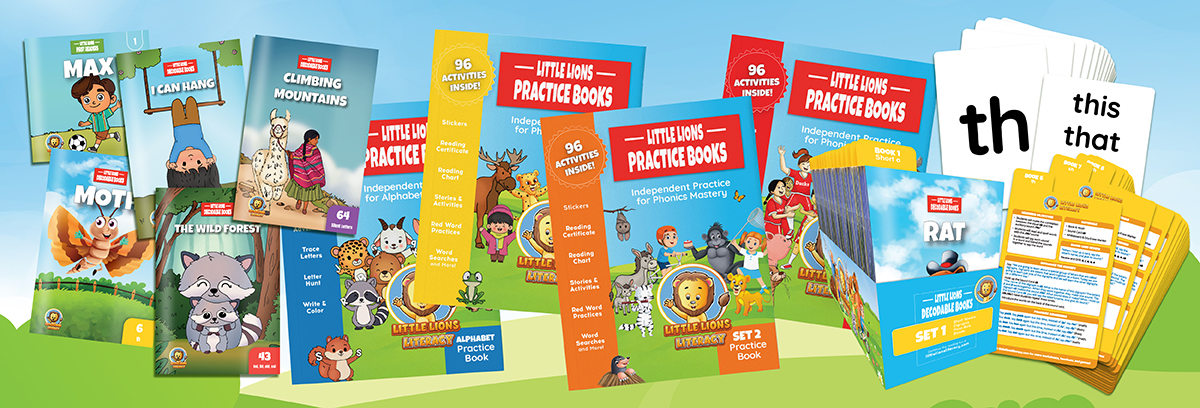
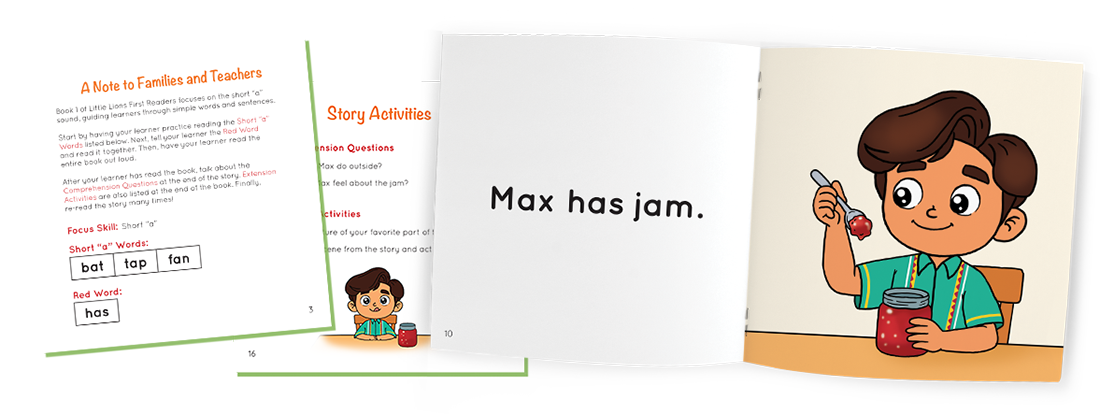
When you want to be sure that sentences are part of a systematic, phonics-based approach, a dedicated resource is your best bet. Our books at Little Lions Literacy are built around this principle. Each story is carefully crafted with decodable sentences that align with a specific scope and sequence, so you know your child is practicing exactly the right skills at the right time. Instead of just isolated sentences on a worksheet, your child gets to see them in the context of a fun story. Exploring high-quality decodable book sets is a great way to ensure learning is both effective and enjoyable.
Marketplaces created for educators are treasure troves for phonics materials. Websites like Teachers Pay Teachers allow current and former teachers to share resources they’ve created and used in their own classrooms. You can find a huge variety of decodable sentence-building activities, from matching games to fill-in-the-blank worksheets. Many are free or very affordable. The one thing to keep in mind is that quality can vary, so always check that the resource matches the specific phonics patterns your child is currently learning. It’s a fantastic way to add variety to your lessons without breaking the bank.
You can also find excellent, evidence-based resources online for free if you know where to look. Literacy-focused organizations and university programs often share materials to support educators and parents. For example, the University of Florida Literacy Institute (UFLI) offers a free collection of decodable texts specifically designed for kindergarteners. These are typically straightforward, no-frills printables that are perfect for targeted practice. They are a reliable option for supplementing your core phonics instruction, whether you’re working in a classroom or at the kitchen table.
Bringing literacy practice home is one of the most powerful ways to support your child’s reading journey. You don’t need a teaching degree or a perfectly curated classroom—just a little time and a lot of encouragement. Integrating decodable sentences into your routine can be a fun, low-pressure way to connect with your child and watch their skills grow. It’s all about creating small, positive moments that build a strong foundation for a lifetime of reading. By focusing on consistency, creating a comfortable environment, and knowing how to help when they get stuck, you can make a huge difference.
Consistency is your best friend when it comes to building reading skills. Just 10 to 15 minutes of practice each day can make a significant impact. As experts at Readability Tutor note, “Using decodable texts regularly helps children practice their phonics skills in a meaningful context.” This consistent exposure reinforces what they’re learning in school and builds their confidence one sentence at a time. Try to find a natural spot in your daily routine for reading—maybe right after school with a snack, or as part of your bedtime wind-down. The goal is to make it a predictable and enjoyable part of the day, not a chore.
Where you read matters almost as much as when you read. A cozy, inviting spot can make your child excited to sit down with their sentences. According to Scholastic, “Creating a comfortable and inviting reading environment can significantly enhance a child’s willingness to engage with books.” This doesn’t require a major home makeover. It can be as simple as a comfy chair with good lighting, a special reading pillow, or a designated spot on the couch. Let your child help pick the spot to give them a sense of ownership. A supportive space is also about your attitude—keep it positive, patient, and full of praise for their effort.
It’s completely normal for new readers to get stuck, and how you respond can shape their entire outlook on reading. It’s easy for kids to get discouraged, as Reading Rockets points out that “decoding difficulties can be frustrating for young readers.” When your child struggles with a word, resist the urge to give them the answer right away. Instead, gently prompt them to use their strategies. You can say, “Let’s sound it out together,” or “What’s the first sound in that word?” This approach encourages problem-solving and fosters a growth mindset, teaching them that challenges are opportunities to learn. Celebrate their hard work, and remind them that every reader makes mistakes.
Decodable sentences are a fantastic, flexible tool for any kindergarten classroom. They aren’t just for whole-group instruction; you can weave them into different parts of your literacy block to give students focused practice exactly where they need it. From small group work to independent centers, these simple sentences provide powerful reinforcement of phonics skills. They bridge the gap between knowing letter sounds and reading connected text, making them an essential part of your teaching toolkit. Let’s look at a few practical ways you can put decodable sentences to work in your classroom.
Guided reading is the perfect setting for decodable sentences. In a small group, you can provide targeted support as students apply their phonics knowledge. You can use sentence strips or printable pages focused on the specific skill your group is working on, whether it’s CVC words or a new digraph. This focused practice helps students build fluency and confidence in a low-pressure environment. As they work through the sentences, you can help them practice specific phonics skills, read more smoothly, and figure out new words. This direct interaction allows you to offer immediate feedback and scaffolding, guiding them as they sound out words and make sense of the text.
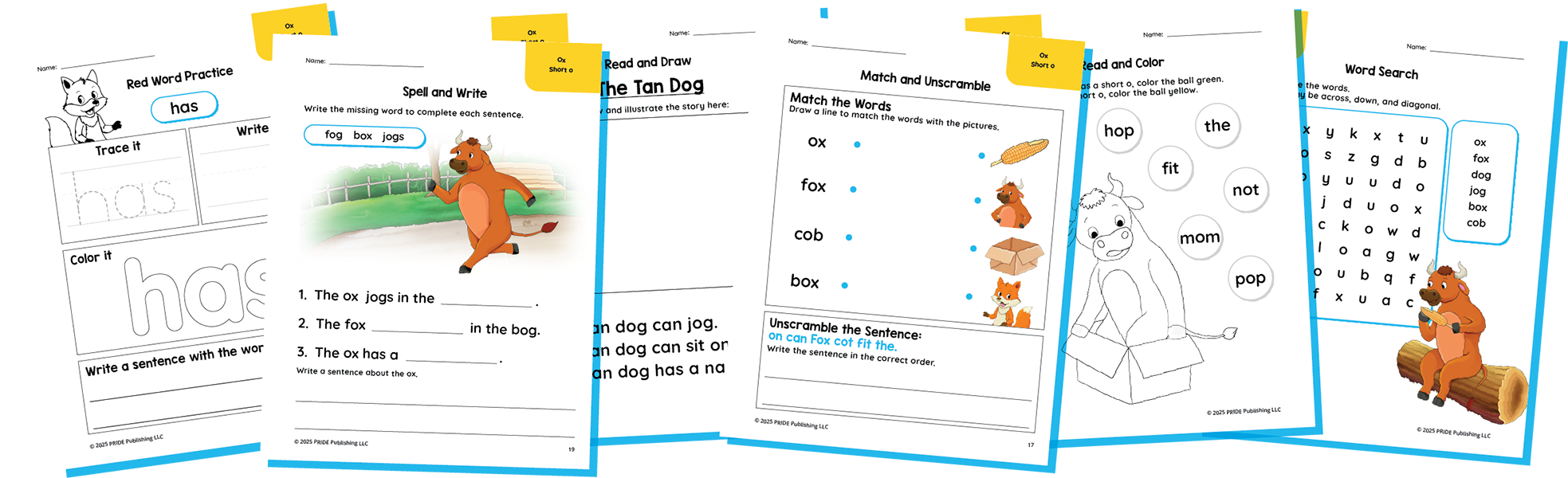
Once you’ve introduced a phonics concept, decodable sentences are an excellent way for students to get more practice on their own. They are a key part of phonics lessons because they give students a chance to use the letter sounds they’ve learned in real reading. You can easily turn decodable sentences into activities for literacy centers, morning work, or early finishers. Try creating sentence strips that students can match to pictures, or make simple worksheets where they read a sentence and draw a picture to show they understand it. This independent work reinforces the skills you’ve taught and gives every child more time to interact with decodable texts.
Decodable sentences are also a simple yet effective tool for informal assessment. As a student reads a set of sentences aloud, you can listen for their accuracy and fluency. This gives you a quick snapshot of their understanding of a specific phonics pattern. It’s important to keep track of how accurately students read these texts, as this helps you know if they’ve truly mastered the skills. You can use a simple checklist or take anecdotal notes to record your observations. This data is incredibly valuable for planning your next steps, whether that means moving on to a new skill, forming a small group for reteaching, or providing one-on-one support.
With so many resources out there, picking the right decodable sentences can feel a little overwhelming. The good news is that you don’t need to guess. By focusing on a few key factors, you can confidently choose materials that will help your young reader build skills and find joy in the process. Think about where your child is on their reading journey, the quality of the materials, and how to keep them engaged.
The most important step is to make sure the sentences align with the specific phonics skills your child is currently learning. If you just finished a lesson on the short ‘a’ sound, the sentences they practice should be full of CVC words like ‘cat,’ ‘ran,’ and ‘map.’ This targeted practice is what makes decodable text so effective—it gives new readers a chance to apply exactly what they’ve learned. Using sentences that are too advanced or that introduce too many new patterns at once can lead to frustration. The goal is to build a strong foundation one skill at a time, creating a smooth path for your reader to follow.
Not all decodable sentences are created equal. Look for resources that are well-regarded by other parents and educators. When you’re browsing online, check for reviews and ratings. Materials that other teachers have found effective are often a safe bet. It can be tough to find high-quality, age-appropriate decodable texts, so leaning on the experience of others can save you a lot of time and effort. A little research upfront ensures you’re giving your child valuable practice materials that will genuinely support their learning and build their confidence as they grow.
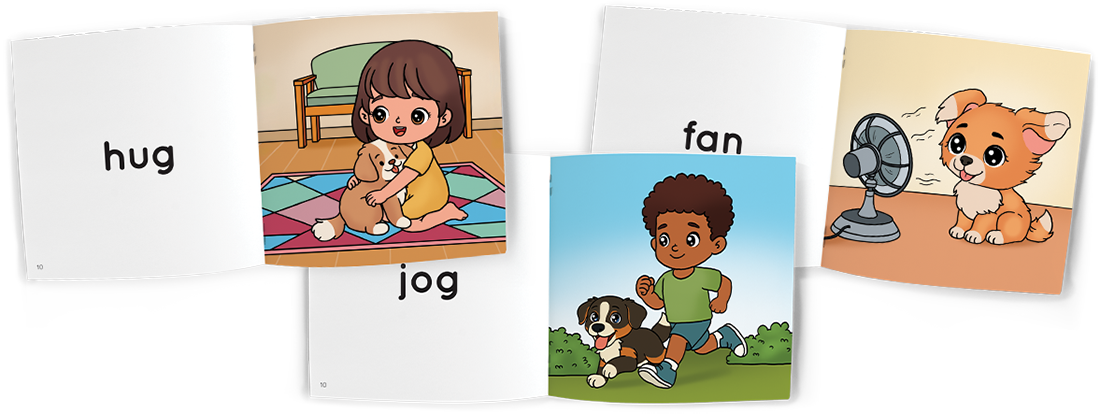
While the main purpose of decodable sentences is skill practice, reading should still be an enjoyable experience. The best resources manage to focus on specific phonics skills while still being engaging for young children. The stories don’t need to be complex, but simple, fun content can make a world of difference in keeping a child motivated. Look for sentences with relatable characters or silly scenarios. When kids are having fun, they’re more likely to want to practice. This positive association with reading is just as important as the phonics skills they’re developing.
Building a solid collection of literacy resources doesn’t have to break the bank. While comprehensive phonics programs are a fantastic investment, you can supplement your lessons with high-quality, affordable materials. Whether you’re a teacher stocking a classroom library or a parent looking for extra practice at home, there are plenty of ways to find decodable sentences that fit your budget. The key is knowing where to look. From free printables created by fellow educators to affordable digital bundles, you can give your young reader the practice they need without stretching your wallet.
One of the best places to start is with resources made by teachers, for teachers. Websites like Teachers Pay Teachers offer a huge variety of free decodable sentences that you can download and print right away. These are often single-page worksheets or small activities perfect for reinforcing a specific skill. Another excellent source is Reading Universe, which provides a large collection of free decodable texts organized by phonics pattern. These options are perfect for finding targeted practice without any cost, allowing you to try out different formats to see what works best for your child or students.
If you’re looking for something more substantial than a single worksheet but aren’t ready for a full curriculum, affordable sets and bundles are a great middle ground. Marketplaces like Etsy are filled with creative resources from educators, such as digital downloads with dozens or even hundreds of sentences for just a few dollars. You can also find ideas for comprehensive, hands-on tools like decodable sentence binders that cover multiple phonics skills. These bundles provide a structured way to practice reading over time, giving you a lot of value for a small investment. They’re perfect for creating practice stations in the classroom or having a go-to activity at home.

Sometimes, the best way to get exactly what you need is to make it yourself. Creating your own decodable sentences ensures they align perfectly with your phonics scope and sequence and your child’s interests. The process is simple: identify the target phonics skill (like short ‘a’), brainstorm words with that pattern (cat, hat, sat), and build simple sentences. While this can be time-consuming, it gives you complete control. If you’re short on time, tools are available to help. Some websites can generate engaging content in minutes, letting you select a phonics focus and story theme to create customized sentences for your lessons.
How are decodable sentences different from the simple storybooks I already have? Many simple storybooks rely on repetitive patterns or picture clues to help a child “read.” Decodable sentences work differently. They are intentionally built with words that a child can sound out using the specific phonics rules they have already learned. This requires them to look closely at the letters and apply their skills, which is what builds a strong foundation for independent reading.
What should I do if my child gets frustrated or stuck on a word? First, stay calm and positive. It’s completely normal for new readers to get stuck. Instead of giving them the answer, gently guide them. You can cover up the end of the word and ask them to say the first sound, then the next. You can also say the sounds slowly yourself and ask them to blend them together. The goal is to remind them they have the tools to solve the puzzle, which builds resilience and confidence.
Should these sentences only have words my child can sound out? What about sight words? While most words in a decodable sentence should follow the phonics patterns your child knows, it’s perfectly fine for them to include a few high-frequency sight words they have already learned, like “the,” “a,” or “is.” Including these common words makes the sentences sound more natural and helps your child get used to reading text that flows, preparing them for reading full stories.
How long should my child practice with decodable sentences before moving on? There isn’t a magic timeline, as every child learns at their own pace. The goal is for your child to read the sentences with accuracy and growing confidence before you introduce a new phonics skill. Think of decodable sentences as a bridge. You use them to practice a new skill until it’s solid, and then you move on to sentences and books that incorporate that skill along with the next one. They are a tool you’ll use continuously as you introduce new sound patterns.
My child finds these sentences a bit boring. How can I make practice more engaging? You can easily add a little fun to your practice. Try writing the sentences on strips of paper and hiding them around the room for a reading scavenger hunt. You can also use a silly voice to read them or have your child read them to a favorite stuffed animal. The key is to keep the sessions short, positive, and playful. A little creativity can turn a simple practice activity into a fun game.