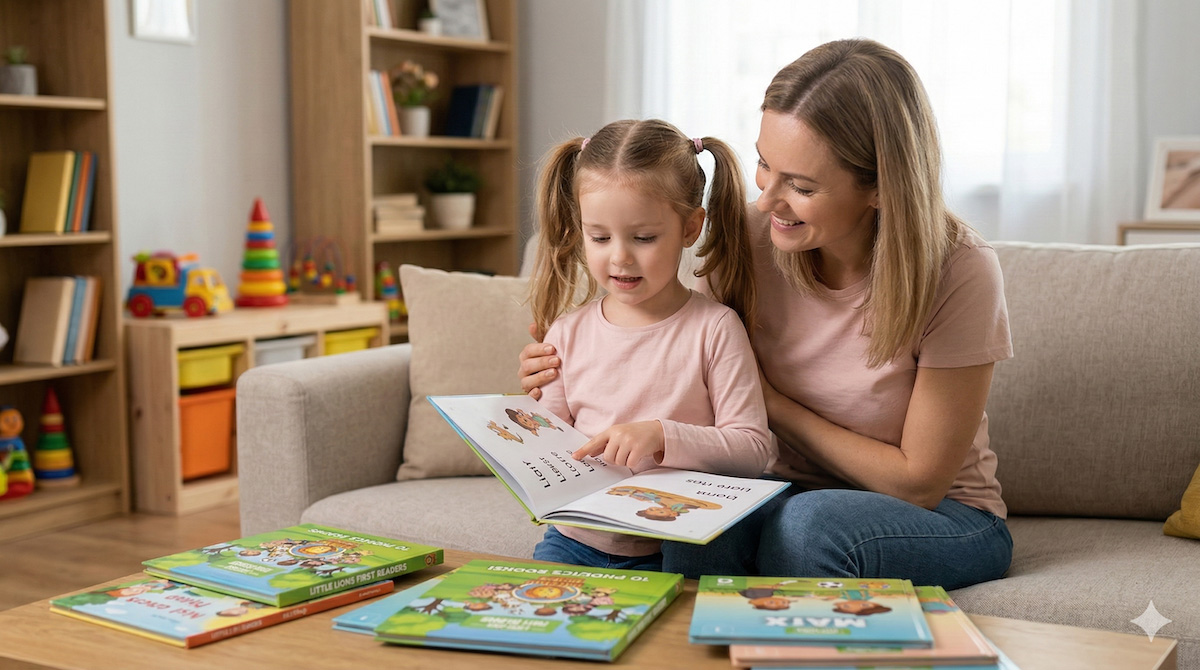
There is nothing quite like the look on a child’s face when they read a book all by themselves for the very first time. That moment of pure pride is what builds a lifelong love of reading. But how do we create more of those moments? The key is to give them books they can actually read successfully. Decodable readers are designed to do just that. By using only the letter sounds a child already knows, these books eliminate the guesswork and set kids up for victory. This guide is dedicated to helping you find the best decodable readers for kindergarten that will build your child’s skills and, just as importantly, their belief in themselves as a reader.
If you’re new to the world of early literacy, you might be hearing the term “decodable readers” pop up more and more. So, what are they? Simply put, decodable books are short, simple stories written for beginning readers. They are carefully crafted to include only the letter sounds and high-frequency words that a child has already learned in their phonics lessons.
Instead of encouraging kids to guess words from pictures or context, decodable readers empower them to use their new phonics skills to sound out, or “decode,” the words on the page. This direct practice is a game-changer for kindergarteners who are just beginning to understand how letters and sounds work together. It builds a solid foundation for reading, turning abstract phonics rules into tangible success.
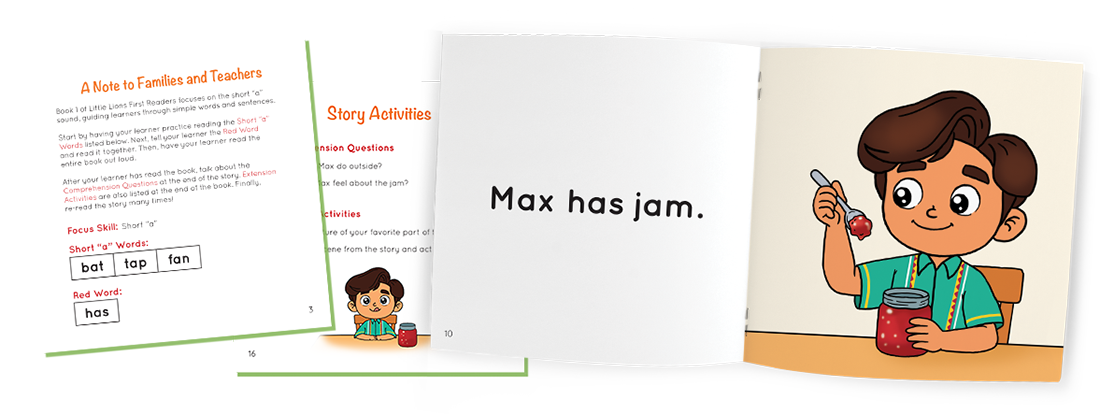
Decodable readers are the perfect bridge between a phonics lesson and real reading. Because these books are designed to align with a specific phonics scope and sequence, they give children the chance to immediately apply what they’ve just learned. If a child has learned the sounds for the letters m, s, a, and t, their decodable book will feature words like “mat,” “sat,” and “at.”
This targeted practice is incredibly effective. It helps children master specific phonics patterns and reinforces the connection between letters and their sounds. Instead of feeling overwhelmed by unfamiliar words, kids can focus on using their decoding skills. This repeated, successful practice is what cements their learning and prepares them for more complex texts down the road. It’s a systematic approach that truly helps children understand how to read.
Imagine being five years old and successfully reading a whole book by yourself for the first time. That feeling is pure magic, and it’s exactly what decodable readers are designed to create. Because every word in the book is one a child has the tools to read, they get to experience consistent success. This isn’t about memorizing or guessing; it’s about genuinely reading.
Each page they finish and every book they complete becomes a victory that builds their self-esteem. This positive feedback loop is crucial. A confident reader is a motivated reader who is excited to pick up the next book. To keep that excitement high, it’s a great idea to balance practice with pleasure. Use decodable books for your child’s independent reading, but continue to read a wide variety of other stories to them to foster a lifelong love of reading.
With so many options out there, it can be tough to figure out which decodable readers will actually help your little one. The best books aren’t just a random collection of words; they’re thoughtfully designed tools that turn sounding out words into a fun and rewarding experience. When you’re choosing books, you’re looking for a specific combination of structure, age-appropriateness, and engagement. A great decodable reader meets a child exactly where they are and gives them a clear path forward, building their skills and, just as importantly, their belief in themselves as a reader. Let’s break down the key features that separate the best from the rest.
Think of a scope and sequence as a roadmap for reading. It’s the specific order in which phonetic sounds and skills are taught. A great decodable series will follow a clear and logical progression, so the books your child reads align perfectly with the phonics instruction they’re receiving. This means that when they learn the sound for the letter ‘m’, the books they practice with will feature that sound prominently. This systematic approach ensures there are no gaps in their learning and that each new book builds directly on the skills they’ve already mastered. It removes the guesswork and makes the process of learning to read much less intimidating for young children.
Kindergarteners are at a unique developmental stage, and their reading materials should reflect that. The words and sentence structures in a decodable reader need to be simple enough for a five- or six-year-old to tackle successfully. While the goal is to challenge them, the text shouldn’t be so complex that it causes frustration. Look for books with short, predictable sentences and words that primarily use the phonetic skills they have already been taught. This ensures that they can focus on the task of decoding, building momentum and a sense of accomplishment with every page they read.
Let’s be honest—if a book is boring, a child won’t want to read it. Phonics practice doesn’t have to be a chore! The best decodable readers wrap their lessons in fun, compelling stories that capture a child’s imagination. The characters should be relatable, and the plots should be simple yet interesting enough to make kids wonder what will happen next. High-quality, engaging illustrations are also key. They should support the story and provide context clues without giving the words away, helping young readers make connections between the text and the pictures. This is where Little Lions Literacy books truly shine, by making reading an adventure.
A child’s reading journey should feel like a steady climb, not a jump over a giant wall. The best decodable book sets are designed with a gradual increase in difficulty. Each book, or set of books, introduces a few new sounds or skills while reinforcing the ones that came before. This scaffolding approach helps support your child’s reading journey by building their skills layer by layer. As they move through the series, they gain confidence with each step, empowering them to take on slightly more challenging texts. This slow and steady progression is crucial for developing strong, confident readers who aren’t afraid to tackle new words.
Finding the right decodable readers can feel like a huge task, but it’s one of the most rewarding things you can do for a new reader. When a child gets their hands on a book they can actually read themselves, the confidence boost is incredible. To help you get started, I’ve put together a list of some of the best and most-loved decodable readers for kindergarteners.
Every child learns differently, so what works for one might not be the perfect fit for another. This list is a great starting point, featuring options that are trusted by teachers and loved by kids. We’ll look at everything from classic, simple sets to comprehensive classroom libraries. Each of these series is built on a solid phonics foundation, designed to give your little reader the tools they need to succeed. Think of this as your curated guide to finding books that will make your kindergartener feel proud and excited about reading.
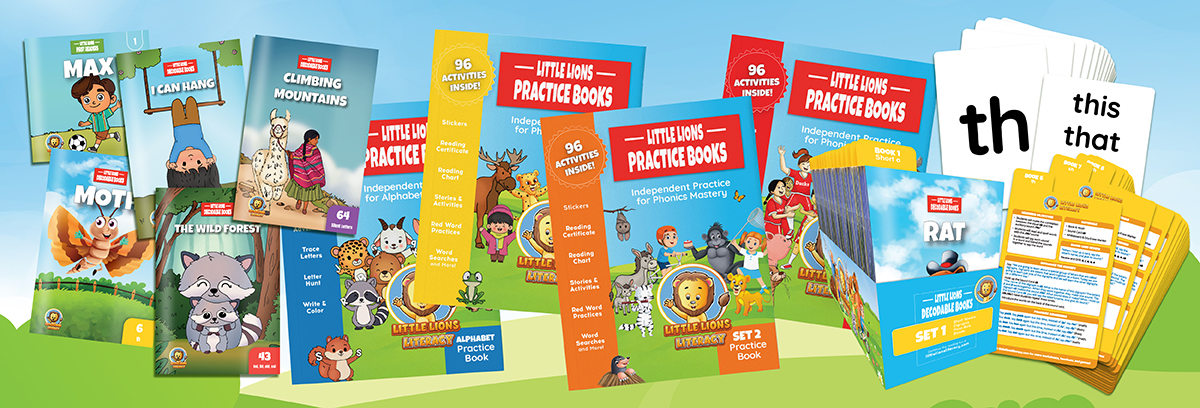
It’s no surprise that our own Little Lions Literacy books are at the top of my list. We designed these sets with one goal in mind: to make learning to read a fun and successful journey. Our books follow a clear, structured phonics sequence, so children are only ever asked to read words with sounds they’ve already learned. This systematic approach prevents frustration and builds a strong foundation from the very first book.
Beyond the stories themselves, we offer a whole world of resources to support your reader. Each set comes with engaging activities, printable worksheets, and flashcards that reinforce the skills being taught. The illustrations are bright and engaging, helping to provide context clues without encouraging guessing. It’s a complete, thoughtful system for building confident, happy readers.
Bob Books are a classic for a reason. Many of us probably remember these simple, satisfying little books from our own childhoods. Their strength lies in their simplicity and predictability. Each book introduces just a few new letter sounds at a time, using short, repetitive sentences that allow new readers to feel successful right away. The simple line drawings help children focus on the text without getting distracted.
The sets are designed to be read sequentially, with each one building on the skills from the last. If you’re looking for a straightforward, no-frills introduction to reading that has stood the test of time, Bob Books are an excellent and affordable choice for getting started. They are perfect for building that initial momentum and excitement.
Heggerty is a big name in early literacy, known for its powerful phonemic awareness curriculum. It makes sense that their decodable books are just as effective. These books are designed to work hand-in-hand with a structured literacy approach, providing the reading practice children need to apply their phonics knowledge. The stories are engaging and relevant to young children, featuring diverse characters and fun plots.
What’s great about the Heggerty decodables is how seamlessly they integrate into a comprehensive literacy plan. They aren’t just standalone stories; they are a key part of a larger system designed to build strong readers. If you’re already using a phonemic awareness program in your classroom or at home, these books are a fantastic way to connect those oral skills to printed text.
If you have a child who loves characters and storytelling, Letterland is a wonderful option. This program uses a unique, character-based approach to teach phonics, where each letter sound is represented by a memorable character (like “Annie Apple” or “Bouncy Ben”). This method helps make abstract letter sounds more concrete and fun for young learners.
Their decodable stories feature these characters in fun narratives, allowing children to practice their phonics skills in a playful context. The books are organized into sets that align with different stages of phonics learning, ensuring a gradual and supportive progression. For imaginative kids who connect with stories, the Letterland approach can make phonics instruction feel less like work and more like an adventure.
Just Right Reader focuses on getting high-quality, culturally relevant decodable books into the hands of students. Their mission is to ensure every child sees themselves in the books they read, which is so important for building lifelong readers. They offer extensive decodable libraries that are perfect for classrooms, with books carefully leveled to provide the right amount of challenge.
Their collections are organized by phonics skills, making it easy for teachers to match books to their instruction. The stories are modern, engaging, and feature beautiful illustrations. Just Right Reader is an excellent choice for schools and educators looking to build a diverse and comprehensive classroom library that supports a structured literacy approach while celebrating all students.
The Sound City Reading program offers a complete and highly structured approach to teaching reading, and their decodable books are a core component of that system. These books are designed to be 100% decodable, meaning they only use letter-sound correspondences that have been explicitly taught. This removes any guesswork and allows children to rely solely on their phonics skills to read the words.
The program is laid out very clearly, with a specific scope and sequence that guides children from simple CVC words to more complex phonetic patterns. The stories in the Sound City Reading books are simple but effective, providing the essential practice kids need to build fluency and accuracy. This is a great option for anyone looking for a rigorous, systematic phonics program with perfectly aligned reading material.
Finding the right decodable readers is one thing, but making sure they fit your budget is another. Whether you’re a parent buying for your child or a teacher stocking a classroom library, the cost can be a major factor. The good news is that there are options for every price point, from comprehensive classroom sets to fantastic free resources you can print right at home. Let’s break down what you can expect to spend and where you can find the best deals.

When you start shopping for decodable readers, you’ll notice they’re usually sold in two ways: as individual books or as complete sets. The price can vary quite a bit depending on the publisher and the size of the collection. Some publishers offer various decodable products as small packs, which might cost anywhere from $39 to $89. For a more structured approach, complete sets that follow a specific phonics progression can range from around $224 to $499. Buying a full set is often more cost-effective in the long run and ensures you have a cohesive series for your young reader to grow with.
If you’re an educator outfitting a classroom, look for bundles and bulk discounts. Many companies offer special classroom sets that include multiple copies of each book—often six of each—which is perfect for small group instruction and literacy centers. These decodable libraries are designed to give you the most value for your school’s budget. It’s also worth checking if your school qualifies for special pricing through programs like CLSD (Comprehensive Literacy State Development) grants, which can help cover the cost of high-quality literacy materials. Don’t hesitate to reach out to companies directly to ask about educator discounts.
You don’t have to spend a lot of money to get great phonics practice. For families and teachers on a tight budget, the internet is full of free, printable decodable resources. You can find everything from single-page stories and worksheets to flashcards and activities that align with a phonics scope and sequence. These are perfect for supplementing your physical library or for sending home with students for extra practice. Here at Little Lions Literacy, we offer a variety of free resources that are designed to support your child’s reading journey and make learning fun without breaking the bank.
Decodable readers are a cornerstone of effective phonics instruction, but they work best as part of a bigger literacy toolkit. Pairing them with other resources can reinforce learning, keep kids engaged, and help you tailor instruction to each child’s needs. Think of decodable books as the main event and these complementary tools as the supporting acts that make the show a success.
Many decodable book sets come with teacher guides or lesson plans, and they are worth their weight in gold. These guides help you structure your lessons around each book, ensuring you’re targeting specific phonics skills intentionally. They often include pre-reading activities to introduce new sounds, comprehension questions to discuss after reading, and follow-up exercises to solidify learning. Using these lesson plans saves you precious prep time and provides a clear, research-backed path for helping your students build their literacy skills step-by-step. It’s like having an expert literacy coach right by your side.
How do you know if a student is truly grasping the phonics concepts? By tracking their progress. This doesn’t have to be complicated or formal. Simple tools like running records, checklists, or brief observational notes can give you powerful insights into a child’s development. When you track progress, you can spot areas where a student might need extra support and celebrate their growth. This information allows you to tailor your instruction, ensuring every child gets the targeted practice they need to become a confident, independent reader.
Let’s be honest—kids love screen time. You can make that time productive by incorporating phonics apps and digital resources into your routine. Many high-quality apps offer games and interactive activities that align with the scope and sequence of decodable readers, making practice feel like play. You can also find excellent digital resources online, such as printable worksheets, flashcards, and sound charts that supplement your lessons. These tools are fantastic for centers, independent practice, or for sending home to give parents a fun way to support their child’s learning.
To help phonics skills stick, it’s great to get kids practicing in different ways. Worksheets and hands-on activities are perfect for this. After reading a decodable book, students can complete a worksheet that has them circle words with the target sound, or they can do a word-building activity with magnetic letters. Things like sorting picture cards by their beginning sound or playing a simple board game with decodable words can make learning feel fresh and exciting. These hands-on resources reinforce the connection between letters and sounds in a multi-sensory way, helping to cement those foundational skills.
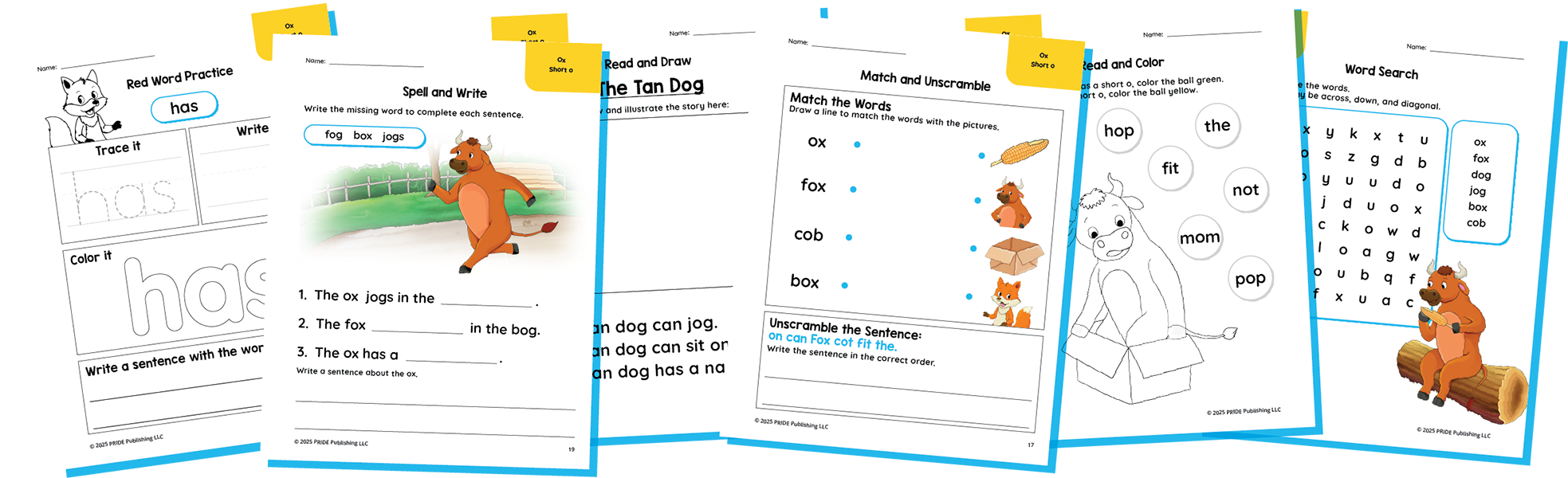
With so many wonderful options available, picking the perfect set of decodable readers can feel like a big task. You want books that will genuinely help your young readers, but you also need them to be fun, fit your teaching style, and work within your budget. The great news is that you don’t have to choose blindly. By thinking through a few key factors, you can find a series that feels like it was made just for your students or child.
The goal is to find books that act as a seamless extension of your phonics instruction. When the books perfectly align with the skills you’re teaching, children can immediately apply what they’ve learned in a real reading context. This connection is where the magic happens—it’s the moment a child realizes, “Hey, I can do this!” Beyond the curriculum, practical things like your budget and the number of students you have will naturally guide your decision. And most importantly, we can’t forget the readers themselves. The best resources are the ones that capture a child’s imagination and make them excited to pick up a book. Thinking about their interests and what makes them giggle is just as important as the phonics sequence. Let’s walk through how to balance these three elements to make a choice you can feel confident about.
The most effective decodable readers aren’t just random stories; they are carefully designed tools that should work in harmony with your existing phonics program. Think of them as the practice field for the skills you teach. To ensure they’re effective, you need to choose a series that aligns with your phonics instruction. This means the books should introduce letter sounds and phonics patterns in the same order that you do.
For example, if your lesson this week focuses on the short ‘i’ sound, the ideal decodable book for your students would feature words like “sit,” “pin,” and “dig,” while only using other letter sounds they’ve already mastered. Before committing to a set, take a close look at its scope and sequence and compare it to your own. This simple step ensures a smooth, frustration-free experience for your new readers.
Let’s talk about the practical side of things. Whether you’re a parent buying for one child or a teacher outfitting an entire classroom, your budget is a key factor. For educators, buying in bulk is often the most economical approach. Many publishers offer classroom sets that include multiple copies of each book, which is perfect for small group work. As Heggerty notes, these sets often include six copies of each title, allowing you to guide several students through the same text at once.
For parents, purchasing a complete series upfront can be more cost-effective than buying books one by one. Also, consider the physical quality of the books. Durability is important, especially in a classroom setting where books will be handled by many eager learners. A well-made set might cost more initially but will save you money in the long run.
A decodable reader can have a perfect scope and sequence, but if a child isn’t interested in the story, it will be an uphill battle. The ultimate goal is to get kids excited about reading, so their personal needs and interests are incredibly important. Look for books with fun, relatable characters and bright, engaging illustrations that support the text. The stories don’t need to be complex, but they should be enjoyable.
It’s also helpful to remember the role these books play. As we suggest in our parent’s guide, it’s important to “balance practice with pleasure.” Use decodable books for skill-building, but continue to read a wide variety of other texts aloud to your students. This exposes them to rich vocabulary and complex stories, nurturing a lifelong love of reading. When you honor both skill and joy, you create a powerful and positive reading experience.
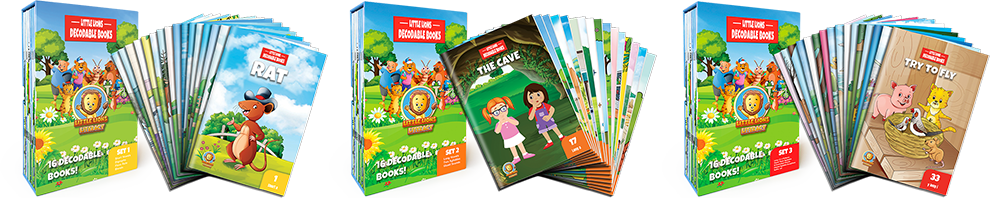
Once you’ve chosen a set of decodable readers, the real fun begins. Using these books effectively is about more than just handing them to your child or student. It’s about creating a supportive and positive environment where they can practice their new skills and see themselves as successful readers. Think of these books as the training wheels for literacy—they provide the exact support a child needs to get rolling. Your role is to be the encouraging voice running alongside them, ready to celebrate their progress every step of the way. With a few simple strategies, you can turn practice time into a highlight of the day.
The most important first step is to make sure the book you choose isn’t too hard or too easy. The goal is for your child to feel successful, which builds the confidence they need to tackle more challenging texts later. A good decodable reader should align with the phonics skills they have already been taught. If they are just learning CVC words (consonant-vowel-consonant), don’t hand them a book with consonant blends. Starting with a book they can read with about 95% accuracy helps them focus on fluency and comprehension instead of struggling with every word. You can make reading a positive experience by choosing books that perfectly match their current abilities.
Consistency is your best friend when it comes to building reading skills. Try to set aside a short amount of time each day for reading practice. This doesn’t have to be a long, drawn-out session—even 10 to 15 minutes of focused practice can make a huge difference. The key is to make it a predictable and enjoyable part of the day, like right after a snack or before bed. When you establish a routine, children know what to expect and are often more willing to engage. This dedicated time shows them that reading is a priority and gives them the regular practice they need to solidify their phonics skills.
Decodable books are fantastic tools for skill practice, but they shouldn’t be the only books in your child’s life. It’s essential to continue reading a wide variety of other books to your child. Picture books with rich vocabulary and complex stories build their comprehension, background knowledge, and love for reading. Think of it this way: decodable books are for your child’s independent reading practice, while read-alouds are for exposing them to the magic of storytelling. This balance ensures they are building foundational skills while also developing a lifelong passion for books.
Reading practice doesn’t have to be a chore. You can easily turn it into a more engaging experience by adding some simple, interactive elements. Before reading, look at the cover and talk about what the story might be about. As you read, ask questions about the characters and the plot. After finishing, you can reinforce the phonics concepts from the book with fun activities and games. For example, you could go on a word hunt for words with the “sh” sound or use magnetic letters to build words from the story. These small additions make learning feel like play and help cement new skills.
What’s the real difference between a decodable book and a regular storybook? Think of it this way: a regular storybook is written for its beautiful language and engaging plot, and it’s perfect for an adult to read aloud to a child. A decodable book, on the other hand, is a practice tool designed for the child to read themselves. Its main job is to give a new reader the chance to practice the specific phonics skills they’ve just learned, using only words they have the tools to sound out.
My child relies on guessing from pictures. Will these books actually stop that? Yes, this is exactly what decodable readers are designed to address. Because the words in the text are carefully controlled to match a child’s phonics knowledge, they don’t need to guess. The books empower them to look closely at the letters and use their decoding skills to figure out the word. This builds the crucial habit of sounding words out instead of relying on pictures or context, which is a much more reliable strategy for long-term reading success.
The sentences in some decodable books seem a bit strange. Is that normal? It is, and it’s completely by design. The primary goal of a decodable reader is to provide practice with specific phonics patterns, not to win a literary award. The sentences might sound simple or a little repetitive because the author is limited to using only the letter sounds and words the child has already been taught. This intentional simplicity is what allows your child to read the entire book successfully and build confidence.
How do I know when my child is ready to move on from decodable readers? There isn’t a magic moment, but you’ll start to see clear signs. Your child will begin reading their decodable books with much more speed and accuracy, and they’ll be able to sound out new words with greater ease. As their phonics foundation becomes solid, they will naturally start to decode words in other books, signs, and menus. You can then gradually introduce books with more complex words, but it’s always great to keep decodables around to reinforce new skills as they learn them.
Should my child only read decodable books? Absolutely not! Decodable books are for practice, but a love of reading comes from being exposed to all kinds of wonderful stories. Continue to read rich, engaging picture books to your child every single day. This builds their vocabulary, comprehension skills, and understanding of story structure. Think of it as a partnership: they use decodable books to practice the how of reading, and you use read-alouds to show them the why.