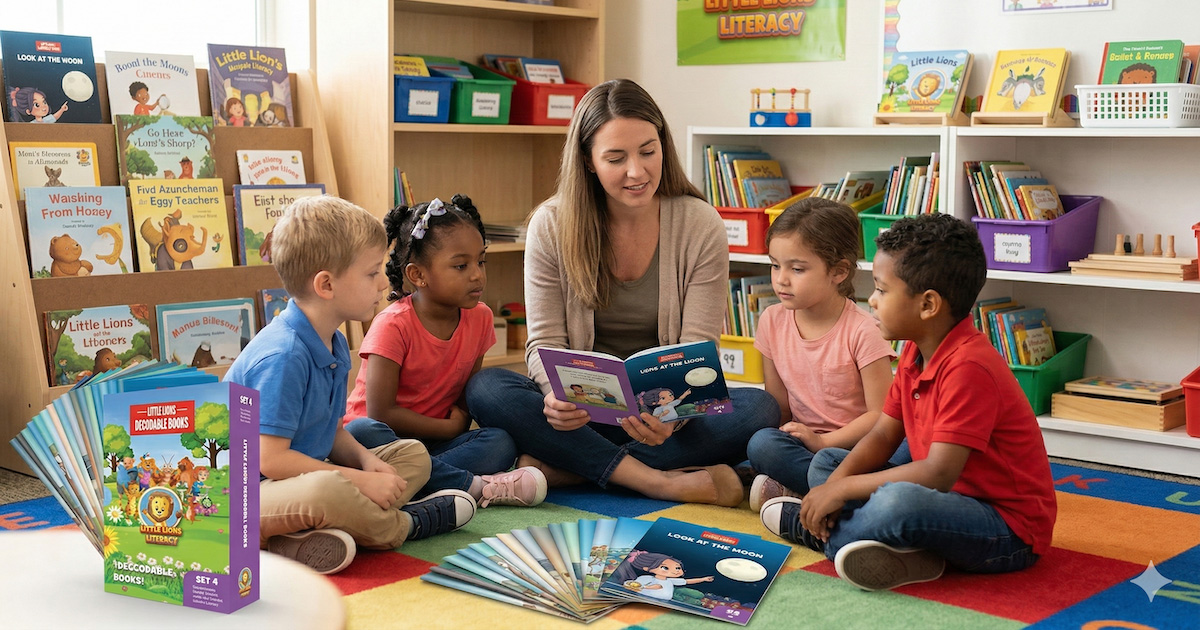
Let’s be honest: when a child finds reading difficult, practice can feel like a chore for everyone involved. The nightly battle over a book can leave both of you feeling drained and defeated. But reading practice doesn’t have to be a source of frustration. The best decodable books today are a world away from the dry, boring pamphlets of the past. They feature fun characters, engaging storylines, and beautiful illustrations that make kids want to turn the page. By combining targeted phonics practice with a genuinely enjoyable story, these books transform reading from a task into a treat. This focus on engagement is what makes modern decodable readers for intervention so effective at building skills and a lifelong love of reading.
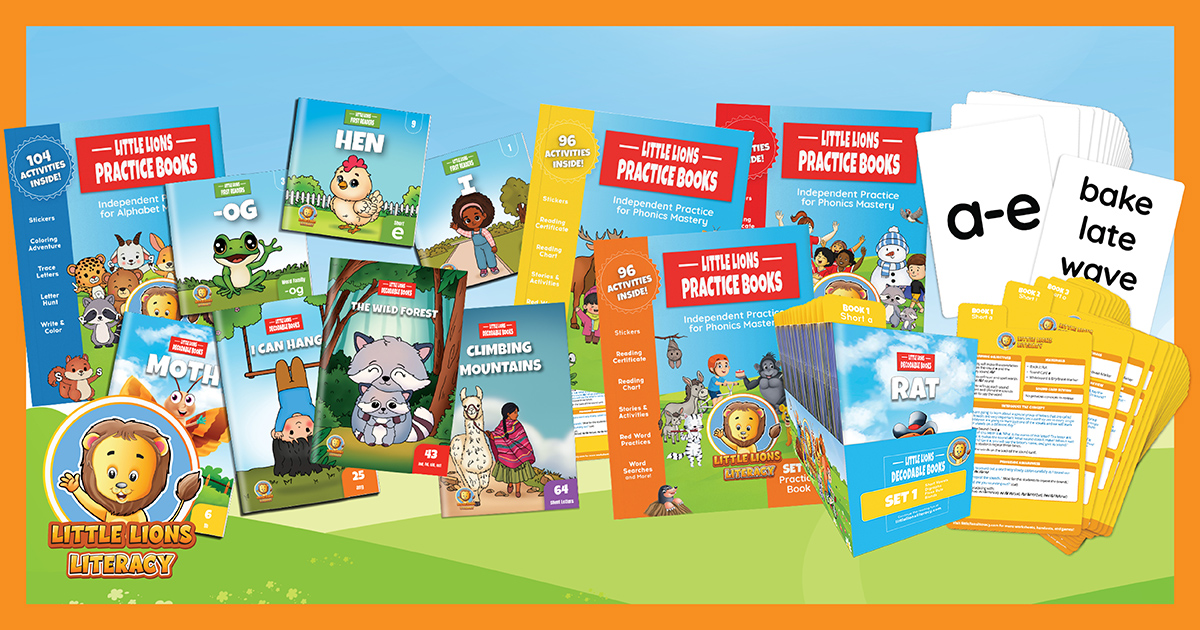
Let’s start with the basics. What exactly are decodable readers? Think of them as practice books perfectly tailored to your child’s reading journey. Instead of being filled with random words, these books are carefully written using only the letter sounds and phonics patterns a child has already learned. This intentional design allows new readers to apply their skills and actually read the words on the page, rather than guessing from pictures or memorizing sentences. This direct application is what helps cement their learning and build a strong foundation for future reading success.
This approach is a game-changer, especially for students who need extra support. When a child struggles with reading, their confidence can take a hit. Decodable books provide a safe and successful reading experience, building them up one sound at a time. They are a core component of effective reading intervention because they directly connect what’s taught in a phonics lesson to the text in a book. But their benefits aren’t just for struggling readers; they provide a solid foundation for any child learning to read, ensuring they build strong decoding habits from the very beginning. By giving children texts they can read, we empower them to see themselves as capable readers. Let’s look closer at what makes them unique and why the science backs them up.
The biggest difference between decodable readers and many other children’s books is the controlled vocabulary. Every word is chosen with purpose. These books contain primarily phonetically regular words that align with the specific phonics skills a student has been taught. For example, if a child has learned the sounds for s, a, t, p, i, and n, they’ll read books with words like ‘sat,’ ‘pin,’ and ‘tan.’ This is a stark contrast to leveled readers that often encourage children to use picture clues or repetitive sentence patterns to guess words they haven’t learned to decode yet. While many believe decodable books are only for struggling readers, they are truly for any child in the process of learning to read.
Decodable texts are a direct reflection of what we know about how the brain learns to read. They are specifically designed to support the systematic and explicit instruction of phonics, which is a cornerstone of the science of reading. When children practice decoding words with the letter-sound relationships they’ve just learned, they are actively building and strengthening the neural pathways required for fluent reading. Research consistently shows that this targeted practice helps all young readers, and especially those who are having trouble, improve their ability to sound out words, read accurately, and ultimately, understand what they’re reading. It’s not magic; it’s brain science in action.
When a child struggles with reading, it can feel like they’re trying to solve a puzzle with missing pieces. Decodable readers are a game-changer because they are specifically designed to provide those missing pieces in a logical, supportive order. Unlike many picture books that encourage guessing from pictures or context, decodable books give students the exact tools they need to sound out words successfully. This targeted approach directly addresses the core challenges struggling readers face, helping them build a solid foundation for a lifetime of reading.
Imagine trying to build a house with a random pile of materials. It would be confusing and frustrating. Decodable readers work by providing the right materials at the right time. They use a “controlled vocabulary,” which simply means the books are carefully written with words that use the specific letter-sound patterns your child has already learned. If they’ve just learned the short ‘a’ sound, their book will be full of words like ‘cat,’ ‘ran,’ and ‘map.’ This intentional design allows them to practice their decoding skills in a focused way, helping them make connections between sounds and letters and truly understand how words work.
For a child who finds reading difficult, every small victory matters. Decodable readers are designed to create a steady stream of these wins. Because the texts align with what they know, students can pick up a book and actually read it on their own. This experience is incredibly empowering and starts to replace feelings of frustration with a sense of accomplishment. The books follow a careful progression, so as a child’s skills grow, the texts introduce new patterns and slightly more complexity. This gradual increase in difficulty ensures they are always challenged but never overwhelmed. This step-by-step success is crucial for building the confidence and positive attitude needed to become a resilient, motivated reader.
Learning to read isn’t magic; it’s a skill that can be taught directly and systematically. Decodable readers are the perfect partner for explicit phonics instruction—the method of directly teaching students how letter sounds and patterns work. After you teach a new phonics rule, you can hand your student a decodable book that lets them apply that exact skill immediately in the context of a real story. This is where the learning truly clicks. They move from knowing a rule to using it to make meaning. As a key part of effective reading intervention strategies, these books bridge the gap between the lesson and independent reading, ensuring students are building real, applicable skills.

Finding the right decodable readers can feel like searching for a needle in a haystack, but it doesn’t have to be complicated. The key is to shift your focus from finding a “perfect” book to finding the perfect book for your specific student. A book is only truly decodable if the child has been taught the phonics skills needed to read it. Choosing the right texts comes down to three simple steps: knowing what your student knows, matching books to their learning path, and making sure the stories are actually fun to read. When you get this combination right, you provide a clear and supportive path that helps a struggling reader become a confident one.
Before you even pick up a book, you need a clear picture of your student’s current phonics skills. Think of it this way: a book full of -sh and -ch words isn’t very helpful if your reader is still mastering short vowel sounds. A decodable book is only effective if the student has already learned the phonics patterns inside it. To figure out where they are, you can use a simple phonics assessment to identify which letter sounds and patterns they know and which ones are still tricky. This quick check gives you a starting point, ensuring you choose books that provide practice without causing frustration. It’s all about meeting them exactly where they are.
Once you know what your student has mastered, the next step is to find books that align with their learning journey. This is where a phonics scope and sequence comes in. A scope and sequence is just a plan that lays out the order in which skills are taught, moving from simple to complex. High-quality decodable readers are designed to follow such a sequence. For example, if you just taught the -ck digraph, you should give your student a book filled with words like “duck” and “kick.” This immediate practice helps reinforce the new skill and solidifies their learning. Our Little Lions Literacy sets are carefully designed to follow a logical progression, so you can easily match our books to your lessons.
Phonics practice shouldn’t feel like a chore. The most effective decodable readers feature fun characters and simple, engaging storylines that make kids want to turn the page. When a child is excited about the story, they’re more motivated to work through challenging words. Look for books with charming illustrations and plots that feel relatable and rewarding. Great stories also open the door for other learning activities. You can integrate writing and reading by asking your student to draw their favorite scene or write a sentence about what happens next. This not only reinforces their phonics skills but also builds comprehension and a genuine love for reading.
Once you start looking, you’ll find a lot of decodable readers out there. But they aren’t all created equal. The difference between a high-quality set and a mediocre one can have a huge impact on a child’s progress and motivation. So, how do you spot the good ones? It comes down to a few key features that separate the best from the rest. A great decodable book isn’t just about isolated words on a page; it’s a tool designed to build skills systematically while keeping a child excited about reading. By focusing on a clear progression, engaging content, and helpful support materials, you can find readers that truly support your child’s journey to literacy.
The most important feature of any decodable series is a clear, progressive sequence. This means the books are intentionally designed to build on one another, introducing new phonics skills in a logical order. Think of it like learning math—you have to master addition before you can tackle multiplication. High-quality decodable books follow a specific scope and sequence, so you can easily match a book to the exact skills a child is learning. Each book should give them practice with the new skill while reinforcing ones they’ve already learned, creating a smooth path forward without overwhelming them.
Let’s be honest: early decodable readers used to be pretty dull. Thankfully, that’s changing. The best decodable books today feature diverse characters and fun, engaging storylines that kids actually want to read. When children see themselves and their world reflected in stories, their motivation soars. Look for books with vibrant illustrations and plots that spark curiosity. While the vocabulary is controlled to align with phonics instruction, a great author can still weave a compelling narrative. This combination of skill-building and genuine enjoyment is what turns practice into a positive, rewarding experience.
A good set of decodable readers should come with more than just the books. Look for helpful support materials for parents and teachers. These resources are your roadmap for using the books effectively. They might include pre-reading activities to introduce new sounds, comprehension questions to discuss after reading, or ideas for hands-on practice. These materials help you integrate the books seamlessly into your lessons, whether you’re working one-on-one, in a small group, or with a whole class. This built-in support ensures you can provide targeted, systematic instruction that truly enhances a child’s decoding skills.
How do you know if your instruction is making a difference? High-quality decodable readers often include tools to help you track a student’s progress. This might be a simple checklist of the phonics skills covered in each book or informal assessment guides. These tools allow you to see which letter-sound relationships a child has mastered and where they might need more practice. Having clear lessons and strategies to supplement your instruction helps you meet each child’s individual needs and celebrate their growth as they become more confident, independent readers.

Once you know what to look for in a decodable reader, the next step is finding the books themselves. The market for decodable books has grown significantly, which is fantastic news for parents and educators. However, more options can also make the choice feel a bit overwhelming. To help you get started, I’m sharing a few of my go-to publishers known for their high-quality, effective, and engaging books.
Each of these publishers brings something unique to the table, whether it’s a specific focus on school-wide implementation or a deep alignment with the Science of Reading. Think of this as your curated short-list to help you find the perfect fit for your students. These are companies that understand the needs of beginning and struggling readers and are committed to creating resources that build both skills and confidence. By starting your search here, you can feel confident you’re looking at materials that are grounded in research and designed with young learners in mind.
Of course, we’re incredibly proud of the resources we’ve created here at Little Lions Literacy. Our primary focus is on making learning to read a joyful and successful experience with fun characters and engaging stories that kids genuinely want to pick up. We also put a lot of thought into supporting educators and administrators through the entire process. We offer practical solutions for choosing the right decodable books for school districts and ensuring they are used effectively in the classroom. Our goal is to support the entire reading journey, from the individual child to the whole school system.
Developing Decoders is another fantastic resource for anyone committed to phonics-based instruction. Their texts are systematic and carefully designed to help children master decoding and build fluency. What I especially appreciate is their clear alignment with the Science of Reading research, which gives you confidence that you’re using materials grounded in what we know works best for young readers. Their collections are thoughtfully created to support kids as they learn to decode new words and practice high-frequency words in a controlled, supportive context. They are a solid choice for systematic, research-backed literacy instruction.
If you’re looking for books that slot perfectly into your existing scope and sequence, check out Laprea Education. They offer decodable book collections that are organized by specific skills and syllable types. This structure makes it incredibly easy for teachers to find the exact book they need for a particular lesson, ensuring that reading practice is always targeted and effective. Their skill-aligned approach takes the guesswork out of matching books to instruction, which is a huge time-saver for busy educators who need to provide precise, needs-based practice for their students.
This list is just a starting point, and many other wonderful publishers are creating high-quality decodable books. As you explore your options, keep an eye out for companies that support educators directly. Many publishers offer special discounts for teachers, which can make a huge difference when you’re trying to build a robust classroom library on a budget. It’s always worth checking a publisher’s website for an educator-specific section or discount program. To help you continue your search, we’ve compiled a list of some of the best places to buy decodable books online.
It’s one thing to understand the science behind decodable readers, but it’s another to see the impact they have on a child’s reading journey. Across classrooms and living rooms, parents and educators are witnessing firsthand how these books transform struggling students into confident readers. The feedback consistently points to a few key areas where
When a child finally has a book in their hands that they can successfully read, the change is immediate and powerful. It’s not just about learning; it’s about seeing themselves as a reader for the first time.
One of the biggest hurdles in reading intervention is keeping a child motivated. When every book feels like an impossible puzzle, it’s natural for them to shut down. Decodable readers change this dynamic completely. Because the text is carefully controlled to include only the phonics skills a child has already learned, they experience immediate success. This success is incredibly powerful.
Parents and teachers consistently report a huge shift in student engagement when they introduce decodable books. Instead of avoiding reading, kids start asking for it. They feel proud and capable, which fuels their desire to keep practicing and learning. This positive feedback loop is exactly what a struggling reader needs to build momentum and stay on track.
For a student who struggles with reading, the English language can feel chaotic and unpredictable. Decodable readers provide a clear, logical path forward. They are a core component of a structured literacy approach, which provides systematic and explicit instruction. This structure removes the guesswork and anxiety from reading.
This structured support helps students build a solid foundation, skill by skill. They aren’t asked to guess words based on pictures or context; they are equipped with the tools to sound them out. This process enhances learning by making the connection between letters and sounds crystal clear. Educators find that this seamless integration of decoding and comprehension instruction helps students feel secure and confident as they tackle new text.
The best part about using decodable readers is that the progress isn’t just a feeling—it’s visible and measurable. Because these books follow a specific scope and sequence, you can clearly track a child’s journey from mastering CVC words to tackling more complex vowel teams and multisyllabic words. This systematic approach leads to significant and undeniable improvements in their reading abilities.
Parents often share stories of how their child’s reading skills took off once they started a program focused on decoding. An educator might note how a student’s fluency, accuracy, and confidence have all improved in a matter of weeks. This skill development is the ultimate goal of any intervention, and decodable readers provide a reliable and effective pathway to get there.
Decodable readers have become a cornerstone of effective reading instruction, but there are still a few persistent myths floating around. Let’s clear the air and look at what makes these books such a powerful tool for young readers. By separating fact from fiction, you can feel confident you’re giving your students the best possible start on their reading journey.
This is probably the most common misconception, and it often comes from experiences with older, less imaginative decodable texts. The idea that a book with controlled text can’t be a “real” story just isn’t true anymore. Today’s high-quality decodable books are designed to be just as engaging as any other picture book, with fun characters, relatable plots, and beautiful illustrations. The goal is to create a story that kids want to read while reinforcing the phonics skills they’re learning. A well-written decodable proves that you don’t have to sacrifice an engaging narrative to provide targeted, effective reading practice.
Some educators worry that focusing on phonics with decodable readers means abandoning rich literature and comprehension work. In reality, it’s not an either/or situation. Decodable readers are a key component of a truly balanced literacy approach, not a replacement for it. They provide the structured, explicit practice children need to crack the code of reading. This should happen alongside read-alouds of complex stories, vocabulary building, and activities that develop comprehension skills. Think of decodable books as the specific tool for practicing decoding, allowing children to then apply those skills to a wider world of books.
While decodable readers are an incredible resource for reading intervention, their benefits extend to all beginning readers. It’s a mistake to think of them only as a tool for students who are struggling. Every child learning to read benefits from a structured approach that systematically builds their phonics knowledge and allows them to apply it successfully. Using decodable texts from the start helps build a solid foundation, preventing reading difficulties before they begin. For all kids, that early success is a huge confidence builder that makes them feel like capable, successful readers right from the start.
So, you’ve found a great set of decodable readers. Now what? The real magic happens when you integrate them thoughtfully into your reading intervention plan. Using these books effectively is about more than just handing them to a student; it’s about creating a structured, supportive, and confidence-building experience. When you connect decodable texts directly to your instruction, you create a powerful feedback loop where students can immediately apply what they’ve learned in a real-world context. This targeted practice is what helps new skills stick. Here’s a simple, four-step framework to get the most out of these essential tools and turn struggling readers into successful ones.
Think of decodable readers as the practice field for the phonics skills you’re teaching. The key is to ensure the books you use directly reflect your lessons. If you just taught the short ‘a’ sound, giving a student a book filled with words like ‘cat,’ ‘ran,’ and ‘map’ allows them to immediately apply that new knowledge. This direct alignment reinforces the sound-symbol connections you’re working on and shows students that the rules they’re learning actually work. Before you begin, make sure the books you choose match your scope and sequence. This ensures that students only encounter phonetic patterns they have already been taught, preventing frustration and building a strong sense of accomplishment.
Once a student has a book that matches their skill level, you can work through it together in a guided reading session. This isn’t about just getting through the story; it’s about building fluency and confidence through targeted support. Sit with your student and encourage them to sound out words, offering gentle corrections when needed. After the first read-through, have them read the book again. Repeated reading is a fantastic way to improve reading speed, accuracy, and expression. With each pass, you’ll notice them become smoother and more self-assured. This practice helps move decoding from a clunky, effortful process to an automatic one.
Reading is only half the equation. To truly cement those phonics patterns, have students write them down. Connecting reading and writing deepens a child’s understanding of how letters and sounds work together. After reading a story, you could ask them to write a sentence about their favorite part, draw a picture and label it with words from the book, or simply list all the words they found with the target sound. Don’t forget about comprehension, either. Ask simple “who, what, where” questions to ensure they’re not just decoding words but also understanding the story’s meaning.
An effective reading intervention plan is never set in stone—it should evolve with your student. As they work through decodable readers, pay close attention to how they’re doing. Are they breezing through the books? It might be time to move to the next skill. Are they consistently getting stuck on certain words or patterns? That’s a sign you may need to provide more review and practice. Using informal reading assessments like running records can help you track their accuracy and identify specific areas of need. This ongoing observation allows you to tailor your instruction, ensuring every student gets the precise support they need to keep moving forward.
Building a robust library of high-quality decodable readers is an investment, but it doesn’t have to drain your budget. I know it can feel overwhelming when you’re trying to get the best resources for your students while managing costs. The good news is that with a little strategy, you can find affordable options that will make a huge impact on your reading intervention program.
Instead of spending hours searching online marketplaces or settling for materials that don’t quite fit your scope and sequence, you can use a few targeted approaches to get exactly what you need. By purchasing directly from the people who create the books, taking advantage of bulk pricing, and exploring outside funding, you can build a fantastic collection of decodable books. Let’s walk through some of the most effective ways to stretch your dollars and bring powerful reading tools to your students.
One of the best ways to get great books at a fair price is to go straight to the source. Many companies that create decodable books have a special place in their hearts for teachers and parents. Because of this, they often provide educator discounts or special bundles that you won’t find anywhere else. When you shop directly with a publisher, you also get access to their full range of titles, ensuring you can find books that perfectly match your students’ needs. It’s a simple way to support the creators of these valuable resources while getting the best deal.
If you’re outfitting a classroom, an entire grade level, or even a whole school, buying in bulk is your best friend. Most publishers offer significant discounts for larger orders because they know the power of getting consistent materials into the hands of many students at once. Often, the more you buy, the more you save, with discounts automatically applied at checkout. This is an incredibly efficient way to ensure every teacher has the resources they need to support their students. You can typically find information on school and district purchasing directly on a publisher’s website.
Sometimes, the best way to fund your classroom library is with someone else’s money! Don’t be afraid to look for grants and funding options that support literacy initiatives. Many organizations provide financial assistance for purchasing educational materials, including decodable readers. Platforms like DonorsChoose make it easy for individual teachers to request specific resources for their classrooms. You can also look into local community foundations or explore federal grant programs that support education. A little research can go a long way in securing the funds you need.
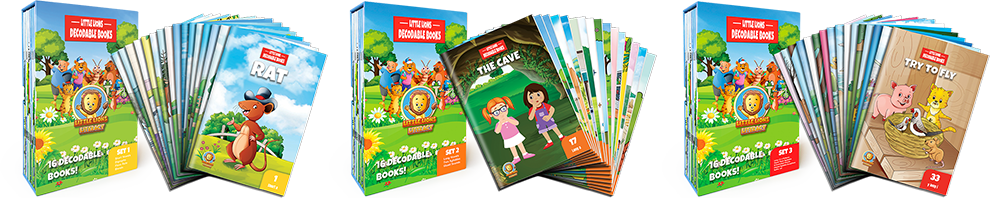
This is a great question because they can look similar on the shelf. The main difference is how the words are chosen. Decodable readers are built with words that a child can sound out using the specific phonics rules they have already been taught. Leveled readers, on the other hand, often use repetitive sentence patterns and picture clues to help a child guess words they haven’t learned to decode yet. Decodable books focus on building a child’s skill, while leveled books can sometimes encourage a habit of guessing.
Not at all! Think of decodable readers as the specific tool your child uses for practicing their decoding skills. It’s incredibly important to continue reading all kinds of wonderful, complex stories to your child. These read-alouds build their vocabulary, comprehension, and love for stories. Decodable books are for the part of the day when your child is the one doing the reading work, applying their skills to become an independent reader.
Absolutely. While decodable readers are a game-changer for students who need extra support, they are beneficial for all beginning readers. Using decodable texts from the start helps every child build a solid foundation in phonics and prevents reading difficulties before they even start. It ensures they learn to rely on sounding out words from day one, which is a crucial habit for strong, confident reading.
Yes, they are learning the most important skill of all: how to actually read the words on the page. The simplicity is intentional. By controlling the vocabulary, these books give children a chance to successfully practice the phonics skills they’ve just learned without being overwhelmed. This success builds the confidence and momentum they need to tackle more complex texts later on. The goal isn’t a complicated plot; it’s to make your child feel like a capable, successful reader.
There isn’t a magic finish line, but you’ll start to see clear signs. As your child masters more and more phonics patterns, they will be able to read with greater ease and accuracy. You’ll notice they are decoding words almost automatically instead of sounding them out slowly. At this point, they will be better equipped to tackle books with a wider range of words. The transition is gradual, but the goal is for decodable books to serve as a bridge that leads your child to confidently reading anything they choose.