For a child who struggles with reading, every book can feel like a test they are destined to fail. This cycle of trying and stumbling can make them believe that reading just isn’t for them. Decodable readers are designed to break that cycle. By presenting stories made up of words your child can actually sound out, these books create consistent moments of success. That feeling of reading a sentence, a page, and then a whole book by themselves is incredibly powerful. It replaces anxiety with pride and shows them they can be a reader. This confidence is the real magic behind decodable readers for dyslexia, helping to foster a positive relationship with books that can last a lifetime.
If you’re supporting a child with dyslexia on their reading journey, you’ve likely heard the term “decodable readers.” So, what exactly are they? Think of them as special storybooks, carefully crafted for new readers. The key difference is that they only use letter sounds and word patterns that a child has already been taught. This simple but powerful approach allows kids to practice their phonics skills without having to guess at words. Instead of feeling overwhelmed by unfamiliar text, they can confidently sound out words, one by one.
This structured method is especially helpful for children with dyslexia. For them, reading can often feel like trying to solve a frustrating puzzle with missing pieces. Decodable books provide the right pieces at the right time. By presenting words that align with what a child knows, these books help them build a solid foundation in reading. They get to experience the incredible feeling of reading a whole book by themselves, which is a huge confidence builder. This positive reinforcement is exactly what many struggling readers need to stay motivated and start seeing themselves as capable readers. These books are truly a parent’s guide to making reading accessible and enjoyable.
The magic of decodable readers lies in their careful construction. The text in these books is specifically tailored to a child’s growing phonics knowledge. This means a book is only truly “decodable” for a student if they have learned the specific letter-sound patterns needed to read the words inside. For example, if a child has learned the sounds for s, a, t, p, i, and n, their decodable book will only contain words made from those letters, like “sat,” “pin,” and “tan.”
This targeted approach allows them to apply their skills immediately, reinforcing what they’ve learned in a meaningful way. It connects the dots between phonics lessons and actual reading, helping them build fluency and comprehension. It’s a systematic process that meets your child exactly where they are on their reading journey.
For children with dyslexia, decodable books can be a complete game-changer. Because they can actually sound out and read the words on the page, they get to feel successful. This sense of accomplishment is incredibly powerful—it builds their confidence and, often for the first time, makes them want to read more. Instead of relying on guessing from pictures or context clues (which can create bad habits), they learn to trust their decoding skills.
This process reduces the frustration and anxiety that so often accompany reading for kids with dyslexia. Each successfully read word and completed page creates a positive feedback loop. They start to see reading not as a chore or a source of stress, but as something they can do. This shift in mindset is crucial for fostering a lifelong love of reading.
At first glance, a decodable reader might look like any other children’s book. But when you open it up, you’ll notice some key differences. While a regular storybook from the library is fantastic for read-alouds and building vocabulary, it often contains complex words and spelling patterns that a new reader hasn’t learned yet. This can lead to guessing, frustration, and a feeling that reading is just too hard.
Decodable books, on the other hand, are specifically designed as practice tools. They are carefully crafted to align with what a child is learning in their phonics lessons. Think of it like learning to play the piano. You start with simple scales and songs that use only the notes you know before you try to play a complex symphony.
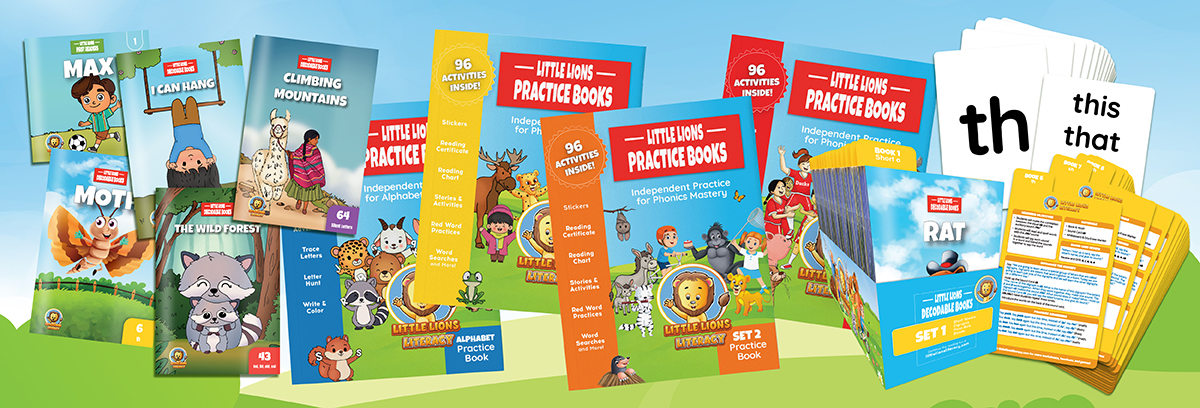
The magic of decodable books lies in their use of “controlled text.” This just means the words in the book are intentionally chosen to include only the letter-sound relationships your child has already been taught. For example, if your child has learned the sounds for the letters s, a, t, p, i, and n, their decodable book will feature words they can successfully sound out, like sat, pin, tap, and pan. This approach removes the guesswork and allows them to apply their phonics knowledge directly. By limiting the vocabulary to words the child can actually decode, these books make the reading process feel manageable and rewarding, turning potential frustration into a moment of triumph.
Decodable books aren’t standalone stories; they are part of a carefully planned sequence. A book is only truly “decodable” for a child if it matches the specific phonics skills they have learned up to that point. This is why quality decodable book sets follow a clear scope and sequence, systematically introducing new letter sounds and patterns one step at a time. As your child’s skills grow, the books they read grow with them, gradually incorporating more complex words and concepts. This ensures they are always building on what they know without feeling overwhelmed by material that is too advanced for their current stage of learning.
Beyond the words themselves, decodable readers also use simple and predictable sentence structures. The goal is to let the child focus all their brainpower on the task of decoding. Sentences are typically short and direct, which helps new readers follow the story and build comprehension without getting tangled in complex grammar. This structure encourages them to rely on their phonics skills to read the words, rather than guessing based on pictures or context. By providing this clear and supportive framework, decodable books help children build confidence and see themselves as capable readers.
Walking into the world of decodable books can feel a bit like learning a new language yourself. With so many options, how do you find the ones that will actually click with your child? The right book can be the key that turns a frustrating task into a moment of triumph. It’s not just about finding a book with simple words; it’s about finding a tool that’s perfectly tuned to your child’s needs, especially if they have dyslexia.
Choosing the right decodable reader means looking for a few key features that work together to build confidence and skill. You’ll want to find books with a dyslexia-friendly design that makes the text clear and approachable. The content should align perfectly with the phonics skills your child has already learned—nothing more, nothing less. And let’s be honest, the stories still need to be fun! Engaging plots and charming illustrations are what keep kids coming back for more. Finally, the best decodable readers are part of a larger, systematic approach, guiding your child step-by-step through their reading journey. Let’s break down what each of these looks like in practice.
A dyslexia-friendly design is all about reducing visual stress and making the text on the page as clear as possible. These books use what’s called “controlled text,” where the words are chosen with incredible care. For example, if a child has learned the sounds for ‘s’, ‘a’, ‘t’, ‘p’, ‘i’, and ‘n’, the book will only feature words they can successfully sound out, like ‘sat,’ ‘pin,’ and ‘tap.’ This careful construction makes the reading experience feel manageable instead of overwhelming.
Beyond the text itself, look for clean layouts with plenty of white space, simple, sans-serif fonts, and clear spacing between letters and lines. These small details make a huge difference in helping a child’s eyes track the words without getting lost or tired.
This might be the most important rule of thumb: a book is only decodable if your child has been taught the phonics skills needed to read it. A book filled with short-vowel words is perfect for a beginner, but it will only cause frustration for a child who hasn’t learned those sounds yet. Before you choose a book, you need to know exactly which letter sounds and phonics patterns your child has mastered.
The goal is to find a book that provides practice for what they know, building fluency and confidence. This is why many of the best decodable readers come in sets that follow a specific scope and sequence. This ensures your child is always working at the “just right” level, reinforcing their skills without pushing them into territory they aren’t ready for.

Let’s clear up a common myth: decodable books are not boring. While this may have been true decades ago, today’s decodable books often feature funny, adventurous, and heartwarming plots with beautiful illustrations to keep kids hooked. A captivating story is a powerful motivator. When a child genuinely wants to know what happens next, they’re more willing to put in the effort to sound out the words.
Look for books with relatable characters and simple, clear storylines that a child can follow. The pictures should support the text, giving clues to the meaning without encouraging guessing. When a child enjoys the reading experience, they start to see themselves as a reader, which is a massive step forward.
Children with dyslexia thrive on structure and predictability. Their brains learn best when information is presented in a clear, logical order. That’s why the most effective decodable readers are part of a systematic, cumulative program. This means each book builds directly on the skills learned in the previous one, introducing new concepts one at a time while consistently reviewing old ones.
This structured literacy approach ensures there are no gaps in a child’s learning. It creates a strong, stable foundation of phonics knowledge that grows with every book they read. When you choose a series with a clear progression, you’re not just giving your child a book; you’re giving them a reliable pathway to becoming a confident reader.
Watching a child struggle with reading can be tough, and for the child, it can be incredibly discouraging. Every stumble can chip away at their self-esteem, making them feel like reading just isn’t for them. This is where decodable readers truly shine. They are specifically designed to turn that experience around by creating a pathway to success, one sound at a time.
Instead of presenting a wall of unfamiliar words, decodable books offer a manageable challenge. They systematically introduce phonetic concepts, allowing children to apply what they’ve learned immediately. This process does more than just teach them to read; it shows them they can read. By building a solid foundation, reducing the frustrating guesswork, and creating consistent moments of achievement, these books help transform a reluctant reader into a confident one.
The magic of decodable books lies in their use of “controlled text.” This means the words are chosen very carefully to align with the phonics skills a child has already been taught. For example, if a child has learned the sounds for the letters ‘s’, ‘a’, ‘t’, ‘p’, ‘i’, and ‘n’, their book will only contain words they can successfully sound out, like ‘sat,’ ‘pin,’ and ‘tap.’ This approach makes reading feel predictable and achievable, not overwhelming. By practicing with words they can decode, children reinforce their understanding of letter-sound relationships, building a solid foundation based on the science of reading.
Many struggling readers develop a habit of guessing words based on pictures or the first letter. While it might seem like a helpful strategy, it prevents them from learning how to actually decode words. Decodable texts are a powerful tool to break this cycle. Because every word is sound-out-able using the skills they’ve learned, children are encouraged to rely on their phonics knowledge instead of taking a wild guess. This helps them build genuine reading skills and feel more in control. As they realize they have the tools to figure out the words on the page, their confidence grows, and the frustration that often comes with reading begins to fade.
For a child with dyslexia, decodable books can be a complete game-changer. They break the painful cycle of trying and failing by providing an opportunity for success on every single page. When children can actually read the words in front of them, they feel a huge sense of accomplishment. These small victories are incredibly powerful. They build on each other, replacing feelings of anxiety with pride and motivation. This positive reinforcement is key to fostering a love of reading. When a child feels successful, they are far more likely to want to read more, creating a positive feedback loop that supports their entire literacy journey.
Finding the right books for a child with dyslexia can feel like searching for a needle in a haystack. You want something effective, but you also want your child to enjoy reading. The good news is, you don’t have to choose between the two. We’ve gathered a list of the best decodable readers that are specifically designed to support children with dyslexia, helping them build skills and confidence one page at a time.
Each of these options is built on the principles of structured literacy, meaning they follow a clear, systematic phonics progression. This approach is a game-changer because it takes the guesswork out of reading. Instead of memorizing or guessing words, your child learns to decode them based on the phonics rules they’ve already been taught. This method empowers them, showing them that they have the tools to read successfully. From engaging stories for the youngest learners to more mature themes for older kids, this list has something to help every reader feel capable and proud.
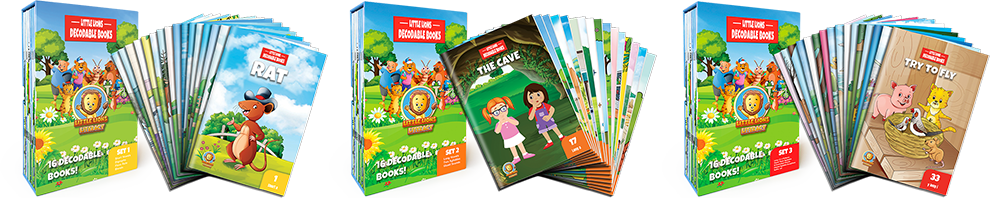
We designed our Little Lions Literacy decodable books with one goal in mind: to make learning to read a fun and successful experience for every child, especially those with dyslexia. Our books follow a careful and systematic phonics sequence, introducing new sounds and skills step-by-step. This structured approach ensures that children are never asked to read a word they haven’t been taught the skills to decode. With bright illustrations and engaging stories, our books build critical decoding skills, improve fluency, and, most importantly, help your child see themselves as a reader. They provide the practice and reinforcement needed to turn phonics lessons into confident reading.

The Wilson Reading System is a highly respected, research-based program grounded in Orton-Gillingham principles. It’s a comprehensive system that emphasizes phonemic awareness and the explicit teaching of sounding out words. The program uses multi-sensory techniques to help solidify learning, making it incredibly effective for students with dyslexia. The accompanying Wilson Readers progress through 12 structured steps, ensuring that students are always working with text that matches their skill level. While often used in schools or with tutors, these readers are a fantastic resource for providing targeted, systematic practice that directly supports the Wilson curriculum.
It can be challenging to find decodable books that appeal to older children who are still working on foundational reading skills. That’s where Phonic Books truly shines. They offer a wide range of decodable books with engaging, age-appropriate themes and illustrations designed for older, struggling readers. From fantasy adventures to spy missions, their stories capture the interest of kids who have outgrown simpler picture books. This allows them to practice essential phonics skills in a way that feels respectful of their age and interests, helping to rebuild confidence and motivation.
The Barton Reading & Spelling System is a powerful, one-on-one tutoring program designed for children and adults who struggle with reading and spelling due to dyslexia. It’s another system that is heavily influenced by the Orton-Gillingham approach. The program includes its own set of decodable readers that are perfectly aligned with the lessons, providing the essential practice needed for mastery. Because the Barton System is so structured and explicit, it’s incredibly effective for students who need intensive, targeted support. The readers are simple and focused, ensuring the student can concentrate on applying the specific phonics rules they are learning.
Dcode Dyslexia offers a collection of decodable readers created specifically for young learners who have dyslexia or other reading difficulties. The core principle behind these books is to only use words that can be easily sounded out based on the phonics skills a child has already acquired. This direct and predictable approach helps eliminate frustration and builds a strong sense of accomplishment. The stories are designed to be simple, clear, and supportive, giving children successful reading experiences from the very beginning. For a child who has struggled with reading, the confidence gained from successfully reading a Dcode Dyslexia book can be incredibly powerful.
Having the right decodable books is a fantastic start, but how you use them at home can make all the difference. You don’t need to be a reading specialist to create a supportive environment. A few simple, consistent practices can transform reading time from a struggle into a positive experience for your child. These strategies are designed to be low-stress and easy to fit into your daily life, helping your child build skills and, just as importantly, find joy in reading. By focusing on routine, comprehension, and fluency, you can help them feel successful and motivated on their reading journey.
This one is all about making reading a comfortable and predictable part of the day. Aim for a short, consistent reading time—just 10 to 15 minutes daily is perfect. The key is consistency, not marathon sessions. Find a time that works for your family, whether it’s after school or right before bed. Create a cozy reading spot together, maybe with some comfy pillows and good lighting. This special space signals that it’s time to relax and enjoy a book. A predictable reading routine helps reduce anxiety and makes practice feel like a natural, enjoyable habit rather than a chore.
Reading is more than just saying the words on the page; it’s about understanding the story. You can support your child’s comprehension by asking simple questions before, during, and after they read. Before they start, look at the cover and ask, “What do you think this book will be about?” While reading, you can ask, “What do you think will happen next?” Afterward, try something like, “Tell me about your favorite part.” These conversations make reading interactive and help your child connect with the text. Many decodable book sets also include discussion questions or activities to guide you.

Have you ever noticed how kids love to watch the same movie over and over? The same principle applies to books! Encouraging your child to re-read their favorite decodable stories is one of the best ways to build fluency. Fluency is the ability to read with speed, accuracy, and expression. When a child re-reads a book, they become more familiar with the words, so they can focus less on decoding and more on reading smoothly. This practice is a huge confidence builder. Hearing themselves read a book well is incredibly rewarding and shows them how much progress they’re making. It turns “I can’t” into “I can!”
Think of finding the right decodable book like finding the perfect pair of shoes for your child. If they’re too big, they’ll trip and stumble. If they’re too small, they’ll be uncomfortable and frustrated. The goal is to find the book that fits just right—one that offers a little challenge to help them grow but is comfortable enough for them to walk (or read) forward with confidence. This sweet spot is where the magic happens. It’s where frustration fades and a sense of accomplishment takes over, turning reading from a chore into a joy.
When a child with dyslexia is handed a book that aligns with what they’ve learned, they can finally put their skills into practice successfully. Instead of guessing or feeling overwhelmed by unfamiliar words, they get to experience what it feels like to actually read. This positive reinforcement is incredibly powerful. It shows them that reading is a code they can crack, one sound at a time. Finding that “just right” book isn’t just about getting through a story; it’s about building a foundation of confidence that will support them for years to come.
The secret sauce of decodable readers is that they use “controlled text.” This just means the words in the book are carefully chosen to include only the letter sounds your child has already learned. For example, if your child has mastered the sounds for the letters s, a, t, p, i, and n, their book will be filled with words they can successfully sound out, like sat, pin, tap, and pan. This intentional design removes the guesswork and makes reading feel less like a puzzle with missing pieces. To find the right starting point, you can check the book’s phonics focus or follow a structured scope and sequence that introduces skills in a logical order.
A great rule of thumb for checking a book’s difficulty is the “five-finger rule.” As your child reads a page, hold up a finger for each word they struggle with or don’t know. If you get to five fingers before the page is done, the book is likely too challenging for them right now. It’s better to set it aside and try again in a few weeks. On the flip side, if they breeze through every word without any effort, the book might be too easy and won’t help them progress. You’re looking for that sweet spot where they can read most of the words but are gently challenged by a few, creating a positive and productive reading experience.
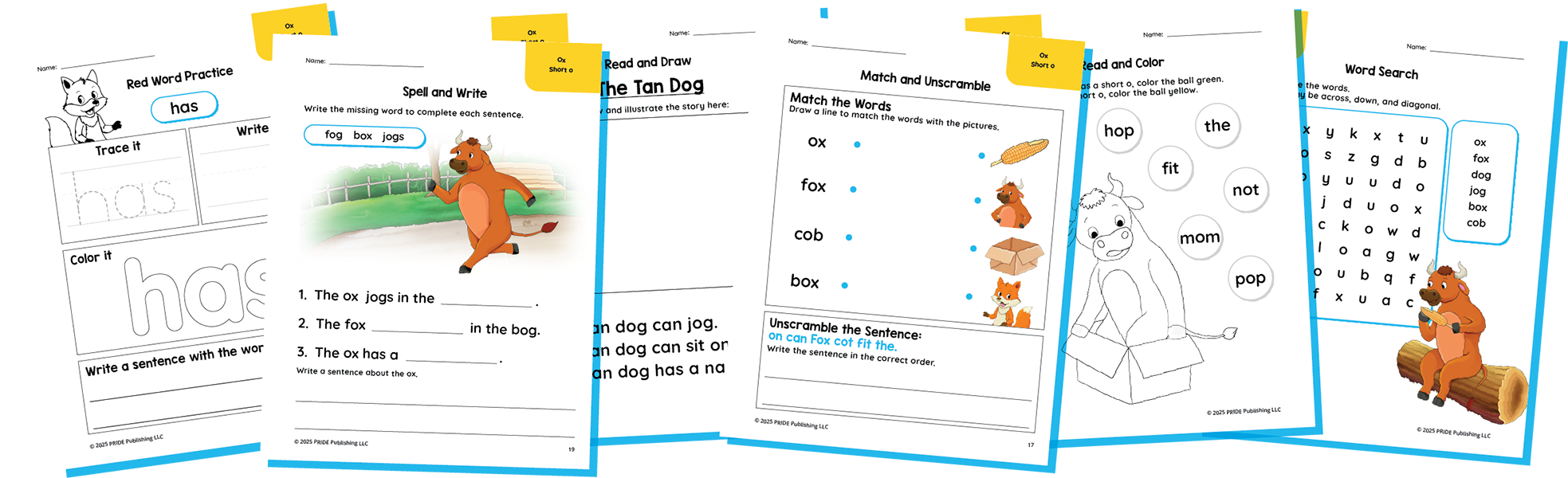
Once you know what to look for, finding great decodable readers is easier than you might think. You can find them at specialized online stores, through educational suppliers, and even for free. Here’s a breakdown of where to start your search.
Many online stores specialize in literacy resources, making it simple to find exactly what you need. Of course, we’re passionate about this at Little Lions Literacy, where we offer a variety of decodable book sets with engaging stories designed to follow a systematic phonics plan. For older children or those with different interests, UK-based Phonic Books provides age-appropriate stories with a wide range of themes. Another excellent resource is Dcode Dyslexia, which features a 5-pack of CVC short vowel readers that serves as a perfect starting point for building foundational skills.
You don’t always have to spend money to find quality materials. Several organizations offer fantastic free resources that you can print right at home. The Australian non-profit SPELD SA provides a wonderful library of free, printable decodable books that are perfect for parents and teachers looking for accessible options. You can also find curated lists of high-quality decodable books and passages from sites like The Literacy Nest. These resources make it easy to find texts that align perfectly with your child’s phonics instruction without breaking the bank.
Everyone loves a good deal, and there are definitely ways to find decodable readers at a lower cost. Keep an eye on sites like Dcode Dyslexia, which sometimes offers discounted bundles on their reader sets. It’s also a great idea to search for blogs and resource sites that compile lists of free downloads and special offers. Many educators and literacy specialists share these finds, making it easier for you to stock your child’s library with budget-friendly books that support their reading journey.
When you’re exploring new tools to support your child’s reading, it’s easy to run into conflicting information. Decodable readers are an incredibly effective resource, especially for kids with dyslexia, but a few common myths can cause confusion. Let’s clear the air on some of the biggest misconceptions so you can feel confident about how these books fit into your child’s reading journey. By understanding what they are—and what they aren’t—you can use them to their full potential.
Let’s be honest: this myth has roots in reality. Decades ago, many decodable texts were pretty dry, often consisting of repetitive and nonsensical sentences. But things have changed dramatically. Today’s decodable books are created with a focus on engaging young readers. Publishers understand that for a child to practice reading, they have to want to pick up the book. That’s why you’ll now find books with fun characters, compelling storylines, and beautiful illustrations. The goal is to build skills without sacrificing the joy of getting lost in a good story.
This is a big one, but it’s simply not true. Think of decodable readers as a specific tool for a specific job: helping your child practice the phonics skills they are actively learning. They are not meant to replace your child’s entire library. It’s still incredibly important to read a wide variety of books to your child. Picture books, chapter books, and non-fiction expose them to rich vocabulary and complex sentence structures that are essential for building language comprehension. A healthy reading diet includes both books your child reads to you (decodables) and books you read to them (everything else!).
Aren’t decodable books the same as the “easy readers” I see at the bookstore? That’s a great question, as they can look similar on the shelf. The key difference is in how the words are chosen. Most “easy readers” are designed to be memorized and often rely on repetition and high-frequency sight words. Decodable books, on the other hand, are built with words your child can actually sound out using the specific phonics rules they have already been taught. This intentional design helps them practice their skills instead of guessing.
How long will my child need to use decodable books? Think of decodable books as a bridge. They are a temporary tool designed to help your child build a strong phonics foundation and gain confidence. They aren’t meant to be used forever. As your child masters more complex phonics patterns and becomes a more fluent decoder, they will naturally be ready to move on to a wider variety of books. The goal is to use them for as long as they are helpful for building those core skills.
Should my child only read decodable books? Absolutely not! Decodable books are for your child’s independent reading practice—the books they read to you. It is still incredibly important for you to read all sorts of other books to them. Reading rich, engaging picture books and chapter books aloud builds their vocabulary, comprehension, and love for stories. A healthy reading life includes both skill-building practice and the joy of sharing wonderful literature together.
What if my child still tries to guess words instead of sounding them out? This is a very common habit, especially for kids who have found reading frustrating in the past. When this happens, you can gently cover the illustration with your hand and point to the word. Encourage them by saying something like, “Let’s look at the sounds in this word.” This small action redirects their attention from the picture clue back to the letters on the page. The goal is to keep it positive and show them they have the tools to figure it out.
How do I know which decodable book to start with? The best place to start is by matching the book to the phonics skills your child has already learned. Quality decodable book sets will tell you exactly which letter sounds or patterns are featured in each book (for example, “short a” or “CVC words”). If you’re unsure, you can use the “five-finger rule”: have your child read a page, and if they struggle with five or more words, the book is likely too advanced for now. You want to find that sweet spot where they feel successful but are still gently challenged.