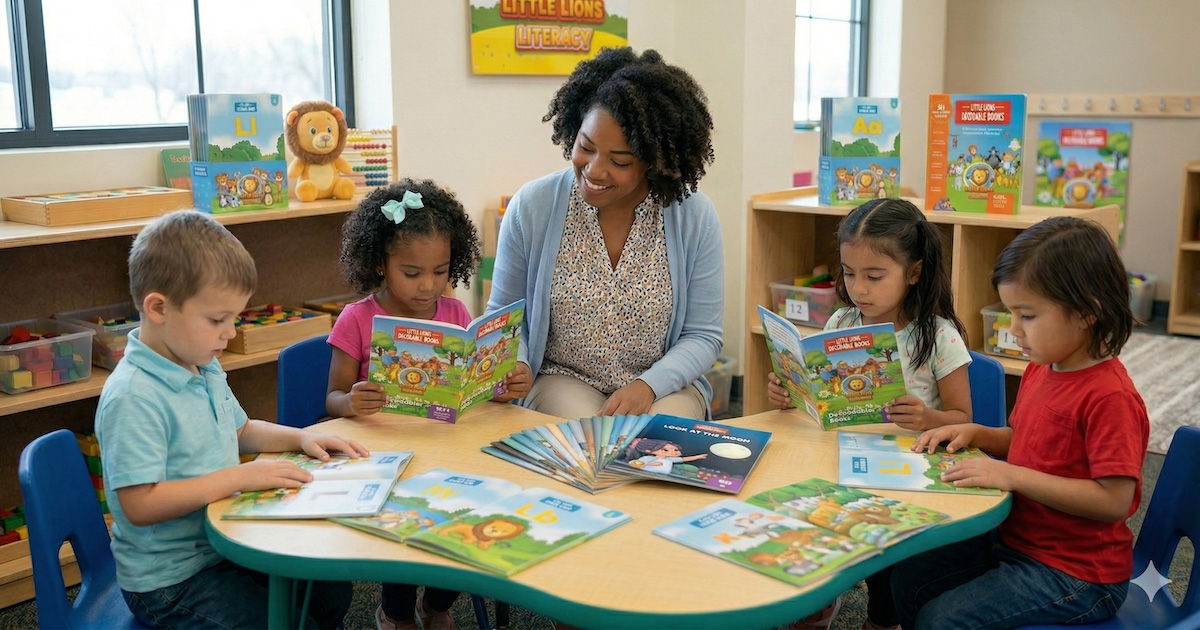
One of the greatest gifts you can give a new reader is the feeling of success. When a first grader picks up a book and can actually read the words on the page by themselves, their confidence soars. That “I did it!” moment is what motivates them to keep practicing. This is the magic of decodable readers. Unlike other early readers that can encourage guessing, these books are built to ensure your child can succeed using the phonics skills they know. We’ll explore how to choose the right decodable readers for first grade, how to use them at home, and recommend some of our favorite sets.
If you’re supporting a first grader on their reading journey, you’ve likely heard the term “decodable readers.” So, what are they? Simply put, decodable readers are short, engaging stories written specifically for new readers. The words in these books are carefully chosen to include only the letter sounds and phonics patterns your child has already been taught. This allows them to practice sounding out words, or “decoding,” instead of relying on guessing from pictures or memorizing whole words. For first graders, who are building the foundational skills for a lifetime of reading, these books are an absolute game-changer. They provide the targeted practice needed to turn phonics lessons into fluent reading.
Decodable books are the bridge between learning letter sounds and reading connected text. The magic is in their construction: every word is deliberately selected to be “sound-out-able” for a child at a specific stage. If your first grader has learned short vowel sounds and a few consonants, their decodable book will feature words like “cat,” “sit,” and “run.” This systematic approach reinforces their phonics knowledge and teaches them that reading is a code they can crack, not a guessing game. By focusing on decoding, these books help children develop the most effective and reliable strategy for tackling new words, setting them up for long-term reading success.
One of the most beautiful things about decodable readers is the incredible confidence they build. Because your child can successfully sound out most of the words on their own, they get to experience the pure joy of reading a book by themselves. That feeling of “I did it!” is powerful. Each successful page turn and finished story makes them feel proud and capable, which in turn motivates them to pick up the next book. This positive feedback loop is crucial. When children feel successful, they are more willing to practice, and that consistent practice is what transforms them into strong, confident readers who genuinely enjoy books.
It’s easy to get decodable readers confused with another common type of early book: the leveled reader. Leveled readers (sometimes called predictable books) often use repetitive sentence patterns and rely heavily on picture clues to help a child guess the words. For example, a book might say, “I see a ball,” “I see a doll,” “I see a car,” with pictures guiding the child. While well-intentioned, this can encourage guessing, which isn’t a sustainable reading strategy. A book is only truly decodable if a child has been taught the specific phonics rules needed to read the words inside. This is why decodable book sets progress through a specific sequence, introducing new skills step-by-step.
Picking out the right decodable books can feel like a big task, but it’s really about matching the book to your child’s current skills. You want to find that sweet spot where they feel challenged but not overwhelmed. When a child can successfully sound out the words on the page, their confidence soars, and they start to see themselves as a “real reader.” Let’s walk through the four key things to look for to make sure you’re choosing the perfect books for your first grader.
A book is only “decodable” if your child has already been taught the phonics rules needed to read it. So, a book full of silent ‘e’ words won’t be decodable for a child who has only learned short vowel sounds. The best decodable book series introduce new skills in a step-by-step, logical order. Before you buy, check the book or series’ scope and sequence—a list of the phonics skills covered and the order they’re taught. This helps you align the books with what your child is learning in school or what you’re teaching them at home, ensuring they’re set up for success from the very first page.
First graders are doing some heavy lifting when it comes to phonics. They’re moving from simple CVC (consonant-vowel-consonant) words like ‘cat’ and ‘dog’ to more complex patterns. When choosing books, look for ones that specifically target the skills your child is working on. For example, if they just learned the short ‘a’ sound, the book should feature plenty of words like ‘cat,’ ‘sat,’ and ‘mat.’ As they progress, you’ll want books that introduce consonant blends (like fl in flag), digraphs (like sh in ship), and long vowel sounds. The goal is to give them targeted practice with the exact skills they need to master.
The term “controlled vocabulary” simply means that most of the words in the book are ones your child can sound out using the phonics skills they already know. A good rule of thumb is that about 75% of the words should be decodable for your reader. This is the magic ingredient for building confidence. When kids aren’t constantly stumbling over unfamiliar words, they can focus on practicing their skills and enjoying the story. The other 25% usually includes a few new high-frequency words and maybe one or two new phonics patterns, gently stretching their abilities without causing frustration.
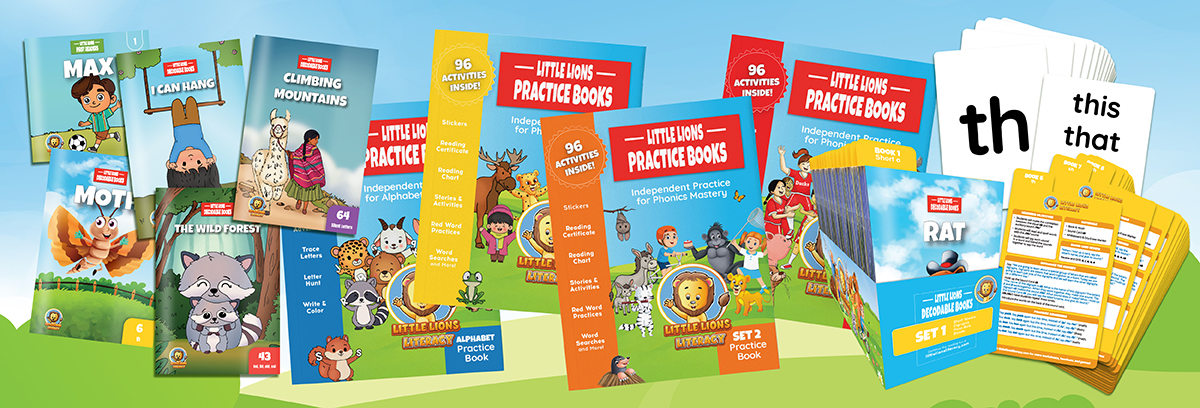
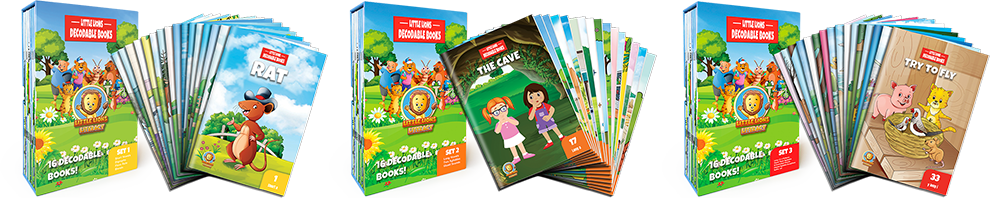
Let’s be honest, if a book is boring, your child won’t want to read it. Thankfully, today’s decodable books have come a long way! Look for books with fun characters, simple plots, and colorful illustrations that support the story. The pictures should give clues to the context but not give the words away—we want kids to decode, not guess. Kids get so excited when they can read a “real” book, and choosing a progressive series like the Little Lions Literacy sets can be incredibly motivating. As they finish one book and move to the next, they can clearly see their progress, which is a huge win for keeping them engaged.
With so many options out there, finding the right decodable books can feel overwhelming. To make it easier, I’ve gathered a few of the best and most trusted series for first-grade readers. Each of these publishers offers a structured approach to phonics, helping your child build skills and confidence one book at a time.
Think of decodable books as “training wheels” for reading. They give kids a chance to practice the letter sounds and spelling patterns they’ve already been taught. The words are chosen carefully so children can sound them out using their phonics knowledge instead of guessing from pictures. Little Lions Literacy books are designed specifically for this purpose. The sets progress through a clear scope and sequence, ensuring your child is never asked to read a word with a phonics pattern they haven’t learned yet. This systematic approach builds a strong foundation and makes your child feel successful with every page they turn.
You’ve probably seen these little square books before—Bob Books are a classic for a reason. They are widely available and have been helping kids learn to read for decades. The simple, often silly stories and line-drawn illustrations are very approachable for young children who are just starting their reading journey. While they follow a phonics-based progression, their main strength is their simplicity and charm, which can make them a fun, low-pressure introduction to reading for kids who might feel intimidated by other books. You can find Bob Books sets that target different reading stages.
Heggerty is another fantastic resource that aligns with the Science of Reading. Their Heggerty Library Decodable Books—Frog Set is a collection of eight books created just for first graders. What’s great about this set is its mix of four fiction and four non-fiction titles, which helps expose young readers to different types of texts. Each book is designed to be fully decodable, easy to understand, and engaging. By providing stories that kids can successfully sound out, Heggerty helps build that all-important confidence that keeps them motivated to keep reading and learning.
If you’re looking for books that target specific phonics skills, Flyleaf Publishing is an excellent choice. Their books are known for being comprehensive and meticulously aligned with a structured literacy approach. For first graders, this means you can find books that focus on everything from short vowels to more complex patterns like consonant blends and digraphs. This makes it easy to match a book to exactly what your child is learning in school or needs extra practice with. The stories are engaging, and the illustrations are beautiful, making the Flyleaf decodable books a high-quality addition to any home library.
Just Right Reader creates phonics programs and decodable books based on the Science of Reading, meaning their materials follow a step-by-step method that’s proven to work. Their books are colorful, engaging, and come in libraries that are carefully leveled to grow with your child. For first graders, this means you can find a set that meets them exactly where they are and guides them to the next level. The focus is on building strong foundational skills in a way that feels fun and rewarding. Their decodable libraries are a great way to ensure your child always has a book that’s a perfect fit.
Bringing decodable books into your home is a fantastic first step, but how you use them makes all the difference. Think of these books as your child’s personal training equipment for reading. With a little guidance and a consistent approach, you can turn daily practice into a powerful engine for their literacy journey. It’s not about long, grueling sessions; it’s about creating small, positive habits that build on each other, making reading a natural and enjoyable part of your family’s life. The key is to integrate these moments seamlessly into your day, showing your child that reading isn’t just a school subject—it’s a lifelong source of connection and discovery.
The goal is to make reading feel like a fun challenge, not a frustrating chore. When a child feels successful, they want to keep going. By establishing a simple routine, celebrating progress through re-reading, and balancing skill practice with the joy of storytelling, you create a supportive environment where your child can thrive. It’s also helpful to know a few common pitfalls to sidestep along the way. These simple strategies will help you transform practice time into a cherished part of the day and watch your little reader’s confidence soar. We’ll walk through exactly how to do that.

Consistency is your best friend when it comes to building reading skills. Establishing a daily reading routine, even if it’s just for 10-15 minutes, can make a huge impact. Find a time that works for your family’s schedule—maybe it’s right after school, before bed, or while a younger sibling is napping. The key is to make it a predictable and positive part of the day. A cozy spot can make it feel special, so grab a comfy chair or some pillows and snuggle up together. This dedicated time signals to your child that reading is a priority and gives them the regular practice they need to build strong foundational skills.
Have you ever noticed your child wanting the same book over and over? That’s actually a great instinct! Encouraging your first grader to re-read familiar decodable books is one of the best ways to develop reading fluency. The first time through a book, they are focused on decoding—sounding out each word. With each subsequent read, their brain starts to recognize the words more quickly. This allows them to read faster, smoother, and with more expression. This repetition builds incredible confidence, transforming choppy reading into a performance they can be proud of. So next time they reach for that same book, celebrate it as a step toward mastery.
While decodable books are essential for practice, it’s just as important to continue reading aloud to your child every day. This is your chance to share the magic of storytelling without the pressure of decoding. Choose rich picture books with engaging plots, complex characters, and beautiful language. Reading aloud builds their vocabulary and comprehension skills by exposing them to words and sentence structures they aren’t ready to read on their own. It also models what fluent, expressive reading sounds like and, most importantly, nurtures a deep and lasting love for books. This balance ensures they are building skills while also remembering why reading is so wonderful.
One of the most common mistakes is letting a child guess a word based on the picture. While it might seem helpful in the moment, it creates a bad habit that undermines the whole point of phonics. Decodable books are designed to make kids use their decoding skills. If they get stuck, gently cover the picture and prompt them to “sound it out.” Another thing to remember is that a book is only truly “decodable” if your child has learned the letter-sound patterns in it. That’s why using a progressive series, like the book sets from Little Lions Literacy, is so effective. It ensures your child is always working with skills they’ve already been taught, setting them up for succes
Once you know what to look for, finding the right decodable readers is the next step. Great books are available from specialized educational publishers and even online for free. The key is to find a series that aligns with your child’s phonics program and keeps them excited about reading. Whether you’re buying a single set for home or outfitting an entire classroom, there are fantastic options for every budget.
Many companies specialize in creating high-quality decodable books that align with the Science of Reading. For a comprehensive solution, Just Right Reader offers phonics programs and book sets for a wide range of ages. If you’re looking for something specific to first grade, Heggerty’s Frog Set includes eight engaging books designed to be simple for new readers to sound out. Another excellent option is the WP UFLI 1st Grade Decodable Book Set from Whole Phonics, which includes 47 books that build skills progressively. These publishers focus on creating materials that directly support structured literacy instruction.
You don’t have to spend a lot to get quality decodable texts. Many publishers and educational websites offer free resources that are perfect for supplementing your child’s reading practice. For example, Flyleaf Publishing provides free online access to all 89 of its high-quality decodable books for the school year, complete with helpful teacher guides. You can also find many free books and reading passages online from other sources. If you’re an educator or homeschool parent looking to buy in larger quantities, check with publishers about bulk discounts. This can make it much more affordable to build a classroom library filled with books for practicing specific phonics skills.
How do you know the decodable readers are working? You’ll see your child begin to tackle new words by sounding them out instead of guessing from pictures or context clues. This is a huge step! Each time they successfully read a word, a sentence, or a whole page, their confidence grows. This is the magic of decodable books. That repeated success helps them read more smoothly and with greater expression, a skill known as fluency. You’re not just teaching them to read words; you’re showing them that they can be readers. This positive reinforcement is crucial for building a lifelong love of reading.
My child’s school sends home leveled readers. Should we still use decodable books? This is a very common situation, and the simple answer is yes! Think of decodable books as the perfect supplement to what your child is doing at school. While leveled readers often encourage using pictures and patterns to guess words, decodable books provide the focused phonics practice your child needs to become a strong decoder. Using decodable books at home for just 10-15 minutes a day will strengthen their foundational skills, which will ultimately help them read all books, including the ones from school, more successfully.
Are decodable books the only thing my first grader should be reading? Not at all! It’s all about balance. Decodable books are for your child to practice reading to you. They are the tools for building skill and independence. At the same time, you should continue reading rich, engaging, and more complex picture books to your child. These read-alouds are where you build their vocabulary, introduce them to amazing stories, and nurture their overall love for reading. One type of book is for practice, the other is for pleasure and connection.
How do I know when my child is ready to move on from decodable readers? There isn’t a sudden graduation day, but you’ll start to see clear signs. Your child will begin reading the decodable books with much more speed and accuracy, without needing to sound out every single word. This means their phonics knowledge is becoming automatic. As they master more advanced phonics patterns, they will naturally be able to read a wider variety of authentic texts. You can then start introducing simple chapter books alongside their decodables, gradually shifting the balance as their confidence and skills grow.
What should I do if my child gets frustrated while reading a decodable book? First, remember that frustration is normal when learning any new skill. If your child gets stuck, keep the mood light and supportive. Gently guide them to touch each letter and say its sound, then blend the sounds together. It’s also important to keep reading sessions short and positive. If a particular book is consistently causing frustration, it might be a sign that it’s a bit too advanced. Try going back to an earlier book in the series to review skills and rebuild their confidence before trying again.
How can I tell if a decodable book is at the right level for my child? A book is only truly decodable if your child has been taught the phonics skills inside it. The best way to check is to have them try a page. A good rule of thumb is that they should be able to read about 75-80% of the words correctly by sounding them out. If they are struggling with more than a few words per page, the book is likely too challenging for now. The goal is to find that sweet spot where they feel successful but are still practicing the skills they need to learn.