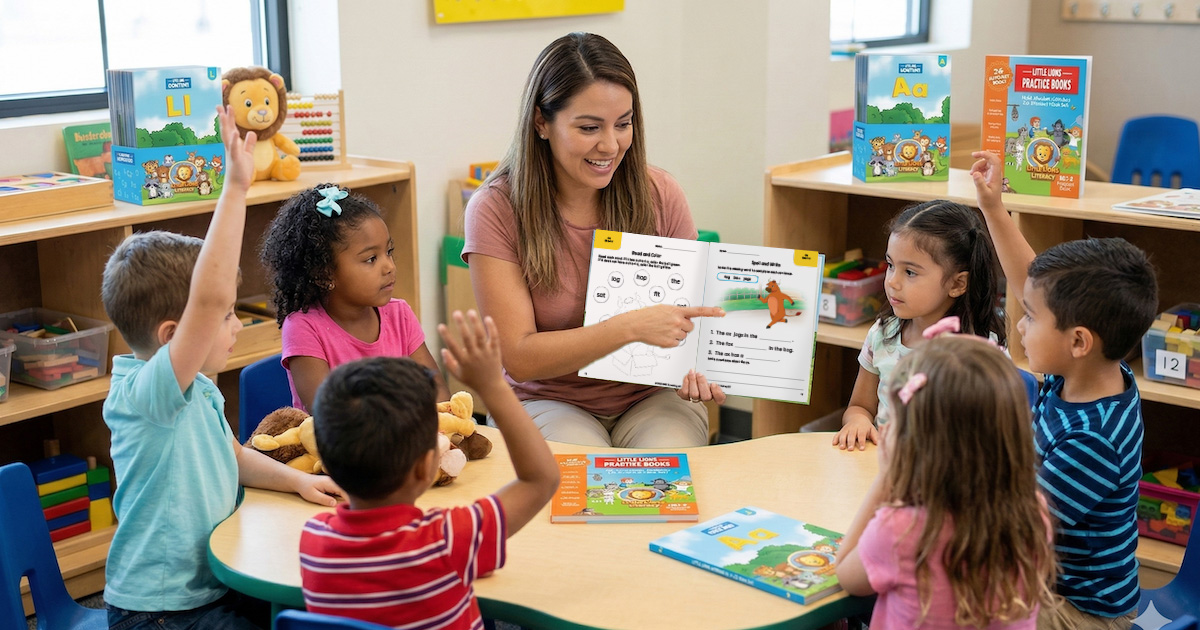
Have you ever listened to your child read a page aloud, only to ask them a simple question about the story and get a blank stare in return? It’s a common and often frustrating moment for parents and teachers. This gap between sounding out words and understanding them is a huge hurdle in early literacy. The truth is, decoding is only half the battle. The ultimate goal is comprehension—the ability to think about and connect with a story. This is precisely why decodable readers with comprehension questions are such a powerful resource. They are intentionally designed to bridge that gap, providing targeted phonics practice while actively encouraging kids to think about what they’re reading.
If you’re new to the world of early literacy, you might be hearing a lot about decodable readers. So, what are they? Think of them as special books designed to help your child practice their budding phonics skills. Unlike a random storybook from the library, every word in a decodable reader is carefully chosen. These books are structured to include specific letter sounds and phonetic patterns that a child is currently learning, allowing them to sound out words and build confidence.
But reading isn’t just about sounding out words—it’s about understanding the story. That’s where comprehension questions come in. Good decodable readers include questions that encourage kids to think about what they just read. This dual focus is key. It ensures children are not only practicing their decoding skills but are also learning to make sense of the text. This combination helps build a solid foundation for becoming a proficient, thoughtful reader.
You might wonder how decodable books are different from the classic children’s stories we all know and love. While traditional books often feature rich language and imaginative plots, their main goal isn’t to teach phonics. Decodable books, on the other hand, are specifically crafted to align with phonics instruction. Their primary purpose is to give new readers a chance to apply the phonics rules they’ve learned in a controlled, supportive way. This focused practice is what helps them build the skills they need to eventually tackle more complex stories with confidence.
Adding comprehension questions to decodable readers is about so much more than just checking a box. It’s a vital step in teaching children how to think about what they read. Research shows that direct comprehension strategy instruction helps kids become active and purposeful readers. By asking simple, open-ended questions like, “Who was the story about?” or “What happened at the end?”, you encourage them to pause, reflect, and organize their thoughts. This simple practice helps them connect with the material, improve their understanding, and start conversations about the stories they read.
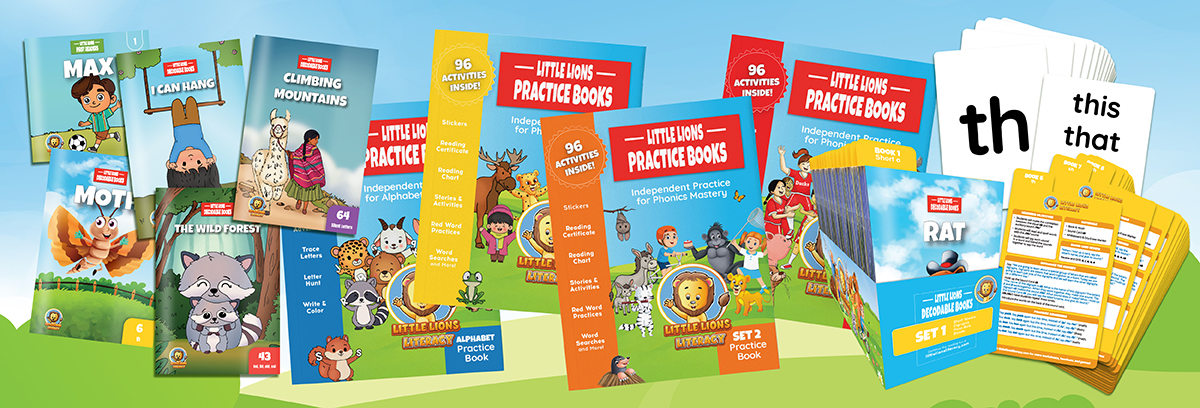
When a child is learning to read, we’re really teaching them two big skills at once: how to sound out the words on the page (decoding) and how to understand what those words mean together (comprehension). It’s a lot to juggle! Decodable readers paired with comprehension questions are designed to connect these two skills seamlessly. They create a bridge from simply reading words to truly reading a story, making the entire process less overwhelming and much more rewarding for new readers.
Decodable books are carefully crafted to include words that follow the phonics rules your child is currently learning. As Reading Universe puts it, they give students a chance to use the letter-sound rules they’ve been taught in real reading. Instead of guessing words from pictures or context, your child gets to practice applying their new skills, which builds confidence and accuracy.
Think of it like this: you wouldn’t ask a new piano student to play a complex sonata. You’d start them with scales. Decodable books are the “scales” of reading. They provide focused, successful practice that builds a solid foundation, preparing young readers to tackle more complex books down the road.
The ultimate goal of reading is to understand the story. When a child reads a decodable book, their brain isn’t working overtime trying to figure out unfamiliar words. Because the text is accessible and aligned with their skills, they can dedicate more mental energy to thinking about the plot, characters, and events.
This is where comprehension questions come in. They guide children to think about what they’re reading, prompting them to recall details, make connections, and understand the story on a deeper level. This practice teaches them from the very beginning that reading isn’t just about saying words correctly—it’s about making meaning. It helps them develop the comprehension skills that all strong readers need.
For children who find reading challenging, decodable books can be a game-changer. The systematic and predictable nature of the text reduces anxiety and provides a clear path for progress. Each book they finish is a success that builds their confidence and motivation to keep going. These books are invaluable tools for building strong reading foundations because they allow students to practice phonics patterns in actual text.
In a classroom with learners at different levels, decodable readers are a fantastic resource. They allow educators to provide targeted instruction that meets each child where they are. The accompanying comprehension questions help teachers check for understanding and identify areas where a student might need a little extra support, ensuring every child has the tools they need to become a successful, confident reader.
When you’re searching for the right decodable readers, it can feel like all the options start to blend together. But the best ones share a few key features that make them powerful tools for teaching kids to read. Knowing what to look for will help you choose books that not only build skills but also get your young readers excited about picking up a book. A great decodable reader is more than just a collection of simple words; it’s a carefully designed resource that supports both the technical and the joyful sides of reading.
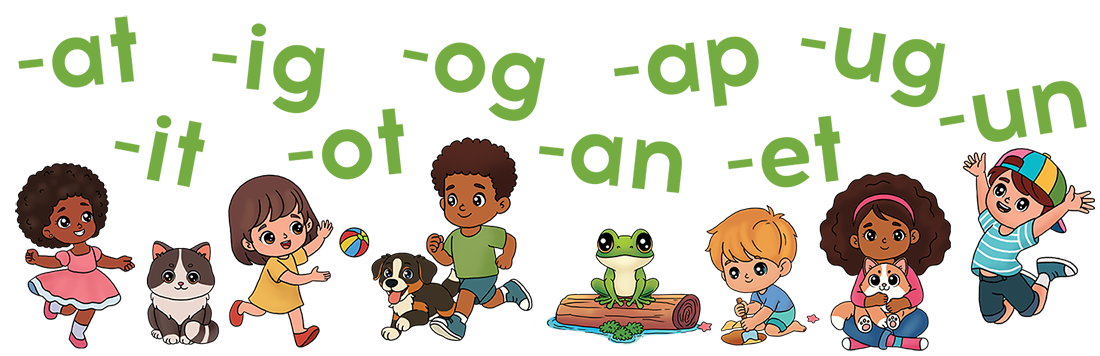
The foundation of any effective decodable book series is a clear and logical phonics scope and sequence. This is essentially the roadmap that outlines which phonics skills are taught and in what order, starting with simpler concepts and gradually moving to more complex ones. The books are written to align perfectly with this map. For example, a child who has just learned short ‘a’ sounds will get a book filled with words like “cat,” “Sam,” and “ran.” This structure ensures that children are only asked to read words containing sounds they’ve already been taught, which builds confidence and reinforces their learning. The main purpose of a decodable text is to give students a chance to practice and apply phonics rules, so a strong sequence is non-negotiable.
Decoding words is the first step, but the ultimate goal of reading is understanding. That’s why thoughtful comprehension questions are so important. These questions turn reading from a simple word-calling exercise into an act of making meaning. Look for questions that go beyond basic recall. Instead of just asking, “What did the cat do?” a good question might be, “Why do you think the cat sat on the mat?” This encourages kids to think critically about the story, make inferences, and connect the text to their own experiences. These questions confirm that a child is truly building reading comprehension, not just sounding out letters.
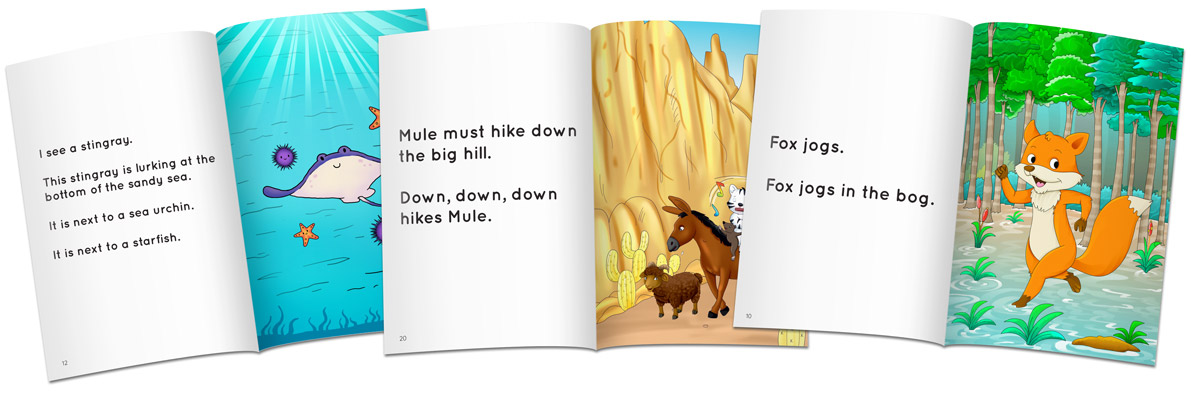
Let’s be honest: because decodable readers are limited to specific phonics patterns, some of them can be a little dull. The best ones overcome this challenge with engaging stories and vibrant illustrations that capture a child’s imagination. A simple plot about a pig in a wig becomes much more exciting with funny pictures and a relatable character. When children are invested in the story, they are more motivated to work through challenging words. The illustrations also provide important context clues that can help them decode new words and understand the narrative. Our Little Lions Literacy Decodable Book Sets are designed with this in mind, featuring lovable characters and fun adventures that make kids want to turn the page.
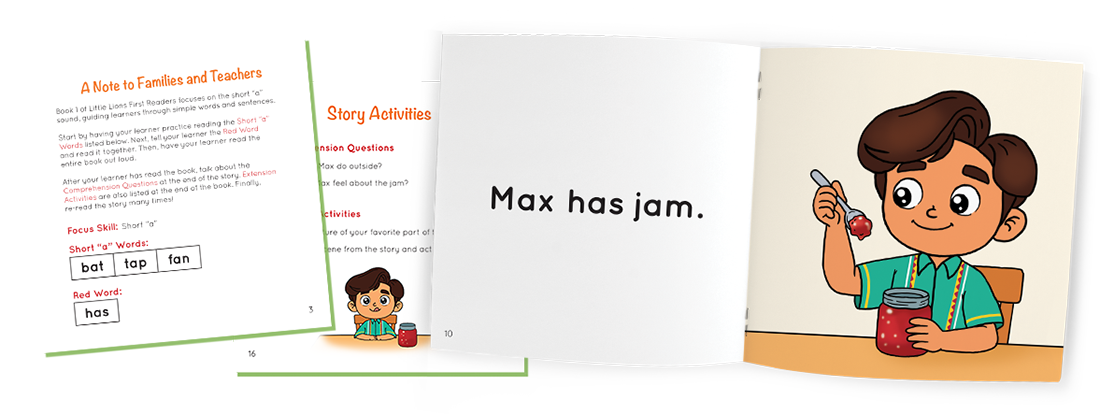
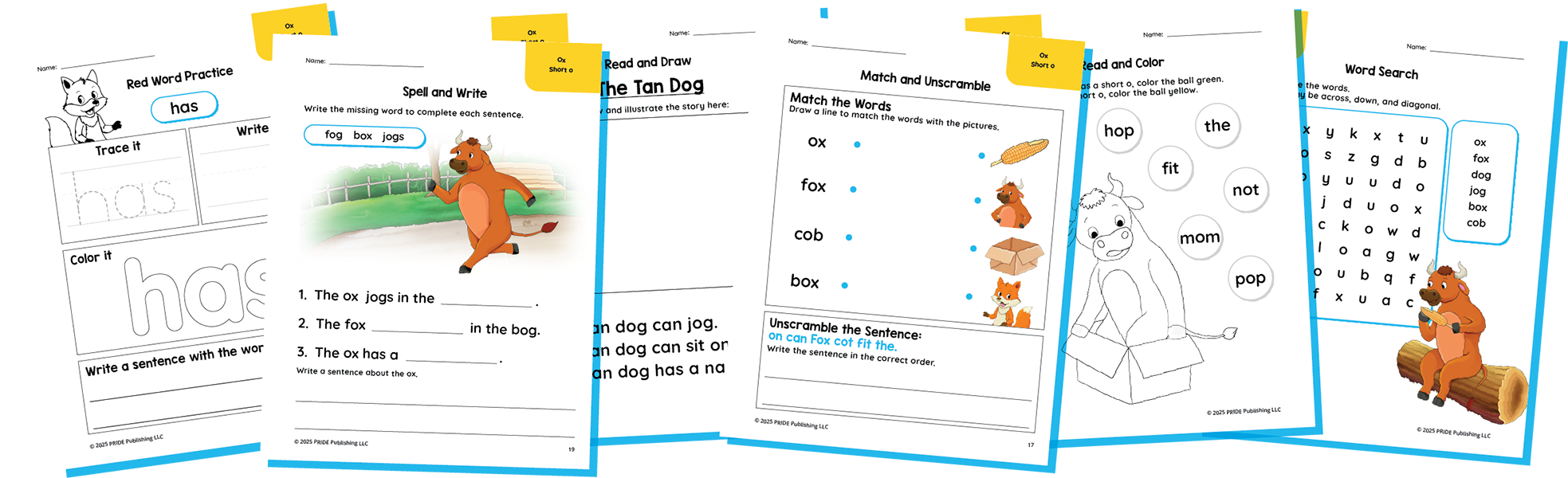
For educators and parents, having extra support can make all the difference. High-quality decodable reader sets often come with helpful teacher guides or parent resources. These guides can save you valuable prep time and provide a clear framework for instruction. They might include things like pre-reading activities to introduce new vocabulary and phonics skills, discussion prompts for during and after reading, and even printable worksheets or extension activities. These resources help you get the most out of each book and ensure you’re providing a well-rounded structured literacy lesson. A good guide transforms a simple book into a complete, easy-to-use teaching tool.
Finding the right decodable readers can feel like searching for a needle in a haystack. You want books that follow a solid phonics sequence, but you also need them to be engaging enough to hold a child’s interest. And, most importantly, you need resources that check for understanding. After all, reading isn’t just about sounding out words—it’s about making meaning. To save you some time, I’ve gathered five of the best decodable reader options that masterfully pair decoding practice with thoughtful comprehension questions.
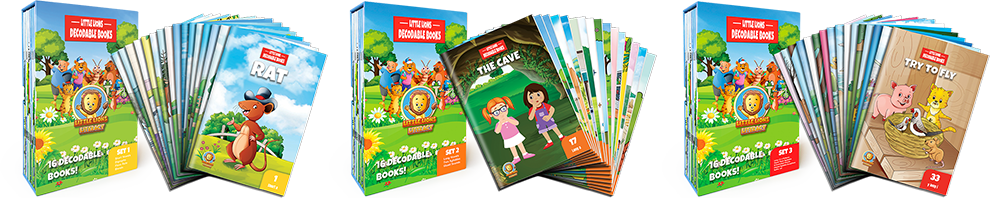
Of course, I have to start with my favorite! What makes Little Lions Literacy decodable book sets stand out is their intentional design. Each set follows a clear and logical scope and sequence, so you know exactly which phonics skills your child is practicing. The stories are sweet and engaging, with beautiful illustrations that support the text without giving away the words. Best of all, each book includes comprehension questions that encourage kids to think about the story, characters, and events. It’s a perfect combination for building confident readers who don’t just decode words but truly understand what they’re reading. They are a fantastic tool for both classroom and at-home practice.
Reading A-Z is a powerhouse in the world of literacy resources, and for good reason. They offer a comprehensive library of decodable books that cater to a wide range of phonics skills and reading levels. Each book is carefully crafted to target specific letter-sound correspondences, making it easy to align with your phonics instruction. The platform includes printable and digital versions, along with lesson plans and worksheets. The comprehension questions that accompany each book help you check for understanding and encourage students to dig a little deeper into the text, turning simple decoding practice into a more meaningful reading experience.
If you’re working with struggling readers or students who need a very structured, systematic approach, Flyleaf Publishing is an excellent choice. Their books are known for their high-quality, engaging content that doesn’t feel babyish, which is a huge plus for older students who are still building foundational skills. The series progresses methodically from simple CVC words to more complex phonetic patterns. The comprehension questions are built right in, prompting students to recall details and make inferences. This helps ensure that as students become more fluent decoders, their comprehension abilities are growing right alongside them, building a strong foundation for future reading success.
For educators looking for curriculum-aligned resources, both Benchmark Education and Houghton Mifflin Harcourt offer robust decodable text options. These are often part of larger reading programs used in schools, so they are designed to be comprehensive. They provide a structured approach to phonics that is especially helpful in a classroom setting. What makes them particularly useful is that they often include materials for older students who still need foundational skills practice but require more mature topics and stories. The integrated comprehension questions help bridge any gaps and ensure students are not just reading words but are actively thinking about the text.
Don’t underestimate the power of teacher-created materials! Teacher Pay Teachers is a treasure trove of decodable passages, booklets, and activities that come with comprehension questions. Because these resources are made by teachers for teachers, they are often creative, practical, and directly address common classroom needs. You can find materials tailored to specific phonics skills, themes, or seasons. This is a great option if you need something specific to supplement your existing curriculum or if you’re looking for a budget-friendly way to build your collection of decodable texts. You can find countless resources to print and use right away.
With so many decodable readers available, finding the right fit for your students can feel like a big task. But it doesn’t have to be complicated. The best approach is to think about what your young readers need right now and what your teaching goals are for the future. By focusing on your students’ specific skills, your curriculum, and your classroom’s practical needs, you can confidently choose books that will help them grow into strong, successful readers.
Think of it as a simple, three-step process. First, you’ll figure out exactly which phonics skills your students are ready to practice. Next, you’ll find books that align with those skills and your overall lesson plans. Finally, you’ll consider the practical details, like your budget and the format of the books. Let’s walk through each step together.
Before you can choose the right book, you need to know what your students can already do. Decodable readers are designed for practice, not for introducing brand-new concepts. Their main job is to give children a chance to apply the phonics rules they’re learning in a real reading context. The goal is to find that sweet spot where the text is challenging enough to build new skills but not so difficult that it leads to frustration.
You can get a clear picture of their abilities through simple phonics assessments or by observing them during reading time. Which letter sounds do they know automatically? Which ones are they still working on? Once you know where they are, you can find books that match their current level and gently push them forward.
Once you have a handle on your students’ skills, the next step is to connect them with books that support your teaching goals. The most effective decodable readers follow a clear scope and sequence that aligns with your phonics curriculum. This creates a seamless experience for students, allowing them to immediately practice what you’ve just taught them. For example, if your lesson focused on the short ‘a’ sound, the books they read that week should be filled with words like ‘cat,’ ‘mat,’ and ‘Sam.’
This direct alignment reinforces their learning and builds confidence. When students see the exact spelling patterns they’ve been studying, it clicks. They start to understand that phonics isn’t just a set of abstract rules—it’s the key to unlocking the words on the page.
Finally, it’s time to think about the practical side of things. Every classroom and home learning environment is different, so you’ll want to choose resources that work for your specific situation. Consider your budget and whether you need a complete classroom set, a few individual books, or digital resources. There are great options available at every price point, including free ones.
It’s also helpful to look for materials aligned with the Science of Reading, which ensures the approach is backed by research. Do you need teacher guides with built-in comprehension questions and activities? Do you prefer durable physical books or flexible digital versions? Answering these questions will help you narrow down the options and find the perfect decodable readers for your students.
Having the right decodable readers is the first step, but how you use them in your classroom makes all the difference. Integrating these books effectively into your literacy block helps students connect their phonics knowledge to actual reading. The goal is to create a bridge from sounding out letters to understanding stories. With a few simple strategies, you can turn decodable readers into one of the most powerful tools in your teaching toolkit, helping every student build confidence and a love for reading. These approaches focus on creating routine, checking for understanding, and making reading a positive, supportive experience for your young learners.
Decodable books work best when they are a consistent part of your phonics lessons. A predictable routine helps students know what to expect and allows them to focus on the new skill at hand. As Reading Universe explains, decodable texts “give students a chance to use the letter-sound rules they’ve been taught in real reading.” Start by explicitly teaching the target phonics skill for the day or week. Then, introduce the decodable book that focuses on that skill. Guide students through the book, providing support as they apply their new knowledge. A structured literacy block ensures that students move smoothly from learning a rule to using it in context.
While students are focused on sounding out words, it’s crucial to make sure they’re also making meaning from the text. Decoding is the vehicle, but comprehension is the destination. After reading a page or finishing a book, pause to ask simple questions. Who are the characters? What just happened? Where is the story taking place? This simple step shifts the focus from just reading words to reading for meaning. You can also have students do a quick drawing or write a sentence about the story to solidify their understanding and connect reading with writing.
Finding the right balance between correcting decoding errors and encouraging reading for meaning is key. While it’s important to work on phonics, you also need to consistently check for understanding. If a student is stuck on a word, provide a quick prompt to help them decode it. But if they make a mistake and self-correct, praise their effort! If a misread word changes the meaning of the sentence, you can gently ask, “Does that make sense?” This encourages them to monitor their own comprehension and see reading as a meaning-making activity, not just a word-calling exercise.
Using decodable readers in small group instruction allows you to provide targeted support based on your students’ specific needs. You can listen to each child read and offer personalized feedback. Another powerful strategy is repeated reading. Having students read the same short decodable book two or three times helps build fluency and automaticity. The first read is for decoding, the second is for fluency, and the third is for expression and comprehension. This repetition builds incredible confidence, as students move from struggling with words to reading them smoothly and with understanding.
When you’re supporting your child’s reading journey at home, choosing the right books can feel like a big task. But it doesn’t have to be! The goal is to find decodable readers that build confidence and make practice feel more like play than work. A great decodable book isn’t just about sounding out words; it’s about creating a positive and successful reading experience.
As you browse for books to use at home, keep an eye out for a few key features. You want books that align with what your child is learning, tell stories they actually enjoy, and grow with them as their skills develop. Finding readers that check these boxes will help you provide the best possible support and turn your little one into an enthusiastic reader.
The most effective decodable readers are the ones that connect directly to the phonics skills your child is learning in the classroom. Think of them as the perfect practice tool. As Reading Universe explains, “Decodable texts are a necessary part of phonics lessons. They give students a chance to use the letter-sound rules they’ve been taught in real reading.” When the books at home reinforce the lessons from school, your child gets a consistent message and a clear path forward. If you’re not sure what your child is working on, don’t hesitate to ask their teacher about the school’s phonics scope and sequence.
Let’s be honest: some early readers can be a little dry. While decodable books are designed for skill practice, not to be the next great work of literature, that doesn’t mean they have to be boring. The best ones feature fun characters, simple but interesting plots, and colorful illustrations that capture a child’s imagination. When a child is excited about the story, they’re more motivated to work through tricky words. Look for books like our Little Lions Literacy sets, which are created to be as entertaining as they are educational, proving that skill-building and fun can go hand in hand.
You want to find books that are just right for your child’s current abilities—not too easy, but not so hard that they become frustrated. Effective decodable series introduce new phonics concepts in a logical, step-by-step way. Each book should build on the skills learned in the last one, creating a gentle ramp of increasing difficulty. This systematic approach ensures your child is always challenged but never overwhelmed. This gradual progression helps build stamina and confidence, showing them they can tackle new words and more complex sentences as they grow.
Reading practice shouldn’t end when the book closes. Many decodable readers come with built-in support for parents, like simple comprehension questions or suggested activities. These features are fantastic for checking if your child understood the story, not just the words. They also provide easy ways to extend the learning. Activities can be as simple as drawing a favorite scene, talking about the characters, or acting out the plot. These little extras help reinforce phonics patterns and comprehension skills, making them especially helpful for any child who needs a bit more practice at home.
Building a rich library of decodable books doesn’t have to break the bank. High-quality, free resources are available if you know where to look. These are perfect for supplementing your core curriculum, sending home for extra practice, or trying out different formats to see what clicks with your young readers. Exploring free options is a smart way to gather a variety of texts that can support every child’s journey toward reading fluency and comprehension.
Online marketplaces for educators are treasure troves of free materials. Websites like Teachers Pay Teachers are filled with resources created by and for teachers, including a wide selection of free decodable readers with comprehension questions. Many creators offer free samples of their larger paid products, giving you a chance to try out a lesson before you commit. This is a fantastic way to discover new authors and find materials that align perfectly with your phonics scope and sequence. You can find everything from single-page stories to complete lesson plans ready for your classroom.
Don’t forget about your local library! Many libraries have expanded their digital offerings and physical collections to include decodable books for early readers. Beyond the library, several educational websites are dedicated to providing free literacy tools. For example, Reading Universe offers a fantastic collection of over 95 free decodable texts that are neatly organized by specific phonics skills. This makes it incredibly easy to find a story that targets the exact sound-spelling patterns your students are currently learning, helping you provide targeted, effective practice right when it’s needed most.
For quick and easy access, printable readers are a lifesaver. Many literacy-focused websites and blogs offer free printable stories that you can download and use immediately. These are often part of a larger set, giving you a preview of a full curriculum. Some sites even bundle their printables with lesson plans and activities. For instance, you can find a freebie with decodable passages that includes teacher guides, student activities, and even audio recordings. These all-in-one resources are perfect for small group instruction, independent practice, or sending home with students for family reading time.
Decodable readers are a game-changer for teaching phonics, but let’s be real—implementing any new resource in the classroom or at home can come with a few bumps in the road. You might find yourself wondering how to fit lesson prep into an already packed schedule or how to keep an older, struggling reader engaged with simple stories. These are completely normal hurdles that many educators and parents face.
The good news is that these challenges are solvable. With the right approach and resources, you can get past these common sticking points and make decodable readers work beautifully for your young learners. It’s not about finding a perfect, one-size-fits-all solution, but about understanding the potential issues and having a plan. We’ll walk through some of the most frequent challenges, from finding age-appropriate books to balancing phonics with comprehension, and give you actionable steps to address each one. This way, you can spend less time troubleshooting and more time celebrating your child’s reading progress.
If your classroom bookshelves are overflowing with resources, you know how hard it can be to find the time to prepare an effective lesson. Sifting through countless books to find one that matches your phonics focus for the week is a huge time sink. The key to getting that time back is to use a cohesive set of decodable readers that follows a clear progression. When your books are organized in a systematic scope and sequence, the work is already done for you. You don’t have to hunt for the right book; you just grab the next one in the set, knowing it builds directly on the last one. This makes lesson planning faster and ensures your students get consistent, targeted practice.
One of the most common difficulties is finding decodable books for older students who are still working on foundational reading skills. They need simple, phonetically controlled text, but the stories in books designed for five-year-olds can feel babyish and disengaging. This can make reading feel like a chore rather than an adventure. When looking for materials for older readers, seek out publishers who create high-interest, low-level decodables. These books often feature more mature illustrations and plotlines that appeal to an older audience while still providing the essential, systematic phonics practice they need to build their confidence.
It’s easy to get so focused on decoding—the act of sounding out words—that we forget the ultimate goal of reading: comprehension. Decodable readers are powerful tools for phonics, but their effectiveness is limited if we don’t also check for understanding. A child might be able to read a sentence perfectly but have no idea what it means. To avoid this, make comprehension an integral part of every reading session. Use books that include thoughtful questions, and encourage your child to talk about the story, the characters, and what they think might happen next. This simple habit reinforces that reading is about making meaning, not just making sounds.
Have you ever seen a child’s face light up when they successfully read a book on their own? That’s the magic of finding a “just right” book. On the flip side, giving a child a book that’s too difficult can lead to frustration and a sense that reading is just too hard. Decodable books are designed to prevent this by controlling the skills required. The challenge lies in accurately matching the book to the student. Regularly assessing your students’ phonics skills is crucial. Knowing exactly which letter sounds and patterns a child has mastered allows you to provide them with books that offer a sufficient challenge without being overwhelming.
Decodable books are incredible tools. Their main job is to help new readers practice specific phonics skills in a controlled way, building a solid foundation for fluency. But let’s be honest—sometimes, the focus on phonics can make the stories feel a bit simple. The good news is that with a few simple techniques, you can transform reading practice into a fun and dynamic activity that strengthens both decoding and comprehension.
The goal isn’t to turn these books into something they’re not; they are designed for practice, not to be complex literature. Instead, we can use them as a launchpad for conversation, connection, and curiosity. By adding a layer of interaction, you can help your child see that the words they’re working so hard to sound out come together to create real meaning. It’s about showing them that reading is rewarding and fun, even at the earliest stages. Below are a few practical strategies you can use to bring any decodable story to life, making reading time something you both look forward to.
Turn reading from a one-way street into a lively conversation. Before your child even reads the first word, take a “picture walk” through the book and ask what they think might happen. As they read, pause to ask open-ended questions like, “What do you think the cat will do next?” or “How is the character feeling right now?”
After finishing the story, you can discuss it together. Ask questions that encourage them to recall details, like “Who were the main characters?” or “What happened at the end?” These simple comprehension strategies help children organize their thoughts about the text and confirm they are connecting with the story’s meaning, not just sounding out the words.
One of the best ways to make a story stick is to make it personal. As your child reads, look for opportunities to connect the text to their own experiences. If the book is about a pig in the mud, you could ask, “Have you ever played in the mud? What did it feel like?” This simple act helps them understand that stories are about real-life feelings and events.
This technique works because it requires students to use what they already know to make sense of what they’re reading. By building these bridges between the text and their world, you show them that reading is more than an academic exercise—it’s a way to explore and understand life.
While decodable books intentionally use a limited set of words, you can still use them to expand your child’s vocabulary. When you come across a word they know, you can talk about other words that mean the same thing. If a new word appears that is decodable but unfamiliar, you can define it in a kid-friendly way.
Use the story as a starting point for richer conversations. Ask questions that begin with “who,” “what,” “when,” “where,” “why,” and “how” to explore the story’s context more deeply. This practice shows children that even simple sentences carry a lot of information and helps them build a bigger bank of words to pull from as they grow into more confident readers.
What’s the real difference between a decodable book and a regular picture book? Think of it this way: a regular picture book’s main job is to tell a great story, using whatever words the author needs. A decodable book has a different job. Its primary goal is to give your child a chance to practice the specific phonics rules they’ve just learned. Every word is carefully chosen to match their current skill level, which builds confidence and shows them that the rules they’re learning in class actually work in real books.
My child finds decodable stories a bit boring. How can I keep them engaged? This is a common concern! Because these books are limited to certain words, the plots can be very simple. The key is to become an active reading partner. Before you start, look at the pictures together and guess what the story might be about. As you read, connect the story to your child’s own life. If a character has a pet cat, talk about your own pet or a neighbor’s. This turns a simple reading exercise into a fun, personal conversation.
How do I know if a decodable book is at the right level for my child? You’re looking for that “just right” spot where your child is challenged but not frustrated. A good rule of thumb is that they should be able to read about 95% of the words on their own. If they are struggling with several words on every page, the book is likely too advanced. If they fly through it with zero effort, it might be too easy. The goal is successful practice, so you want them to feel capable and confident as they work through the text.
If my child is focused on sounding out words, how do comprehension questions help? This is such an important question because it gets to the heart of reading. Sounding out words (decoding) is the tool, but understanding the story (comprehension) is the whole point. Comprehension questions gently remind your child to think about the meaning behind the words they’re working so hard to read. Asking simple things like, “Who was the story about?” or “What happened at the end?” helps them switch their focus from just the sounds to the actual story.
Are decodable readers only for brand new readers, or can they help older, struggling students too? Decodable readers are for any student who is still building their foundational phonics skills, regardless of their age. For an older student who is struggling, these books can be a game-changer. They provide a systematic, successful way to practice without the frustration of guessing. The key is to find books with topics and illustrations that feel age-appropriate so the student feels respected while they get the targeted practice they need.