You wouldn’t teach a child to ride a bike by starting them on a steep hill with no training wheels. You give them the support they need to feel stable and build momentum. Learning to read works the same way. Handing a first grader a book full of complex words and tricky spelling patterns is like pushing them down that hill. They need a tool that provides stability and allows them to practice safely. That’s exactly what decodable books for first grade do. They are the training wheels for reading, offering carefully controlled text that aligns with their current skills. This approach allows them to practice decoding successfully, build fluency, and gain the confidence they need to eventually ride on their own.
If you’ve ever watched a first grader try to read a classic picture book, you know the struggle. They might know their letter sounds, but the words on the page are full of tricky patterns they haven’t learned yet. They guess, get frustrated, and pretty soon, that “fun” reading time is over. This is where decodable books come in.
So, what makes a book “decodable”? Think of it this way: a decodable book is a story written specifically for a child to practice the phonics skills they’ve already been taught. These are carefully controlled texts that only include letter-sound patterns a child has learned, along with a few essential high-frequency words. For example, if your child has just learned short ‘a’ sounds, their decodable book will be filled with words like “cat,” “sat,” and “mat.”
This approach allows them to use their new phonics knowledge to sound out words successfully. Instead of guessing based on pictures or memorizing whole words, they are actively “decoding” the text. This process is fundamental to building a strong foundation in reading, turning what can be a frustrating task into a rewarding puzzle they know how to solve.
Decodable books are more than just practice—they are confidence builders. Every time a child successfully sounds out a word, it creates a positive feedback loop in their brain. They start to see themselves as a reader, which is incredibly empowering. This feeling of success is a huge motivator and encourages them to keep trying.
From a scientific standpoint, this repeated practice helps a child’s brain make the crucial connection between letters and their sounds. It automates the process of decoding, freeing up mental energy to focus on what the story actually means. This is how children move from sounding out individual letters to reading fluently and with comprehension. They feel comfortable and in control, which is exactly what a new reader needs.
When you open a decodable book, you should notice a few key things. First, look for text that heavily features the specific phonics skills your child is learning. You’ll see a lot of repetition of those sound patterns, which is intentional and necessary for practice. The story itself should be simple and make sense, even if it’s not a complex narrative. A good decodable book tells a coherent story that a child can follow. The illustrations should support the story but not give away the words, encouraging your child to rely on their decoding skills instead of picture-guessing.
One of the biggest myths about decodable books is that they’re boring and kill the joy of reading. While it’s true that the stories are simple by design, the real joy for a new reader comes from the feeling of accomplishment. Today’s decodable books are also far more engaging than their predecessors, with fun characters and relatable plots. Another common misconception is that these books are only for kindergarteners. In reality, decodable texts are for any reader who is learning to connect sounds and letters, including older students who may need extra support to strengthen their phonics skills.
First grade is a magical year for reading. It’s often when all those letter sounds start clicking together to form real words. But to make that happen, kids need the right tools. Decodable books are more than just stories; they are carefully designed stepping stones that turn beginning readers into confident ones. They provide the targeted practice your child needs to master phonics, read independently, and truly fall in love with books. By focusing on specific skills, these books set the stage for a lifetime of reading success.
Think of phonics as the blueprint for reading. It’s the understanding that letters and groups of letters represent specific sounds. Decodable books are built on this blueprint. They are what experts call “controlled texts,” meaning they only use the spelling patterns and letter-sound relationships your child has already been taught. This systematic approach prevents them from getting overwhelmed by unfamiliar words. Instead of guessing, they get to practice the exact skills they’re learning in school, building a solid foundation one story at a time. This method aligns with the science of reading, which emphasizes explicit phonics instruction.
There’s nothing quite like the proud smile on a child’s face when they read a book all by themselves for the first time. Decodable books make this moment possible. Their main purpose is to let your child apply specific phonics skills with words they can sound out. Because the text is predictable and aligned with their knowledge, they don’t have to constantly stop and ask for help. This empowers them to take the lead. They can sit down with a book and know they have the tools to tackle it. This builds the habit of independent reading, turning what could be a frustrating task into a rewarding personal achievement.
Confidence is the secret ingredient in learning to read. When kids feel successful, they’re motivated to keep trying. Decodable books are designed to create these moments of success. They help children feel comfortable and in control as they learn to read. Each page they finish and each book they complete is a small victory that proves they can do it. This repeated success is what builds true reading confidence. As their confidence grows, so does their reading fluency. They start reading more smoothly and with expression because they aren’t stumbling over every word. They can finally focus on the story, which is when the real magic of reading begins.
Not all decodable books are created equal. When you’re searching for the right set for your first grader, it helps to know what features make a book both effective and enjoyable. The best decodable books strike a perfect balance between skill-building and storytelling, giving your child the practice they need without sacrificing the fun of reading. A great series will feel like a steady and supportive guide, meeting your child exactly where they are and building their confidence one page at a time.
As you compare your options, keep an eye out for these key elements. They are the difference between a book that simply teaches phonics and one that helps your child fall in love with reading.
Some parents worry that a heavy focus on phonics will kill the joy of reading. While it’s true that the primary goal is practice, today’s decodable books are designed to be anything but dull. Look for books with fun, relatable characters and simple, engaging plots. When a child is invested in what happens next, they’re more motivated to sound out the words on the page. A compelling narrative gives them a reason to apply their new skills, turning practice from a chore into an adventure. The power of storytelling is a huge factor in keeping young readers hooked.
The magic of a decodable book lies in its carefully controlled text. These books are written to include only the letter-sound patterns your child has already been taught. This predictability is a feature, not a flaw. It allows your child to practice specific phonics skills with words they can successfully decode, building a true sense of accomplishment. When you’re looking at a book or series, check to see if it follows a clear scope and sequence. This ensures the text aligns with what your child is learning and provides the targeted practice they need to master new concepts without feeling overwhelmed by unfamiliar words.
The content of a first-grade decodable book should be simple, clear, and relevant to a six- or seven-year-old’s world. The main purpose is to let your child apply specific phonics skills, so the stories don’t need complex plots or deep themes. Instead, they should feature familiar situations, fun adventures, and straightforward language. The goal is for your child to focus their mental energy on the act of decoding, not on trying to understand a complicated storyline. This helps them stay focused and builds confidence as they successfully read page after page, reinforcing that they can do it on their own.
Illustrations in decodable books serve a very specific purpose. They should be visually appealing and support the text, but they shouldn’t give the whole story away. The pictures are there to provide context clues and enhance comprehension, helping your child understand what’s happening in the story. However, they shouldn’t be so detailed that your child can guess the words without trying to read them. Great illustrations support young readers by making the book more engaging while still encouraging them to rely on their decoding skills to figure out the words.
Reading shouldn’t be a passive activity. The best decodable books often include elements that encourage your child to engage directly with the story. This might look like discussion questions at the end of the book, a list of sight words to find, or simple activities related to the plot. These features help reinforce comprehension and retention, ensuring your child isn’t just reading the words but also understanding their meaning. Encouraging your child to talk about the story, point out words they know, or predict what will happen next makes reading a more dynamic and memorable experience.

A good decodable book series won’t just teach random skills; it will guide your child along a clear and logical path. The books should be structured to gradually increase in complexity, introducing new letter-sound correspondences and more challenging words as your child moves through the series. This systematic approach allows students to build their skills and confidence at a manageable pace. Before committing to a set, see if you can find information on its progression. A well-designed series ensures that each book builds on the last, creating a seamless learning journey that prevents gaps in knowledge and keeps your reader moving forward.
Once you start looking, you’ll find a fantastic variety of decodable book series perfect for first graders. The sheer number of options is great, but it can also feel a little overwhelming. The truth is, the “best” series isn’t a one-size-fits-all answer. It really depends on your child’s specific needs, the phonics program they might be using at school, and what kinds of stories and characters get them excited about reading.
Think of this list as a guide to some of the most trusted and effective decodable series available. Each one offers a unique approach, but they all share a common goal: to provide your child with readable, engaging stories that systematically build their phonics skills. A key feature of a strong series is a clear scope and sequence, meaning the books introduce new letter-sound patterns in a logical order, building on what your child has already mastered. This structured approach is what helps transform decoding practice into reading fluency. As you explore these options, consider which style and structure will be the best fit for your young reader’s journey.
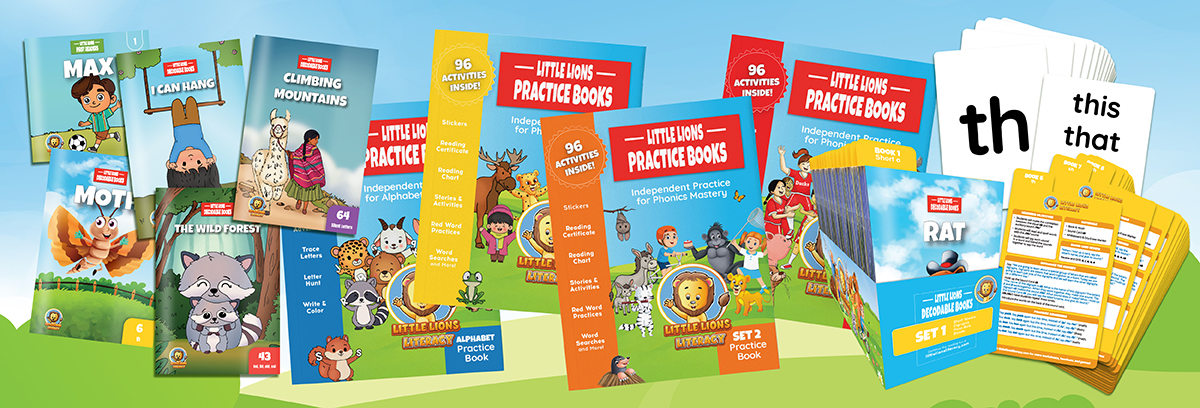
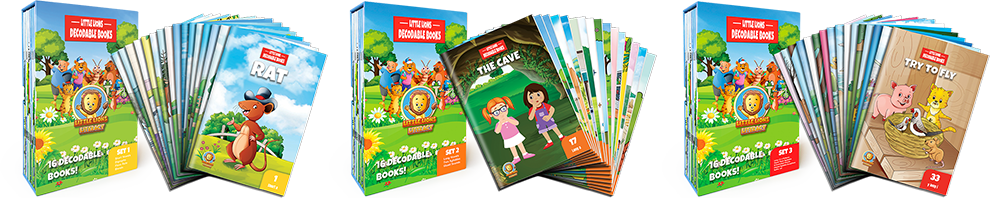
We designed our Little Lions Literacy collections with a simple belief: practicing phonics should be fun, not a chore. Our book sets are carefully crafted to feel like a real reading adventure, with engaging stories and vibrant illustrations that capture a child’s imagination. We know that today’s decodable books can and should be anything but dull. Each set follows a clear and logical progression, introducing new phonics skills step-by-step so your child can build confidence with every page they turn. Our goal is to provide books that kids will ask to read again and again, making that crucial skill practice feel effortless and rewarding.
The Heggerty series is built around helping young readers feel successful and confident from the very start. Their books are thoughtfully written to only include sounds and words that students are actively learning, which creates a powerful sense of accomplishment. When a child picks up a Heggerty book, they can trust that they have the tools to read it. This focus on positive reinforcement is fantastic for building a child’s self-esteem as a reader. By providing these achievable challenges, Heggerty’s decodable books help foster a love of reading by making kids feel capable and in control of their learning.
SPIRE is well-known for its highly structured and systematic approach to reading instruction. Their decodable readers are a perfect example of this, using what’s known as “controlled text.” This means the books intentionally limit the spelling patterns to only those the child has already been taught. This prevents them from getting overwhelmed by unfamiliar rules and allows them to focus on practicing the specific skill at hand. Because of this targeted approach, SPIRE readers are an excellent tool for reinforcing lessons and are often used to provide extra support for students who need more focused phonics practice.
The materials from Reading Horizons are designed to empower both children and their parents. Their decodable books provide a clear, straightforward path for learning, making it easy for parents to actively participate in their child’s reading journey at home. The series is rooted in a systematic method that helps lay a strong foundation for future reading success. By using these books, you can feel confident that you are reinforcing essential skills in a way that is both effective and easy to follow. This makes them a great choice for families who want to be hands-on in supporting their child’s literacy development.
A primary goal of early literacy is to help children feel successful, and the Sound Partners series is designed to do just that. These books are crafted to make children feel comfortable and in control as they learn to sound out words. By presenting text that aligns perfectly with their developing skills, Sound Partners helps eliminate the frustration that can sometimes accompany learning to read. This focus on building a positive and empowering experience is key to nurturing a child’s motivation. When kids feel like they can read, they are much more likely to want to read, making this series a wonderful tool for building both skill and will.
If your child’s school uses the UFLI Foundations curriculum, the decodable books from Whole Phonics are an ideal match for at-home practice. These books are specifically designed to align with the UFLI scope and sequence, meaning the stories will perfectly reinforce what your first grader is learning in the classroom. The WP UFLI book sets are organized by levels that focus on different phonetic skills, creating a seamless connection between school and home. This alignment helps solidify new concepts and gives your child extra opportunities to practice their skills in a familiar context, making learning feel more cohesive and effective.
Flyleaf Publishing has earned a reputation for creating decodable books that are as compelling as they are effective. They specialize in stories that are engaging and thoughtfully written, avoiding the stilted or unnatural language that can sometimes be found in early readers. Their books are specifically designed to support phonics instruction while also telling a great story, which helps keep kids motivated. With beautiful illustrations and high-quality content, Flyleaf’s decodable books prove that skill-based texts can also be rich, enjoyable reading experiences that children will genuinely look forward to opening.
With a name like Really Great Reading, you can expect a clear focus on effective, science-based literacy instruction. Their decodable books are designed to align directly with structured phonics lessons, ensuring that students have the opportunity to practice the exact skills they are learning in a supportive context. The texts are carefully constructed to build confidence and fluency, providing a smooth pathway for children to apply their new knowledge. For parents and educators looking for a straightforward, reliable resource to reinforce phonics skills, Really Great Reading offers a solid and effective solution.
Some of the most effective decodable resources come from organizations dedicated to literacy education, like Reading Rockets. They emphasize that decodable books are a crucial tool for a specific—and temporary—stage of learning to read. The goal is to use them as a bridge to help children master phonics. Once a student can read words accurately and smoothly, they should be encouraged to move on to a wider variety of texts. This perspective is helpful for framing decodables not as a forever-tool, but as a powerful scaffold that you can use strategically to build foundational skills before launching into the wider world of children’s literature.
Phonic Books offers an extensive range of decodable readers that are popular with educators and families around the world. Their books are designed to support systematic phonics instruction, with multiple series tailored to different phases of a child’s reading development. One of their strengths is providing engaging, age-appropriate stories for a variety of readers, including older students who may still be struggling with foundational skills. This ensures that every child can find a book that meets them at their level. With a clear progression and fun characters, Phonic Books provides a comprehensive library to help children build their reading skills with confidence.
With so many options out there, picking the right decodable books can feel like a big task. But it doesn’t have to be! The key is to focus on your child’s specific needs and what will keep them excited about reading. Think of it as finding the perfect practice tool that feels more like play than work. By keeping a few simple things in mind, you can find a set of books that will help your first grader build skills, gain confidence, and develop a genuine love for reading.
The most important factor in choosing a decodable book is making sure it aligns with the phonics skills your child has already learned. These books are intentionally designed as controlled texts, meaning they only use letter-sound patterns your child has been taught. This allows them to practice decoding words successfully without guessing. If a book is filled with spelling patterns they haven’t covered yet, it will only lead to frustration. Look for a series that follows a clear scope and sequence, so you can introduce new books as your child masters new skills, ensuring they are always building on a solid foundation.
To match books to your child’s skills, you first need a good sense of their current reading level. If you’re not sure where they are, a great first step is to connect with their teacher. They can provide specific insights into the phonics concepts your child is working on in the classroom. You can also learn a lot by simply observing your child read. Do they sound out words with CVC (consonant-vowel-consonant) patterns easily? Are they starting to recognize vowel teams or digraphs? Choosing books that meet them where they are makes reading a positive and empowering experience, which is exactly what we want.
As you browse, you’ll notice that decodable books come at various price points. It’s helpful to remember that their main purpose is practice. Unlike a classic storybook you might read for its complex plot, the value of a decodable book is in giving your child the chance to apply specific phonics skills. Some publishers sell individual books, while others offer complete sets. Investing in a full decodable book set can be a great value, as it provides a structured progression that grows with your child. This ensures you always have the right book on hand for the next step in their reading journey.
Some people worry that focusing on phonics will make reading a chore. While it’s true that the primary goal is skill practice, today’s decodable books are anything but dull! Publishers have put a lot of effort into creating fun, engaging stories with lovable characters and interesting plots. When your child is excited about the story, they’ll be much more motivated to read. Look for books with vibrant illustrations and storylines that spark their imagination. When kids enjoy what they’re reading, they’ll see it as a treat, not a task, and will be more likely to pick up a book on their own.
The ideal decodable book sits in that sweet spot between too easy and too hard. You want to find a book that provides just the right amount of challenge to help them practice their skills without feeling overwhelmed. A good rule of thumb is the five-finger rule: have your child read a page, and if they struggle with more than five words, the book is likely too advanced for now. The goal is to build confidence and fluency, and that happens when a child feels successful. A little bit of productive struggle is good, but constant frustration can discourage a new reader.
Having the right decodable books is a fantastic start, but how you use them with your child can make all the difference. Think of these books as your toolkit for building a confident reader. With a little strategy and a lot of encouragement, you can turn practice sessions into moments of connection and triumph. These simple approaches will help you support your first grader’s reading journey and make the process more effective and enjoyable for both of you.
Consistency is your best friend when it comes to learning to read. Setting aside a specific time each day for reading practice helps build a positive habit and signals to your child that this is a priority. It doesn’t have to be a long, drawn-out session—even 10 to 15 minutes of focused reading can have a huge impact. Decodable books are perfect for this because they are designed as “controlled texts” that let children practice the specific phonics skills they’ve just learned. By creating a predictable routine, you provide a safe and structured space for them to apply their new knowledge without feeling overwhelmed.
Just like running, reading requires stamina. At first, getting through a single page might feel like a marathon for a new reader. The main purpose of a decodable book is to give your child a chance to practice phonics skills with words they can successfully sound out. It’s less about the plot and more about the practice. Start small, maybe with just one or two books in a sitting. As they become more confident and fluent, you can gradually encourage them to read for longer periods. Celebrate their effort, not just their perfection, and watch as their ability to read for longer stretches grows over time.
If your child is finding reading to be a challenge, your patience and positivity are the most powerful tools you have. The key is to make reading a positive experience. When a child can read most of the words in a book, it builds their confidence and motivates them to keep trying. You can choose decodable books that are a perfect match for their current skill level—not too hard, not too easy. If they get stuck on a word, gently guide them to sound it out. Remember to offer plenty of praise for their hard work.
One of the best things about decodable books is that they make it easy to see your child’s progress. Because these books are tied to a specific scope and sequence, you can clearly observe when your child masters a new skill. You’ll notice them sounding out words with new letter patterns or reading with more speed and expression. Using decodable texts ensures children get sufficient practice with the skills they are currently learning. You can keep a simple, informal log of the books they’ve completed. This not only helps you see how far they’ve come but also gives you something concrete to celebrate with them, reinforcing their sense of accomplishment.
Creating a strong home-school connection is essential for supporting your young reader. Your child’s teacher is your greatest partner in this process. Keep them in the loop about what you’re doing at home, and don’t hesitate to ask for their advice. While decodable books are designed to support phonics instruction, they may not always align perfectly with the exact sequence being taught in the classroom—and that’s okay. Open communication can help bridge any gaps. Ask the teacher what specific phonics skills your child is learning so you can focus on those skills during your reading time at home.
Once you know what to look for, finding great decodable books is easier than you might think. These books are designed to help your child practice specific phonics skills, so it’s important to find resources that are well-structured and engaging. From specialized online stores to your local library, there are plenty of places to find the perfect books to support your first grader’s reading journey. The key is knowing where to look to find high-quality texts that will build their skills and their confidence.

Specialized online retailers are a fantastic starting point because they curate books specifically for learning. These stores understand that decodable books need to align with the phonics skills a child is learning, allowing them to practice and succeed. You can often find book sets that follow a specific scope and sequence, making it easy to match them to your child’s current learning stage. Many of these retailers, like Heggerty, provide detailed descriptions of the skills covered in each book or set, taking the guesswork out of your search. This makes it simple to find texts that offer just the right amount of challenge for your growing reader.
Your favorite school supply store, whether it’s a local shop or a large online retailer, is another treasure trove for decodable books. These stores cater to educators, so they often stock a wide variety of book sets that are designed for classroom use but are perfect for home practice, too. You can find sets that complement popular phonics programs, which is especially helpful if you want to align your at-home reading with what your child is doing at school. Exploring the shelves or websites of stores like Lakeshore Learning can introduce you to different series and publishers you might not have found otherwise.
In our screen-friendly world, digital decodable books offer a convenient and interactive way to practice reading. Many online reading platforms and apps now include libraries of decodable texts that kids can read on a tablet or computer. These platforms often feature controlled texts that only use the spelling patterns your child has already learned, providing targeted practice in a fun format. Services like Epic! offer vast digital libraries where you can search for decodable readers, making it easy to find engaging stories anytime, anywhere. This is a great option for travel or for kids who are motivated by technology.
Don’t forget about one of the best free resources available: your local library! Many libraries are expanding their early reader sections to include more decodable books. Visiting the library is a cost-effective way to explore different series and find stories that capture your child’s interest without a big financial commitment. Plus, librarians are wonderful guides who can help you find exactly what you’re looking for. Using the library helps your child feel comfortable and in control as they learn to read, empowering them to choose books and develop a lifelong love of reading.
For a convenient and curated experience, consider a subscription service. Companies like Little Lions Literacy offer decodable book sets that are carefully designed to follow a logical skill progression. These services are perfect for busy parents who want a steady supply of high-quality, age-appropriate books delivered right to their door. The main purpose of these books is to give your child practice applying specific phonics skills with words they can successfully sound out. A subscription ensures you always have fresh, engaging material on hand that perfectly matches your child’s reading level as it develops.
Once you have the right books, you can create a supportive environment that makes reading a positive and rewarding experience. It’s not about pressure or perfection; it’s about celebrating the small victories and building momentum. These simple, actionable strategies can help you transform reading time from a potential struggle into a moment of connection and growth for your first grader. By focusing on fluency, interaction, motivation, and celebration, you can help them build the skills and confidence they need to become a lifelong reader.
Have you ever noticed how kids love to watch the same movie over and over? The same principle applies to reading. Re-reading a familiar decodable book isn’t a sign of being stuck; it’s a powerful tool for building fluency. The first time through, your child is focused on just getting the words right. On the second or third read, their brain can relax a bit. They start to recognize words more quickly, read with more expression, and better understand the story. This practice of repeated reading builds both speed and confidence, showing them they can read smoothly and successfully. Make it fun by timing them to see if they can beat their previous record or having them “perform” the book for the family pet.
Reading doesn’t have to be a solo performance, especially when a child is just starting out. Interactive strategies can take the pressure off and make reading feel more like a team sport. Try choral reading, where you and your child read the pages aloud together. This provides a supportive scaffold, letting them hear the correct pronunciation and pacing while they practice. Another great method is partner reading, where you take turns reading sentences or pages. This gives them a built-in break and keeps them engaged in the story. These shared reading experiences make practice less intimidating and reinforce that you’re on this journey with them every step of the way.
One of the biggest myths about decodable books is that they’re boring. But today’s books are filled with fun characters and silly plots designed to keep kids engaged. A key part of motivation is choice. When you sit down to read, let your child pick which book from their set they want to tackle. This small act gives them a sense of ownership and control over their learning. You can also keep them invested by asking questions about the story, like “What do you think will happen next?” or “That character is so silly!” This helps them connect with the text on a deeper level and shows them that reading is an active, enjoyable experience, not just a phonics drill.
For a new reader, every word decoded and every page turned is a huge accomplishment. Make sure you recognize and celebrate these wins! This doesn’t require a huge party or a big prize. A simple, enthusiastic “Wow, you sounded that word out all by yourself!” or a high-five after finishing a book can make a world of difference. Celebrating their effort reinforces the idea that their hard work is paying off. Decodable books are designed to give children this feeling of success, empowering them as they learn. By acknowledging their progress, you help build their reading confidence and nurture a positive attitude that will keep them excited about picking up the next book.
Absolutely not! Think of decodable books as the focused practice your child does to build their reading muscles. You should still be reading rich, complex, and beautiful picture books to your child every single day. This is what builds their vocabulary, comprehension, and love for amazing stories. The two types of reading work together perfectly to create a well-rounded reader.
You’ll start to see clear signs when they’re ready to transition. The goal of these books is to make decoding automatic. When your child can pick up a new decodable book and read it with accuracy and ease, without needing to sound out every other word, they are well on their way. They will start applying those phonics skills to other books naturally. At that point, you can gradually introduce a wider variety of texts while keeping some decodables on hand for practice if needed.
This is a great question because the books can look similar on the shelf. The key difference is control. A decodable book is carefully written to only include the letter-sound patterns your child has already been taught, so they can practice applying their phonics knowledge. Other early readers, sometimes called leveled readers, often rely on repetitive sentence structures or picture clues, which can encourage guessing instead of true decoding.
It’s true that the stories are simple by design, but the real joy for a new reader comes from the feeling of accomplishment. You can frame reading time as a fun challenge, celebrating how many words they can read all by themselves. Focus on their growing fluency by re-reading books and pointing out how much smoother they sound. And remember, you can satisfy their craving for big adventures by continuing to read exciting, complex stories to them.
Don’t stress about finding a perfect one-to-one match. The most important thing is that the books you use at home align with the skills your child currently has, giving them a chance to feel successful. A quick conversation with their teacher can give you a general idea of what phonics patterns they’re working on. As long as the book provides productive practice without causing frustration, you are effectively supporting their learning.