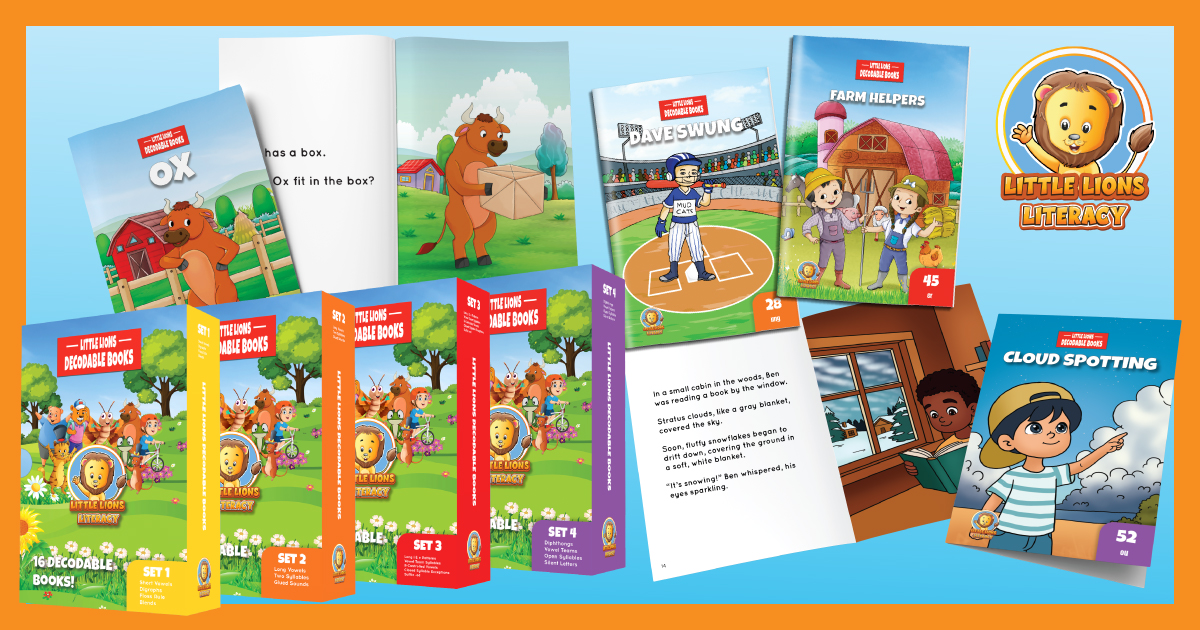
Children with dyslexia often find themselves trapped in a cycle of guessing and frustration while reading. Standard leveled readers frequently introduce complex vowel teams or silent letters before a student is ready to decode them. Decodable books break this cycle by matching the text to a child’s specific phonics knowledge.
Decodable books for dyslexia are made to use only the letter-sound links a student has been clearly taught through a planned curriculum. According to Reading Rockets, these texts help children use sound-out ways rather than relying on pictures or simple word patterns. High-quality books must follow a set scope and sequence that matches what your child knows while giving them clear fonts and a simple page layout. This set method removes the need to guess and helps struggling readers build real pride and success as they master their skills slowly. These books provide the vital practice needed to turn phonics lessons into strong reading habits that will last a lifetime.
Finding the right books is the first step toward helping your child become a fluent and proud reader. You must understand the specific features that make a book helpful for a student who learns in a new way. The path to knowing what to look for in decodable books for dyslexia starts with understanding these key features.
Choosing the right books for a child with dyslexia is a key step in their reading journey. Unlike standard stories, these books focus on specific sounds and letter patterns. When you look for decodable books for dyslexia, you want tools that build skill and pride at the same time. High-quality books help readers sound out words without the stress of guessing.
The most vital feature is a systematic scope and sequence. This means the books follow a clear, logical path that builds from simple to hard sounds. For children with dyslexia, learning must be direct and build over time. A good series starts with basic vowel sounds and slowly adds blends as the child moves on.
When choosing decodable book sets, look for a plan that links to proven teaching ways. A steady path ensures your child never meets a word they do not have the tools to solve yet. This type of text removes the fear of failing. According to Reading Rockets, decodable books allow struggling readers to practice skills in a way that builds fast habits.
A clean and simple layout is just as vital as the words on the page. For a reader with dyslexia, busy pages with too many pictures or small text can be a big problem. Look for books that offer plenty of white space and clear, large fonts. The goal is to keep the focus on the letters and the sounds they make.
Good design also includes how the text is placed. Short sentences and wide margins help a child track their place without getting lost. Some books even use special fonts that make it easier to tell like letters apart. By removing visual mess, you help the reader stay calm and focused on the task at hand.
Make sure the books you pick follow the Science of Reading. This means they are based on how the human brain truly learns to read. For children who struggle, understanding decodable readers and their role in phonics lessons is vital. The best books use the Orton-Gillingham method, which is a gold standard for dyslexia support.
Check for these features in a quality book:
These books act as a practice field for new skills. When a child can read every word on the page, they stop feeling behind and start feeling like a reader.
For a child with dyslexia, learning to read can feel like solving a code without a key. A systematic scope and sequence gives them that key. This clear plan ensures that phonics skills build on one another in a clear way. Instead of facing random words, students follow a path that moves from easy to hard. This method is the core of structured literacy decodable books. It removes the stress of the unknown and replaces it with a sense of control.
The journey starts with the most basic sounds. We begin with short vowels and CVC words, such as “cat” or “sit.” Once a child knows these. They move to blends and digraphs like “st” or “ch.” This slow climb is vital for dyslexic readers who often feel lost in standard books. By keeping the text controlled, we make sure they never see a word they lack the tools to read. This step-by-step build creates a solid base for future success.
Little Lions Literacy uses a four-set path to guide this growth. Our sets follow a systematic scope and sequence that builds from simple to complex. Set 1 focuses on short vowels and the floss rule. By the time a child reaches Set 4, they are reading long vowel teams and silent letters. Each set acts as a “practice field” where kids can use what they just learned. This path ensures that every new rule is practiced until it becomes second nature.
Many kids learn to read by being around books. They pick up rules without being told. But kids with dyslexia need direct teaching. They do not learn phonics rules on their own by guessing from context or looking at pictures. IDA Georgia notes that decodable books help students practice text that uses skills they were just taught. This setup stops the habit of guessing. It forces the reader to look at the letters and sound them out. This focus is how real decoding skills are born.
When a book is not decodable, a struggling reader might rely on guessing. They look for clues in the art or use the rhythm of the sentence to find the word. While this may look like reading, it does not build the skills they need for harder books. Decodable books for dyslexia fix this by making sure the text matches the child’s skill level. According to Reading Rockets, these books encourage children to sound out words instead of guessing. This match is what leads to true reading speed and a better grasp of the story.
The best tools for dyslexia follow the Orton-Gillingham method. This way of teaching is direct, orderly, and builds over time. It is a hands-on approach that has helped millions of kids. Little Lions Literacy aligns every book with these proven rules. We believe that every child can learn to read if they have the right map. By using a clear scope and sequence, we give them a clear path to follow. This method turns the daily struggle of reading into a series of small, proud wins.
Many schools use leveled readers to teach kids how to read. While these books work for some, they can be very hard for kids with dyslexia. Leveled readers use text that is easy to guess. They lean on same words and clear pictures to help kids along. This style helps kids look at a picture and guess the word. This habit can stop them from learning how to sound out words. But decodable books for dyslexia use a phonics-first path. These books only use sounds and letters that the child has now been taught. This means the child must look at every letter and sound out the word. They cannot just guess from a picture. This forces the brain to do the real work of reading.
This table shows the main ways these two types of books differ. You can see how each book type affects a child who struggles with reading.
| Feature | Decodable Books | Leveled Readers |
|---|---|---|
| Finding new words | Use phonics to sound them out | Guess from context or pictures |
| Role of pictures | Support the story but do not give away words | Main way to find hard words |
| Phonics match | Highly planned and controlled | Mixed or random patterns |
| Known text | Based on sounds the child knows | Based on same lines and patterns |
| Good for dyslexia | Best for building reading skills | Often leads to gaps and fear |
| Impact on feelings | Builds skill through success | Adds to the habit of guessing |
Kids with dyslexia are often good at solving puzzles and using clues. When they use a leveled reader with lots of pictures, they use those clues to help them. This might help them finish the book, but it does not teach them how to read. The Iowa Reading Research Center notes that kids should not be told to use images to guess words. Guessing skips the part of the brain that links letters to sounds. For a child with dyslexia, this habit can lead to a “wall” in later grades. Once the pictures are gone and the words get hard, they may get stuck. Using a decodable vs. leveled readers plan ensures that every minute of reading time builds the right skills.
Decodable books provide a place to practice new phonics skills. When a child sounds out a word like “ship” because they just learned the “sh” sound, they feel proud. This success is not by luck. It is the result of a plan that builds one skill at a time. Using high-quality books helps kids move from fear to pride. Instead of seeing reading as a puzzle to solve with clues, they see it as a skill they can master. To find the right tools for your child, you can browse our decodable book collection online. This change in how they feel is often the first step toward a love of books.
Children with dyslexia often face a long road of struggle and failure in school. When they try to read books that are too hard, they feel bad about themselves. They may start to think they are not smart. This is why decodable readers for dyslexia are so helpful for young learners. These books change the cycle from failure to pride and success.
Many kids with dyslexia try to guess words by looking at pictures or the first letter of a word. This happens when the text is too hard for their skills. When they guess wrong, they lose trust in their ability to read. This leads to a loss of interest in books and learning. According to Reading Rockets, decodable text helps kids use phonics rules instead of guessing. This gives them a clear path to follow.
Each time a child sounds out a word on their own, they feel a small win. These wins add up over time. Success in decoding builds a strong base for future learning. It turns reading from a scary task into a skill they can master with effort and practice.
Reading is not just a school skill. It is tied to how a child feels about themselves. Kids who struggle to read often have high levels of stress and fear. Using books that are just right for their level reduces this stress. When a child can read every word on a page, they stop seeing books as a threat. This shifts their mindset toward growth and learning.
Repeated success is the best way to build a child’s grit. They learn that they can do hard things if they have the right tools. This boost in confidence often carries over into other parts of their life. To find the right level, you can choose decodable book sets that match your child’s current phonics skills.
The best books for dyslexia use text that is strictly controlled. This means the book only uses letter-sound patterns the child has already learned. There are no surprises that lead to frustration. This sense of control is vital for a child who feels like reading is a mystery they cannot solve. It allows them to relax and focus on the joy of a story.
When the pressure to guess is gone, the fun of reading returns. A child can focus on what the story says rather than just trying to survive the page. This is how a love of reading begins. Parents and teachers can help by giving text that sets the child up for success every time they open a book.
Choosing the right books is a big step in helping a child with dyslexia. Great books do more than just use simple words. They follow a clear plan to build skills and boost pride. You can use these five steps to find the best decodable book sets guide for your reader.
A good book follows a set phonics plan. This plan shows which sounds the child learns and the order of those sounds. For dyslexic readers, the order must be clear and make sense. It should start with basic sounds and move to hard patterns slowly. This method is a key part of Orton-Gillingham aligned books that help kids learn to read.
The look of a page matters as much as the words. Books should have a clean style with a large, clear font. Stay away from pages with too many pictures or cramped text. Proper space between words and lines helps a child follow the text. This focus on design makes reading less hard and keeps the child from getting too tired.
Reading is about knowing the story, not just saying the words. Look for books that have questions or tasks at the end. These tools help you check if the child knows what they read. As noted by Reading Rockets, the text should still be fun and give a good reason to use new skills.
The best books for dyslexia follow the Science of Reading. This means the child has already learned all the sounds in the text. A student should not have to guess words from pictures. Direct teaching ensures that every word can be sounded out. This builds a strong base and stops the habit of guessing, which is a common struggle for many readers.
Skills should build from one book to the next. As a child learns one set of sounds, the next set should add new ones. This way, the child keeps using what they know while they learn more. Regular practice with more hard work is the best way to help a child read with ease. It turns new skills into habits that last a life time.
Starting with decodable books can change how your child feels about reading. Many children with dyslexia feel stuck when they face words they cannot sound out. Using the right books helps them build skills step by step.
You can help your child move from being upset to feeling proud by using a clear plan. This work begins with knowing where your child is today. You must pick tools that help them grow at their own pace.
Before you buy any books, you need to know which phonics skills your child knows well. You should find out which letter sounds and patterns they can read without help. This stops them from feeling bad when words are too hard.
It also stops them from trying to guess words from pictures. Guessing is a common habit for struggling readers that slows down their growth. Karina Richland, M.A., suggests looking at how your child reads sounds like short vowels or blends.
If they struggle with basic sounds, they need to start with the simplest books. High-quality decodable books for dyslexia ensure the text only includes patterns the child has been taught. This focus builds a strong base and teaches them to trust the letters on the page.
Once you know their level, you can pick a set of books that matches their skills. Most programs use a systematic order to teach phonics. For example, you might start with short vowels and simple consonants.
Then you move to long vowels or silent letters. Picking the right start is vital for keeping your child’s spirits high as they learn. You can browse our decodable book collection to find sets that grow with your reader.
Little Lions Literacy offers four sets that cover 64 different stories. Each set builds on the last one, so your child always has the right amount of challenge. This way, they never hit a wall that makes them want to quit.
This systematic approach follows the Science of Reading. It helps children master decoding in a way that feels natural. By sticking to a clear path, your child can gain skills without feeling lost.
Steady work is the secret to helping a child with dyslexia improve. You do not need to spend hours each day on reading practice. A short, focused session is often more helpful than a long, tiring one.
Aim for a positive space where your child feels safe making mistakes. They should feel free to take risks with new words without fear of being wrong. This helps them build confidence as they tackle new sounds.
Experts suggest that you set up a daily family reading routine of about 10 to 20 minutes. Keep these sessions low-pressure and praise the effort your child puts into sounding out words.
When reading feels like a win, children are more likely to want to keep trying. Focus on small goals and cheer for their progress. This makes each practice session feel like a success.
Yes. Decodable books are very important for children with dyslexia. They focus on phonics skills the child has already learned. This stops kids from guessing based on pictures or other clues. According to Reading Rockets, these books help readers build the habit of looking at every letter. This builds skill and makes reading feel much easier. Little Lions books provide this safe space for kids to learn.
Yes. Decodable books are a key part of the Orton-Gillingham method. This method uses direct steps to teach reading skills. Decodable texts provide the practice kids need to master new word patterns. The International Dyslexia Association says these books help kids use their phonics skills with real stories. All Little Lions sets follow this same proven approach to help kids succeed.
Every child is different. Most kids need many books to master each new skill. High-quality sets should cover many word patterns in a clear order. Little Lions Literacy offers more than 64 decodable books across four levels. These sets start with short vowels and move to more complex patterns. Having enough books ensures your child gets plenty of practice without just learning the stories by heart.
A child should start using decodable books as soon as they learn their first letter sounds. You do not need to wait for a specific age or grade. Most kids begin with simple three-letter words like “cat” or “pig.” You should pick books that match the specific sounds your child is learning in school. This ensures they feel proud and confident from the very first page.
Every day a child with dyslexia spends struggling with the wrong books is a day they may lose trust in their own skills. This upset often grows over time and can make it harder for them to catch up later. You do not have to wait for a new program to start to see them get better at reading. Using books that match what they know right now builds the strong base they need to become great readers. When you give them the right tools today, you help them trade their stress for a sense of pride. Taking this step now ensures they do not fall further behind their peers and keeps their love for learning alive. You can also contact us if you need help picking the best set for your home or classroom.
Ready to request your books? Browse our decodable book collection to shop decodable books at Little Lions Literacy.