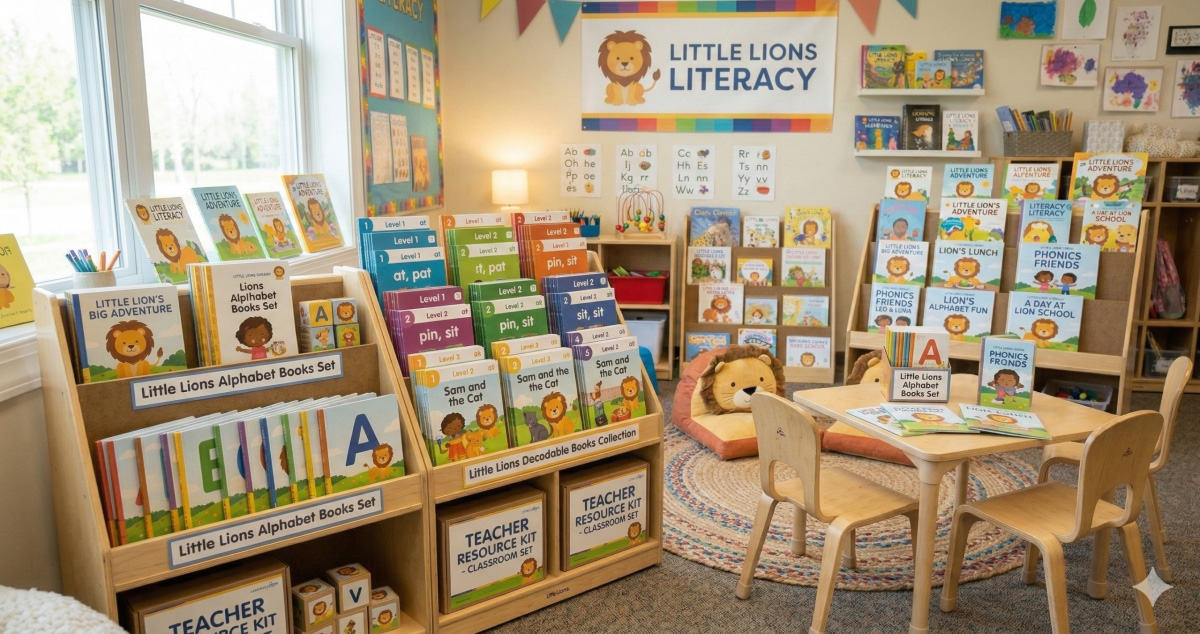
It’s one of the most exciting milestones: the moment your child starts to connect letters with sounds and realizes they can actually read. But how do you support them without causing frustration? The answer lies in using the right tools, and for new readers, that tool is the decodable book. These books are carefully designed to build confidence by only using words your child can successfully sound out with the phonics skills they already have. This approach is a game-changer. In this article, we’ll explore what to look for to find the best decodable books for 4-year-olds, helping you choose stories that make learning feel like a fun and rewarding adventure.
If you’re helping a four-year-old learn to read, you’ve probably heard the term “decodable books.” So, what are they? Simply put, decodable books are stories written specifically for beginning readers. They use a limited set of letter-sound relationships and words that a child has already learned through phonics instruction. This controlled text allows kids to practice sounding out words on their own, turning a jumble of letters into something meaningful. For a young child, this is a huge deal. It’s the moment where they realize they can actually read, which is a powerful motivator to keep going. These books are the bridge between knowing letter sounds and reading fluently.
Decodable books aren’t just random stories with simple words; they are carefully designed based on the science of how children learn to read. Reading isn’t a natural process like learning to speak. Our brains need to be taught how to connect printed letters (graphemes) with their corresponding sounds (phonemes). Decodable texts follow a specific phonics sequence, introducing new letter-sound patterns one step at a time. This allows children to apply the exact skills they are learning in real-time. By providing text that aligns with their instruction, these books help kids build automaticity and fluency with known patterns, creating a solid foundation for future reading success.
Think of decodable books as the training wheels for reading. Your child’s bookshelf is likely filled with beautiful picture books, which are wonderful for building vocabulary and a love for stories when you read them aloud. However, those books often contain complex words and spelling patterns that a new reader hasn’t learned yet. Asking a four-year-old to read them can lead to guessing and frustration. Decodable books, on the other hand, give kids a real chance to succeed. They provide the satisfaction of reading a whole book by themselves, which is a massive confidence builder. This positive experience is key to nurturing a lifelong love for reading.
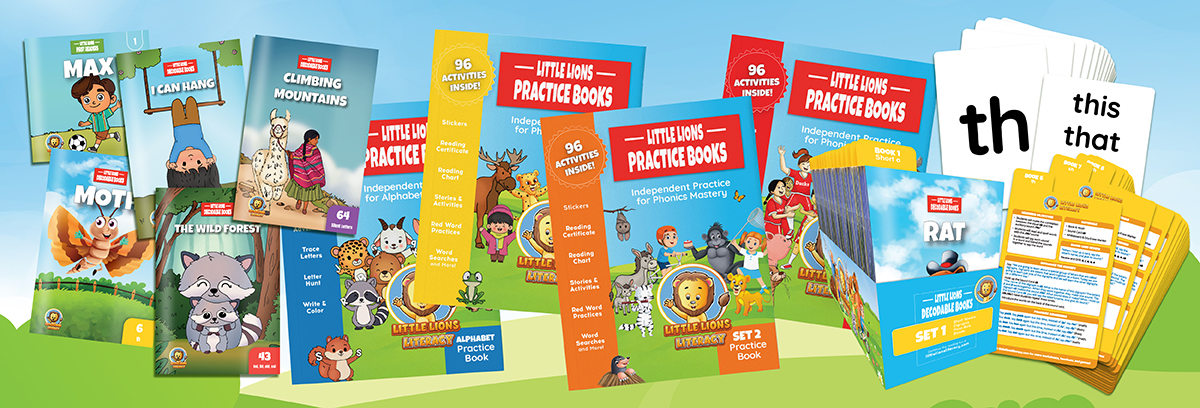
When you’re standing in a bookstore or scrolling online, the sheer number of children’s books can be overwhelming. But finding the right decodable books for your 4-year-old doesn’t have to be complicated. The best ones share a few key ingredients that turn reading practice into a positive and successful experience. Think of it like a recipe for reading success. You need a solid foundation, engaging elements, and just the right level of challenge to keep your little one excited to turn the page.
Unlike typical picture books that are meant to be read aloud, decodable books are carefully crafted tools. They are specifically designed to help children practice the phonics skills they’re learning, so it’s important to choose ones that do the job well. They act as a bridge between knowing letter sounds and reading fluently. By focusing on books with a clear structure, fun stories, and readable text, you set your child up for those amazing “I can read this!” moments. These books are all about building confidence by giving kids text they can actually read with the skills they have right now. Let’s walk through exactly what to look for to make sure you’re picking a winner.
The most important feature of a good decodable book is that it follows a clear and logical phonics progression, often called a scope and sequence. This just means the books introduce new letter sounds and spelling patterns in a specific, systematic order. A book set should start with simple sounds and gradually add more complex ones. This ensures your child is only asked to read words with letter-sound patterns they have already been taught. This structured approach prevents them from feeling overwhelmed and allows them to build their skills one step at a time, which is crucial for creating a confident reader.
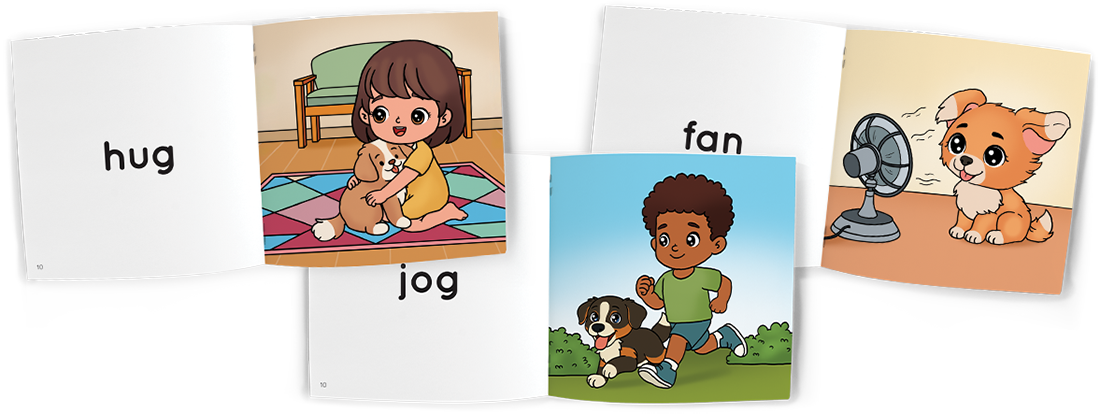
Let’s be honest, if a book is boring, a 4-year-old won’t want to read it. A great decodable book pairs its phonics practice with a story that is genuinely fun and interesting for a young child. Look for books with relatable characters, silly situations, or popular themes that capture your child’s imagination. The pictures should be bright and appealing, supporting the story without giving away the words. The goal is for the illustrations to help with comprehension while still encouraging your child to do the work of sounding out the text. This combination helps foster a love for reading that goes far beyond just learning the mechanics.
The text in a decodable book should feel manageable for a new reader. This means the sentences are short, the vocabulary is simple, and the majority of words are decodable based on the phonics skills covered up to that point. The purpose of these books is to give your child a chance to practice decoding in a real context. When the text is aligned with what they know, they can successfully sound out words, which builds confidence and automaticity. This repeated practice is what helps them become a more fluent reader over time, making the process feel less like work and more like a fun accomplishment.
Beyond a good story, little details can make a big difference in keeping a 4-year-old engaged. Some decodable books include fun extras like rhyming text, silly wordplay, or a list of words to practice at the beginning or end of the story. These features can make reading feel more like a game. Most importantly, the feeling of success is the most powerful feature of all. As your child successfully reads a word, then a sentence, and then a whole book on their own, you’ll see their confidence light up. That feeling of “I did it!” is what will keep them coming back for the next book in the series.
It’s a question many parents and teachers ask. While four is a common age for children to show an interest in reading, readiness isn’t about a number on a birthday cake. It’s about having a few foundational skills in place. Every child develops at their own pace, and the goal is to meet them exactly where they are to make learning to read a positive and successful experience.
So, how can you tell if your little one is prepared to start their reading journey with decodable books? It comes down to observing a few key signs and checking for some specific pre-reading abilities. Think of it less as a test and more as a gentle way to see what your child knows and what they’re ready to learn next. This approach ensures they feel confident and excited, not pressured.
You’ve probably already noticed your child showing an interest in the world of words. These little clues are often the first signs that they’re getting ready to read. A child who is ready for decodable books might be showing interest in letters, especially the ones in their own name. They might point out letters on signs or ask you what a word says.
This curiosity is the perfect foundation. Decodable books are designed to build directly on this emerging knowledge. They are controlled texts that only use the letter-sound patterns your child has already learned, giving them a chance to practice their new skills and feel like a real reader right away. If your child can recognize a handful of letters and knows their corresponding sounds, they may be ready to try a simple decodable book.
Before handing your child their first decodable book, it’s helpful to check for a couple of core skills. The most important one is basic letter-sound knowledge. Can your child look at the letter ‘m’ and say the /m/ sound? Or see a ‘t’ and say /t/? They don’t need to know the whole alphabet, but having a small group of letter sounds mastered is the first step.
The next skill is blending. This is the ability to string those individual sounds together to make a word. For example, can you say the sounds /s/ /a/ /t/ slowly, and can your child blend them together to say the word “sat”? This is the magic trick of reading, and it’s essential for using decodable books. The best books are aligned with an evidence-based phonics program, so you can match the book to the specific skills your child is learning.
Finding the right books can make all the difference when your four-year-old starts connecting letters to sounds. You need stories that are engaging but also structured to build real skills. It’s a delicate balance. The last thing you want is a book that’s so difficult it causes frustration, or one so simple it’s boring. To help you find that sweet spot, we’ve put together our favorite decodable book series. These picks are fun, effective, and perfectly suited for little learners ready to take their first steps into reading. Each series offers a unique approach, but they all share a common goal: to make learning to read a positive and rewarding experience.
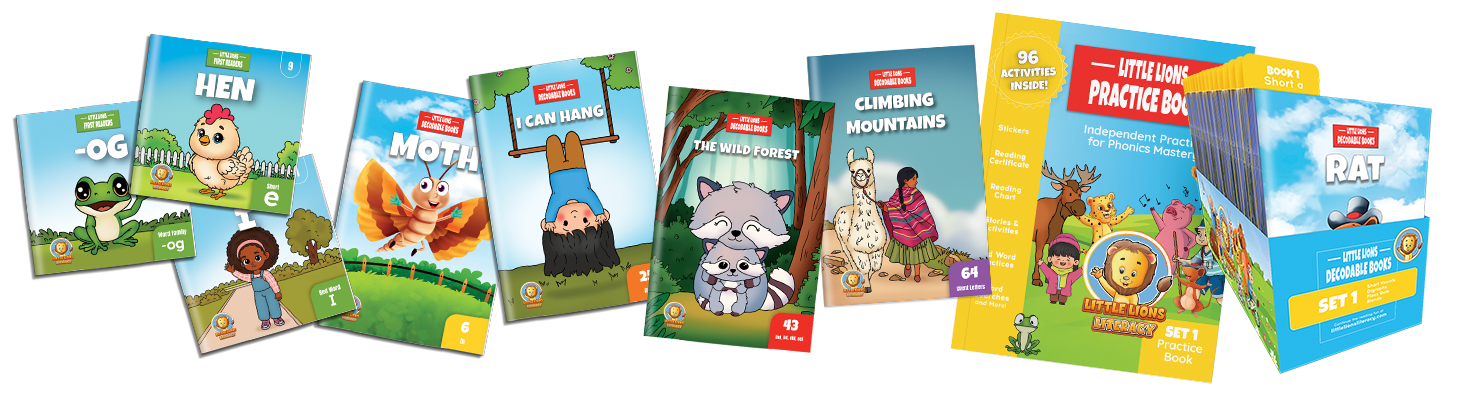
We might be a little biased, but we designed our Little Lions Literacy Decodable Books to be both fun and systematic. Our books come in progressive sets, where each story introduces new phonics skills that build on the last. This step-by-step approach creates a solid foundation, turning a potentially tricky process into a series of confident wins. We packed them with colorful illustrations and silly stories to keep kids hooked, ensuring they associate reading with joy right from the start.
There’s a reason Bob Books have been a staple for generations. They are masters of simplicity, which is exactly what a new reader needs. The First Stories set uses just a handful of letters and short vowel sounds to create gentle, achievable stories. These short books provide that crucial early experience of reading a whole book independently, which is a massive confidence builder for little ones. They show kids that reading is something they can absolutely do on their own.
Grounded in the Science of Reading, the Charge into Reading Decodable Readers are an excellent choice for parents who want a structured approach. Created with literacy experts, these books follow a clear phonics progression with engaging stories and vibrant illustrations. This series ensures children are practicing specific skills with each book they read, making it a thoughtful, curriculum-aligned resource for learning at home.
A familiar character can be the perfect invitation to get a child excited about reading. The Pete the Cat Phonics Fun series uses a beloved character to make phonics practice feel like pure fun. These books are bright, colorful, and feature the same cool, laid-back vibe that makes Pete so popular. It’s a fantastic strategy to get a hesitant reader engaged and show them that the stories in books are just as fun as the ones they see on screen.
The team behind TCR Decodable Books knows that building confidence is key to learning to read. Their stories are sweet, entertaining, and carefully written to be accessible for the earliest readers. With simple sentences and a clear focus on specific phonics patterns, they provide just the right amount of support to give children that amazing “I can do it!” feeling. These books are great for nurturing a positive attitude toward reading.
When you hand your child a decodable book, you’re giving them more than just a story. You’re giving them a key to understand the code of reading. Unlike many picture books that contain words a child has to guess or memorize, decodable books are carefully crafted to include only the letter-sound patterns your child has already learned. This intentional design makes a huge difference in their early reading journey, shifting the focus from guessing to actual decoding.
Think of it this way: you wouldn’t ask someone to run a marathon before they’ve learned to walk. Similarly, we can’t expect kids to read complex words before they’ve mastered the basics. Decodable books meet children exactly where they are, providing the right level of challenge to help them grow without feeling overwhelmed. They are specifically designed to build on phonics instruction, turning abstract lessons about letters and sounds into tangible, confidence-building success. By giving children readable texts, we empower them to see themselves as readers from the very beginning. This approach sets them up for a future where reading is a source of joy, not a struggle.
Decodable books are like the training wheels of reading. They provide a safe and supportive environment where children can practice their new skills without the fear of falling. Each time your child successfully sounds out a word and reads a sentence, their confidence grows. You can see it in the way they sit a little taller and turn the page with excitement. This feeling of accomplishment is powerful. It fosters a sense of independence, showing them that they have the tools to read all by themselves. Those small wins add up, creating a positive cycle where success fuels the desire to read even more.
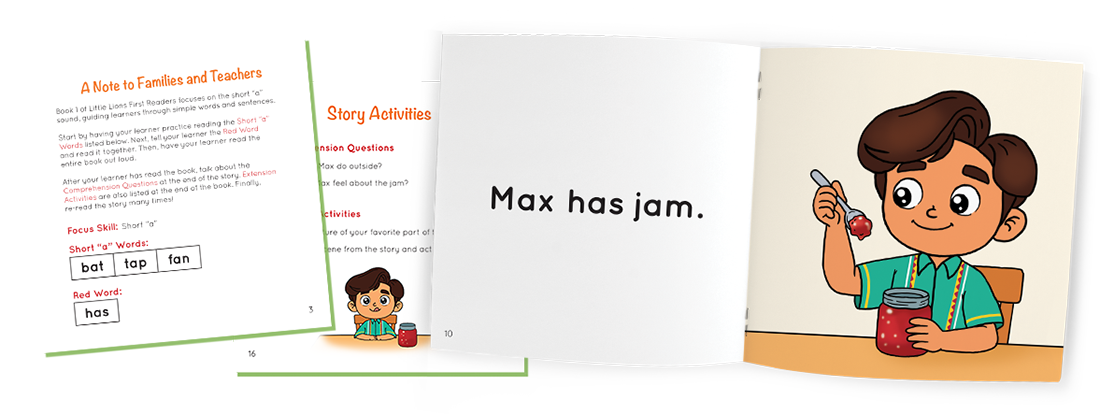
The magic of decodable books lies in their structure. They are essentially controlled texts that limit spelling patterns to what a child has been taught. If your four-year-old has learned the sounds for the letters m, s, a, and t, their first book will only feature words made from those letters, like “mat,” “sat,” and “at.” This targeted approach directly reinforces their phonics lessons. It helps them practice connecting letters to sounds in a real-world context, solidifying their understanding of how our written language works. This systematic practice is fundamental for building a strong foundation for future reading.
When a book is filled with words a child can actually read, the experience changes from frustrating to fun. Because decodable books align with what students already know, they can focus on practicing their decoding skills instead of guessing or getting stuck. This alignment builds fluency and automaticity with known words and patterns. More importantly, it helps prevent the discouragement that can make kids associate reading with failure. By providing positive and successful reading experiences, we are nurturing a lifelong love for reading. We show them that reading isn’t a chore, but a rewarding and enjoyable adventure.
Bringing out the first “real” reading books for your child is such an exciting milestone. But it can also feel a little daunting. How do you make it fun and not feel like homework? The secret is to keep things light, positive, and centered on connection. You’re not just teaching your child to read; you’re showing them that books are a source of joy and confidence. With a few simple strategies, you can turn this new step into one of your favorite parts of the day. These tips will help you introduce decodable books in a way that feels natural and encouraging for your new reader.
First, set the stage for success. Find a cozy, comfortable spot where you and your child can snuggle up with a book, away from distractions like the TV. This creates a special routine that they’ll look forward to. The goal is to make reading time a warm, low-pressure experience. Remember, decodable books are designed to help your child win. They are controlled texts that only use the letter-sound patterns your child has already been taught. This careful design means they can actually read the words on the page, which is a huge confidence builder. Let them lead the way, and celebrate their effort, not just their perfection.
A great way to approach reading practice is to mix it up. Use decodable books to let your child practice their new phonics skills, and continue to read aloud from more complex picture books to keep their love for stories strong. This gives them the best of both worlds: they build foundational skills with decodables and expand their vocabulary and imagination with storytime. When they are reading a decodable book, encourage them to point to each word as they sound it out. This simple trick helps them track the words and stay focused. If they get stuck, gently help them sound out the word, but give them a moment to try first.
Don’t be surprised if your four-year-old wants to read the same short book ten times in a row. This repetition is actually fantastic for their learning! Rereading helps build reading fluency, allowing them to recognize words more quickly and read with greater expression. Decodable books are perfect for this, as they provide targeted practice with specific phonics patterns. To build their understanding, ask simple questions about the story. You can ask things like, “What is the dog doing?” or “How do you think the cat feels?” This keeps them engaged and helps them connect the words they’re decoding to the meaning of the story.
One of the most powerful things about decodable books is that they aren’t just for one type of child. Because they are designed to align with what a child is learning about letter-sound relationships, they provide a supportive and successful reading experience for everyone. Whether your little one is a budding bookworm, a bit hesitant to start reading, or learning English as a new language, decodable books meet them exactly where they are. They systematically build skills and, just as importantly, build the confidence that turns children into readers for life.
If you have a child who finds reading frustrating, decodable books can be a game-changer. Many early reading books contain words with tricky spelling patterns that kids haven’t learned yet, forcing them to guess. This can make reading feel like an impossible puzzle. Decodable books do the opposite. They are carefully crafted to only include words that match the phonics rules your child has already been taught. This controlled approach allows them to practice their new skills on texts designed for their success. Instead of guessing, they get to use their knowledge to sound out words, turning confusion into clarity and building a solid foundation for future reading.
Learning to read in a new language is a huge accomplishment, and decodable books provide an excellent pathway. The English language has many irregular spellings, which can be confusing for anyone, especially English Language Learners (ELLs). Decodable books bring order to the chaos by introducing phonetic patterns one by one in a logical sequence. This systematic approach helps children hear the sounds in English words and connect them to specific letters and patterns. By providing this clear structure, decodable books help young learners become better readers and build their confidence as they master the building blocks of the language.
Every child deserves to feel that amazing “I did it!” moment when they read a book all by themselves. Decodable books are designed to create those moments again and again. Because the text is aligned with what students already know, they can practice their decoding skills and experience a high rate of success. This practice is what builds fluency and automaticity, which is the ability to recognize words quickly and accurately. More importantly, that feeling of accomplishment is what nurtures a positive relationship with reading. When kids feel successful, they are more motivated to pick up the next book, creating a positive cycle that fosters a genuine love for reading.
Building a home library of decodable books is a wonderful way to support your new reader, but it doesn’t have to break the bank. With a little bit of searching, you can find high-quality, engaging books at great prices. Whether you prefer the convenience of online shopping or the charm of a local bookstore, there are plenty of options to explore. Knowing where to look and what deals to watch for can help you gather a fantastic collection that will grow with your child.
Online shopping makes it easy to find exactly what you need. For instance, Amazon offers a huge selection of decodable books, with thousands of options designed for early readers. You can find them in various formats, including paperback, hardcover, and even Kindle editions, which is great for on-the-go reading. Beyond the big retailers, don’t forget to check out online teacher supply stores. They often carry classroom-tested sets and resources that are perfect for home use, providing durable and effective books that are built to last through many readings.
There’s something special about browsing the shelves of a local bookstore. Many independent shops have fantastic children’s sections with curated selections that include decodable readers. The staff are often passionate about children’s literature and can offer personalized recommendations to fit your child’s interests and reading level. Plus, supporting a local business is a great way to invest in your community. You might even discover unique books or authors that you wouldn’t have found online, making your trip a fun adventure for you and your little one.
A little strategy goes a long way when it comes to saving money on books. Keep an eye out for sales, as many retailers offer discounts like 20% off orders over a certain amount. Free shipping is another common perk for larger orders. One of the best ways to save is by looking for bundle deals, which group together a series of books for a lower price than buying them individually. Also, consider checking your local library for decodable sets you can borrow, or look for gently used books at thrift stores or online marketplaces.
Building a home library for your new reader is an exciting step. A thoughtful decodable library is a powerful tool that grows with your child, supporting them at every stage. Instead of just grabbing random books, you can create a curated collection that builds skills and confidence, one story at a time. The key is to start with the right books, follow a clear plan for adding more, and do it all without stretching your budget. This approach turns reading practice into a positive and rewarding experience.
The magic of decodable books is that they meet your child exactly where they are. They are carefully written to only include letter sounds and spelling patterns your child has already learned. This “controlled text” approach prevents the frustration of stumbling over unfamiliar words. For a 4-year-old just starting out, this usually means books focused on the alphabet and simple CVC words like “cat” or “sun.” Starting at the right level ensures early reading experiences are successful and fun, which is the best way to motivate them to keep going.
As your child masters one set of skills, you’ll want to introduce books that gently challenge them with the next. This is why a plan is so important. The best decodable book series follow a specific phonics progression, often called a scope and sequence. Each set builds on the last, introducing new sounds and patterns systematically. This structure helps your child practice decoding skills and build fluency with confidence. When you follow a plan, you’re not just buying more books; you’re strategically building a path for your child’s reading success.
You don’t need a huge, expensive library to support your young reader. Start with a single, high-quality decodable book set. Remember, re-reading is fantastic for building fluency, so you’ll get plenty of use out of a small collection. To keep reading fun and varied, supplement your decodables with exciting picture books from your local library. These “read-aloud” books expose your child to rich vocabulary and storytelling while you handle the heavy lifting of reading. This balanced approach builds phonics muscles and nurtures a love for stories.
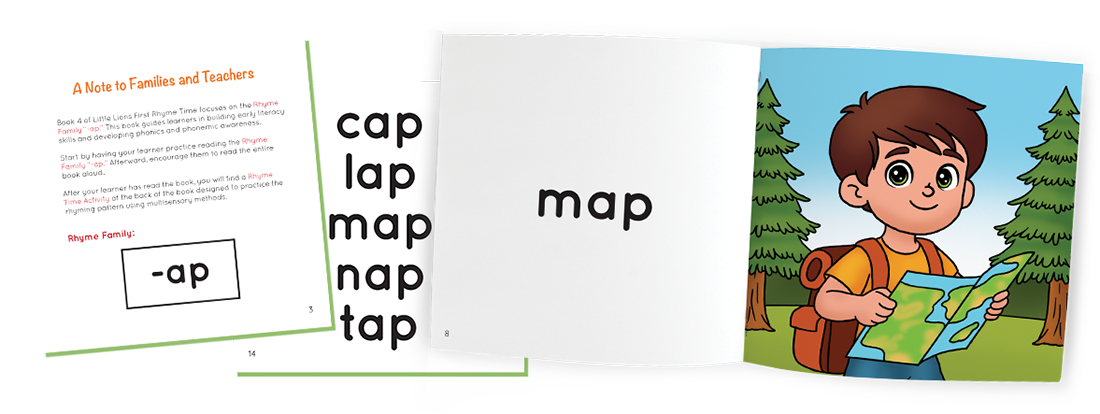
My child knows their ABCs. Does that mean they’re ready for decodable books? Knowing the alphabet song is a fantastic first step, but readiness for decodable books is more about knowing letter sounds. For example, can your child see the letter ‘s’ and make the /s/ sound? The next key skill is blending those sounds together to form a word. If you say the sounds /m/ /a/ /p/ slowly, can they hear the word “map”? Once they have a few letter sounds down and can start blending, they are ready to try their first decodable book.
Should we stop reading our other picture books? Absolutely not! Think of it this way: decodable books are for practice, and your other beautiful picture books are for pleasure. Continue to snuggle up and read those rich, complex stories aloud. This builds your child’s vocabulary and love for stories. Decodable books give them the specific tool to practice their own reading skills, while read-aloud time continues to fill their imagination.
What if my child just guesses words based on the pictures? This is a very common habit, so don’t worry. The illustrations are there to support the story, but we want to encourage them to look at the letters. A simple trick is to gently cover the picture with your hand for a moment and say, “Let’s use our sounds to figure this word out.” This prompts them to focus on the text and apply the phonics skills they’ve been learning.
How many decodable books do we need to get started? You really don’t need a huge library to make a big impact. Starting with a single, high-quality set of books that follows a clear phonics progression is a perfect way to begin. Children benefit immensely from rereading the same books. This repetition helps them build speed and confidence, so you will get plenty of value from a small, well-chosen collection.
How long should a reading session with a decodable book last for a 4-year-old? Keep it short, positive, and fun. For a four-year-old, five to ten minutes of focused practice is often plenty. The most important thing is to end the session on a high note, before your child gets tired or frustrated. A few minutes of successful, happy reading each day is far more effective than a long, stressful session once a week.