There’s a special kind of magic in watching a second grader’s face light up when they read a whole book by themselves. That “I did it!” moment is what builds a lifelong love of reading. But getting there can be tricky, especially when books are filled with words they haven’t learned yet. This is where decodable books make all the difference. They are carefully designed to match what your child is learning in phonics, setting them up for success with every page turn. This guide will walk you through everything you need to know about finding the best decodable books for 2nd grade, helping you give your child the tools they need to become a confident, capable reader.
Think of decodable books as a practice field for new readers. Unlike other children’s books that might have complex or irregular words, every word in a decodable book is chosen on purpose. These books are carefully crafted to include only the letter sounds and phonics rules your child has already been taught. This intentional design means your second grader can pick up a book and successfully sound out the words using the skills they’re learning in school. It takes the guesswork out of reading and allows them to apply their knowledge in a real, tangible way.
For second graders, this is a game-changer. This is the age where many children are making the big leap from learning to read to reading to learn. Decodable books are the perfect bridge. They provide focused practice that reinforces their understanding of specific phonetic patterns, helping to make word recognition quick and automatic. This repeated exposure is what solidifies their skills, helping them understand that every letter in a word has a job to do. Using decodable texts helps children build a strong foundation, so they can eventually tackle more complex books with ease.
Perhaps the biggest benefit is the confidence boost. When a child can read an entire book by themselves, their face lights up. Because decodable books are set up for success, they provide that “I did it!” moment over and over again. This makes them an incredible tool for all young readers, but especially for children who find reading challenging or need extra support. They create a positive, encouraging reading experience that helps your child see themselves as a capable reader, ready for the next step in their literacy journey.
By second grade, your child is moving beyond basic letter sounds and starting to tackle more complex phonics patterns. This is a pivotal time in their reading journey, and the right tools can make all the difference. Decodable books are specifically designed to support this stage. Unlike other children’s books that might contain unpredictable words, decodable books are carefully crafted to include words that align with the phonics skills your child is currently learning. This intentional design helps them practice new skills in a supportive context, building a solid foundation for a lifetime of reading.
At its heart, phonics is the connection between letters and sounds. Decodable books are the perfect bridge between learning a phonics rule and actually using it. As the experts at We Are Teachers note, “Decodable books are special books where the words are chosen on purpose. This helps kids use the phonics skills they are learning to read the words.” When a second grader learns about vowel teams like “oa” or “ai,” a decodable book will feature stories filled with words like “boat” and “rain.” This gives them immediate, successful practice. They aren’t just memorizing rules; they are actively applying them to unlock the words on the page.
Have you ever watched your child painstakingly sound out a word, letter by letter? Decodable books help make that process faster and more automatic. They provide repeated exposure to specific letter-sound relationships, helping kids to instantly recognize patterns instead of decoding from scratch every time. According to Reading Rockets, this process helps children “understand that all letters matter in words.” This repeated practice builds strong neural pathways for quick word recognition. It’s a two-for-one deal, too! As children get better at reading words with specific patterns, their ability to spell those same words correctly also improves.
Nothing motivates a child like success. When a second grader picks up a decodable book and finds they can actually read it themselves, their confidence soars. This feeling of accomplishment is incredibly powerful. Because the text is aligned with what they know, they can read more smoothly and with greater expression—this is what educators call reading fluency. Instead of stumbling over unfamiliar words, they can focus on the rhythm and flow of the story. This positive feedback loop—where success builds confidence, and confidence encourages more practice—is essential for fostering a genuine love of reading and turning it into an enjoyable activity.
A common misconception is that decodable books are only about sounding out words. But the ultimate goal of reading is always understanding. Because decodable books reduce the cognitive load of decoding, children have more mental energy to focus on what the story is about. They can think about the characters, follow the plot, and make predictions. As one parent’s guide suggests, you can “encourage them to apply the skills they have learned… to help them understand the text.” After reading, ask simple questions like, “What do you think will happen next?” to ensure they are connecting the words to the meaning behind them.
When you’re searching for decodable books, you’ll quickly realize they aren’t all the same. The most effective ones share a few key characteristics that transform them from simple stories into powerful learning tools. Knowing what to look for helps you choose books that will truly support your second grader’s reading journey, building their skills and their confidence at the same time. A great decodable book is more than just a story with simple words; it’s a carefully constructed stepping stone to reading fluency.
The best decodable books are built on a logical and systematic foundation. The words are chosen intentionally to help children practice the specific phonics skills they are currently learning. Instead of encountering random spelling patterns, your child will read stories that reinforce the connection between letters and sounds in a structured way. This systematic approach is often detailed in a scope and sequence, which maps out which skills are taught and in what order. This ensures children can build their abilities step-by-step without feeling overwhelmed by concepts they haven’t been taught yet.
A book is only “decodable” if a child has the tools to decode it. This means the story should primarily use letter-sound relationships and spelling patterns that are already familiar to your reader. If a book is filled with rules they haven’t learned, it can lead to frustration and guessing instead of sounding out words. The goal is to provide successful practice. When you match a book to your child’s current skill level, you give them the opportunity to apply their knowledge and experience the confidence that comes from reading a whole book on their own. This targeted practice is a core component of effective phonics instruction.
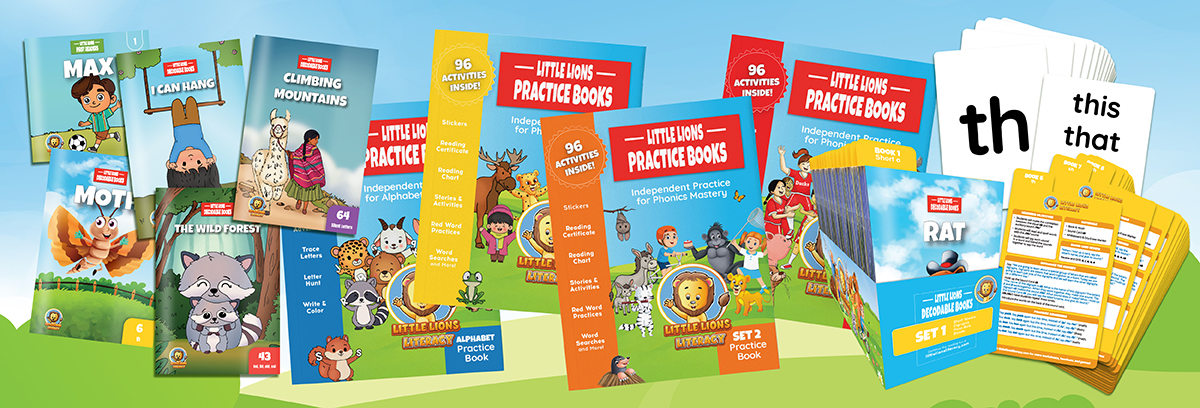
Phonics practice shouldn’t be a chore. High-quality decodable books weave phonics skills into fun, engaging narratives that capture a child’s imagination. A good story motivates a child to keep reading, making the skill practice feel like a byproduct of the fun. The illustrations play a huge role, too. They should support the story and provide context clues without giving the words away. For second graders who are starting to feel like “big kids,” it’s also important that the books look and feel age-appropriate, not babyish. Our Little Lions Literacy sets are designed with vibrant illustrations and fun plots to keep young readers excited.
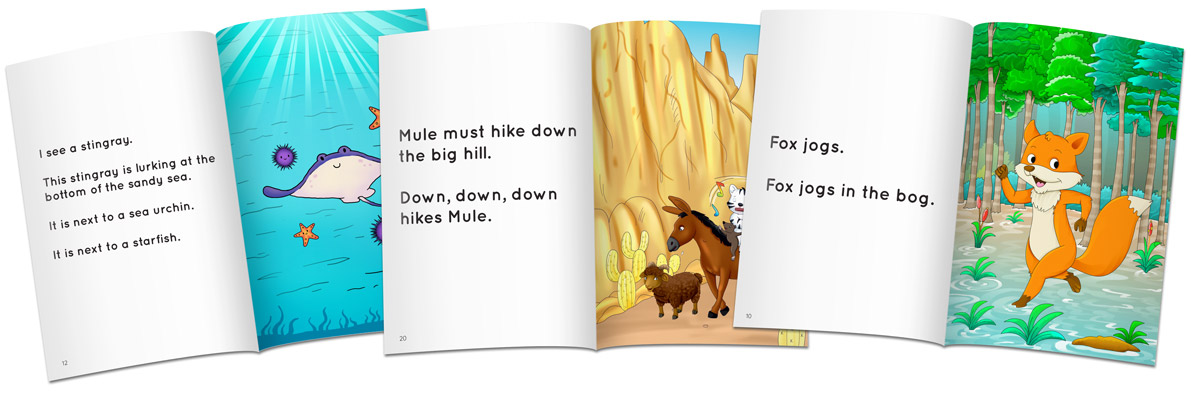
The ideal decodable book lives in that sweet spot between too easy and too hard. It should feel comfortable for your child to read, reinforcing their existing skills, while also gently introducing a small amount of new material to encourage growth. As children master more phonics rules, the books they read should become more complex. This is why sets of books that progress in difficulty are so valuable. They provide a clear path forward, allowing your child to move seamlessly from one level to the next as their abilities grow. Finding these “just right” books is key to maintaining their motivation and preventing frustration.
For parents and educators using a specific curriculum, it’s essential that decodable books align with the phonics instruction being provided. When the books your child reads at home reinforce what they’re learning in the classroom, it creates a powerful and cohesive learning experience. Before choosing a set of books, check to see if the publisher’s phonics plan fits with what you’re teaching. This alignment prevents confusion and ensures that your child is consistently practicing the right skills at the right time, making their path to reading fluency much smoother.
Finding the perfect decodable books for your second grader can feel like a treasure hunt. You want something that aligns with their phonics skills but is also fun enough to keep them turning the pages. At this age, kids are moving beyond basic sounds and tackling more complex spelling patterns, so the right books are crucial for building their confidence and fluency. A great decodable book meets your child where they are, giving them the chance to practice new skills in a supportive context. When a child can successfully sound out the words in a story, it reinforces their learning and makes them feel like a capable reader.
To make your search easier, I’ve put together a list of some of the best decodable book series out there. Each one offers something unique, from interactive sets to beautifully illustrated stories, ensuring you can find the perfect match for your young reader. These recommendations are trusted by parents and educators to help children become strong, confident readers. We’ll look at what makes each series special so you can choose the one that best fits your child’s personality and learning style.
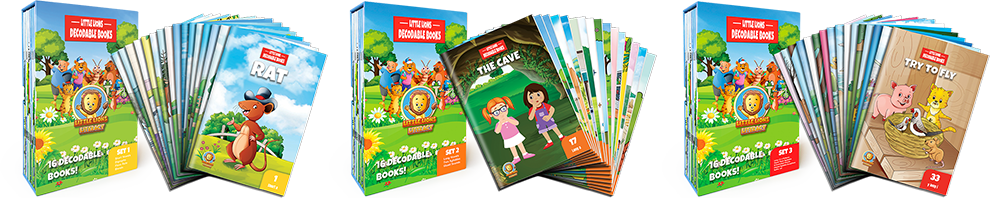
Of course, I have to start with a personal favorite. The Little Lions Literacy book sets are thoughtfully designed to follow a clear and logical phonics sequence, which means you can easily match them to what your child is learning. The stories are sweet and engaging, with both fiction and nonfiction topics that capture a second grader’s curiosity. What I love most is seeing a child’s confidence grow as they move through a set, mastering new skills with each book. These aren’t chapter books, but rather a series of books that build on each other, creating a steady and supportive path to reading fluency. They provide the perfect mix of skill practice and storytelling fun.
If your child thrives on hands-on activities, the sets from Hand2mind are a fantastic choice. Their approach goes beyond just reading by incorporating interactive elements that reinforce phonics concepts. These decodable text sets are designed to cover all aspects of reading, from decoding and fluency to comprehension. The interactive components help keep kids engaged and make learning feel more like play. This is an excellent resource for parents and teachers who want a comprehensive system that actively involves the child in the learning process, helping to solidify their understanding of phonics rules in a dynamic way.
For a gentle and encouraging introduction to more complex words, Half-Pint Readers are a wonderful option. Created by LuAnn Santillo, these books are known for their colorful, simple illustrations and stories that help new readers feel successful. One of the biggest advantages is that you can read the books online for free, making them incredibly accessible for families and classrooms. This is a great way to supplement your child’s reading library without a big investment. The focus is squarely on building confidence, providing short, achievable stories that leave kids feeling proud of their ability to read on their own.
Variety is the spice of life, and that’s true for reading, too! Just Right Readers offers an impressive library of decodable books that cater to very specific phonics skills. For instance, they have a huge collection focused just on CVC (consonant-vowel-consonant) words, which is perfect for reinforcing those foundational patterns. The stories are fun and modern, designed to hold a child’s interest. Like Half-Pint Readers, many of their books are available to read online for free, making it easy to find texts that are at the perfect level for your child. This is a go-to resource for targeted phonics practice.
Heggerty is a well-respected name in early literacy, and their decodable books live up to the reputation. They offer several collections, including a downloadable library, that cover a wide range of phonics skills. The key to success with Heggerty’s books is to make sure they align with the specific phonics curriculum you’re using, as they are designed to complement systematic instruction. A huge plus for educators and homeschooling parents is that each book often comes with a simple lesson plan, taking the guesswork out of how to best support your reader before, during, and after the story.
If you have an animal lover on your hands, Express Readers will be an instant hit. This series features charming stories about animal characters, brought to life with beautiful, hand-drawn illustrations. The visual appeal is a huge motivator for young readers, drawing them into the world of the story. The books are carefully structured to support a systematic phonics approach, ensuring that children are practicing the skills they’ve been taught. The combination of heartwarming tales and targeted skill-building makes this series a delightful addition to any second grader’s bookshelf, helping them form a positive, emotional connection to reading.
Flyleaf Publishing is known for its high-quality decodable books that don’t sacrifice story for the sake of phonics. The narratives are rich and compelling, and they come with excellent teacher guides that provide valuable support for instruction. One of the most incredible things about Flyleaf is that they have historically offered their entire library of books to read online for free. It’s always worth checking their website for current offers, as this provides an amazing opportunity for families and schools to access a top-tier resource. These books are fantastic for helping children see that phonics-based reading can be just as exciting as any other story.
For those looking to build a child’s vocabulary and general knowledge right alongside their decoding skills, Geodes are an outstanding choice. These books are specifically designed to align with the Wilson Fundations® phonics plan and are filled with fascinating, content-rich topics and realistic art. While they are a bit of a bigger investment, many educators and parents find them to be worth it. Instead of just decoding words, children learn about the world—from science to history—which makes reading a much more rewarding and enriching experience. Geodes prove that decodable books can be a powerful tool for building a foundation of knowledge.
Picking the right books for your new reader can feel like a big decision, but it doesn’t have to be complicated. The key is finding stories that meet your child where they are and get them excited to turn the page. Think of it as a partnership: the book provides the right level of practice, and your child brings the curiosity. When you find that sweet spot, you’re not just teaching them to read; you’re helping them become a reader for life. This guide will walk you through four simple things to consider, so you can feel confident you’re choosing the perfect decodable books for your second grader. It’s all about finding a resource that supports their journey and builds their confidence one word at a time.
A book is only truly “decodable” if your child has already been taught the phonics skills needed to read the words inside. If they’re still mastering short vowels, giving them a book full of silent ‘e’ words will only lead to frustration. Before you buy, take a moment to understand what phonics patterns your child knows and what they’re currently learning. Most quality decodable book series will provide a scope and sequence, which is a map of which skills are taught in which order. Matching the book to their specific skill level ensures they feel successful and capable, turning reading practice into a positive experience.
Phonics practice doesn’t have to be boring! The best decodable books use engaging stories and vibrant illustrations to make learning feel like an adventure. For second graders, it’s especially important that the books don’t feel “babyish.” They are proud of their growing skills and want books that look and feel like something a “big kid” would read. Look for fun characters, silly plots, or interesting topics that will capture their imagination. When a child is genuinely interested in the story, they’ll be much more motivated to work through challenging words and stick with it to the end. This intrinsic motivation is a powerful part of their reading journey.

A great decodable book strikes a careful balance. The majority of the words should be decodable using the phonics rules your child has learned. You should also check to see how many high-frequency words—common words like “the,” “is,” and “said”—are included. These words often don’t follow typical phonics rules but appear so often that kids need to learn them. A good series will introduce these words gradually. The goal is to find books that align with your child’s current phonics instruction, giving them plenty of opportunities to practice new skills while building a vocabulary of words they can recognize instantly.
As your child’s reading skills grow, they can move through books pretty quickly, so it’s smart to think about your budget. Building a home or classroom library is an investment in their future. Buying books in sets or bundles is often more cost-effective than purchasing them one by one. These sets also have the added benefit of following a logical skill progression, so you don’t have to guess what book should come next. Keep an eye out for promotions and bundle deals, and don’t forget to explore free online resources and printables that can supplement your library without breaking the bank.
Once you have the right decodable books, sharing them with your child is where the magic happens. Reading together is more than just practice; it’s a chance to connect, build confidence, and show them that reading is a rewarding and enjoyable activity. These simple tips can help you make your shared reading time both effective and fun, turning practice into a positive experience that strengthens their skills and your bond.
Before your child tries to read a book, show them how it’s done. Read the story aloud yourself, using a natural pace and plenty of expression. This isn’t about them memorizing the words, but about giving them a clear example of what fluent reading sounds like. When you model fluent reading, you demonstrate how to pronounce words correctly and how to use intonation to make the story interesting. This helps your child understand that the goal is not just to say the words, but to understand and convey the story’s meaning. It’s a simple step that provides a powerful blueprint for their own reading.
When your child stumbles on a word, resist the urge to give them the answer right away. This is their moment to shine and apply their phonics knowledge. Gently prompt them to sound out the word, letter by letter, and then blend the sounds together. You can ask, “What sound does that first letter make?” or “Let’s try putting the sounds together.” This process reinforces the connection between letters and sounds, which is the entire purpose of decodable books. By guiding them to decode words independently, you’re helping them build the problem-solving skills they need to become confident, self-sufficient readers.
Your role is to be your child’s biggest cheerleader. Reading can be challenging, and a supportive environment makes all the difference. Celebrate their effort and successes, no matter how small. When they make a mistake, offer gentle corrections that build them up rather than tear them down. Instead of saying, “That’s wrong,” try something like, “That was a great try! Let’s look at that word one more time together.” This kind of supportive feedback helps build their confidence and resilience, making them feel safe to take on new challenges without a fear of failure.

Decoding words is only half the battle; understanding the story is the ultimate goal. After you finish reading a book, take a few minutes to talk about it. Ask simple, open-ended questions about the characters, the setting, and what happened. You could ask, “Who was your favorite character in the story?” or “What do you think will happen next?” This simple conversation checks their reading comprehension and ensures they are connecting with the material on a deeper level. It transforms reading from a mechanical exercise into a meaningful and engaging activity.
Consistency is your best friend when it comes to building any new skill, and reading is no exception. Try to set aside a dedicated time for reading together each day, even if it’s just for 10-15 minutes. This could be part of your bedtime routine, a quiet moment after school, or a cozy weekend morning activity. When reading becomes a predictable and positive part of their day, it becomes a habit they can look forward to. A consistent reading routine signals that you value reading and provides the steady practice your child needs to progress.
Choosing the right decodable books can feel like a puzzle, but it doesn’t have to be complicated. When you know what to look for, you can confidently pick books that will help your second grader thrive. Let’s walk through some of the most common questions parents and teachers have.
This is the most important question to ask. A book is only truly “decodable” if a child has already been taught the phonics patterns in it. As reading experts point out, a book is decodable for a child only if they know the letter sounds and rules needed to read its words. As they learn more phonics, the books they can handle become more complex. To ensure a good fit, find out which specific skills your child is learning in school or at home. Then, look for books that follow a specific scope and sequence, allowing you to match the text directly to their current knowledge. This prevents frustration and builds confidence with each page turn.
It’s a common myth that decodable books are boring. The best ones pair targeted phonics practice with fun, compelling narratives. Look for books with rich, supportive pictures that help tell the story without giving away the words. For second graders who are sensitive to being seen as “little kids,” it’s also helpful to find books that look and feel more mature. You want them to be proud to carry their book around! At Little Lions Literacy, we focus on creating engaging stories and illustrations that make children excited to practice their skills. When a child is invested in the story, the reading practice feels less like work and more like an adventure.
Repetition is a feature, not a flaw, in decodable books! Seeing the same phonetic patterns and high-frequency words repeatedly helps cement them in a child’s memory. Sometimes, you might notice a word that seems a bit odd, like “yap” instead of “bark.” This is often because the author needed a word that fit the specific phonics skill being taught. You can use these moments as a great opportunity to expand their vocabulary. Simply pause and explain the new word’s meaning. This quick chat not only clarifies the story but also helps your child learn new words in a meaningful context, which is especially helpful for English language learners.
Building a home or classroom library is an investment, and costs can add up, especially since kids progress through decodable levels quickly. One of the best ways to manage this is by looking for value. Instead of buying single books one by one, consider buying in sets or bundles, which often provide a better price per book. Keep an eye out for sales or special promotions from publishers. Many companies also offer printable resources or digital versions that can be more affordable. Planning ahead and purchasing a set that covers several phonics stages can give you more mileage and ensure you always have the next right book ready to go.
Finding the right decodable books is a huge step, but knowing where to look can feel like a scavenger hunt. The good news is that as more schools and parents embrace phonics-based instruction, these resources are becoming easier to find. Whether you prefer browsing online, visiting a local shop, or buying directly from the creators, you have plenty of options. Let’s walk through the best places to find decodable books for your second grader.
Online shops offer incredible convenience and a massive selection. You can easily compare different series and find exactly what you need from home. Specialized retailers like Just Right Reader focus on educational tools to help kids learn to read, offering decodable books in English and Spanish. Of course, you can also buy directly from publisher websites. Our own Little Lions Literacy shop makes it simple to find the perfect set of books that align with your child’s reading journey.
Educational supply stores are a goldmine for parents and teachers. These stores are curated for learning and often carry high-quality, classroom-tested materials. You can find comprehensive sets for specific grade levels, like the Heggerty Library Decodable Books for students in grades 2-4. Many publishers also cater to classroom needs. For example, Express Readers provides class set bundles perfect for small group instruction. These stores are a great choice for structured resources to support a young reader.
Don’t overlook your neighborhood bookstore! While their selection might vary, many are responding to the growing demand for phonics-based resources. Decodable books are a key tool for teaching reading, especially with the rise of the “science of reading” approach, so more independent shops are starting to carry them. It’s always a good idea to call ahead and ask what they have in stock. If they don’t have what you’re looking for, they can often place a special order for you.
Going straight to the source can be one of the smartest ways to shop. When you buy directly from a publisher, you can often find the best prices, exclusive bundles, and special promotions. For instance, publishers like Pioneer Valley Books sometimes offer discounts on book bundles aligned with specific phonics curricula. Buying directly also gives you confidence that you’re getting a cohesive set of books that follows a planned phonics progression, providing a smooth learning path for your second grader.
Building a great home or classroom library is exciting, but the costs can add up quickly. The good news is you don’t have to spend a fortune to give your second grader the resources they need. With a little bit of planning, you can find high-quality, affordable decodable books that fit your budget. It’s all about knowing where to look for deals and how to leverage the amazing free resources available online. Let’s get into a few simple strategies to help you save.

Many publishers know that parents and teachers are budget-conscious, so they often run promotions and offer bundle deals. Keep an eye out for seasonal sales, back-to-school discounts, or special promo codes. A great way to stay in the loop is by signing up for email newsletters from your favorite decodable book brands. Another smart move is to purchase books in sets. Buying a classroom set or bundle is almost always more economical than buying books one by one. This is especially helpful for teachers who need multiple copies for small group instruction or for parents who want a complete phonics sequence to work through at home.
The internet is full of incredible, free resources if you know where to look. Many literacy-focused websites and educational blogs offer printable decodable passages, short stories, and even full-length books at no cost. While they might require a bit of DIY—printing, cutting, and stapling—they are a fantastic way to supplement your child’s reading practice without touching your wallet. Reputable sites like Reading Rockets often provide free materials and guides on how to use them effectively. These printables are perfect for extra practice on specific phonics skills or for sending home with students for reinforcement.
What’s the real difference between a decodable book and any other easy reader? Think of it this way: the main job of a decodable book is to provide targeted practice. Every word is chosen on purpose to align with a specific phonics skill your child has learned, like the “oa” sound in “boat.” Other easy readers or picture books prioritize the story, so they might include words with all sorts of spelling patterns. While those books are wonderful for reading aloud and building vocabulary, decodable books are the specific tool your child uses to apply their phonics knowledge and build confidence by successfully reading on their own.
Are decodable books only for kids who are struggling with reading? Not at all! This is a common misconception. Decodable books are beneficial for all new readers because they build a strong, reliable foundation. For a child who finds reading challenging, these books provide a much-needed feeling of success that can change their entire outlook. For a child who is picking up reading quickly, decodables help make their decoding skills fast and automatic, which is essential for becoming a fluent reader who can focus on the meaning of the story.
The sentences in some decodable books sound a little unnatural. Is that a problem? You’ve noticed one of the key features of a true decodable book! Sometimes the language can feel a bit stilted, like “The cat sat on the mat,” because the author is limited to using only the words a child can sound out with their current skills. This is intentional. The primary goal is to give your child successful practice decoding words. As their phonics knowledge grows, the books they read will include more complex words and sound much more like natural language.
How do I know which phonics skills my second grader is actually working on? This is a great question, and the answer is usually closer than you think. The easiest way is to connect with their teacher, who can tell you exactly what skills are being covered in class. You can also get clues from their schoolwork. Look at their spelling lists or any phonics worksheets they bring home. If you see lots of words with “ai” and “ay,” you’ll know to look for decodable books that feature those vowel teams.
When is my child ready to move on from decodable books? There isn’t a magic finish line, but rather a gradual transition. You’ll know your child is becoming a more independent reader when they can confidently and smoothly read books that contain a wide variety of phonics patterns, including words with multiple syllables. They will rely less on sounding out every word and more on instant recognition. Even then, decodable books can be a great tool for practicing a tricky new skill. The goal is for them to build a strong enough foundation that they can pick up almost any age-appropriate book and read it with understanding.