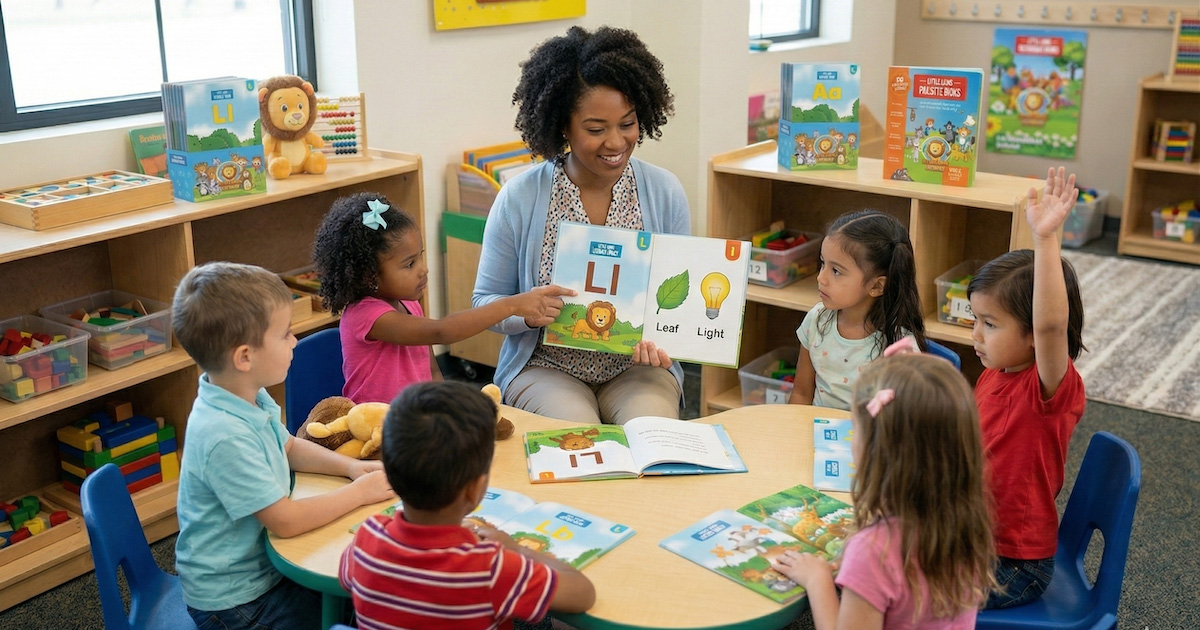
There’s nothing quite like the moment a child’s face lights up because they sounded out a tricky word all by themselves. That feeling of success is what builds a confident, lifelong reader. Decodable books are designed to create these small victories by providing stories that are 100% achievable based on what a child has been taught. To amplify that feeling of accomplishment and make learning even more powerful, you can pair these books with targeted practice. The right decodable book activities give children more opportunities to apply their skills, reinforcing their knowledge and showing them just how capable they are. This guide is filled with creative ideas to help you foster that independence and make your child proud of their reading journey.
Ever watch a young reader struggle with a book, resorting to guessing from pictures or the first letter of a word? It’s a common sight, and it can be frustrating for everyone involved. You want to help, but you’re not sure how to move them past the guessing game. This is where decodable books come in. Simply put, a decodable book is a story written almost entirely with words a child can sound out based on the phonics skills they’ve already learned. If a child has learned the sounds for s, a, t, p, i, and n, they’ll get a book filled with words like “sat,” “pin,” “pat,” and “tin.”
This intentional design is a game-changer. It transforms reading from a guessing game into an achievable puzzle. Each word they successfully decode is a small victory that builds their confidence and reinforces their phonics knowledge. Decodable books provide the crucial bridge between learning letter sounds and reading fluently. They give children the opportunity to apply their new skills in a meaningful context, which is essential for making those skills stick. This targeted practice is why decodable books are a cornerstone of effective reading instruction. They don’t just teach kids to read a specific book; they teach them the underlying skills needed to read any book.
Learning to read isn’t like learning to talk. While children naturally pick up spoken language, reading is a skill that needs to be explicitly taught. The science of reading shows us that our brains learn to read by connecting letters and letter patterns to the sounds they represent. This process is the foundation of phonics.
Decodable books are designed to support this process perfectly. They provide text that is aligned with what students have been taught, allowing them to practice their decoding skills and build confidence. When a child reads a decodable story, they are actively applying their phonics knowledge, strengthening the neural pathways that make reading automatic. This practice helps them achieve fluency with known patterns and words, freeing up their mental energy to focus on what the story actually means: comprehension.
If you’ve spent time in early elementary classrooms, you’ve likely heard of “leveled readers.” These books are often organized by a letter system (like A, B, C) and rely heavily on repetitive sentence patterns and picture clues. The idea is that children can use these clues to figure out the words. The problem? This can encourage a habit of guessing instead of true reading.
Decodable books work differently. The focus isn’t on memorizing sentence patterns or looking at pictures; it’s on decoding the words themselves. The vocabulary in Little Lions Literacy books, for example, is carefully controlled to include only the phonics patterns a child has learned. This systematic approach ensures children build their reading skills step-by-step, which helps them develop fluency and comprehension faster. By using decodable books, you’re giving your child the power to unlock words on their own, building a foundation of skills that will serve them for a lifetime of reading.
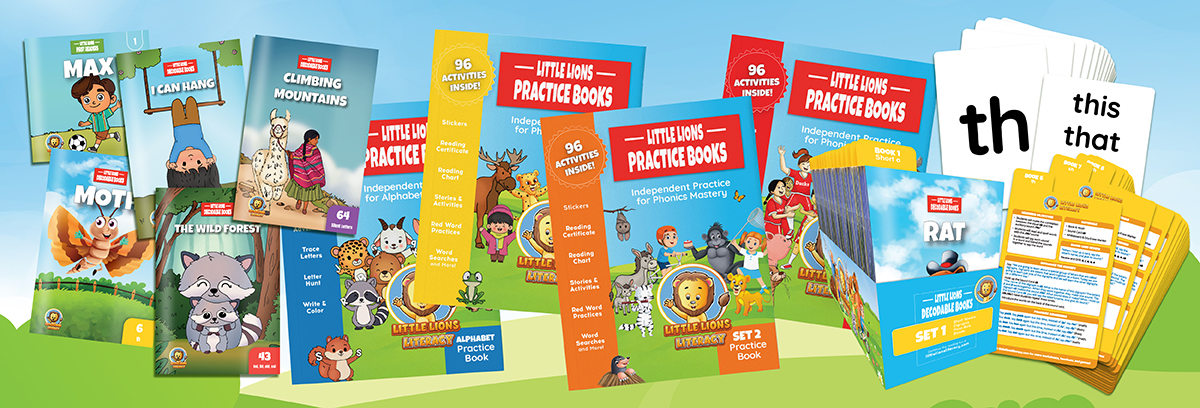
Decodable books are so much more than just simple stories. They are carefully designed tools that help you teach specific phonics skills in a logical, systematic way. When you pair these books with fun activities, you create powerful learning moments that turn abstract rules into concrete understanding. From mastering the basic sounds of the alphabet to blending words and reading with confidence, decodable activities provide the hands-on practice young readers need to succeed. They help children connect the dots between the phonics lessons you teach and the words they see on the page, building a solid foundation for a lifetime of reading.
The first step in learning to read is connecting letters to their sounds. Decodable activities are perfect for this because they give children repeated exposure to specific letter-sound patterns in a real reading context. As literacy experts explain, decodable books use text that is aligned with what students have already been taught, allowing them to practice their skills and build confidence. For example, after a lesson on the short ‘a’ sound, a child can read a book filled with words like “cat,” “Sam,” and “ran.” This immediate application helps solidify their understanding and moves that new knowledge into their long-term memory, making letter-sound recognition feel automatic.
Once a child knows their letter sounds, the next step is to put them together. Blending is the skill of pushing sounds together to read a word (like /c/ /a/ /t/ becomes “cat”), while segmenting is the ability to pull a word apart into its individual sounds. Decodable books provide the perfect playground for practicing these crucial skills. Because the text is controlled, children can confidently tackle words using the phonics rules they know. This practice is essential for developing strong phonological awareness. Every time they sound out a word, they are actively blending sounds, turning what they learned in isolation into meaningful reading.
Fluency is the ability to read with accuracy, speed, and expression. It’s what makes reading sound smooth and natural instead of choppy and robotic. Decodable books are fantastic for building fluency because they follow a clear progression. Our Little Lions Literacy book sets are designed to introduce skills systematically, so your child can master one concept before moving to the next. This step-by-step approach prevents them from feeling overwhelmed and allows them to practice a specific set of words until they can read them automatically. When a child no longer has to struggle to sound out every word, their brain is free to focus on what the story actually means, which is the true goal of reading.
Decodable books are fantastic tools for building reading skills, but they don’t have to be all work and no play. Turning reading practice into a game helps keep young learners motivated and excited about their progress. The right activities can transform a simple book into an interactive experience that solidifies phonics skills while creating positive memories around reading. These simple ideas are designed to engage kids before, during, and after they read, making learning feel less like a task and more like an adventure for both parents and educators.
Warming up before reading helps prime a child’s brain for the specific phonics skills they’ll encounter in a story. A phonics treasure hunt is a perfect way to get started. Before your child reads, give them a target sound or word pattern, like “ch” or “-op” words. Then, have them hunt through the book to find all the words that fit the pattern. This engaging activity encourages them to actively search for phonetic elements, making the experience interactive. You can also try word sorting. Write words from the book on small cards and have your child sort them into categories based on their sounds, reinforcing the target skill before they even read the first sentence.
To keep kids focused and build their confidence while reading, try a few interactive strategies. Echo reading is a simple one: you read a sentence with expression, and your child reads it back to you, copying your tone and pace. This helps model fluency and makes reading feel like a team effort. Another great method is partner reading. One popular version is “I Point, You Read,” where one person points to the words while the other reads. Taking turns not only builds confidence but also fosters independence, allowing young readers to actively engage with the text without feeling overwhelmed. These shared reading experiences reduce pressure and help children see reading as a fun, collaborative activity.
Decoding words is just one piece of the puzzle; understanding the story is the ultimate goal. After finishing a book, take a few moments to check for comprehension in a light and conversational way. You can pause while reading to ask your child to tell you what’s happened so far. This simple technique helps reinforce their understanding as they go. Once the book is finished, ask them to retell the story in their own words. They can act it out with toys, draw a picture of their favorite part, or simply tell you the beginning, middle, and end. These comprehension activities aren’t about quizzing your child but about helping them connect with the text and make sense of what they’ve read.
Extend the learning beyond the page with activities that engage multiple senses. Creative writing is a wonderful way to do this. Pick a few words from the book that feature the target phonics pattern and ask your child to write a new sentence or a short story using them. Having them draw a picture to go with their writing adds another layer of engagement. You can also get hands-on by having them build the words with magnetic letters, trace them in a sand tray, or use playdough to form the letters. This multi-sensory approach helps solidify their learning by connecting physical actions with the phonics skills they’re practicing, deepening their connection to the text.

As your child works with decodable books, you’ll want to see how they’re doing and help them through any tricky spots. The journey to reading isn’t always a straight line, but with a few simple strategies, you can track their growth, keep them excited about reading, and make sure they understand the stories they decode.
Watching your child’s fluency grow is one of the most rewarding parts of teaching them to read. You can track their progress by listening to them read a familiar decodable book aloud. Notice if they are reading smoother and with more confidence than before. Are they recognizing words more quickly? The goal of tracking isn’t to assign a grade but to guide your next steps. Using the results from a simple reading assessment can help you pinpoint which phonics skills need a little more practice. This way, you can tailor your support to what your child truly needs.
Decodable books are focused on specific phonics skills, but that doesn’t mean they can’t be exciting and rich with new words. To keep your child engaged, try previewing a book together. Point out a new word, help them sound it out, and then talk about what it means. You can also make reading more interactive by taking turns reading pages or using funny voices for different characters. The key is to make reading a fun, shared activity. This positive association helps build not only their skills but also a lifelong love of reading.
The ultimate goal of reading is comprehension, understanding the story. Decodable books are the perfect tool for building a bridge between sounding out words and grasping their meaning. As your child reads, the text gives them practice with the phonics patterns they’ve already learned, which helps them build confidence and automaticity. After reading a book together, ask simple questions like, “Who was the story about?” or “What happened at the end?” This simple step reinforces that all those letters and sounds come together to tell a wonderful story and helps develop crucial reading comprehension skills.
Finding the perfect decodable book activity is less about a specific worksheet and more about creating the right conditions for learning. When you combine the right book with an activity that matches your child’s skills and a supportive environment, you create a powerful recipe for reading success. The goal is to make reading practice feel less like a chore and more like a fun challenge. By being intentional with your choices, you can help your young reader build skills and confidence at the same time.
The most effective activities are the ones that meet your child exactly where they are. Decodable books are designed to help children practice the specific phonics rules they’ve just learned. An activity that’s too easy can be boring, while one that’s too hard can lead to frustration. Before starting, take a moment to identify the core phonics skill your child is working on. Are they focused on CVC words? Or maybe they’re learning about the “magic e” rule? Choose activities that let them practice that single skill. Following a clear scope and sequence makes this simple, as each book and activity builds logically on the last, ensuring a smooth and successful learning path.
Not all decodable books are created equal. The best ones contain a high percentage of words that children can sound out using the phonics skills they already know. This gives them the chance to feel successful and build momentum. When choosing your materials, look for books with engaging, simple stories and illustrations that support the text without giving the words away. The text should be clear and easy to read. High-quality decodable book sets will introduce new phonics patterns gradually, giving your child plenty of practice before moving on to the next skill. This careful structure is key to building a solid reading foundation.
Your child’s environment plays a huge role in their willingness to engage with reading. A comfortable and encouraging space can make all the difference. Try to create a cozy reading nook that is free from distractions like screens or loud noises. More importantly, foster an atmosphere of patience and positivity. Celebrate your child’s effort and persistence, not just their ability to read every word perfectly. When kids feel safe to make mistakes and try again, they are more likely to participate actively and develop a genuine love for reading. Remember, the goal is to build confident readers who see books as a source of joy, not stress.
Weaving decodable activities into your day doesn’t have to feel like another item on your to-do list. The key is being intentional and consistent. By connecting reading practice to phonics lessons, establishing a simple daily routine, and balancing skill-building with the joy of stories, you can create a supportive environment where your young reader thrives. These small, steady steps build a strong foundation for a lifetime of reading.
The magic of decodable books happens when they align with the phonics skills your child is learning. If you just taught the short ‘a’ sound, the book they practice with should be full of words like ‘cat,’ ‘ran,’ and ‘map.’ This immediate application solidifies their learning, allowing them to take a new rule from theory to practice. It builds confidence with every word they successfully sound out. When you choose decodable books, make sure they follow a clear progression that matches your phonics instruction. This targeted practice helps children see that the rules they’re learning actually work in real reading.
A predictable routine can make a world of difference for a new reader. Setting aside just 10 to 15 minutes each day for decodable practice creates a low-pressure, consistent space for learning. You could try reading together right after school or as part of your bedtime ritual. This regular practice helps children become familiar with letter-sound patterns and high-frequency words, which is essential for building reading fluency. When kids know what to expect, they can focus their energy on reading, which helps them feel more capable and confident. Over time, this small daily habit builds incredible momentum.
While decodable books are fantastic for building foundational skills, they are just one part of a rich reading life. It’s important to continue sharing other types of books with your child. Keep reading colorful picture books and exciting stories aloud. These experiences expose them to rich vocabulary, complex sentences, and the pure joy of getting lost in a good story. This shows them why learning to read is so worthwhile. Think of it as a balanced diet: decodable books provide the practice they need to read independently, while read-alouds provide the love of reading that keeps them going.
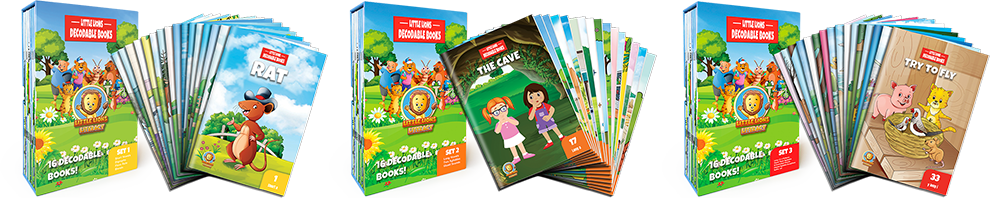
What’s the main difference between decodable books and the leveled readers my child brings home from school? The biggest difference is how they teach a child to approach a new word. Leveled readers often rely on repetitive sentence patterns and strong picture clues, which can encourage a habit of guessing. Decodable books are built differently; they are intentionally written with words your child can sound out using the specific phonics rules they have already learned. This teaches them to be word-solvers, not word-guessers.
My child relies heavily on guessing from pictures. How do decodable books help with that? This is a very common habit, and decodable books are the perfect tool to address it. Because the words in the story are tied to specific phonics skills, your child has to focus on the letters to read successfully. The illustrations in a good decodable book support the story, but they don’t give the words away. This naturally shifts your child’s focus from the pictures to the text, building the crucial skill of decoding.
Should my child only read decodable books? Absolutely not. Think of decodable books as the practice part of reading, like running drills for a sport. You should continue reading all sorts of wonderful, engaging stories aloud to your child. Reading rich picture books together builds their vocabulary, their understanding of story structure, and most importantly, their love for reading. A healthy mix of both is the perfect approach.
How much time should we spend on these activities each day? Consistency is far more important than duration. A focused 10 to 15 minutes of practice with a decodable book or a related activity each day can make a huge impact. Keeping sessions short and positive helps make reading a sustainable part of your routine rather than a stressful task to check off a list.
What if my child gets frustrated while reading a decodable book? It’s completely normal for new readers to get stuck or feel frustrated. If that happens, the best thing you can do is offer support and keep the experience positive. You can try reading a sentence together, helping them sound out just the tricky part of a word, or simply putting the book away for a bit. The goal is to build confidence, so always lead with patience and encouragement.