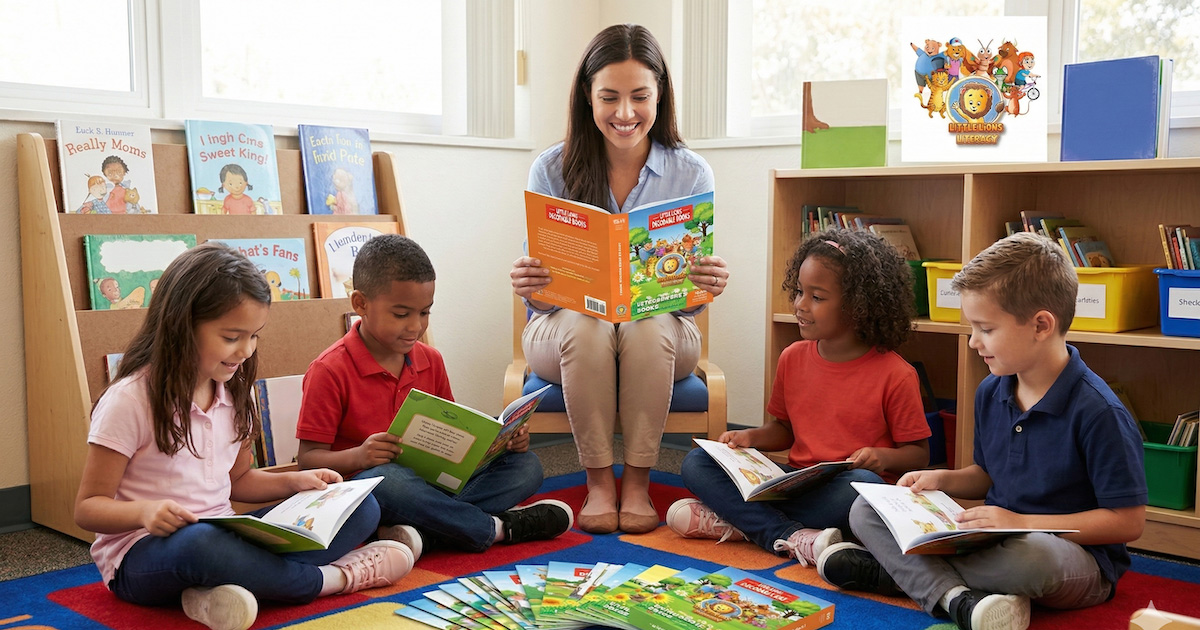
Building a reader is a lot like building a house—it all starts with a strong foundation. In reading, that foundation is phonics, and the very first cornerstone is the closed syllable. This simple pattern, where a vowel is “closed in” by a consonant, is the key that unlocks a huge portion of the English language for young learners. When children master this rule, they stop guessing and start decoding. This guide will walk you through everything you need to know, offering straightforward explanations and engaging ideas for closed syllable practice that will make learning feel like play, not work.
If you’re helping a child learn to read, you’ve probably heard about the six syllable types. The very first one we teach, and the most common in English, is the closed syllable. Think of it as the foundational building block for decoding words.
So, what is it? A closed syllable is a syllable where a single vowel is followed by one or more consonants. That final consonant “closes in” the vowel, which forces the vowel to make its short sound. You see this pattern all the time in simple words like cat, run, and fish. In each word, the vowel (a, u, i) is trapped by a consonant, so it says its short sound—/a/ as in apple, /u/ as in up, and /i/ as in itch.
Understanding this single rule helps kids decode a huge number of words without guessing. When a young reader sees a vowel followed by a consonant, they have a reliable clue about how to pronounce that vowel. This predictability is exactly what builds confidence and turns frustrating reading sessions into successful ones. It’s the first major step in showing kids that our language has patterns they can learn and master.
To spot a closed syllable, you just need to look for a few key features. First, it always has exactly one vowel. Second, that vowel is followed by one or more consonants that “close the door” on it. This structure is what creates the vowel’s short sound, like the a in apple or the e in edge. Closed syllables can be very short, like in or at, or a bit longer, like stretch, but the rule remains the same: one vowel, followed by at least one consonant.
The best way to understand a closed syllable is to compare it to its opposite: an open syllable. An open syllable ends with a single vowel, and there’s no consonant closing it in. Because the vowel is “open” at the end, it’s free to say its long name, like the o in go or the e in me. The difference is simple but powerful. In the word mop, the p closes in the o, making it a closed syllable with a short vowel sound. But in the word so, the o is at the end, making it an open syllable with a long vowel sound. Teaching this contrast helps kids see how a word’s structure directly impacts its sound.
You might be wondering why there’s so much focus on one little syllable type. It’s because closed syllables are the bedrock of learning to read in English. They are the most common syllable pattern, making up almost half of all syllables in the language. When children master this single concept, they gain a reliable tool that helps them accurately read thousands of words. Think of it as giving your child the first and most important key to unlock the code of reading. This initial success builds the confidence and momentum they need to tackle more complex patterns down the road.
Teaching the closed syllable is a critical first step in building a strong phonics foundation. Because this pattern is so common and predictable, it offers a stable starting point for new readers. When a child learns that a vowel followed by a consonant makes its short sound (like the a in cat), they learn a rule they can apply over and over again. This explicit and systematic instruction helps them see that reading isn’t about memorizing thousands of individual words but about understanding how letters and sounds work together. Mastering closed syllables gives them their first big win, proving that they can make sense of the words on a page.
Understanding closed syllables is essential for developing strong decoding skills. When a child can spot a closed syllable, they can predict the vowel sound instead of guessing. This turns reading into a logical process rather than a frustrating mystery. Knowing how to break words into syllables gives them a map for tackling longer, unfamiliar words like “fantastic” or “problem.” As they become more automatic at recognizing these patterns, their reading becomes smoother and more fluent. They can focus more on what the text means and less on sounding out every single letter, which makes reading a much more enjoyable experience.
For children who find reading difficult, the closed syllable rule is a game-changer. Its consistency provides a sense of security and predictability in a system that can often feel random. Many struggling readers need a lot of repeated, successful practice to build confidence, and the closed syllable offers the perfect opportunity for that. Starting with simple CVC (consonant-vowel-consonant) words like mat, sit, and hop allows them to feel successful right away. As they master these, they build the skills needed to break down bigger words. Using decodable books that focus on closed syllables gives them the targeted practice they need to solidify this crucial skill and believe in themselves as readers.
When it comes to teaching closed syllables, how you practice is just as important as what you practice. Simply drilling words isn’t enough to build a deep, lasting understanding. The most effective practice is intentional, engaging, and builds skills in a logical order. It transforms a potentially tricky concept into something clear and manageable for young readers.
The goal is to make the rule stick, so kids can apply it automatically when they see a new word. This happens when we combine a few key strategies: following a clear path, getting kids’ hands and bodies involved in the learning, and using tools that make the concept visual and concrete. Let’s look at what makes these methods so successful.
The best way to teach any phonics rule is to follow a clear, step-by-step plan. When kids learn syllable patterns systematically, they aren’t just memorizing words; they’re learning a code. Understanding closed syllables helps them predict how vowels will sound, which takes the guesswork out of reading and spelling. This method, known as structured literacy, is scientifically proven to be the most effective way to build strong readers. Instead of overwhelming a child with every rule at once, you introduce one concept, practice it until it’s solid, and then build upon it. This creates a sturdy foundation for all future reading skills.
Children learn best when they can engage more than just their eyes and ears. Multi-sensory learning brings concepts to life by getting the whole body involved. For closed syllables, this can be as simple as using magnetic letters or letter tiles to physically build words. This hands-on approach helps make the abstract CVC pattern feel concrete. You can also incorporate movement and sound. For example, some educators have children make a “smile” shape with their arms when they hear a short vowel sound. These interactive activities create stronger neural pathways, helping kids remember the short vowel sound associated with closed syllables.
Visual aids are fantastic for helping students “see” the closed syllable rule in action. Flashcards can help a child identify the vowel and notice how it’s “closed in” by a consonant. You can even draw a little door shutting the vowel in to make it memorable. But the most powerful tool for practice is a decodable book. Decodable readers give children the chance to apply what they’ve learned immediately by reading stories filled with words that follow the patterns they’ve just been taught. This real-world application is where the learning truly clicks, building confidence and showing them that they have the tools to read on their own.
Once your child understands what a closed syllable is, it’s time to put that knowledge into practice. The key is to start simple and build confidence before moving on to more complex words. This step-by-step approach ensures they feel successful and stay motivated. Think of it as building with LEGOs—you start with the basic bricks before you try to build a castle. By choosing the right words, you can create a smooth path for them to follow as they master this essential phonics skill. This targeted practice helps solidify their understanding and prepares them for decoding bigger, more challenging words down the road.
The best place to begin is with CVC words, which stands for consonant-vowel-consonant. These simple, three-letter words are the building blocks of reading. In a CVC word like cat, sun, or pig, the single vowel is followed by a consonant, which “closes it in.” This structure is what tells us the vowel makes its short sound (the ‘a’ in cat says /a/, not its long name ‘A’). Focusing on CVC words first helps your child master this core rule without any other distractions. It’s a foundational concept that gives them a reliable pattern to look for as they begin to read.
After your child feels confident with CVC words, you can gradually introduce more complex closed-syllable words. This means adding in consonant blends (like ‘st’ in stop or ‘fl’ in flag) and digraphs (like ‘sh’ in ship or ‘ch’ in chat). The syllable is still closed and the vowel is still short, but now they are learning to read chunks of letters together. Following a clear set of lesson plans for teaching closed syllables can help you introduce these new elements systematically. By adding just one new element at a time, you prevent them from feeling overwhelmed and allow them to build on what they already know.
This might sound silly, but practicing with nonsense words is an incredibly effective strategy. Words like zib, fop, or vam have no meaning, which forces your child to rely on their phonics skills instead of guessing from memory or context. When a child can correctly read a nonsense word, it shows they truly understand the closed syllable rule. This is a powerful way to check their decoding ability and prepare them for sounding out long, unfamiliar words in the future. Making it a game can also add a layer of fun to your practice sessions and help the rules of closed syllables stick.
Teaching closed syllables doesn’t have to be complicated. By breaking it down into a few manageable steps, you can guide your young reader from understanding individual sounds to confidently reading words. The key is to start simple and build from there, making sure your child feels successful at every stage. This systematic approach helps solidify their understanding and builds a strong foundation for tackling more complex words later on.
Before jumping into full words, focus on the core pattern of a closed syllable: the vowel sound. A great hands-on way to do this is to have your child act as a detective. Give them a simple word like “cat” or “sun.” Their first mission is to find the vowel and color or highlight it. Next, they check if a consonant “closes” it in. If it does, the vowel makes its short sound. You can even teach them to draw a small U-shape, called a breve, over the vowel to mark it as short. This visual cue is a simple but powerful tool for helping kids recognize the pattern and connect it to the correct sound.
Once your child can spot the closed syllable pattern, it’s time to start building words. Practice with a mix of real words and nonsense words (like “zat” or “mib”). Why nonsense words? They are fantastic for checking if a child is truly decoding the sounds rather than just memorizing a word they’ve seen before. Work together with letter tiles or flashcards to build different words. You can say a word and have them build it, or you can build a word and have them read it. Using prepared word lists and phrases can help you plan these activities and ensure you’re providing plenty of targeted practice.
The secret to long-term success is gradual progression. Start with the simplest closed syllables—CVC (consonant-vowel-consonant) words like “hen,” “pig,” and “cup.” For now, steer clear of words with consonant blends (like in “stop”) or digraphs (like in “ship”). Once your child has mastered the basic CVC pattern, you can slowly introduce words with these more complex elements. Make this practice a small but consistent part of your daily routine. Just a few minutes of focused, fun activity each day can make a huge difference. As they grow more confident, you can move on to two-syllable words where both syllables are closed, like in “catnip” or “muffin.”
Once a child understands what a closed syllable is, it’s time to practice. The goal is to make this pattern second nature so they can recognize it instantly while reading. The best way to do this is by making practice feel less like work and more like play. Engaging, hands-on activities help solidify these foundational skills and build a child’s confidence. By mixing different types of practice, you can keep them interested and cater to the way they learn best. Here are a few simple, effective activities you can use to reinforce closed syllables at home or in the classroom.
Getting hands-on is one of the best ways to help kids connect with what they’re learning. Use letter tiles, magnetic letters, or even simple flashcards to build and sort words. You can start by giving your child a set of letters and challenging them to create as many closed syllable words as they can. For another activity, write various words on cards—some with closed syllables (cat, pen, sit) and some with open syllables (me, go, hi)—and have them sort the cards into two piles. This physical act of sorting helps them internalize the pattern and build phonemic awareness by focusing on the sounds within the words.
Turning practice into a game is a surefire way to keep kids engaged. You can easily create your own “Roll and Read” game. Just make a simple grid with six columns and fill each box with a closed syllable word. The child rolls a die and reads a word from the corresponding column, coloring it in when they’re done. The first one to color in a whole column wins! You can also make a simple path-style board game where each space has a word to read. These game-based learning activities make repetition fun and take the pressure off, which is especially helpful for children who feel anxious about reading.
Connecting reading to writing is a powerful way to reinforce phonics skills. When a child spells and writes a word, they have to think through its structure sound by sound. A simple dictation activity works wonders. Say a closed syllable word aloud and have your child write it down. Afterward, you can have them “code” the word by marking the short vowel with a breve (˘) and underlining the syllable. This visual cue helps them remember the “vowel-consonant” pattern. You can also practice counting syllables in longer words together, tapping or clapping for each syllable to make it a physical, multi-sensory experience.
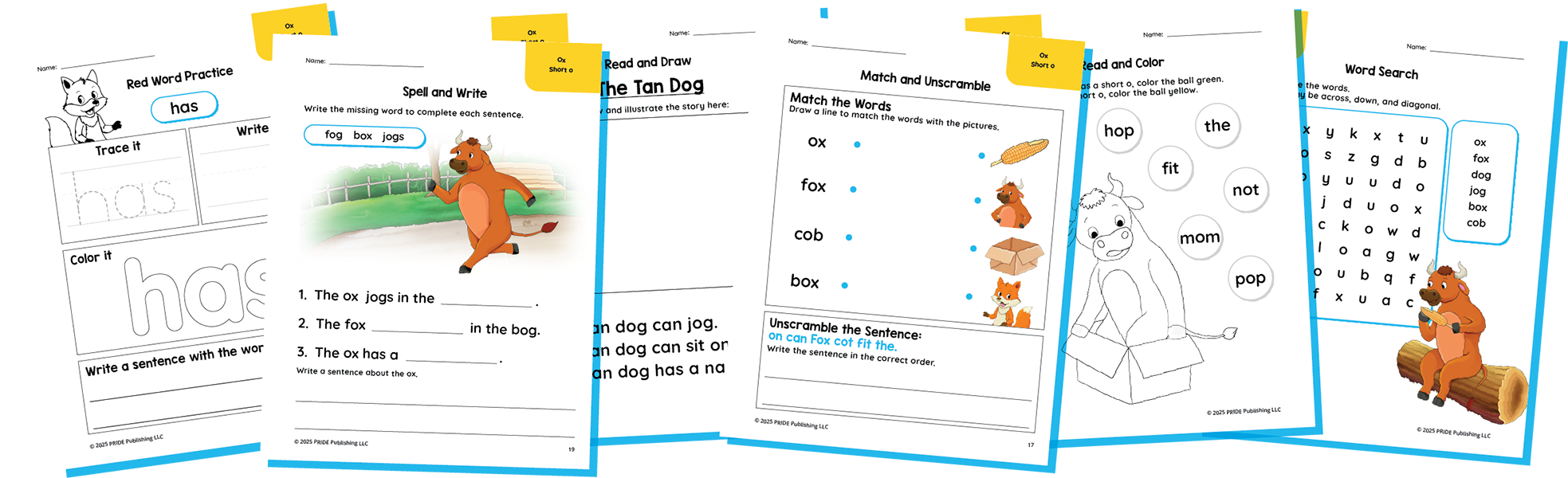
Once you have a plan for teaching closed syllables, gathering a few key materials can make your lessons more effective and engaging. You don’t need a classroom full of supplies to make a big impact. Simple, hands-on tools are often the best way to help concepts stick. Focusing on a combination of reading practice, word building, and written reinforcement gives children multiple ways to interact with and master closed syllables. These materials support a multi-sensory approach, which is fantastic for all learners, especially those who are just starting their reading journey or need a little extra support.
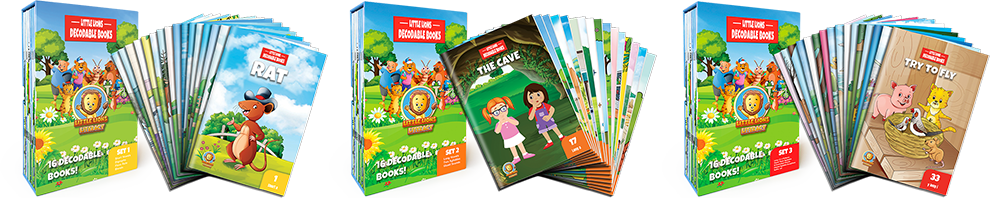
Theory is great, but putting skills into practice is where the magic happens. Decodable books are the perfect tool for this. Unlike predictable books that encourage guessing, decodable texts are carefully written so that children can sound out the words using the phonics skills they’ve already learned. These colorful and captivating books provide a wonderful opportunity to find closed syllables in the context of a real story. As children read, they get to see the CVC pattern again and again, which builds their confidence and reinforces the closed syllable concept in a natural, enjoyable way. It’s the bridge between learning a rule and actually using it to read.
Getting hands-on with letters is a powerful way to make an abstract concept like syllables feel concrete. Using letter tiles or magnetic letters allows children to physically build, break apart, and change words. This tactile experience helps solidify their understanding of how closed syllables are constructed. You can challenge them to create as many closed syllable words as they can (like cat, fin, or hop) using a set of letters. This simple activity isn’t just fun; it reinforces the idea that one vowel closed in by a consonant makes a short vowel sound. It’s an active, engaging way to explore word patterns without any pressure.
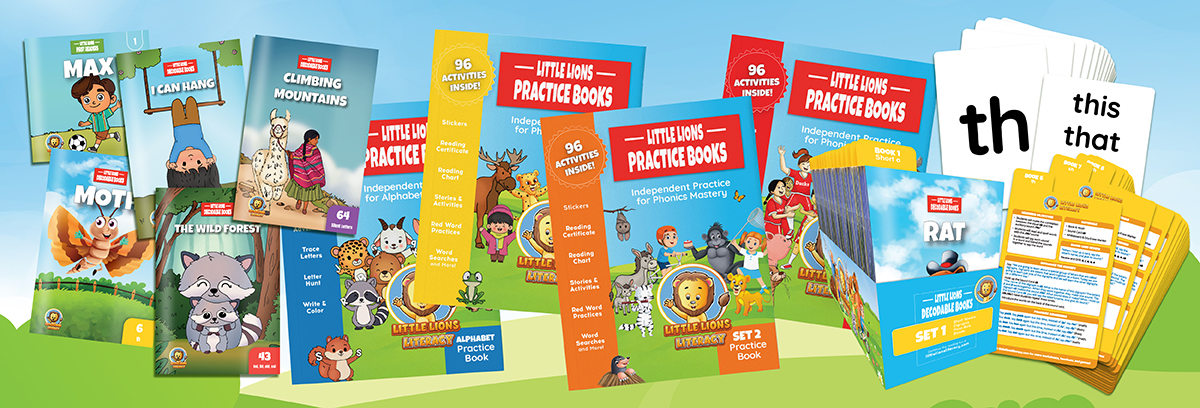
Worksheets and printables are invaluable for providing focused practice and checking for understanding. After reading a story or building words, a worksheet can offer the repetition needed to lock in the closed syllable rule. The best ones go beyond simple drills and offer engaging activities for reading, writing, and spelling. For example, our Phonics Practice Books offer a variety of exercises for every phonics concept, giving young learners essential practice that feels more like a game than a test. These resources are perfect for independent work, small group instruction, or even homework, ensuring children get consistent reinforcement of these foundational skills.
Once you’ve introduced closed syllables, you’ll want to make sure the concept is really sticking. Checking for understanding isn’t about giving a high-stakes test; it’s about seeing where your child is thriving and where they might need a little more support. Think of it as taking a quick snapshot of their progress so you know exactly what to work on next. By regularly checking in, you can catch any confusion early and keep your child moving forward with confidence. These simple methods can be woven right into your existing reading time, making them feel like a natural part of the learning process.
One of the best ways to gauge understanding is to simply watch and listen during your regular reading practice. As your child reads from a decodable book, pay attention to how they handle closed-syllable words. Are they identifying the short vowel sound correctly? Do they read the words smoothly? You can make this more interactive by adding syllable practice to your daily phonics time. Ask your child to find closed syllables on a page or practice “coding” them by marking the short vowel and underlining the syllable. This gives you a real-time window into their thinking and shows you if they can apply the rule in context.
You don’t need formal tests to see what your child knows. Quick, informal assessments can be incredibly effective and low-stress. For example, you can use flashcards with single-syllable words for a quick check-in. Hold up a card and ask your child to find the vowel, see if a consonant “closes it in,” and then say the vowel sound before reading the whole word. This works well for one-on-one practice or in small groups. These informal assessments help you pinpoint specific areas of difficulty without the pressure of a formal quiz, keeping the learning experience positive and encouraging.
Learning to read is a marathon, not a sprint. Keeping simple notes on your child’s progress can help you see how far they’ve come and what patterns might still be tricky. You could keep a running list of the closed-syllable words they’ve mastered or jot down notes in a journal after a reading session. As your child gets better at decoding these words, you’ll notice their reading becomes more fluent. Mastering syllable division patterns gives young readers the tools they need to tackle longer words, freeing up their mental energy to focus on what the story actually means. This long-term view helps you celebrate small wins and adjust your approach as they grow.
Even when you have a great plan, teaching closed syllables can come with a few hurdles. Kids might get confused, lose focus, or struggle to build a consistent routine. The good news is that these challenges are completely normal, and with a few simple strategies, you can easily work through them. Let’s look at some of the most common issues and how to solve them, so you can keep your child’s reading journey moving forward smoothly.
While the concept of a closed syllable seems straightforward, children often need specific kinds of practice to really get it. It’s crucial to provide them with appropriate resources that cater to their learning needs and build on what they already know. Scouring the internet for random worksheets can lead to gaps in their understanding. Instead, look for materials that follow a clear, structured sequence. Using a set of decodable books gives your child the chance to practice closed syllables in the context of real stories, which makes learning feel more meaningful and connected.
Let’s be honest: repetition can sometimes feel boring for kids. To truly master closed syllables, children need to practice them regularly, and that’s where engagement becomes so important. You can maintain their interest and motivation by turning practice into playtime. Instead of just drilling flashcards, try some engaging activities and games that get them moving and thinking. Word-building with magnetic letters, sorting words into categories, or playing a simple board game where they have to read a closed-syllable word on their turn can make all the difference. The goal is to make practice feel less like work and more like fun.
Life gets busy, and it can be tough to carve out time for phonics practice every single day. But consistency is what truly helps these concepts stick. The key is to aim for short, frequent sessions rather than long, overwhelming ones. Just five to ten minutes of focused practice each day is more effective than a single hour-long session once a week. Try linking it to an existing part of your routine, like right after school or before bedtime stories. When you make it a predictable part of the day, it becomes a simple and effective habit that builds a strong foundation for reading success.
Consistency is the secret ingredient to helping kids master closed syllables. But building a routine doesn’t have to be complicated or overwhelming. The goal is to create a predictable rhythm for practice that feels like a natural part of your day, not another task on the to-do list. A simple and effective routine helps children know what to expect, which can reduce resistance and make learning feel more secure.
Think of it as layering small, manageable activities into the time you already spend on reading. By focusing on short bursts of targeted practice, you can make significant progress without causing burnout for you or your young reader. The key is to keep it light, positive, and consistent. A few minutes of focused work each day adds up to a strong foundation in phonics, helping your child build the confidence they need to become a fluent reader. Below are a few practical ways to structure your practice time for the best results.
You don’t need to reinvent the wheel to teach closed syllables. The easiest way to build a habit is to weave practice into your existing phonics or reading time. Once a child understands the basic concept, you can add a few minutes of syllable work to your daily lessons. For example, you can have them practice spelling short syllables aloud or try “coding” them by marking the short vowel and the consonant that closes it in.
This approach keeps the learning contextual and manageable. Instead of setting aside a whole new block of time, you’re simply adding a new layer to a familiar routine. This makes it easier for kids to connect the new concept to what they already know about letters and sounds. A consistent daily phonics routine provides the structure children need to internalize these important rules.
Repetition is essential for mastery, but it doesn’t have to be boring. Turning practice into a game is one of the best ways to keep kids motivated and help the information stick. When children are having fun, they’re more likely to stay focused and retain what they’re learning. You can use simple, hands-on activities to reinforce the closed syllable rule without it feeling like a drill.
There are tons of games and fun activities you can try, from Roll and Read games with dice to syllable-based board games. Even something as simple as writing words in sand or with shaving cream can make practice more memorable. The goal is to offer a variety of ways to interact with the concept, which keeps things fresh and exciting.
Every child learns at their own pace and in their own way. A routine that works wonders for one student might not click with another. It’s important to stay flexible and adapt your approach based on what your child needs. For some, that might mean more hands-on activities, while others might benefit from visual aids or simple worksheets. For children who find reading challenging, providing extra support and plenty of opportunities for successful practice is key.
Don’t be afraid to modify activities to better suit your child’s needs. If they’re struggling, break the concept down into even smaller steps. Celebrate small wins to build their confidence. Remember, the goal is to support struggling readers with patience and positive reinforcement, ensuring they feel capable and encouraged as they learn.
Why is it so important to teach syllable types instead of just having my child memorize words? Teaching syllable types gives your child a reliable system for decoding words they’ve never seen before. While memorizing a few words can offer a quick win, it isn’t a sustainable strategy for becoming a strong reader. When a child understands the closed syllable rule, they have a tool that helps them accurately read thousands of words, which builds true confidence and independence.
Is a “closed syllable” just another name for a CVC word? That’s a great question, as they are closely related! A CVC (consonant-vowel-consonant) word like mat or pig is the most basic and common type of closed syllable. However, the closed syllable category also includes words with consonant blends, like stop, and digraphs, like ship. Think of CVC words as the perfect starting point for introducing the closed syllable rule before moving on to more complex patterns.
My child is still guessing at words. How will learning this rule help? Guessing is often a sign that a child feels uncertain and lacks a clear strategy for sounding out words. The closed syllable rule replaces that uncertainty with a predictable pattern. When a child learns to spot a vowel “closed in” by a consonant, they know it will make its short sound. This gives them a logical first step for tackling a word, reducing the need to guess and building their trust in the reading process.
How do I know when my child is ready to learn about closed syllables? Your child is likely ready to learn about closed syllables once they have a solid grasp of their letter sounds and can blend those sounds to read simple words. For example, if they can hear the individual sounds in “h-e-n” and blend them together to say “hen,” they have the foundational skills needed to understand how this first syllable pattern works.
What’s the next step after my child has mastered closed syllables? Once your child is confidently reading closed syllables, the next logical step is to introduce open syllables. An open syllable ends in a vowel, which allows the vowel to make its long sound, like in the words go or hi. Teaching these two syllable types back-to-back is a powerful way to show children how a word’s structure directly impacts its sound.