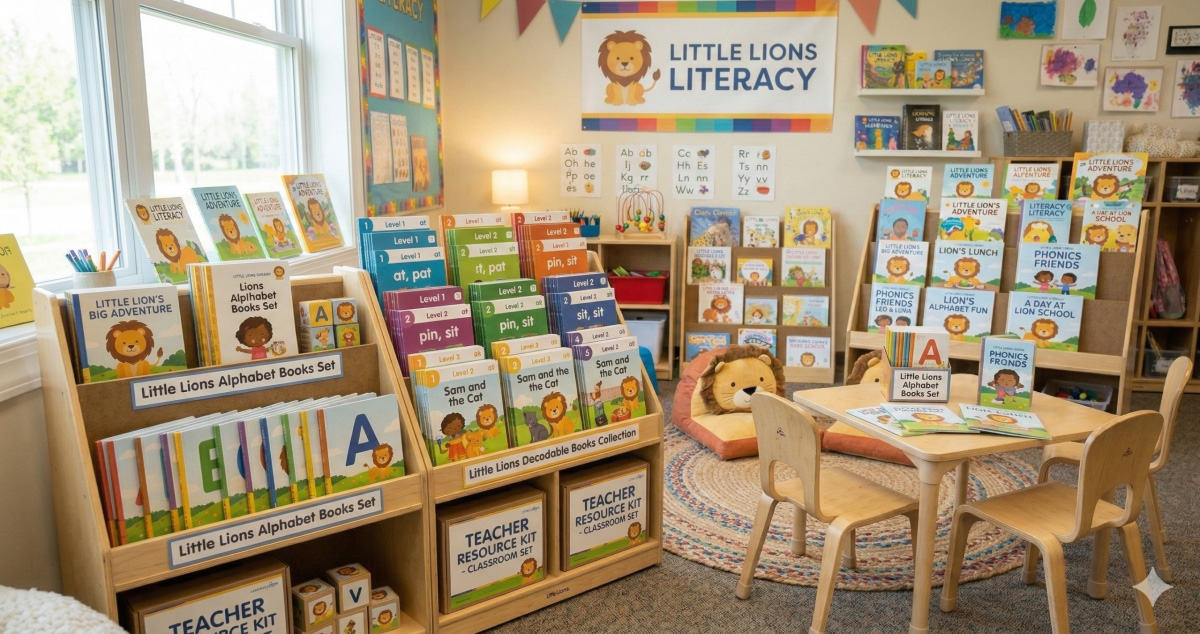
You’ve spent years collecting the perfect books for your students, creating a rich and diverse collection you’re proud of. But if that collection is a chaotic pile, it can feel more overwhelming than wonderful for your little learners. How do you make sure your library is a resource that gets used every single day? The answer lies in a simple, powerful tool: the right classroom library organization labels. These aren’t just stickers; they are the key to a self-sustaining system that fosters student independence. When every book has a clear home, students spend less time searching and more time reading, and you spend less time tidying up.
A classroom library is one of the most magical corners of a school. It’s a place for discovery, quiet, and adventure. But if that magical corner is a chaotic pile of books, it can feel more overwhelming than wonderful. That’s where classroom library labels come in. They’re simple tools that transform your book collection from a source of stress into a powerful, independent learning station. By creating a clear and predictable system, labels invite students in and make it easy for them to find exactly what they’re looking for.
At their core, classroom library labels are visual cues that help you sort and categorize your books. Think of them as the signposts for your library. Their main job is to help students find books on their own and—just as importantly—put them back in the right spot. This simple function is key to maintaining an organized, usable library all year long. When every book has a home, your students spend less time searching and more time reading. A well-labeled library is an accessible library, which is the first step in building a strong reading community in your classroom.
Labels do more than just keep your shelves tidy; they empower your students. When a child can confidently walk over to the library, find the bin for “Animal Books,” and choose a story, they are practicing independence. A clear labeling system means they don’t have to ask for your help every time they want a new book. This builds their confidence and gives them a sense of ownership over the classroom. Using clear, easy-to-read labels helps create an organized space where students can take charge of their reading choices and learn to care for shared resources, all on their own.
An organized library is an inviting library. When books are sorted in a way that makes sense to kids, they’re more likely to explore new topics and authors. Visually appealing classroom library labels with pictures or icons can draw in even the most reluctant readers, making the act of choosing a book feel like a fun treasure hunt. By removing the frustration of a messy book corner, you clear the path for discovery. This simple organizational tool plays a huge role in fostering a genuine love of reading by making your library a welcoming and exciting place to be.
Once you have your books, the big question is: how should you organize them? There’s no single right answer, and the best system is the one that works for you and your students. The goal is to create a library that feels welcoming, accessible, and exciting—a place where kids want to spend their time. A well-organized library empowers students to make their own choices, which is a huge factor in building their identity as a reader. When a child can confidently walk up to a shelf, find a book that interests them, and know they can read it, you’ve created a moment of pure reading magic.
Before you start sticking labels on bins, take a moment to think about your students and your teaching goals. Are you focused on building foundational phonics skills with decodable readers? Or are you trying to expose students to a wide variety of literary genres? Is your main goal to get reluctant readers hooked on a series? Your answers will guide you toward the right system. Many teachers even use a hybrid approach, combining a few different methods. For example, you might organize by genre but have a special, leveled basket for your earliest readers. The key is to be intentional. The following methods are some of the most popular and effective ways to set up a classroom library that students will love to use.
Grouping books by genre is a classic for a reason. It helps students start to understand the different types of stories out there—like fantasy, realistic fiction, non-fiction, and mystery. When a student discovers they love animal stories, they can go right to that bin to find their next favorite read. You can make this system super visual by using color-coded labels or adding a simple picture to each genre label. This approach empowers students to explore their interests and learn the conventions of different kinds of texts, which is a huge step in their reading journey.
For classrooms focused on building foundational skills, organizing by reading level can be a game-changer. Using a system like Guided Reading Levels (A–Z) or another leveled framework helps students find “just right” books they can read with confidence and success. This is incredibly important for emergent readers who need practice with decodable text and specific phonics patterns. When students can independently select a book they know they can read, it builds their self-esteem and encourages them to keep practicing. Many teachers combine this with another system, like having leveled bins within a larger genre section, to offer both structure and choice.
Do your students get hooked on a specific author or series? If you have a class full of Mo Willems or Pete the Cat fans, organizing by author and series might be perfect. This method creates a familiar browsing experience, much like a bookstore, where kids can easily find the next book from an author they already love. It’s a fantastic way to encourage binge-reading and build reading stamina. When students finish one Elephant & Piggie book, they’ll know exactly where to go to find another. This system celebrates the creators behind the stories and helps children develop favorite authors, a key milestone for any lifelong reader.
Sorting your library by topic or theme is a wonderfully flexible approach that can tie directly into your curriculum. You can create bins for animals, space, friendship, seasons, or any other topic you’re studying. This makes it easy for students to find books that support what they’re learning in science or social studies. Using labels with clear pictures and colors is especially helpful for pre-readers and English language learners, as they can find the “dinosaurs” bin even if they can’t read the word yet. This method makes the library a dynamic, relevant part of your classroom’s thematic units and daily learning.
Once you’ve decided on an organization system, it’s time for the fun part: picking out your labels. But with so many options available, how do you choose the right ones? The best labels aren’t just pretty—they’re functional, durable, and designed with your students in mind. A great label system can be the difference between a library that looks organized and one that actually stays organized, even after dozens of little hands have searched for their favorite stories.
Think about how your students will interact with the labels. Are they easy for small hands to see and understand? Will they hold up to daily use? A visually appealing but confusing system won’t do much to foster independence. The goal is to create a space that empowers students to find books they love and, just as importantly, put them back where they belong. This simple act of returning a book to its correct spot reinforces organizational skills and respect for shared materials. Considering a few key features before you commit will save you time and help you create a classroom library that is both beautiful and easy for your little readers to use. Let’s walk through the four most important things to look for when selecting your labels.
Your classroom and your book collection are unique, so your labels should be, too. Look for editable labels that allow you to type your own categories, authors, or reading levels. This flexibility is a lifesaver, letting you create specific bins for favorite authors or unique topics that are popular with your students. Many label sets also come with matching stickers for individual book spines. This small detail is a game-changer for helping kids learn exactly where each book belongs, making cleanup time much smoother and reinforcing the organizational system every time they grab a book.
For young learners, clear visual cues are everything. Choose labels with large, easy-to-read fonts and simple, recognizable icons or pictures. Bright colors can help students quickly identify different sections of the library from across the room. For example, you could make all animal-themed books blue and all fantasy books purple. This color-coding and use of imagery makes the library accessible even for pre-readers. The goal is to create a system that students can understand and use on their own, and strong visual design is the key to fostering that independence.
A classroom library sees a lot of love, which means your labels need to be tough. There’s nothing more frustrating than spending a weekend labeling bins only to have them peel or smudge by Monday. I highly recommend printing on sturdy cardstock and laminating your labels for maximum durability. If you’re using a laser printer, a simple trick is to cover the labels with a piece of clear packing tape to prevent the ink from rubbing off over time. Investing a little extra effort upfront to protect your labels will ensure your beautifully organized library stays that way all year long.
This might seem obvious, but it’s a step that’s easy to overlook in the excitement of organizing. Before you print or purchase any labels, measure your book bins! Labels come in all shapes and sizes, and you want to find ones that fit your containers perfectly. Many printable labels are designed to fit inside the square adhesive label pockets you can find at teacher supply stores or even Target. A label that fits well looks neat and is less likely to get bent or peeled off by curious little hands, keeping your library looking tidy and functional.
Setting up a classroom library is a labor of love, but it doesn’t have to break the bank. Thankfully, the internet is filled with incredible, high-quality resources created by and for teachers. You can find beautiful, effective, and completely free printable labels that will get your library organized and looking fantastic without spending a dime. The key is knowing where to look.
From teacher-run marketplaces to educational blogs, there are countless options to fit your classroom’s theme and your students’ needs. Many of these freebies are just as good as paid versions, offering great design and practical features. They often come in editable formats, so you can customize them for your specific book collection. We’ve rounded up some of our favorite places to find free printable labels to help you get started on your library organization project. These resources will help you create a system that’s easy for you to manage and simple for your students to use.
We love connecting our community with amazing resources from talented educators. That’s why we’re so excited to share a special freebie from teacher-blogger Molly Maloy. When you sign up for her email list, you can get her fantastic Graphic Novel Book Spine Labels for free. These are perfect for that growing collection of comics and graphic novels that your students can’t get enough of. Using clear, visually appealing spine labels helps kids easily find their favorites and keeps your shelves looking neat and tidy. It’s a wonderful way to sample the quality of professionally designed labels and tackle one of the most popular sections of your library first.

If you’re an educator, you’re probably already familiar with Teachers Pay Teachers. This online marketplace is a goldmine for classroom resources, and library labels are no exception. While there are many paid options, countless generous teachers offer amazing label sets for free. You can find everything from simple genre labels to themed sets that match your classroom decor. A great feature of many TPT products is that they are often designed to fit popular and affordable storage items, like the square adhesive pockets from Target’s Dollar Spot. Just type “free classroom library labels” into the search bar to discover hundreds of options ready to download and print.
Teacher blogs are another fantastic source for free, high-quality printables. Educators who are in the classroom every day know what works, and they often share their best ideas and resources on their blogs. Many offer complete sets of library labels as free downloads to their readers. For example, some bloggers share systems for organizing books with the spine facing out, which helps students see all the available titles at a glance. Using labels with bright colors and simple icons on the spines makes it easy for even the youngest pre-readers to understand the system and find the books they’re looking for.
The best free label sets often come with thoughtful features that make a teacher’s life easier. One of the most helpful things to look for is a template that includes matching stickers for individual books. You can place a small, corresponding sticker on the cover or inside of each book. This simple visual cue helps students know exactly which bin the book belongs to, empowering them to clean up independently and correctly. Many free downloads also include editable files (like a PowerPoint or Google Slides document), allowing you to create your own custom labels that perfectly match the rest of the set for any unique categories your library needs.
If you’d rather buy pre-made labels than print your own, there are some fantastic options out there designed specifically for busy teachers. Investing in quality labels can save you time and ensure your library system holds up to daily use by little hands. A well-organized library isn’t just about tidiness; it’s about making books accessible and inviting for your students. Here are a few of our go-to brands for durable, well-designed classroom library labels that will help you create a system that lasts.
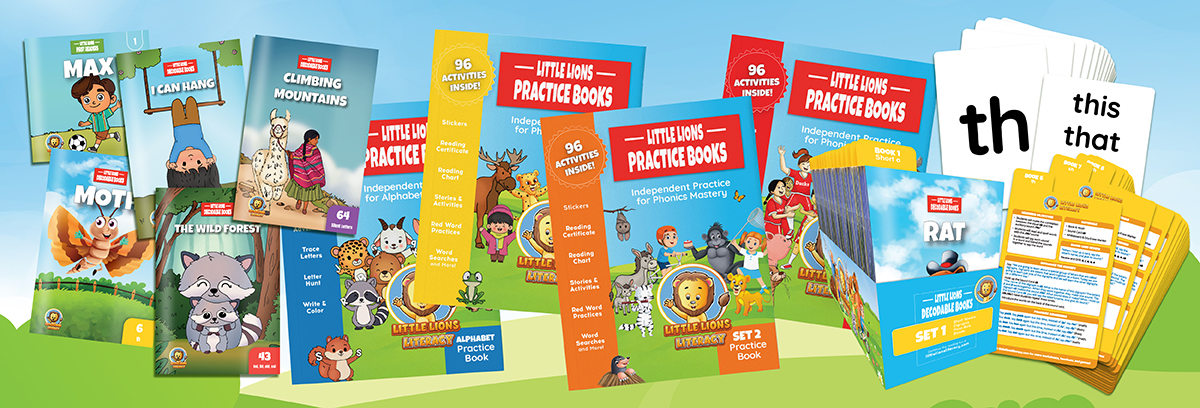
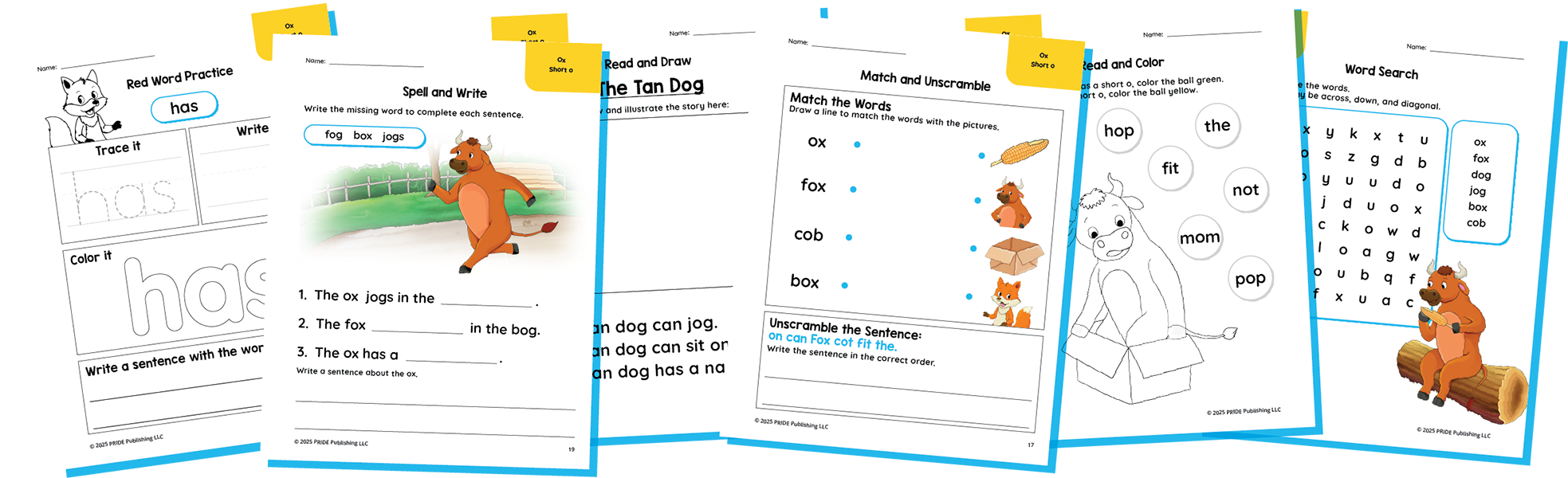
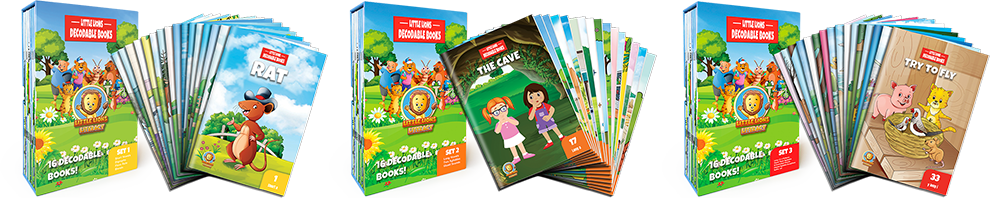
While we specialize in creating decodable books, we design them with organization in mind. Our decodable book sets are carefully structured to follow a specific scope and sequence, making them incredibly easy to group and shelve. Each set builds on the last, creating a natural progression that’s simple for you to manage and for students to follow as their skills grow. By pairing our structured book sets with your favorite labeling system, you can create a clear, intuitive path for your developing readers to find the perfect-fit book every time, building their confidence along the way.
As the name suggests, this brand is a trusted source for high-quality classroom supplies. Really Good Stuff is known for its innovative and teacher-focused products, and their labels are no exception. They offer a wide variety of durable, customizable labels that are perfect for book bins, shelves, and individual books. Many of their products are designed based on direct feedback from real teachers, so you can be sure you’re getting a solution that truly works in a busy classroom environment and can stand up to a full year of use.
If you’re a fan of color-coding, ChromaLabel is the brand for you. They specialize in color-coded sticker labels that make it incredibly easy to organize your library visually. Using distinct colors for different genres, topics, or reading levels helps young children find and return books independently, which is a huge classroom management win. ChromaLabel’s products are perfect for creating an intuitive system that your students can learn quickly, reducing clean-up time and empowering them to take ownership of their classroom library.
For sheer variety and budget-friendly options, you can’t beat Amazon. A quick search for classroom library labels will give you thousands of results, from simple reading-level stickers to comprehensive genre sets with cute illustrations. You can find labels to fit any bin size, theme, or organizational system you can dream up. The best part is the user feedback; reading through reviews from other teachers is a great way to find high-quality, durable options that will be a perfect match for your classroom needs and budget.
Picking the right labeling system for your classroom library isn’t about finding a perfect, one-size-fits-all solution. It’s about creating a system that works for you, your teaching style, and most importantly, your students. A well-organized library invites children to explore books independently and take ownership of their reading journey. When kids can easily find books that interest them and know exactly where to put them back, it reduces classroom chaos and gives you more time to focus on teaching.
Before you start printing and sticking, take a moment to think through your goals. Do you want to encourage students to try new genres? Help them find books at their specific reading level? Or maybe you want a simple, visual system that your youngest learners can use with confidence. By considering your collection, your students’ needs, your teaching objectives, and your own resources, you can build a library that is both beautiful and functional. Let’s walk through the key things to consider to get it just right.
First, take a good look at the books you already have. What’s the makeup of your library? Is it filled with picture books, non-fiction texts, or sets of decodable readers? Your inventory will guide your organization. For a library with a wide variety of authors, you might organize books alphabetically by the author’s last name, using color-coded letter labels. If your collection is built around specific phonics skills, like the sets from Little Lions Literacy, it makes more sense to label bins by the skill or set number. The goal is to create categories that accurately reflect what’s on your shelves and make the most sense for the resources you use daily.
The best labeling system is one your students can actually use. For preschoolers and kindergarteners who are still learning their letters, labels with clear pictures are essential. A picture of an apple on the “A” bin or an illustration of a dog on the “Animals” bin provides a visual cue that non-readers can understand. As students get older and more confident in their reading, you can introduce text-based labels for genres, topics, or authors. Think about what will empower your specific group of learners to find books on their own. The system should grow with them, supporting them right where they are in their reading journey.
Your classroom library is a powerful teaching tool, so your organization should support your curriculum. If your goal is to foster student independence, you need a system that is simple and intuitive. Using colors and icons on labels makes it easier for students to find what they’re looking for and, just as importantly, put books back in the right spot. This promotes responsibility and cuts down on clean-up time. If you want to expose students to a variety of subjects, consider creating bins for categories like science, social studies, and art. Aligning your library’s structure with your teaching objectives turns it from a simple collection of books into an integrated part of your classroom learning environment.
Let’s be realistic—teachers are busy and often working with limited budgets. The good news is that organizing your library doesn’t have to be expensive or time-consuming. There are tons of high-quality, free classroom library labels available online from educators who have already done the design work for you. Before you spend any money, do a quick search for printables that fit your theme. Also, consider the time commitment. A highly detailed, multi-layered system might seem ideal, but if it takes hours to set up and maintain, it might not be sustainable. Sometimes, starting with a simple system is the most effective approach.
Once you’ve chosen a labeling system, the real fun begins. Customizing your labels is about more than just aesthetics; it’s about creating a system that truly connects with your students and supports your teaching goals. A personalized library feels like it belongs to the classroom community, making it a space where children feel comfortable, confident, and excited to explore. By tailoring your labels to your students’ interests, involving them in the process, and linking the library to your curriculum, you transform a simple organizational tool into a dynamic part of your classroom culture. Thoughtful customization makes the library more intuitive and accessible for every single learner, helping to build a strong foundation for a lifelong love of reading.
A visually appealing library is an inviting one. Think about what gets your students excited. Do they love animals, space, or superheroes? You can find classroom library labels in countless themes that can match your classroom decor or tap into your students’ current interests. Seasonal and holiday themes can also be a fun way to keep the library feeling fresh and relevant throughout the school year. Using bright colors, fun fonts, and engaging graphics will draw children’s eyes to the bookshelves and encourage them to see what’s inside. When the library looks like a fun place to be, students are much more likely to spend time there.
One of the best ways to ensure your library stays organized is to give your students a sense of ownership. Involving them in the labeling process is a perfect way to do this. You can have them help sort the books, color in black-and-white labels, or even help decide where certain categories of books should live. When students are part of the setup, they understand the system better and are more motivated to maintain it. Using colors and icons on labels also makes the system easier for young children to use independently. This hands-on approach to classroom library organization helps them become familiar with how everything works from day one.
Your classroom library shouldn’t be a static collection of books; it should be a living resource that supports what you’re teaching. Customize your labels to align with your curriculum. If you’re starting a unit on plants, create a special bin with a “Plants and Seeds” label. Studying different cultures? Make a “Books About the World” section. This strategy reinforces classroom learning and shows students that books are a key tool for exploring new topics. By connecting your library directly to your lessons in science, social studies, and math, you create a cohesive learning environment where students can easily find books that deepen their understanding of what they’re learning in class.
A great library is one that every child can use. To support all your students, especially pre-readers or English language learners, it’s essential to adapt your labels for their needs. Always try to include clear pictures or icons next to the words on your labels. For a bin of books about farm animals, a picture of a cow or a barn can provide a crucial visual cue for a child who can’t yet read the word “farm.” This simple adaptation promotes independence and ensures that every student can successfully find a book they’re interested in and, just as importantly, return it to the right spot. This builds confidence and makes the library an inclusive and accessible space for all.
Okay, you’ve chosen your labels and have a plan. Now comes the fun part: putting it all together! Setting up your system is a project, but breaking it down into a few simple steps makes it completely manageable. A little bit of work now will save you countless hours of tidying up later and, more importantly, will create a library your students can use and love all year long. Let’s walk through how to get it done.

Before a single label gets peeled off its backing, you need to sort your books. This is the foundation of your entire system. Spread your books out and begin grouping them according to the organization method you chose—whether that’s by genre, reading level, topic, or author. For example, if you’re organizing by author, you might create piles for each letter of the alphabet. This initial sort will help you see what you have and confirm your categories make sense for your collection. Don’t be afraid to create a “miscellaneous” pile for now; you can always find a home for those books later. The goal is to create logical groups that will be intuitive for your students to understand.
Once your books are sorted, it’s time to label. The key here is consistency. Decide where the label will go on every single book—like the top left corner of the cover or the bottom of the spine—and stick to it. This predictability is what helps students learn the system quickly. The same goes for your book bins. Place the bin label in the same spot on each one. This creates a clean, uniform look and makes it easy for students to scan the shelves. Using durable, high-quality labels will ensure they stand up to a year of use by little hands. You can find a huge variety of classroom library labels online to match any system you create.
For young readers, visual cues are everything. Words on a label are helpful, but pairing them with a color or a picture makes your system so much more accessible. For instance, you could make all fantasy books have a blue label with a dragon icon, while all animal books have a green label with a paw print. This color-and-icon coding allows pre-readers and emerging readers to find and return books independently, even if they can’t read the category name yet. This approach, as highlighted in many classroom library organization guides, transforms your library from just a collection of books into a user-friendly resource that empowers every child to find a story they’ll love.
Your beautiful, organized library is ready—but your job isn’t quite done. The final and most important step is teaching your students how to use it. Don’t just explain the system; model it. Show them how to find a book from a specific bin, where to take it to read, and exactly how to put it back in the right spot when they’re finished. Make it a game or a guided practice activity. You can even assign “librarian” as a classroom job to give students ownership. When students understand the system, they feel more independent and responsible. It also means you’ll spend less time tidying and more time watching them develop a genuine love for reading.
Let’s be real: most of us are working with a classroom budget that’s stretched pretty thin. The good news is that creating an organized, inviting, and effective classroom library doesn’t have to be expensive. With a little bit of resourcefulness, you can find high-quality labels that fit your classroom’s needs without breaking the bank.
From tapping into the generosity of the teaching community to getting a little creative on your own, there are plenty of ways to get the job done. You can find amazing free resources online, save money by purchasing items in bundles, or design your own custom labels for a personal touch. It’s all about knowing where to look and when to shop. Thinking strategically about your labeling project can save you both time and money, freeing up your resources for what matters most: more books for your students.
You would be surprised how many fantastic classroom library labels are available for free. Many talented educators create and share their resources to help fellow teachers. Websites like Teachers Pay Teachers are a goldmine for these materials; you can find thousands of high-quality, professionally designed classroom library labels at no cost. Just use the search filter to show only free products. Educational blogs are another excellent source for free printables, often shared by teachers who are passionate about literacy and classroom organization. A quick search can lead you to some amazing finds that are ready to print and use immediately.
If you’re looking to create a cohesive theme throughout your library, consider purchasing labels in a bundle. Sellers often group related products together—like genre labels, author bin labels, and matching posters—at a discounted price. This is usually much more cost-effective than buying each item individually. Not only does this approach save you money, but it also gives your library a polished and coordinated look without the extra effort of matching different designs. Look for “classroom library kits” or “organization bundles” to get the best value for your money and simplify your setup process.
Feeling crafty? Making your own labels is a wonderful way to customize your library and get your students involved. You can use simple design tools or even just colored cardstock and markers. For younger students, especially pre-readers, using colors and simple icons is a game-changer. A red sticker could mean one genre, while a blue one means another, helping kids find and return books independently. This visual approach is perfect for building confidence. You can find great ideas for using book spine labels to create a system that’s both beautiful and functional.
Timing is everything. Keep an eye out for seasonal sales, especially during the back-to-school season, Black Friday, and at the end of the school year. Many online marketplaces and stores offer significant discounts on classroom supplies during these periods. Don’t forget to take advantage of teacher discounts, which are offered at many craft and office supply stores year-round. A little planning can go a long way in stretching your budget. Subscribing to newsletters from your favorite resource websites can also keep you in the loop about upcoming promotions and sales events.
Setting up your classroom library is a big accomplishment, but keeping it organized is the real goal. A few common missteps can quickly undo all your hard work, turning a beautiful reading corner into a jumbled mess. The good news is that these mistakes are easy to sidestep with a little planning. By thinking through your system ahead of time, you can create a library that’s not only easy for you to manage but also simple for your students to use independently. Let’s look at a few pitfalls to watch out for so your library stays tidy and inviting all year long.
It’s tempting to create a detailed system with multiple layers of colors, numbers, and codes, but what makes sense to you might be confusing for a child. When a labeling system is too complex, it can make it tough for kids to find a book or, even harder, put it back where it belongs. The best systems are straightforward and intuitive for your specific age group. For early readers, simple categories like “Animals” or “Fairy Tales” with a matching picture are much more effective than a multi-digit code. The goal is student independence, so always ask yourself: could a student explain this system to a classmate?
A label is only useful if students can actually read it. Labels with small, swirly fonts or low-contrast colors can be difficult for young readers to decipher, leading to frustration and misplaced books. When choosing or creating your labels, prioritize clarity. Opt for bold, easy-to-read fonts and clear, simple images that students can recognize at a glance. A good visual design helps students quickly identify where books belong, making cleanup time much smoother and faster for everyone involved. Remember, the visuals are doing a lot of the heavy lifting here, especially for pre-readers.
Once you decide on a labeling system, the key is to apply it to every single book in your library. It’s easy for a few new or donated books to end up on the shelf without a label, but this can quickly create confusion. When students see some books with labels and others without, they may start to think the system is optional. This can lead to books being shoved back in any available spot. To avoid this, create a simple process for any new additions. Keep a sheet of your labels handy so you can label new books as soon as they enter the classroom, ensuring your system stays strong and easy to follow.
A classroom library is a living collection that grows and changes throughout the year. Labels can peel off, bins can break, and new books are always arriving. Without regular upkeep, even the best system can fall apart. It’s also important to remember that your library organization may need to evolve with your students. The simple picture-based system that worked for your kindergarteners might need an update as they become stronger readers. By regularly reviewing your classification systems and labels, you can ensure your library continues to meet your students’ needs effectively.
What’s the best way to label my library for pre-readers? For little ones who are not yet reading, your best friends are pictures and colors. A system that relies heavily on visual cues is the most effective. Think about using labels that feature a clear, simple icon for each category—a paw print for animal books or a star for fantasy stories. You can also assign a specific color to each category. This way, a child can learn that all the books with a green sticker go in the bin with the green label, which empowers them to clean up independently long before they can read the word “non-fiction.”
Is it okay to mix different organization methods? Absolutely! In fact, some of the most effective classroom libraries use a hybrid system. You might organize the bulk of your collection by genre but have a separate, clearly labeled basket for a favorite author or series that your students are currently obsessed with. Another popular combination is to have leveled bins within broader topic sections. This gives students the freedom to explore their interests while still providing the structure they need to find a “just right” book they can read with confidence.
My students aren’t keeping the library organized. What am I doing wrong? Don’t worry, this is a common challenge! It often comes down to two things: the system might be a bit too complex for your students, or they may need more practice using it. Take time to explicitly model how to find a book and, most importantly, how to put it back. Make it a fun, low-stakes activity. You can also assign a “librarian” job to a few students each week to foster a sense of ownership. If the problem persists, observe where the mess is happening and ask your students what they find confusing—their feedback can be incredibly helpful.
How should I handle labeling decodable book sets? Decodable books, like the sets from Little Lions Literacy, are unique because they are designed to be read in a specific sequence. The best way to label them is in a way that honors that progression. You can create bins for each set or level, labeling them clearly with something like “Set 1: Short A” or simply “Level 1.” This helps students know exactly where to go to find a book with the phonics skills they are currently practicing, and it makes it easy for them to see their progress as they move from one bin to the next.
How often do I need to update my library labels and system? Think of your library as a living part of your classroom. It’s a good idea to do a quick check-in once a month to replace any worn-out labels and make sure new books have been properly categorized. As for the overall system, pay attention to how your students are growing as readers. The picture-based system that worked perfectly at the beginning of the year might need to evolve. As students become more proficient, you might introduce more text-based genre or author labels to reflect their new skills and interests.