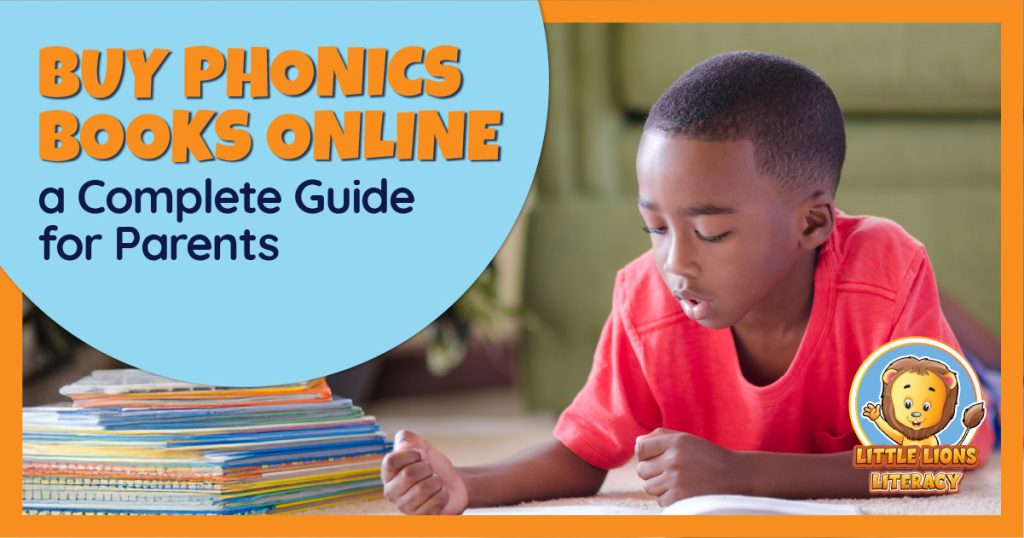
Learning to read is like building a house. You can’t put up the walls and roof without first pouring a solid, reliable foundation. For reading, that foundation is phonics. It’s the framework that supports everything else, giving children the skills to construct words and understand stories for a lifetime. Phonics books are the high-quality materials you need for this crucial project. They are designed to build skills systematically, ensuring there are no gaps. This guide will show you exactly what to look for, so when you’re ready to buy phonics books online, you can choose the best materials to build a structure of reading success for your child.
Watching a child go from recognizing letters to reading their first sentence is pure magic. But it’s not actually magic—it’s a skill built on a solid foundation, and that foundation is phonics. Phonics is the method that teaches children the relationship between letters and the sounds they make, essentially cracking the code of written language. When we talk about phonics, we’re not just talking about singing the ABCs; we’re talking about giving kids a powerful, reliable tool to figure out words on their own, turning them into confident, independent readers.
This is where phonics books come in. They are a complete game-changer because they are designed to support this specific learning journey. Unlike many picture books that encourage guessing from images or memorizing whole words, phonics books introduce new letter-sound patterns in a careful, step-by-step way. Each book builds on the last, so your child is never overwhelmed. This approach builds their skills and confidence at the same time, turning the often-frustrating process of learning to read into a series of achievable wins. By giving them readable, engaging stories they can actually decode themselves, you’re setting them up for a lifetime of reading success.
At its core, phonics is the key that connects the letters we see on a page with the sounds we use in speech. As one school puts it, “Phonics helps children learn to read and write by understanding the sounds that letters and groups of letters make.” The “systematic” part is what makes it so effective. It means that letter-sound relationships are taught in a logical, intentional order, moving from simple to more complex. A child will learn the sound for the letter ‘a’ before they tackle the ‘ai’ sound in “rain.”
This structured approach is a world away from asking kids to memorize hundreds of sight words or guess based on context clues. Instead, it gives them a reliable strategy for sounding out new words. This method ensures there are no gaps in their understanding, creating a strong framework they can depend on as they encounter more challenging texts. It’s a proven, research-backed method for teaching reading.
Phonics empowers young readers by giving them the tools to become independent problem-solvers. Instead of feeling stuck when they see an unfamiliar word, they have a strategy: sound it out. This process of decoding builds incredible confidence. Every time a child successfully sounds out a new word, they get a little jolt of “I can do this!” which motivates them to keep trying. It’s a powerful cycle of success.
This approach does more than just build confidence; it directly improves reading comprehension. When a child can decode words automatically, their brain is free to focus on what the words actually mean. Phonics teaches them to connect sounds with letters, sound out words they don’t know, and even break down longer words into smaller, more manageable chunks. This skill is the bridge between seeing words and understanding stories.
You might be wondering when the right time is to introduce phonics. The good news is that you can start laying the groundwork early. Most kids can begin learning basic letter sounds as early as three or four years old, though more formal, systematic phonics instruction usually starts when they enter kindergarten. This early exposure can be as simple as pointing out the first letter in their name and the sound it makes.
If your child is a bit older, don’t worry. Phonics is an incredibly effective tool for any child between the ages of three and eight who is learning to read or needs extra support. The key isn’t a specific age but rather their stage of reading development. Whether your child is just starting out or is struggling to move past simple books, a phonics-based approach meets them where they are and gives them the specific skills they need to move forward with confidence.
Walking into the world of phonics books can feel a bit like navigating a maze. So many books claim to be the best for teaching reading, but how can you tell which ones actually work? The secret is knowing what to look for. A truly effective phonics book isn’t just a story with simple words; it’s a carefully designed tool built on the science of how children learn to read. When you’re browsing online, you’re not just buying a book—you’re investing in a foundational skill for your child.
The good news is that you don’t need a degree in education to become a savvy shopper. There are a few key features that separate the high-quality phonics books from the rest of the pack. By focusing on how the text is written, how the lessons are structured, and how the book is designed, you can confidently choose materials that will set your child up for success. Think of it as a quality-check system. Once you know the signs of a great phonics book, you’ll be able to spot them anywhere. Let’s go over the four main things to look for to ensure you’re getting a resource that will genuinely help your child’s reading journey.
The most important feature of a quality phonics book is that it’s truly decodable. This means the book only uses words made from the letter-sound patterns your child has already learned. For example, if your child has learned the sounds for s, a, t, p, i, n, the story should only contain words like “sat,” “pin,” “tap,” and “sit.” This is a non-negotiable feature because it forces your child to practice their new phonics skills instead of guessing words from pictures or memory. When a child can successfully sound out every word on the page, it builds immense confidence and reinforces the idea that reading is a code they can crack.
Great phonics programs don’t teach sounds randomly. They follow a specific, logical order, often called a scope and sequence. This means they introduce skills step-by-step, starting with the simplest concepts and gradually building toward more complex ones. When you’re looking at a set of books, check to see if it follows a clear progression. The publisher should be able to tell you which skills are covered in each book or level. This structure ensures there are no gaps in your child’s learning and that each new book provides the right amount of challenge without becoming overwhelming. It’s this systematic approach that makes learning to read feel manageable and successful for a child.
While the text is key, the illustrations and overall design play a huge supporting role. In a decodable book, the pictures should complement the story without giving the words away. If the text says, “The cat sat on the mat,” the picture should show that, but it shouldn’t be so obvious that your child can just look at the picture and guess the sentence. The goal is for them to read the words, not the images. Beyond that, look for a clean, uncluttered layout that’s easy for little eyes to follow. Fun, engaging artwork makes the book more appealing and can help a child feel more confident and excited to pick it up.
Reading a story is just one piece of the puzzle. The best phonics programs understand that children need multiple ways to interact with new skills. Look for book sets that come with opportunities for practice beyond the story itself. This could include things like workbooks, flashcards, or simple games that reinforce the letter sounds and words from the book. These supplementary learning tools are fantastic for solidifying knowledge and making learning feel less like a chore and more like playtime. Having these extra resources on hand gives you more ways to support your child and ensures they truly master each new phonics skill before moving on.
Choosing the right books can feel like a big decision, but it doesn’t have to be complicated. The goal is to find materials that meet your child exactly where they are, building their confidence one step at a time. Think of it like finding the right size shoes—you want a snug fit that gives them room to grow but doesn’t cause them to stumble. When a book is at the right level, your child feels successful and motivated to keep reading. This section will walk you through how to pinpoint your child’s current abilities and choose books that will help them flourish.
Before you buy any books, take a moment to observe what your child already knows. Can they recognize the letters of the alphabet? Do they know the sounds that some letters make? Understanding their starting point is the key to choosing the right books. Children can begin learning phonics as early as 3 or 4 years old, or when they start kindergarten. A good phonics program will meet them at their level, whether they’re just learning that ‘A’ says /a/ or are ready to start blending sounds together to read words like “cat” and “sun.” Don’t worry about formal tests; just pay attention during playtime or when you’re reading together. This simple observation will tell you everything you need to know.
You’ll often see books described as “decodable” or “leveled,” and it’s helpful to know the difference. Decodable books are designed to help children learn to read by using only sounds they have already learned. For example, if your child has learned the sounds for s, a, t, p, i, and n, their book will only contain words made from those letters, like “sat,” “pin,” and “tan.” This systematic approach builds confidence and reinforces their phonics skills. Leveled readers, on the other hand, often use repetitive sentence patterns and rely on pictures to help kids guess words. While they have a place, decodable books are the best tool for teaching a child the fundamental skill of sounding out words.
Is your child ready to start their phonics journey? Look for a few key indicators. A great sign of readiness is when your child can say the alphabet and enjoys playing with words and sounds. This skill is called “phonological awareness,” and it’s the foundation for reading. You might notice them rhyming words, clapping out the syllables in their name, or pointing out letters they see on signs. If they show curiosity about books and the words inside them, that’s your cue. You don’t need to wait for a specific age; readiness is more about these developmental milestones. When you see them, you’ll know it’s a great time to introduce phonics books.
As your child works through a phonics book set, you’ll want to see how they’re doing. Tracking progress isn’t about pressure; it’s about celebrating small wins and knowing when it’s time for the next challenge. When a child moves smoothly from one book to the next, their confidence soars. Seeing their own progress is a powerful motivator. A good phonics series will have a clear progression, moving from simple sound-letter combinations to more complex ones. You’ll know it’s time to move on when your child can read their current book with ease and accuracy. This steady, step-by-step advancement is what builds strong, independent readers.
With so many phonics resources available, finding the right one can feel like a big task. The good news is that you have plenty of fantastic options to choose from, each with a unique approach to teaching reading. Whether your child thrives with hands-on activities, loves digital games, or simply needs beautifully illustrated stories, there’s a program out there that will click. Think of this list as your starting point for exploring some of the most trusted and effective phonics programs and book series. We’ll walk through what makes each one special so you can find the perfect fit for your young reader.
We believe in making the journey to reading a joyful and successful one. Little Lions Decodable Books are thoughtfully created to give children a strong foundation in phonics. Our books aren’t standalone stories but complete sets that progress through a structured phonics sequence. This ensures a comprehensive learning path that supports your child’s reading skills as they grow. Each book builds on the last, introducing new sounds and skills in a logical order. This systematic approach helps children build confidence and master phonics concepts one step at a time, turning them into proud, capable readers.
If you’re looking for decodable books that align with school-based learning, Phonic Books is an excellent choice. They offer a wide range of books designed to support children on their early reading journey. A key strength of their materials is the focus on phonics skills that are in step with the National Curriculum, making them a great supplement to what your child might be learning in the classroom. Their books are created to help children practice specific phonics patterns in engaging, story-based contexts, reinforcing their skills and building fluency along the way.
For decades, Bob Books have been a go-to for parents introducing their children to reading, and for good reason. Their magic lies in their simplicity. Featuring clean, simple text and charming illustrations, these books are designed to give children an immediate sense of accomplishment. The stories are short, the words are carefully chosen, and the focus is squarely on building confidence. As children successfully read one book after another, they begin to see themselves as readers. You can learn more about the philosophy behind Bob Books and why this classic series continues to be a family favorite.
Jolly Phonics takes a fun, multi-sensory approach that gets kids actively involved in the learning process. This systematic phonics program teaches children the five key skills needed for reading and writing through actions, songs, and stories. By engaging sight, sound, and touch, Jolly Phonics caters to different learning styles and helps make abstract phonics concepts more concrete and memorable for young children. It’s a comprehensive system that provides a playful yet structured foundation, making it a popular choice in both homes and classrooms. You can explore what Jolly Phonics is and see if its energetic style is right for your child.
If your child loves screen time, Reading Eggs is an online program that channels that enthusiasm into learning. It makes reading fun by combining systematic phonics instruction with interactive games, catchy songs, and rewarding activities. Children journey through different levels and maps, collecting golden eggs and “hatching” critters as they complete lessons. This gamified approach keeps them motivated and engaged while they master essential phonics and reading skills. Reading Eggs is designed to feel like play, so kids are often learning without even realizing it. You can read more about Reading Eggs and its game-based learning model.
For a truly comprehensive program that weaves reading and spelling together from the start, All About Learning Press is a standout. Their approach is built on the idea that these two skills are two sides of the same coin. The program is designed to be multisensory and is known for being adaptable to different learning styles and paces, making it a fantastic option for children who may need a more customized approach. With its clear, scripted lessons and hands-on activities, it provides parents and educators with all the tools they need to teach phonics effectively. You can learn more about their integrated method on their website.
As one of the most recognizable names in early reading, Hooked on Phonics has a long history of helping children learn to read. The program uses a structured, step-by-step approach that combines phonics lessons with engaging stories, music, and activities. Each lesson builds on the last, guiding children from learning letters and sounds to reading full words and sentences. The combination of practice, reinforcement, and fun storybooks helps solidify concepts and build a strong reading foundation. You can see how it works and why this trusted program has helped millions of children on their reading journey.
Dandelion Readers are specifically designed to support children who are learning to read with a systematic phonics program. What makes these books so effective is their carefully controlled vocabulary. Each book introduces a small set of new letters and sounds, allowing children to practice and gain confidence before moving on. The text is truly decodable, meaning kids can sound out the words using the phonics skills they have already learned. This targeted approach is especially helpful for building fluency and ensuring a successful reading experience. You can find out more about Dandelion Readers and their structured methodology.
Once you know what to look for, the next step is figuring out where to find it. The internet is a huge place, but high-quality phonics books tend to be concentrated in a few key areas. Whether you prefer to buy directly from the people who create the books or love the convenience of a one-stop shop, here are the best places to start your search for books that will truly help your child learn to read.
Going straight to the source is one of the best ways to ensure you’re getting authentic, high-quality phonics materials. Publishers like us at Little Lions Literacy design our books as part of a complete, intentional system. When you buy direct, you get access to the full range of books in the correct learning order. Other specialized publishers also focus on this approach. For example, Phonic Books US sells “decodable books” that are “designed to help children learn to read by using only sounds they have already learned.” This direct-from-the-creator path ensures you’re getting books that are thoughtfully designed to build skills sequentially, one step at a time.
You can certainly find phonics books on large retail sites like Amazon or Barnes & Noble, but it requires a bit more careful searching. These sites are home to well-known brands; for example, Hooked on Phonics sells programs to help children learn to read alongside other educational products. The key is to be specific in your search. Use terms like “decodable books” and “systematic phonics,” and look for complete sets rather than individual, out-of-context stories. While the selection is massive, you’ll need to sift through a lot of general “learn to read” books that aren’t truly phonics-based to find the gems that will work best.
Online stores that cater to teachers and homeschool families are goldmines for excellent reading resources. These retailers specialize in curating materials that are effective and classroom-tested. They often carry brands that prioritize a structured approach to literacy. For instance, you can find publishers like Phonic Books, which focuses on making reading easier with decodable texts where children can sound out every word. These shops do the vetting for you, so you can feel more confident that you’re purchasing a product grounded in the science of reading. They are a fantastic resource for finding durable, high-impact learning tools for your home.
For families who love getting mail, a book subscription service can be a fun way to build your home library. Some services are specifically designed to support early readers. For example, Hooked on Phonics has a strong reputation and offers subscriptions to their learning apps for phonics and math, which can be a great supplement to physical books. When choosing a subscription, make sure it delivers books that follow a clear progression. The goal is to receive books that build on each other, not just a random collection of stories, to ensure your child is systematically developing their skills month after month.
In addition to physical books, many digital platforms and apps offer phonics-based e-books and reading games. These can be a wonderful way to supplement your child’s learning, especially for kids who enjoy screen time. The most important factor is that the platform provides structured, systematic instruction. As literacy experts point out, phonics instruction is most effective when it starts early and is “designed appropriately and taught carefully.” When exploring digital options, look for programs that introduce letter sounds in a specific order and provide plenty of practice with decodable digital texts to reinforce what your child is learning.
You’ve done the research, you know which books you want, and you’re ready to click “buy.” But how can you be sure you’re making the best choice for your family and your wallet? Shopping for phonics books online doesn’t have to be a guessing game. With a few simple strategies, you can feel confident that you’re investing in the right resources to support your child’s reading journey. From deciding between print and digital to finding the best deals, here’s what you need to know to purchase with peace of mind.
The debate between screens and paper is a big one for parents. When it comes to phonics books, both formats can be effective. Print books offer a wonderful, tactile experience without the distraction of a screen. They’re easy to curl up with and pass down to younger siblings. Digital books, on the other hand, are portable and can include fun, interactive elements. The most important factor isn’t the format, but the method. A strong phonics program teaches children how to decode words, not just memorize them. As reading experts point out, without a solid grasp of phonics, our written language can feel like a code that can only be memorized, not truly deciphered. Choose the format that best fits your family’s lifestyle.
If you see phonics books sold in sets or bundles, there’s a good reason for it. Learning to read is a step-by-step process. Each new skill builds on the last one. High-quality decodable book sets are carefully designed to follow a specific learning progression, or scope and sequence. This means your child will only encounter words with letter-sound patterns they have already been taught, which builds confidence and fluency. Buying a complete set takes the guesswork out of figuring out which book to read next. It ensures a smooth, logical path forward as your child masters new phonics skills, moving from simple CVC words to more complex patterns at just the right pace.
Getting great value doesn’t mean sacrificing quality. One of the easiest ways to save is by purchasing bundles, which often have a lower cost per book than buying individually. Keep an eye out for seasonal sales or special promotions, especially around back-to-school time or holidays. It’s also a smart idea to sign up for the publisher’s email newsletter, as many companies send exclusive discount codes to their subscribers. When comparing prices between different sites, be sure to factor in shipping costs to understand the true final price. A little bit of planning can help you build an amazing phonics library without breaking the budget.
Before you finalize your purchase, take a moment to find and read the store’s return policy. This is especially important when buying educational materials. What happens if the books you ordered are too advanced for your child, or if they already know the material? A good return policy gives you flexibility if the books aren’t the “just right” fit you were hoping for. Knowing you can make an exchange or get a refund provides valuable peace of mind. Look for clear information on the timeframe for returns, who pays for return shipping, and what condition the books need to be in. A transparent refund policy is the sign of a company that stands behind its products.
Creating a special reading corner at home is one of the best ways to support your child’s journey with phonics. It’s about more than just having books on a shelf; it’s about carving out an inviting space that makes reading a joyful and natural part of your family’s routine. When your child has a cozy spot with their own collection of books, it sends a powerful message that reading is a fun and valuable activity, not a chore. This dedicated environment helps foster a deep love for stories and learning that can last a lifetime, turning practice into a treasured time of connection and discovery.
You don’t need a huge, dedicated playroom or a massive budget to make this happen. A successful home library can be as simple as a comfy beanbag chair in the corner of the living room, a small basket of books next to their bed, or a low shelf they can easily reach. The goal is to make their reading materials accessible and the experience comfortable. By focusing on the quality of the resources rather than the quantity, you can build a powerful toolkit that supports their specific learning stage. The right setup makes it easy for your child to grab a book independently and feel a sense of ownership over their learning.
A truly effective home library for a beginning reader is built with intention. At its core are decodable books that align perfectly with the phonics skills they’re learning. From there, you can layer in fun, hands-on activities that reinforce those same skills in different ways. With a little bit of simple organization and a few supplemental tools, you can create a rich learning environment that feels less like a classroom and more like a personal reading adventure. This approach ensures your child has everything they need to build confidence and become a successful reader.
The heart of your home library should be a core set of decodable books. These are special books that only use the letter sounds and phonics patterns your child has already been taught, allowing them to practice their skills without stumbling over words they aren’t ready for. Instead of buying individual books, look for a complete series that follows a clear, step-by-step learning progression. This ensures that as your child masters one skill, the next book is ready and waiting. A great starter kit gives your child a predictable path forward, building their confidence with every page they successfully read and removing the guesswork for you.
While decodable readers are the main event, fun extras can make learning stick. Think of these as the supporting cast that makes practice feel like play. You can add alphabet books for reinforcing letter sounds, hands-on practice books for writing, or even simple phonics games. These materials reinforce the same skills your child is learning from their readers but in a different, often more interactive, way. Having a few of these on hand gives you a great alternative for days when your child needs a break from formal reading practice but you still want to keep the learning going. This variety keeps them engaged and shows them that reading skills pop up everywhere.
Keeping your phonics library organized makes it much easier for you and your child to find the right book at the right time. Since decodable books are designed to be read in a specific order, a simple system is key. You could use a small basket or a low shelf dedicated just to their reading books. To make the progression clear, try arranging the books from left to right in the order they should be read. Some parents even add a small, color-coded sticker to the spines to mark different levels. This simple organization helps your child see their progress and feel a sense of accomplishment as they move through their reading journey.
Physical books are essential, but digital tools can be a fantastic supplement for reinforcing phonics skills. Many high-quality apps and websites offer games and interactive lessons that focus on letter sounds, blending, and word building. These can be especially helpful for holding the attention of young learners and providing immediate feedback. Look for programs that follow a systematic phonics approach, similar to your books. You can use these apps for short, focused practice sessions that complement your child’s reading time. Reputable sites offer great reviews of reading apps to help you find the best fit for your family.
This is a really common concern, and it’s smart to think about. The short answer is no, it shouldn’t cause confusion. Think of phonics as the foundational tool in a toolbox. While your child’s school might be teaching them other strategies, giving them a strong phonics base at home provides a reliable method for figuring out new words on their own. It empowers them when other strategies, like guessing from pictures, fall short. Supporting their learning with decodable books at home will only make them a stronger, more confident reader in any setting.
The goal is progress, not perfection, and consistency is more important than duration. For most young children, short and sweet sessions of 10 to 15 minutes a day are far more effective than one long, overwhelming lesson. You want to end on a high note, leaving them feeling successful and proud. Pay attention to your child’s cues. If they’re getting wiggly or frustrated, it’s a perfect time to stop and try again later or the next day. Keeping it light and positive makes reading feel like a special activity you share, not a chore.
It’s completely normal for kids to have off days. If frustration sets in, the first step is to take a break. You can also check if the book might be a little too advanced. A truly decodable book at the right level should feel like a “win.” To keep things interesting, try turning it into a game. You can take turns reading a page, use silly voices for characters, or celebrate finishing a book with a high-five. The stories in phonics books are simple by design to build skills, so your enthusiasm is what really brings them to life.
Finishing a phonics series is a huge accomplishment! It means your child has built a solid foundation for decoding words. The next step is to gradually introduce books with more complex words and sentence structures. You can start with early chapter books or picture books that still have relatively simple text. The key is that they will now have the skills to tackle unfamiliar words instead of skipping them or guessing. They are transitioning from learning to read into reading to learn, and a whole world of books is opening up to them.
Absolutely! It’s not only okay, it’s incredibly important. You should continue reading all kinds of books to your child. Reading aloud to them exposes them to rich vocabulary, complex story structures, and the pure joy of a good story—things that simple decodable texts can’t provide. Think of it this way: decodable books are what your child reads to you to practice their skills, and regular picture books are what you read to them to build their love of literature. The two activities support each other perfectly.
Share via: