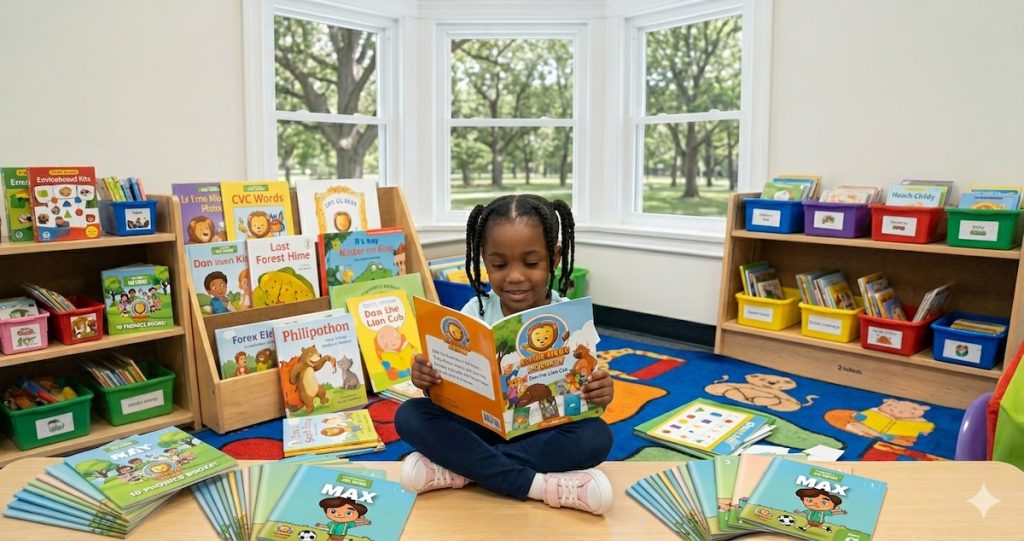
Think of consonant blends as friendly neighbors. In a word like block, the ‘b’ and ‘l’ stand next to each other, and you can clearly hear both of their individual sounds. They just say their sounds quickly together. A consonant digraph, on the other hand, is like a super-duo. When ‘s’ and ‘h’ team up in the word ship, they create one brand-new sound that’s completely different from their individual sounds. This simple distinction is at the heart of the blends vs digraphs concept, and it’s a huge lightbulb moment for young readers. Once this clicks, decoding words becomes much faster and more accurate.
When your child starts sounding out words, you’ll quickly run into consonant blends and digraphs. These two concepts are fundamental building blocks for reading, but they can be a little tricky to tell apart. Understanding the difference is a huge step in supporting your little reader’s journey. Let’s break down exactly what they are and how they work. Knowing these terms will help you pinpoint what your child is learning and how you can best offer support at home.
A consonant blend is a group of two or three consonants where you can still hear each individual letter sound. Think of them as close friends standing together—they’re a pair, but each one keeps its own voice. For example, in the word block, you can clearly hear the /b/ sound and the /l/ sound. The same goes for the st in stop or the spr in spring. Blends can show up at the beginning of a word (like flag) or at the end (like in fast). The key takeaway is that no new sound is created; the letters simply blend together smoothly. Recognizing these patterns is a key part of developing phonological awareness.
A consonant digraph is a bit different. It’s a team of two consonants that join forces to create one brand-new sound. Unlike blends, you can’t hear the individual letter sounds anymore. For instance, when you see the letters ‘s’ and ‘h’ together, they don’t say /s/ /h/. Instead, they make the single /sh/ sound, like in ship or fish. Other common examples include ch in chin, th in think, and wh in wheel. Think of it as a secret code where two letters together have a special meaning. Mastering these common digraphs helps children decode words much more efficiently instead of getting stuck on individual letter sounds.
When your child starts learning to read, you’ll hear a lot of new terms, and “blends” and “digraphs” are two big ones. They can seem confusingly similar at first—after all, they both involve two consonants sitting side-by-side in a word. But the job they do is quite different, and understanding this difference is a huge step for a new reader. It helps them decode words more accurately and builds a solid foundation for spelling down the road.
Think of it this way: consonant blends are like friendly neighbors who stand next to each other but keep their own identities. Each letter makes its own sound, they just say them quickly together. Consonant digraphs are more like a super-duo that teams up to create a brand-new power, or sound. Once you and your child can hear and see this distinction, a lot of spelling and reading rules will start to click into place. The key is to listen for the sounds the letters make. Are you hearing two separate sounds, or one new one? Let’s break down exactly how to tell them apart.
The easiest way to tell blends and digraphs apart is to close your eyes and just listen. A consonant blend contains two or three letters, and you can hear each individual sound. The letters just “blend” together smoothly. For example, in the word block, you can clearly hear the /b/ sound and the /l/ sound. The same goes for stop (/s/ and /t/) and frog (/f/ and /r/). Each letter keeps its own sound.
A consonant digraph is different. It’s made of two letters that work together to make one single, new sound. You can’t separate them. Think of sh in ship—it doesn’t sound like /s/ and /h/ said together. Instead, those letters team up to create the unique /sh/ sound. The same is true for chin (/ch/) and thumb (/th/). The two letters represent a single phoneme, or sound.
Once you can hear the difference, spotting blends and digraphs in words becomes much easier. When you see two consonants together, encourage your child to say the sounds out loud. If you can hear both letter sounds, you’ve found a blend. In the word slide, you can point to the ‘s’ and hear its /s/ sound, then point to the ‘l’ and hear its /l/ sound. They work together, but they’re still separate.
On the other hand, if the two letters make a totally new sound that isn’t associated with either letter on its own, it’s a digraph. In the word phone, the ‘p’ and ‘h’ don’t make their usual sounds. They join forces to make the /f/ sound. This is a classic digraph. Helping your child learn these letter-sound relationships is fundamental to building their reading confidence.
Now that you know the difference between blends and digraphs, it helps to have a list handy for practice. Think of this as your cheat sheet for spotting these letter pairs in the wild. You can use these lists to create flashcards, go on a word hunt in your child’s favorite books, or simply have them on hand when a question comes up during reading time. Let’s get into the most common blends and digraphs your little reader will encounter. Having these memorized will make decoding words a much smoother process for them.
Let’s start with blends. Remember, these are the consonant teams where each letter holds onto its own sound. You can hear both sounds distinctly, like the “s” and “l” in “slide.” Understanding common consonant blends is a big step for new readers because it helps them tackle longer words with more confidence. Here are some of the first blends your child will likely learn:
Next up are digraphs. Unlike blends, these two-letter pairs team up to make a brand-new sound. For example, when “s” and “h” get together, they don’t say /s/ /h/; they say /sh/ as in “sheep.” This can be a tricky concept at first, but once it clicks, it opens up a whole new world of words for your child. Here are the essential digraphs you’ll want to practice with your early reader:
If you’re wondering when your child will start tackling words like ‘ship’ or ‘frog,’ you’re not alone. This is a major milestone in learning to read! While every little reader learns at their own pace, there’s a general path that most phonics programs follow. Learning blends and digraphs is a huge step forward in a child’s reading journey. It’s the moment they move beyond simple three-letter, consonant-vowel-consonant (CVC) words like cat or pig and start decoding the more complex words they see and hear every day.
This stage can feel like one of the first big hurdles for young readers, and that’s completely normal. It requires them to listen for more sounds in words and manipulate them in new ways. It’s a sign that their phonological awareness is getting more advanced. Understanding the typical timeline can help you support your child and choose the right resources, but remember to focus on their individual readiness above all else. The goal is to build confidence and make reading feel like a fun discovery, not a race to the finish line. Knowing what to expect can help you spot when they’re ready for the next challenge and celebrate their progress along the way.
Most literacy instruction follows a logical order, moving from simple to more complex skills. After children have a good handle on individual letter sounds and short vowels, they’re ready for the next step. Typically, digraphs (like sh and ch) are introduced before consonant blends. This is because a digraph represents one new sound, which can be an easier concept to grasp than blending two distinct sounds together. In kindergarten, children often learn common digraphs and initial two-letter blends (like bl- and st-). By first grade, they’ll review these and move on to final blends (like -mp) and even trickier combinations.
Instead of focusing on age, look for signs of readiness. Is your child confident with all their letter sounds? Can they easily read simple CVC words like mat, sit, and hop? If so, they’re likely ready to start exploring blends and digraphs. The biggest challenge at this stage is learning to identify that extra consonant sound in a word. It’s a new cognitive step, so be patient if it takes some practice. This is a common sticking point where many kids need a little extra support. When you see them starting to sound out the first two letters of a word, even if they stumble, it’s a great sign they’re ready for more.
Teaching blends and digraphs doesn’t have to be complicated. With a few simple strategies and fun activities, you can help your child master these important phonics skills and build their reading confidence. The key is to start with clear explanations and then move into playful, hands-on practice.
When introducing blends, explain that they are like two friends standing close together. A blend is when two consonants team up, but you can still hear each of their individual sounds. Think of the ‘s’ and ‘l’ in the word “slip.” You hear both the /s/ and the /l/ sounds. Remind your child that each letter in a blend keeps its own sound. A great way to practice this is by “stretching out” the blend. Say the sounds slowly—/s/…/l/—and then speed them up to say /sl/. Using letter tiles or magnetic letters can also help your child physically push the two sounds together to form the blend.
Digraphs are a little different. Think of them as two letters that hold hands to make one brand-new sound. For example, when ‘s’ and ‘h’ get together, they stop making their own sounds and instead say /sh/. The most common consonant digraphs to start with are sh, ch, th, wh, and ck. The best approach is direct instruction. Introduce one digraph at a time using flashcards and anchor charts. Help your child learn to spot these pairs in words and practice the new sound they make together. Repetition is key here, so point them out whenever you see them while reading together.
Once your child understands the basic concepts, it’s time to play! Multi-sensory activities are fantastic for making learning stick. Try a word ladder where your child changes one letter at a time to make a new word, like going from chin to chip to ship. You can also create your own phonics bingo game using words with the blends and digraphs they’re learning. Writing words in a sand tray, using playdough to form the letters, or even just skywriting with their finger can make practice feel less like work and more like fun. There are tons of great phonics games you can adapt for blends and digraphs.
It’s completely normal for young readers to hit a few snags when learning new phonics rules, and the difference between blends and digraphs is a classic example. Seeing two consonants side-by-side can be confusing at first. Is it one sound or two? How do they work together? This is a critical step in their reading journey, and a little extra practice can make all the difference. Understanding where kids typically get stuck is the first step in helping them move forward with confidence.
The main reason blends and digraphs can be tricky is that they both involve two consonants. The confusion lies in whether to blend two sounds together or pronounce one new sound. For many kids, the challenge is learning to identify an extra consonant sound in words with blends. For example, when they see the word “frog,” they might only say the /f/ or /r/ sound instead of smoothly blending them into /fr/.
With digraphs, the opposite happens. A child might see “sh” and try to sound out /s/ and /h/ separately instead of making the single /sh/ sound. This mix-up is a natural part of the learning process as their brain works to map sounds to letters and letter patterns.
Confusing blends and digraphs is one of the first hurdles many children face when learning to read. If you notice your child consistently stumbling over these, it might mean they need a bit more support with phonemic awareness—the ability to hear and work with individual sounds in words.
Here are a few signs to watch for:
Helping your child master blends and digraphs builds a strong foundation for reading more complex words. The goal is to make these patterns feel familiar and automatic. One simple and effective strategy is using a word ladder. With a word ladder, you change one letter or sound at a time to create a new word (e.g., slip → ship → chip → chap). This activity helps children focus on how individual sounds work to form different words.
You can also try a sorting game with flashcards. Write words with blends and digraphs on separate cards and have your child sort them into piles. This hands-on approach helps them see and feel the difference between the two concepts.
Bringing phonics practice home doesn’t have to feel like a chore. In fact, it shouldn’t! The best way to help your child master blends and digraphs is to weave learning into the moments you already share. Think of it as adding a playful twist to your daily routine. These simple activities, reading tips, and games are designed to be fun and effective, helping you support your little reader’s journey without any pressure. You don’t need a teaching degree—just a few minutes and a willingness to be a little silly together.
You can turn almost any quiet moment into a chance to practice. A word ladder is a fantastic game where you change one letter at a time to create a new word. Start with a word like “ship,” then challenge your child to change one letter to make “shop.” From “shop,” you can go to “chop,” and then to “chip.” This simple activity is great for building phonemic awareness.
Another easy idea is to use magnetic letters on the fridge. Call out a blend like bl- or a digraph like ch- and have your child build as many words as they can using it. These hands-on phonics activities keep little fingers busy and help solidify their understanding of how sounds work together in a low-stress way.
Your daily read-aloud time is the perfect opportunity for some gentle practice. Next time you cuddle up with a book, turn it into a “sound hunt.” As you read a familiar story, ask your child to be your detective and listen for words with a specific blend or digraph. You can say, “Let’s look for words with the sh sound today!” and have them point them out as you go.
You can also model how to approach tricky words. When you come to a word with a blend, like “frog,” sound it out slowly together: /f/ /r/ /o/ /g/. This shows them how to tackle new words step-by-step. Making reading an interactive experience not only builds skills but also deepens their love for stories.
Kids learn best through play, so why not turn phonics into a game? You can easily create a phonics bingo game at home. Just draw a grid on a piece of paper and write words containing different digraphs or blends in each square. Call out a word, and have your child find it and cover it with a penny or a small toy. The first one to get a line wins!
A scavenger hunt is another great way to get kids moving. Give your child a sound, like st-, and send them on a mission to find something in the house that starts with that blend, like a stool or a star. These playful challenges help reinforce learning while feeling like pure fun.
When your child starts to grasp blends and digraphs, it’s a huge lightbulb moment in their reading journey. These aren’t just abstract phonics rules; they are the patterns that make up the words they see every day. Moving from sounding out single letters to recognizing these chunks of sound is a massive step toward becoming a confident, independent reader.
Helping children master digraphs and blends builds the foundation for reading longer words and developing confident readers. It’s the point where the hard work of sounding out words starts to pay off, and reading becomes faster, smoother, and a lot more fun. This understanding doesn’t just help them read words on a page; it also gives them the tools they need to write those words themselves. By focusing on these key skills, you’re supporting their ability to both decode text and spell with greater accuracy.
Decoding is simply the process of sounding out a word. At first, kids tackle this letter by letter, like c-a-t. But when they learn blends and digraphs, they can start decoding in bigger chunks. Instead of seeing four separate letters in the word “stop,” a child who knows blends sees two parts: “st” and “op.” This makes the process much more efficient.
This newfound efficiency is the key to building reading fluency. When a child can recognize words faster, their reading becomes smoother and more natural, like the way they talk. Learning about blends helps kids figure out words and understand what they read, while learning about digraphs helps them recognize words faster and read more smoothly. This is when they can really start to focus on what the story means instead of just getting the words right.
Reading and spelling are two sides of the same coin. When a child learns to read the ‘ch’ sound in “chip,” they are also learning how to spell that sound. This is the magic of a strong phonics foundation. Instead of just memorizing a list of spelling words, they begin to understand the patterns and rules that govern how words are built.
This knowledge gives them a powerful strategy for writing. When they want to spell the word “splash,” they can hear the ‘spl’ blend at the beginning and the ‘sh’ digraph at the end. This connection between phonics and spelling helps them write with more confidence and accuracy. They learn to listen for sounds in words and connect them to the correct letter patterns, a skill that will support them long after the weekly spelling test is over.
Once your child can identify blends and digraphs, the next step is to practice reading them in real words and sentences. This is where theory meets action, and it’s the most important part of the learning process. While flashcards have their place, nothing beats seeing these letter combinations come to life in a story. This is precisely why decodable books are such a powerful resource for young readers.
Decodable books are carefully written to help children practice the specific phonics skills they are learning. Instead of guessing or using picture clues, your child gets to apply their knowledge of blends and digraphs to sound out words, building confidence with every page. This targeted practice is what helps solidify their understanding and turns learning into reading.
Decodable books are the perfect tool for this stage because they are specifically designed to give children practice with phonics skills in a way that is both engaging and meaningful. Each story is built using a controlled set of letters and sounds that your child has already been taught, along with a few high-frequency words. This means they can successfully read the majority of the text, which is a huge confidence builder.
Mastering blends and digraphs through these stories helps build the foundation for reading longer, more complex words. When a child reads a book filled with words like “splash,” “shop,” and “path,” they aren’t just reading a story—they are actively reinforcing the phonics rules they’ve learned. This repeated exposure in context is what makes the learning stick, helping them become more fluent and assured readers.
When you’re looking for the right decodable books, the key is to match the book to your child’s current learning focus. If you just introduced the ‘ch’ digraph, find a book that features it heavily. Look for books that emphasize specific phonics skills to reinforce what your child is learning in a focused way. A good decodable book series will follow a clear progression, introducing new concepts systematically.
Choose books that include a high frequency of the target sounds. For example, a book focused on s-blends should be packed with words like “stop,” “swim,” and “sled.” This gives your child plenty of opportunities to practice the skill repeatedly in different contexts. Our Little Lions Literacy book sets are organized by a clear scope and sequence, so you can easily find the perfect books to support your reader’s journey, one skill at a time.
Try using a simple analogy. Explain that consonant blends are like two friends standing side-by-side who both get to talk—you can hear each of their sounds, just very quickly together. Digraphs are like two friends who team up to use a secret code; when they get together, they make one brand-new sound that is different from their usual sounds.
This is a very common hurdle! A great strategy is to “stretch” the word out like a rubber band. Say the blend sounds very slowly—”sss-t-op”—and then say them faster until they blend together. You can also use magnetic letters or letter tiles to physically touch each letter as you make its sound, which helps make the concept more concrete for them.
Most phonics programs introduce common digraphs (like sh, ch, and th) before moving on to consonant blends. The reasoning is that learning one new sound for a two-letter pair can be a more straightforward concept for a child to grasp than the more complex task of blending two distinct sounds together smoothly.
Those are great examples of how tricky English can be! You can explain these as special teams where one letter is the silent partner. In pairs like kn and wr, the first letter is silent, but it signals that the second letter will make its usual sound. Think of them as another reading rule to learn; once your child knows the rule, they’ll be able to spot it every time.
The best resources are decodable books that are designed to target the exact skills your child is learning. Look for books or book sets that clearly state their focus, such as “s-blends” or the “ch digraph.” A well-designed series will follow a logical progression, so you can easily find a book that provides focused practice on the patterns your child needs to work on right now.

Share via: