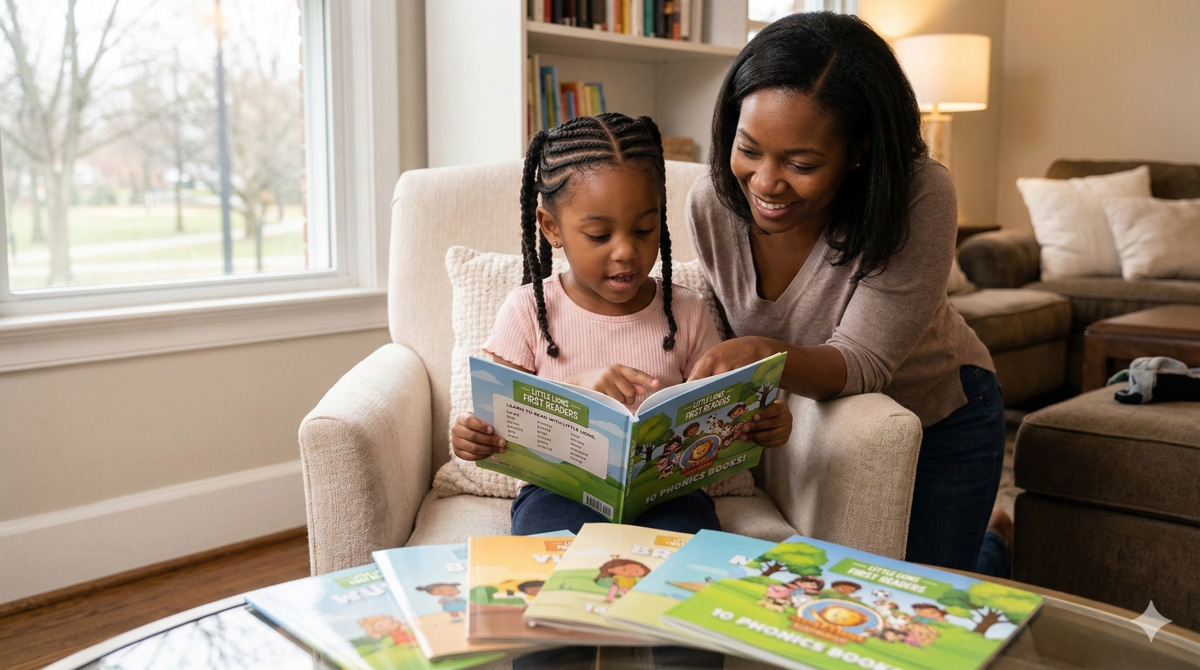
For a child with dyslexia, learning to read can feel like a constant cycle of frustration and self-doubt. But what if reading practice could be a source of pride instead? That’s the magic of a great decodable book. By presenting stories that only use the phonics skills your child has already learned, these books set them up for success on every page. Each word they sound out correctly is a small victory that proves they can do it. This repeated success is monumental for their self-esteem, helping them see themselves as capable readers. This article is your guide to finding the best decodable readers for dyslexia, tools designed to turn frustration into pride and build a confident, happy reader.
If you’re supporting a child with dyslexia, you’ve likely heard the term “decodable readers.” So, what are they, exactly? In the simplest terms, decodable books are stories written for beginning readers that contain a high percentage of words with letter-sound patterns they have already been taught. Think of them as practice books that are also fun stories. Instead of encouraging kids to guess words from pictures or context—a common habit with traditional picture books—these books empower them to use their growing phonics skills to sound out, or “decode,” the words on the page.
This approach is a game-changer for many children, especially those with dyslexia. It transforms reading from a frustrating guessing game into a successful, confidence-building activity. When a child can look at a page and successfully read the words using the rules they’ve learned, it proves to them that reading is a code they can crack. This sense of accomplishment is incredibly powerful. By providing this targeted practice in a story format, decodable readers help children master the connection between letters and sounds, laying a solid foundation for a lifetime of reading. They are a key tool in building strong, confident readers from the very beginning.
The magic of a decodable reader lies in its “controlled text.” This means the words in the book are carefully chosen to align with a specific phonics scope and sequence. A child who has just learned the short ‘a’ sound will read a book filled with words like ‘cat,’ ‘sam,’ and ‘ran.’ They won’t be tripped up by words with complex spelling patterns they haven’t learned yet. Think of it like learning to play the piano. You start with simple scales and songs before moving on to complex concertos. Decodable books follow the same logic, introducing new letter-sound patterns systematically. This structure ensures children are practicing what they know and building on their skills one step at a time.
Many of us grew up with traditional picture books, often called leveled readers, which rely on repetitive sentence structures and strong picture clues. While charming, these books can encourage guessing, a strategy that often backfires for children with dyslexia. When a child guesses a word instead of sounding it out, they miss a crucial opportunity to practice their decoding skills. Decodable books, on the other hand, are designed to prevent guessing. The illustrations support the story but don’t give the words away. This focus on decoding helps children build reliable strategies for tackling unfamiliar words. For a child with dyslexia, this shift is empowering. It proves to them that they can read independently, building the confidence they need to succeed.
For children with dyslexia, the brain processes language differently, making it difficult to connect letters to their corresponding sounds. This is why a structured, systematic approach to reading is so important. Decodable books provide the exact kind of targeted practice these learners need to forge and strengthen those neural pathways. They make the rules of the English language explicit and predictable. By removing the cognitive load of guessing, decodable books allow children to focus all their energy on applying their phonics knowledge. This repeated, successful practice helps cement letter-sound connections and builds automaticity. It gives dyslexic readers a clear, logical path to follow, reducing the anxiety and frustration that so often accompany reading for them. This structured support is a core principle of effective reading instruction for students with dyslexia.

For a child with dyslexia, learning to read can feel like trying to solve a puzzle with missing pieces. Traditional books often introduce complex words and spelling patterns all at once, which can be overwhelming and discouraging. Decodable readers change the game entirely. They are specifically designed to align with a child’s phonics instruction, providing a clear, supportive path to literacy that builds skills and confidence at the same time. Instead of asking a child to guess or memorize words, these books empower them with a reliable strategy: sounding it out. This approach directly addresses the challenges associated with dyslexia and transforms reading from a source of stress into an achievable, rewarding activity.
Decodable books are a powerful tool because they give children, especially those with dyslexia, positive reading experiences. Each book is carefully crafted to include only the letter-sound patterns your child has already been taught. This means they can successfully read entire sentences and even whole books on their own. Every word they sound out correctly is a small victory that proves they can read. These repeated successes help kids feel capable and successful, which is essential for building their reading self-esteem. Instead of feeling defeated, they start to see themselves as readers, which is a monumental shift in their learning journey.
One of the biggest hurdles for dyslexic learners is the habit of guessing words from pictures or the first letter. This is often a coping mechanism, but it’s not a reliable reading strategy and can lead to a lot of frustration. Decodable books prevent children from guessing because the text is controlled and the illustrations support the story without giving the words away. This removes the pressure and anxiety that comes with uncertainty. When a child knows they have the tools to figure out every word on the page, they can relax and focus on applying their phonics skills. This creates a calmer, more positive reading experience for everyone involved.

The magic of decodable readers lies in their structure. A key feature is “controlled text,” which means the words in the book are carefully chosen so a child only sees words they can sound out using the phonics rules they know. These books follow a clear scope and sequence, introducing new letter-sound patterns one at a time and building on previous lessons. This systematic, pattern-based approach is exactly what children with dyslexia need to make sense of written language. It helps them master phonics skills in a logical order, reinforcing what they learn and helping their brain make the crucial connections between letters and sounds.
When you’re searching for books to support a child with dyslexia, it’s easy to feel lost in a sea of options. The term “decodable” is a great starting point, but not all decodable readers are created with the specific needs of dyslexic learners in mind. The right book does more than just present phonetic words; it creates a reading experience that is clear, encouraging, and free of unnecessary distractions. It builds confidence by setting the child up for success on every single page.
To help you find the best fit, think of it as a simple checklist. Look for books that are thoughtfully designed, from the font on the page to the structure of the story. These key features work together to reduce cognitive load and help your child focus on the essential task: decoding the words and making meaning from them.
The visual presentation of a book can either be a bridge or a barrier for a dyslexic reader. Overly decorative fonts or crowded pages can be overwhelming. That’s why it’s so important to choose books with simple, clean fonts and plenty of space between letters, words, and lines. This thoughtful design minimizes visual stress, making it easier for your child’s brain to process the text. Look for sans-serif fonts, generous spacing, and a clean, uncluttered layout. This isn’t just about aesthetics; it’s about creating a dyslexia-friendly reading environment that allows your child to focus their energy on decoding, not on fighting with the page.
Great decodable books aren’t random collections of phonetic words; they follow a deliberate plan. This plan is called a scope and sequence. Look for books that introduce new words and sounds in a step-by-step way, building on what your child already knows. This systematic progression ensures there are no surprising new spelling patterns that your child hasn’t been taught yet. Each book reinforces current skills while gently introducing the next concept. This structure is a cornerstone of effective reading instruction for dyslexic learners, providing the predictability and repetition they need to build a strong foundation. You can often find the scope and sequence on the publisher’s website to see exactly what skills are covered.
Pictures in a decodable book have a very specific job. They should make the story more engaging without doing the work for the reader. Illustrations should support the story but not give away the words. They should be a reward for reading the text. When pictures are too detailed or directly depict every word, children are tempted to guess instead of sound out the words. The best decodable books use simple, clean illustrations that complement the narrative and give context clues, but still require the child to read the text to understand what’s happening. This encourages them to rely on their phonics skills, which is the entire point of the exercise.
A book can be perfectly decodable, but if the story is dull, your child won’t want to read it. The magic happens when phonetic simplicity meets an engaging plot. Even though the text is simple, the stories should be interesting and suitable for your child’s age. This is especially critical for older children who may be reading at a lower level but still want stories that feel relevant to them. A good decodable reader tells a fun, compelling story with characters your child can connect with. This emotional engagement is a powerful motivator for struggling readers, making them feel successful and encouraging them to pick up the next book in the series.
Finding the right decodable books can feel like searching for a needle in a haystack, but don’t worry—I’ve done the legwork for you. The key is to find a series that matches your child’s specific phonics knowledge and keeps them engaged. A great decodable book makes a child feel successful, turning reading practice from a chore into a moment of pride. When a child can sound out the words on the page and understand the story, it reinforces the phonics skills they’re learning and shows them that reading is something they can do. This success is incredibly motivating, especially for children who have found reading to be a struggle. Below are some of the best decodable readers that are consistently recommended by parents and educators. This list includes options for different ages, skill levels, and budgets, so you can find the perfect fit for your young reader.
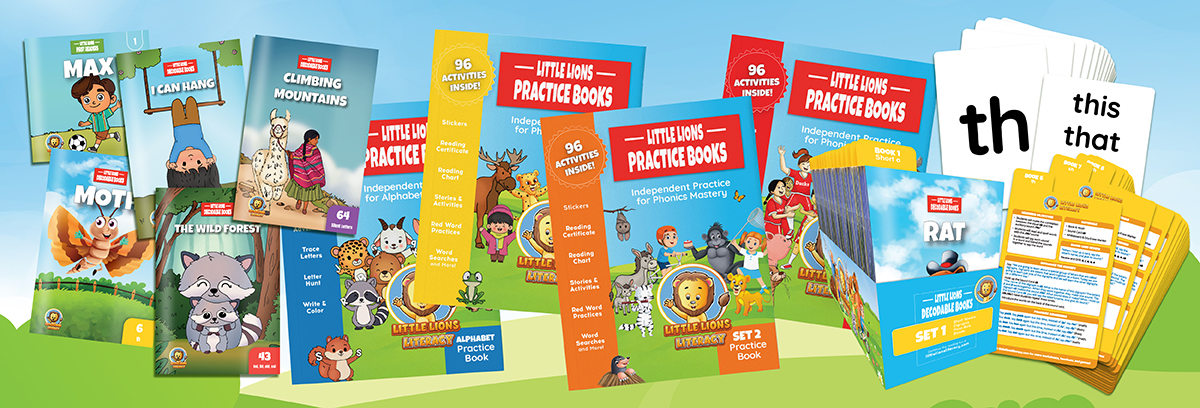
Of course, I have to start with our own books, which we designed with so much love and care for little learners. We believe that decodable books are a powerful tool because they give children, especially those with dyslexia, positive reading experiences. Our books follow a clear and logical scope and sequence, introducing new phonics skills gradually so your child is never overwhelmed. The stories are fun, the illustrations are engaging, and each book is crafted to help kids feel capable and successful. Seeing that spark of confidence when a child realizes, “I can read this!” is what it’s all about, and that’s the feeling we aim to create with every single book.

Flyleaf is a fantastic, high-quality option that many reading specialists recommend. Their books are well-structured, and they come with helpful teacher guides that are a huge asset for parents and educators who want to provide targeted instruction. One of the best parts about Flyleaf is its commitment to accessibility; the company often makes its entire library of books available to read online for free. This allows you to explore their materials and find the right level for your child without any initial investment. The stories are engaging and thoughtfully written, making them a solid choice for systematic phonics practice.
If you’re looking for a series that builds confidence from the very first page, Half-Pint Readers are a wonderful choice. These books are designed to give children early success, which is incredibly motivating for reluctant or struggling readers. The progression is gentle, ensuring that kids can master one skill before moving to the next. Many of the titles can also be read online for free, which is perfect for supplementing your home library or trying them out to see if they’re a good fit for your child. Their simple, clean format helps kids focus on the words and feel a real sense of accomplishment.
As the name suggests, Just Right Readers aims to provide the perfect book for every stage of a child’s reading journey. What sets this series apart is the sheer volume of books available for each specific phonics skill. This is a game-changer for kids who need extra repetition to achieve mastery. If your child is stuck on CVCe words or digraphs, Just Right Readers likely has a whole set of books just for that skill. They also offer a free online library, making it easy to access a wealth of practice materials to solidify your child’s learning and build their fluency.
You’ve probably seen these little square books in bookstores or your local library, and for good reason. Bob Books have been a staple for beginning readers for decades because they are simple, effective, and incredibly accessible. They are an excellent starting point for very young children who are just being introduced to phonics. The books start with only a few letters and slowly build from there, giving kids a gentle and confidence-building introduction to reading. Their widespread availability makes them an easy and affordable option to pick up and get started with right away.
Finding decodable books for older children who are still building foundational skills can be a real challenge. Many decodable series feature stories and illustrations that feel too young, which can be discouraging for a second or third grader. This is where Phonic Books truly shines. They offer “Catch-Up Readers” specifically designed for older kids, with age-appropriate, high-interest topics and illustrations that aren’t “babyish.” These books allow older students to practice essential phonics skills with material that respects their maturity, making them an invaluable and affordable resource for closing reading gaps.
Finding the right decodable reader is all about hitting that sweet spot where your child feels both challenged and successful. A book that’s too easy is boring, while one that’s too difficult leads to frustration. For a child with dyslexia, building confidence is just as important as building skills. The goal is to provide practice with the phonics patterns they know while gently introducing new ones. This ensures they can actually decode the text, which is the whole point. Let’s walk through a few simple steps to pick the perfect book for your little reader.
Before you choose a book, you need a clear picture of what your child already knows. A book is only “decodable” if the child has been taught the phonics rules for the words inside it. Most decodable book series get progressively harder, so knowing your child’s starting point is key. The best way to do this is to connect with their teacher or reading specialist. They can give you a rundown of the specific letter sounds and phonics patterns your child has mastered and which ones they’re working on now.
Once you know which skills your child is practicing, you can find books that align perfectly. Look for a series with a transparent scope and sequence that clearly outlines which phonics skills are covered in each book. This takes the guesswork out of the process. Your goal is to pick books that use the exact phonics sounds your child is currently learning. If their teacher says they’re focused on short vowels and consonant digraphs like ‘sh’ and ‘ch,’ you can find a book that centers on those specific skills. This targeted practice reinforces what they learn in the classroom.
Here’s a simple trick to check if a book is a good fit: the five-finger rule. Have your child read a single page. As they read, hold up one finger for every word they struggle with. If you get to five fingers before the page is done, the book is likely too challenging right now. And that’s okay! Simply set it aside for a few weeks and try again later. This quick assessment helps you avoid frustration, ensuring reading time remains a positive experience. It’s a great tool for building a library of books for dyslexic readers that they can turn to with confidence.
When you first hear about decodable readers, it’s easy to get tangled in some common misconceptions. These books are a powerful tool, especially for children with dyslexia, but myths about them being boring, restrictive, or only for struggling readers persist. This can leave parents and teachers feeling unsure about whether they’re making the right choice for their child. Let’s clear the air and look at some of the most frequent myths about decodable books.
Understanding what these books are—and what they aren’t—is the first step toward using them effectively. Decodable readers are designed with a very specific purpose: to give children a chance to practice the phonics skills they are learning in a controlled and supportive way. They are a bridge that helps a child move from knowing letter sounds to confidently reading words and sentences. By breaking down the myths, you can feel more confident in how these books support your child’s journey to becoming a happy, successful reader.
Let’s be honest: some early decodable books from decades past were a bit dry. The focus was so heavily on phonics that the stories could feel stilted or nonsensical. But that’s no longer the case. Today’s decodable books have come a long way, featuring fun stories and beautiful pictures to keep kids engaged. Modern authors and illustrators understand that for reading practice to be effective, it has to be enjoyable. At Little Lions Literacy, we create books with charming characters and simple, satisfying plots that give children a real sense of accomplishment. The goal is to make kids want to pick up a book, not see it as a chore.
While decodable books are an essential tool for children with dyslexia, their benefits aren’t limited to one group of learners. The truth is, decodable books are good for all children who are learning to read. Think of it like learning to play the piano. You start with simple scales and songs before you play a complex sonata. Decodable books provide that same clear, step-by-step foundation for reading. They systematically introduce phonetic patterns, allowing every child to build their skills on solid ground. This structured approach prevents guessing and helps all early readers develop the confidence and competence they need to succeed.
This is a common concern, but it comes from a slight misunderstanding of a decodable book’s purpose. The main goal of a decodable reader isn’t to introduce a wide range of new vocabulary; it’s to give a child repeated practice with specific phonics skills they’ve just learned. These books are a core component of teaching reading based on the science of reading. They are just one piece of a rich literacy environment. You should continue reading a wide variety of picture books aloud to your child, as this is one of the best ways to build their vocabulary, comprehension, and love for stories. Decodable books provide the practice; read-alouds provide the rich language exposure.
Learning to read is a marathon, not a sprint, especially for a child with dyslexia. Decodable books are an incredibly effective tool, but they aren’t a magic wand. Reading progress takes time, patience, and lots of consistent practice. Using decodable books helps a child’s brain build new, more efficient connections for reading, but this process happens gradually. It’s important to celebrate small victories along the way—like when your child correctly sounds out a tricky word or reads a full sentence with confidence. For the best results, combine decodable readers with other multi-sensory and structured language training to create a supportive and effective learning plan.
Having the right decodable books is a fantastic first step, but the environment where your child reads matters just as much. Home should be a safe, low-pressure space where they can practice, make mistakes, and build confidence without fear of judgment. Creating a positive atmosphere can completely change your child’s relationship with reading, turning it from a source of frustration into a time for connection and discovery.
You don’t need a classroom-sized library or fancy furniture to do this. It’s about building small, consistent habits that show your child that reading is a valuable and enjoyable part of life. When you approach reading practice with patience, enthusiasm, and understanding, you become their trusted partner on this journey. These simple strategies can help you create a supportive home environment where your little reader can truly thrive.
Consistency is your best friend when building any new skill. Try to set aside just 10 to 15 minutes for reading each day. The exact time doesn’t matter as much as the routine itself—maybe it’s right after school or part of your bedtime ritual. The goal is to make it a predictable and protected part of the day. Turn off the TV, put phones away, and give your child your undivided attention. This signals that this is a calm and special time for both of you, making your child feel important and turning reading into a positive habit they can look forward to.
A special spot dedicated to reading can make it feel like a treat, not a chore. You don’t need much to create an inviting reading nook—a comfy beanbag chair, a pile of pillows in a quiet corner, or even a tent filled with blankets can do the trick. Make sure the space has good lighting and that their decodable books are within easy reach. A cozy and distraction-free environment helps your child relax and focus, making it easier for them to settle in with a book and tackle the important work of learning to read.
For a child with dyslexia, every bit of progress is a victory worth celebrating. Focus on praising their effort rather than demanding perfection. Instead of pointing out mistakes, celebrate how hard they worked to sound out a tricky word. If they get stuck, gently guide them to use their phonics skills instead of just giving them the answer. Saying, “I love how you kept trying on that word!” builds their resilience and self-esteem far more than correcting them. Your patience and positive reinforcement are powerful tools that show them you believe in them.
Reading is primarily a visual activity, but children with dyslexia often learn best when multiple senses are involved. You can easily support their learning by incorporating simple multi-sensory learning activities into your routine. Have them trace letters in a shallow tray of sand or shaving cream, use magnetic letters to build words on the fridge, or clap out the syllables in a new word. Engaging touch and movement alongside sight and sound helps forge stronger neural pathways, making it easier for phonics rules to stick.
When you’re searching for the right decodable books, it’s easy to wonder whether you need to spend money. The good news is that there are fantastic options available at every price point, including free. The best choice depends on your child’s specific needs and your goals. Think of it less as a question of which is better and more about creating a reading toolkit that draws from the best of both worlds. Let’s break down what you can expect from free resources versus a paid program.
If you’re just getting started or want to supplement your child’s reading library, the internet is full of high-quality, free decodable readers. Many of these are printable, so you can have a new story ready in minutes. Organizations dedicated to literacy support often provide these resources to make reading accessible for everyone. For example, organizations like SPELD SA offer an entire series of downloadable phonic books. These free options are perfect for trying out decodable texts to see how your child responds or for getting extra practice on specific phonics skills without a financial commitment.
While freebies are great, there comes a time when investing in a complete program makes sense. A full series of decodable books provides a structured, systematic path for your child to follow. This is especially important for children with dyslexia who thrive on consistency. Each book in a series like ours at Little Lions Literacy builds on the skills learned in the last, creating a seamless learning experience. This repetition and careful progression help solidify the connection between letters and sounds, building true reading confidence without leaving any gaps in their understanding.
Whether you’re using a free printable or a book from a purchased set, quality is key. A good rule of thumb is the five-finger rule: if your child struggles with more than five words on a single page, the book is likely too difficult for them right now. You also want to ensure the book’s phonics plan aligns with what your child is learning. It’s okay if a few non-phonetic sight words are included, as long as you can help your child with them. The goal is to find materials that provide a manageable challenge and build your child up as a reader.
This is such a common and valid concern. The key difference is that decodable books are designed to stop the frustrating guessing game. Because the words only use letter-sound patterns your child has already learned, they are set up for success from the very first page. Each word they sound out correctly is a small win that builds their confidence and proves to them that reading is a skill they can master, not a mystery they have to solve.
Not at all! Think of decodable books as the practice part of their reading journey. They are essential for building foundational phonics skills. However, you should absolutely continue reading rich, engaging picture books aloud to your child. These read-aloud sessions are where you build their vocabulary, comprehension skills, and a deep love for stories. The two types of books work together to create a well-rounded, happy reader.
You’ll know it’s time to move on when your child can read their current books with confidence and accuracy. If they are reading smoothly without having to sound out most of the words, it’s a good sign they have mastered those particular phonics skills. The goal is for them to feel successful but still have a little bit of a challenge. When their current books start to feel too easy, check the scope and sequence of your book series and introduce the next level.
This is a huge challenge for so many families. While many decodable books are geared toward younger children, there are fantastic options designed specifically for older students. Look for series labeled as “catch-up readers” or for older struggling readers. These books use the same systematic phonics approach but feature more mature illustrations and storylines that an older child will find interesting and respectful of their age.
This is a great question because the two can seem similar. The main difference is their approach. Decodable readers are built around phonics, using only letter-sound patterns a child has been taught. Leveled readers, on the other hand, often rely on repetitive sentence patterns and strong picture clues, which can encourage children to guess words rather than sound them out. For a child with dyslexia, the explicit, phonics-based practice in a decodable book is a much more effective strategy.