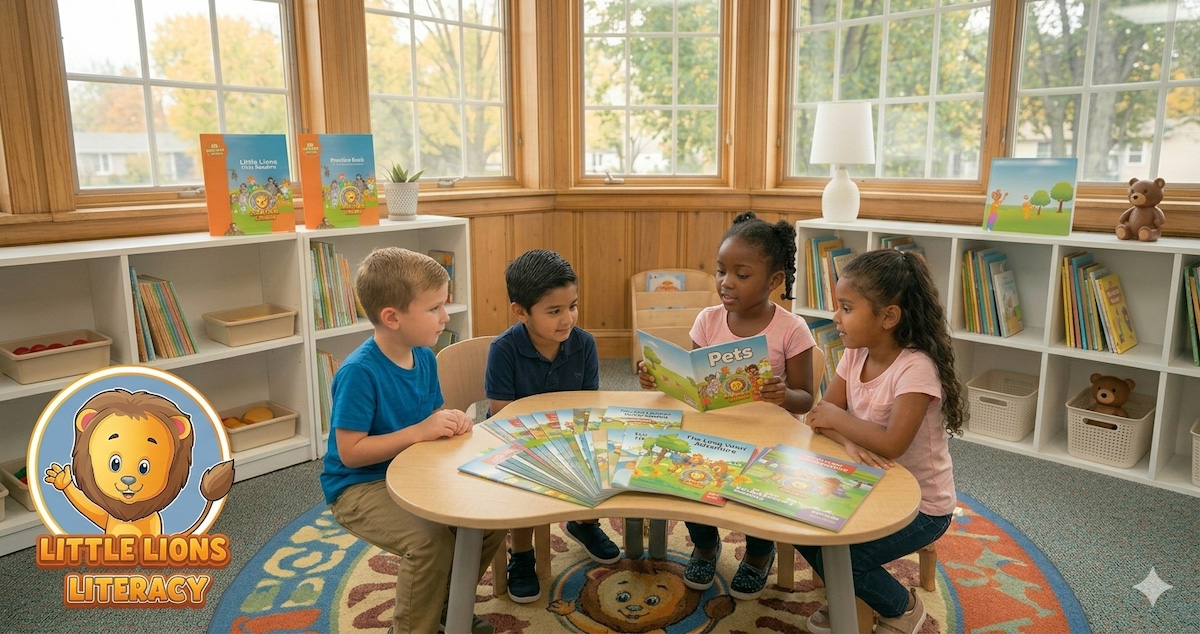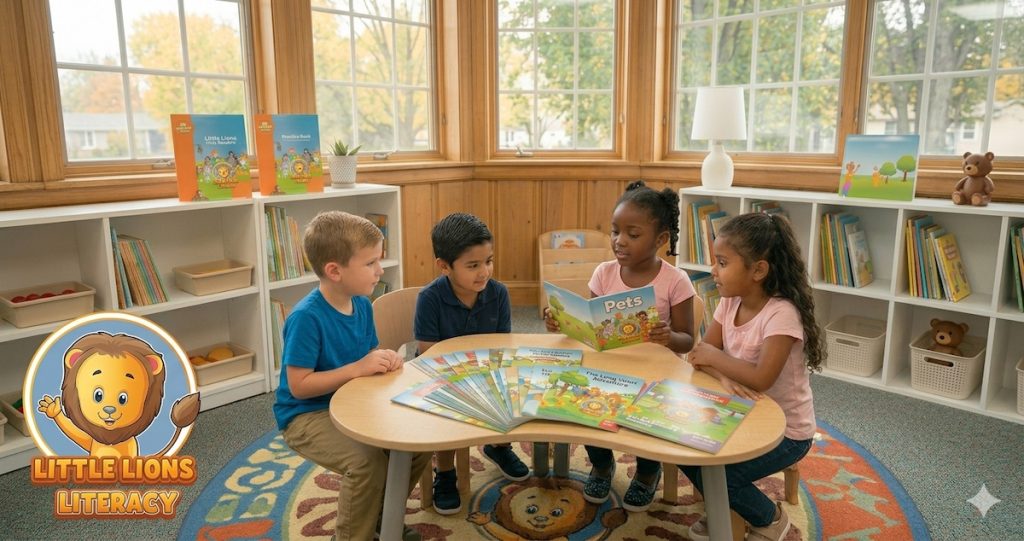
Nothing fuels a child’s desire to read more than the powerful feeling of success. Hearing your six-year-old proudly exclaim, “I read that all by myself!” is the goal, and it’s what builds a lifelong love of books. This is the magic of decodable books. They are carefully crafted to contain only the letter sounds and phonics patterns your child has already been taught. This intentional design sets them up for a win on every page. The right decodable books for 6 year olds create a positive feedback loop: success builds confidence, and confidence encourages more practice, turning a challenging task into an enjoyable adventure.
When your child is six, they are at such an exciting and critical stage in their reading journey. You want to give them books they can actually read and feel proud of, not ones that leave them feeling frustrated. This is where decodable books come in. They are specifically designed to align with what your child is learning in phonics, giving them the chance to practice their new skills and see that they can read. It’s a game-changer for building a solid foundation.
Decodable books are carefully designed to help your child practice blending sounds and decoding words. Instead of containing random words, every story is built using letter sounds and phonics rules your child has already been taught. If they’ve learned the sounds for s, a, t, p, i, and n, the book will feature words like “sat,” “pin,” and “tin.” This targeted practice helps them master the connection between letters and sounds, which is the core of learning to read. They aren’t just memorizing words; they’re learning the system behind them.
Nothing makes a child want to read more than the feeling of success. Because decodable books only use sounds they know, your six-year-old can read them independently. Each page they finish and each book they complete is a huge win that builds their self-esteem. This success creates a positive feedback loop: they feel good about reading, so they want to do it more. This approach is a key part of the Science of Reading, which emphasizes explicit phonics instruction. It transforms reading from a daunting task into an achievable and enjoyable activity.
You might be wondering how decodable books differ from the leveled readers often found in classrooms. Leveled readers are organized by general difficulty and often rely on repetitive sentence structures and picture clues to help a child guess the words. This can accidentally teach kids to guess instead of read. Decodable books do the opposite. They are built around a specific phonics progression, ensuring your child has the tools to sound out nearly every word on the page. The focus is on applying their phonics knowledge, not on guessing from context.
Not all decodable books are created equal. When you’re searching for the right fit for your six-year-old, it can feel like every option looks the same. But a few key features separate the truly great decodable books from the rest. The best books don’t just teach phonics; they build confidence and a genuine love for reading. They follow a logical progression that meets your child where they are and gently guides them forward. By keeping an eye out for a few specific qualities, you can find books that make reading practice feel less like a chore and more like an adventure. Look for a clear phonics plan, fun stories, supportive designs, and a complete series to give your child the best possible start.
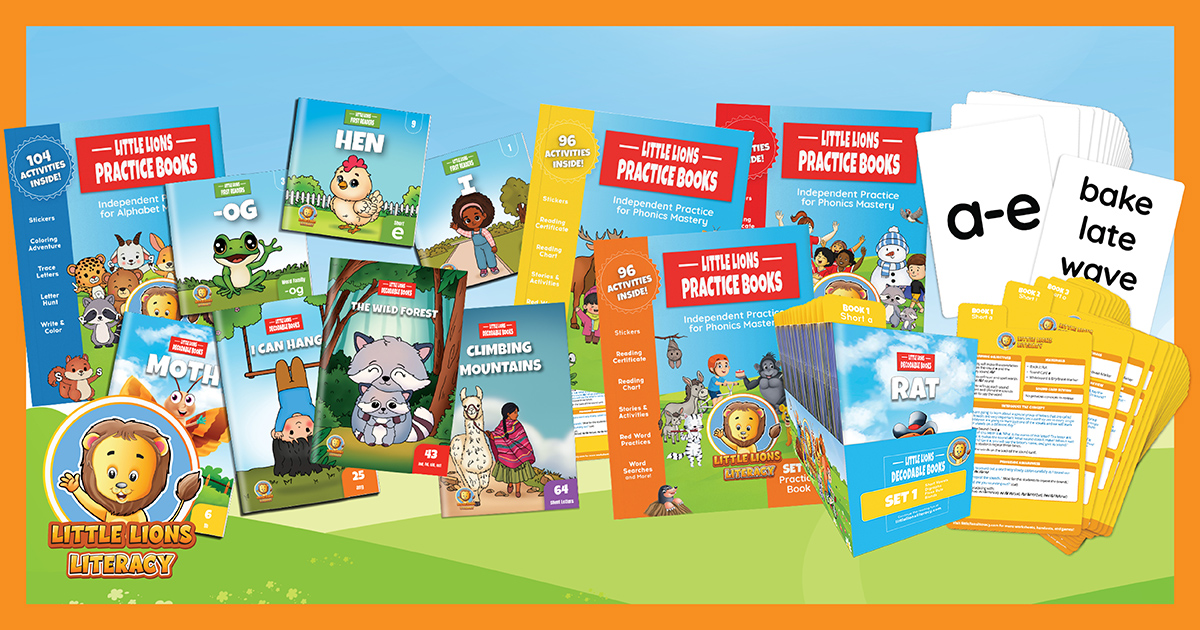
The most important feature of a great decodable book is a clear and logical phonics progression. This means the books should introduce new sounds in a step-by-step order, building on what your child already knows. A random assortment of books won’t do the trick. Instead, you want a series that follows a specific scope and sequence, ensuring there are no gaps in their learning. Each book should focus on a particular phonics skill and only use words that contain sounds your child has already been taught. This systematic approach is what makes decodable reading so effective, as it gives kids the tools they need to sound out words successfully and build a strong foundation.
Let’s be honest: if a book is boring, your child won’t want to read it. Decodable books have a reputation for having stilted, uninspired text, but the best ones feature fun stories with interesting characters and plots. A captivating narrative keeps your child engaged and motivated to turn the page. When kids are invested in the story, they’re more willing to work through challenging words. The goal is to make reading an enjoyable experience, not a frustrating task. Look for books that will make your child laugh, wonder what happens next, and feel a sense of accomplishment when they finish the story on their own.
The look and feel of a book matter, especially for new readers. A great decodable book has a clean, uncluttered design that’s easy on the eyes. Look for clear, readable fonts and just a few sentences per page to avoid overwhelming your child. The illustrations should be bright and supportive of the story, giving context clues without giving away the words themselves. The pictures are there to enhance the story, not to encourage guessing. This thoughtful design helps your child focus on the text and apply their phonics skills, which is the whole point of decodable reading.
While picking up a single decodable book here and there can be helpful, investing in a complete series is often a better approach. A full set of decodable books provides a clear, structured path for learning, making sure your child masters one skill before moving on to the next. This eliminates guesswork for you and prevents gaps from forming in your child’s phonics knowledge. A series is designed to grow with your reader, gradually introducing more complex sounds and sentence structures. It creates a predictable and supportive learning journey, allowing your child to build momentum and confidence as they progress from one book to the next.

Finding the perfect decodable books can feel like a big task, but it really comes down to a few key things. The goal is to find books that meet your child exactly where they are, making them feel successful and excited to read more. When a book aligns with their skills and interests, it transforms reading practice from a chore into an adventure. Let’s walk through how to pick the right books that will help your little reader thrive.
The most important factor in choosing a decodable book is your child’s current phonics knowledge. A book is only truly “decodable” if your child has already learned the specific letter-sound patterns used in the text. If a book is filled with sounds they haven’t been taught yet, it will only lead to guessing and frustration. Before you buy, take a moment to assess what they know. You can ask their teacher for a quick summary of the phonics skills they’ve covered in class or look through their recent schoolwork. This simple step ensures the books you choose will actually support their learning and build their confidence.
Once you know which phonics skills your child has, look for books that match that level. The best decodable book series introduce new sounds in a clear, step-by-step order, building on what your child already knows. This systematic progression is essential. It prevents them from feeling overwhelmed and allows them to experience steady success, which is a huge motivator. When you’re looking at a set of books, check to see if it follows a logical plan. Our Little Lions Literacy sets, for example, are carefully structured to guide children from one skill to the next, ensuring a smooth and supportive reading journey.
Phonics skills are the foundation, but a great story is what makes a child want to read. Look for books with interesting characters and fun plots that will keep your child engaged. When a six-year-old is captivated by a story about silly animals or a magical quest, they’re more willing to put in the effort to sound out new words. Whenever possible, let your child help choose their books. Show them the covers, read the titles, and ask which ones look exciting. Giving them a choice fosters a sense of ownership and makes reading feel like a special activity they get to be a part of.
The term “scope and sequence” might sound technical, but it’s simply the roadmap a book series follows to teach reading. The “scope” is the set of skills that will be taught (like CVC words and digraphs), and the “sequence” is the order in which they are introduced. Decodable books are carefully crafted to follow a specific plan, ensuring no skills are missed. You don’t need to be a phonics expert, but it’s helpful to choose a series that clearly outlines its scope and sequence. This structure guarantees that each book builds logically on the last, creating a solid foundation for reading fluency.

When you’re looking for the right decodable books, it helps to know which phonics skills your six-year-old is likely working on. A good decodable book series will introduce these concepts one by one, giving your child plenty of practice before moving on. This systematic approach is what makes them so effective. Here are the key skills your young reader will encounter, from the very basics to more complex patterns.
This is where the reading journey truly begins for most kids. Short vowel sounds are the sounds in words like cat, hen, pig, dog, and bug. Decodable books at this stage focus heavily on CVC words, which stand for consonant-vowel-consonant. Think of simple words like mat, sit, and run. These words are perfect for beginners because they follow a predictable pattern, allowing children to practice blending sounds together. Mastering CVC words is a foundational skill that builds the confidence your child needs to see themselves as a reader. It’s the first big step toward reading independence.
Once your child is comfortable with CVC words, they’re ready for the next layer of phonics. This includes consonant blends, where two or three consonants appear next to each other and you can hear each individual sound (like the bl in blue or the str in street). They will also learn about digraphs, which are two consonants that team up to make a single new sound, like sh in ship, ch in chin, and th in thumb. Decodable books intentionally introduce words with consonant blends and digraphs to help children build reading fluency and tackle more complex words with ease.
After mastering short vowels, your child will move on to long vowels, where the vowel “says its name” (like the ‘a’ in cake or the ‘i’ in bike). One of the first long vowel patterns kids learn is the “Magic E,” also known as the silent ‘e’. This is the rule where adding an ‘e’ to the end of a CVC word changes the short vowel sound to a long one, turning cap into cape or kit into kite. Decodable books introduce these long vowel patterns in later texts, giving kids a chance to apply their growing phonics knowledge to a whole new set of words.
As your six-year-old becomes a more skilled reader, their decodable books will start to include more advanced concepts. This is where they’ll learn about vowel teams, which are pairs of vowels that work together to make one sound, like the ai in rain or the ea in read. They’ll also encounter diphthongs, which are gliding vowel sounds like the oi in coin and the ou in cloud. Introducing these advanced phonics concepts through decodable texts helps expand your child’s reading abilities, preparing them to read an even wider variety of books and stories.

It’s completely normal to have questions as you introduce decodable books into your child’s reading routine. These books are a specific tool, and knowing how to use them effectively can make all the difference. From tackling disinterest to handling frustration, let’s walk through some common concerns and find practical solutions that work for your family.
If your six-year-old seems reluctant to pick up a decodable book, it helps to reframe its purpose for both of you. Think of these books less as captivating stories and more as the practice round after a phonics lesson. Their main job is to let your child apply newly learned skills.
You can make it more engaging by turning it into a game, like a “word hunt” for the specific phonics pattern they just learned. Decodable books are designed to supplement phonics instruction, giving kids a chance to see their new knowledge in action. When they realize, “Hey, I know how to read these words!” their confidence and interest often follow.
Decodable books are for skill-building, not for replacing the rich, imaginative stories you love to read together. It’s all about balance. Set aside specific, short periods for practicing with decodable books. This is their time to work on sounding out words and connecting letters to sounds.
For the rest of the day, continue to fill their world with other kinds of books. Read exciting picture books aloud, explore non-fiction topics they love, and let them choose books from the library just for fun. This approach ensures they are building essential phonics skills while also developing a deep and lasting love for reading. One type of reading is for practice; the other is for pleasure.
You’ll know it’s time to move on when your child reads their current decodable books with accuracy and ease. If they are no longer sounding out every word and can read the text smoothly, they are ready for the next challenge. The goal is for them to internalize the phonics rules so well that decoding becomes automatic.
Researchers have a name for this: the self-teaching hypothesis. It suggests that once children have strong decoding skills, they begin to teach themselves new words as they encounter them in more complex texts. Trust your observations. When they show confidence and mastery with one set of skills, it’s the perfect signal to introduce the next level in their phonics progression.
Frustration is a natural part of learning anything new, and reading is no exception. The key is to create a supportive and low-pressure environment. Start by setting up a cozy, comfortable reading spot where you can focus together without distractions. Keep reading sessions short and sweet, ending on a positive note before your child gets tired or overwhelmed.
If they get stuck on a word, gently guide them to sound it out instead of giving them the answer right away. Most importantly, celebrate their effort, not just their perfection. Praising their hard work builds resilience and shows them that it’s okay to make mistakes. This positive reinforcement will help them see reading as an enjoyable challenge rather than a frustrating task.
Once you have the right books, building a consistent and positive reading routine is the next step. How you approach daily reading practice can make all the difference in your child’s journey. The goal is to create a warm, supportive environment where your six-year-old feels safe to try, make mistakes, and grow as a reader. A little structure and a lot of encouragement can transform reading from a task into a treasured part of their day.
Creating a special time for reading helps your child look forward to it. You can make it a positive experience by setting up a cozy reading spot, like a comfy chair with a blanket or a pile of pillows on the floor. Let your child help choose the spot to give them a sense of ownership. It’s also important to keep reading sessions short and positive, especially at first. Aim for 10-15 minutes of focused reading time. If your child gets tired or frustrated, it’s okay to stop and try again later. The main goal is to build happy memories around books.
Kids thrive on routine, and a predictable reading schedule can work wonders. Try to pick the same time each day, whether it’s right after school, before bed, or while a younger sibling is napping. This consistency helps reading become a natural part of their day, just like brushing their teeth. Remember, the goal is to build positive feelings about reading, not to force it. If you miss a day, don’t worry. Just pick it back up tomorrow. A gentle and flexible approach shows your child that reading is an enjoyable activity, not a strict chore.
It’s completely normal for a new reader to get stuck on words. When this happens, your calm support is key. If they get stuck, gently guide them to sound out words phonetically. You can point to each letter and say the sound with them or cover up parts of the word to let them focus on one sound at a time. Using decodable book sets is incredibly helpful here, as the books are designed for them to successfully sound out words based on the phonics skills they’ve already learned. Your patient guidance helps them build problem-solving skills and confidence.
Reading is hard work, and every bit of effort deserves recognition. Make a point to celebrate their effort, not just perfect reading. Did they try to sound out a tough word all by themselves? Celebrate it! Did they read a whole page without help? That’s amazing! A simple high-five, a “great job trying,” or a little happy dance can make them feel proud. This focus on progress over perfection helps foster a growth mindset and keeps them motivated. When they know you’re their biggest cheerleader, they’ll be more willing to tackle the next reading challenge.

Once you know what to look for, the next step is actually finding the right decodable books. It can feel like a bit of a scavenger hunt, but there are plenty of great options out there if you know where to look. Decodable books are available through various online retailers and educational stores, giving you a range of choices. The key is to find a source that provides high-quality, engaging books that follow a clear phonics sequence.
Cost is also a real factor for most families and educators. Prices can vary widely, from a few dollars for a single paperback to a few hundred for a comprehensive, library-bound set. Don’t let the price tag be your only guide, though. Think about the long-term value. Investing in a quality set of books that will guide your child through multiple reading stages is often more cost-effective than buying individual books here and there. Let’s break down where to find these books and what you can expect to pay.
You’ll find decodable books in two main places: online shops and specialty educational stores. Online stores offer the biggest advantage in convenience and selection. You can browse countless options from the comfort of your home, which is a huge plus for busy parents. Specialized websites, like our own Little Lions Literacy shop, are designed specifically for parents and educators looking for structured literacy resources. You can easily find complete sets that follow a specific scope and sequence.
Brick-and-mortar educational supply stores are another option. The main benefit here is being able to physically hold the books and flip through them before you buy. However, their selection might be more limited or geared toward bulk classroom purchases rather than individual family needs.
While it might be tempting to pick up a single decodable book here and there, I strongly encourage you to invest in a complete series. Think of it like building with LEGOs; you need all the right pieces in the right order to create something solid. A full set of decodable books provides a clear, structured path for learning, making sure there are no gaps in your child’s phonics skills.
When you buy books one by one, you risk creating a disjointed learning experience. Your child might encounter words with phonics rules they haven’t learned yet, leading to frustration. A cohesive decodable book set is designed to build skills systematically, which is the best way to grow a confident, capable reader.
In a world full of screens, the debate between digital and physical books is ongoing. For young readers, I’m a big fan of physical books. They offer a tactile experience that helps kids connect with the story, and they eliminate the distractions that come with tablets and e-readers. Plus, many publishers offer extra perks with physical copies. For example, some companies provide free downloadable activity packs to supplement the reading, which can be a fantastic way to reinforce learning.
Of course, digital books have their place. They can be convenient for travel and are sometimes a more budget-friendly option. Ultimately, the choice is yours, but for daily reading practice, a real book in their hands is hard to beat.
Building a home library doesn’t have to break the bank. One of the best ways to save on decodable books is to purchase them in bundles or complete sets. The more books you buy at once, the more you typically save. This applies to both individual sets that target a specific skill and larger bundles that cover an entire reading level.
Keep an eye out for sales and promotions, especially around back-to-school time or holidays. While some high-end, hardback “library editions” can cost upwards of $250, most paperback sets are much more affordable. When you consider the cost, think about the value you’re getting. A well-designed set of decodable books is an investment in your child’s future success and confidence as a reader.
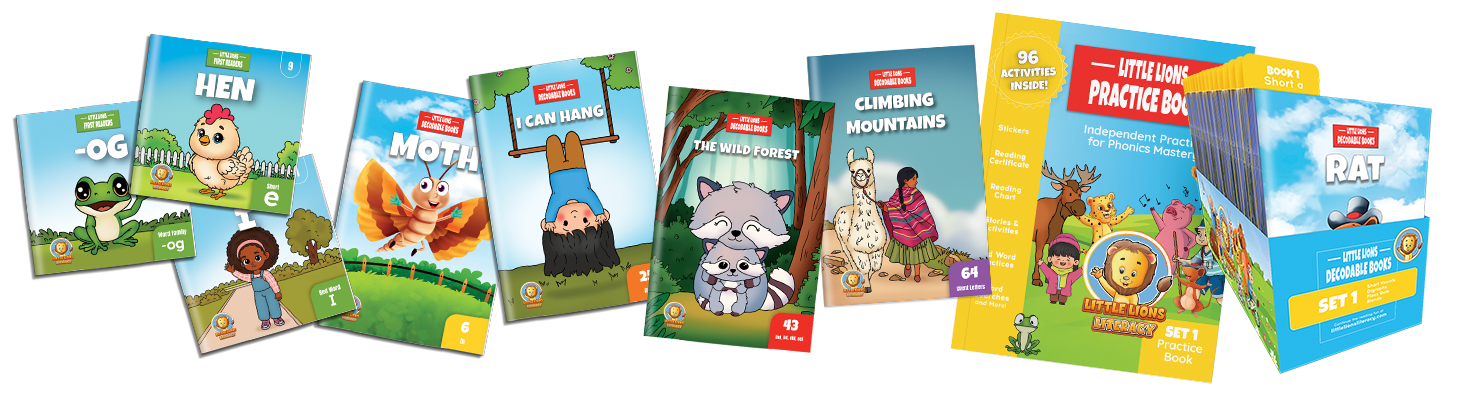
The biggest difference is their purpose. Leveled readers are organized by overall difficulty and often rely on picture clues and repetitive sentences, which can encourage children to guess words. Decodable books, on the other hand, are designed to build the actual skill of reading. They only use letter-sound patterns your child has already been taught, giving them a chance to practice sounding out words successfully instead of guessing.
Guessing from pictures or context can look like reading at first, but it’s a strategy that stops working as books get more complex and have fewer pictures. True reading involves decoding, which is the ability to connect letters to sounds to read a word. Decodable books build this essential foundation, ensuring your child has the skills to read unfamiliar words in any book they pick up later on.
Think of decodable books as a temporary support system, much like training wheels on a bike. They are most useful while your child is actively learning and mastering phonics rules. Once your child can read their decodable books with ease and automatically sound out new words, they are likely ready to spend more time with other types of books. The goal is for decoding to become so natural that they no longer need the targeted practice.
It’s natural for kids to memorize parts of a book after reading it a few times. To check if they are truly decoding, you can try a few things. Ask them to find all the words with the “sh” sound, or point to a random word on the page and ask them to sound it out for you. This helps you see if they are applying their phonics skills or just reciting the story.
The best place to start is with what your child already knows. A book is only decodable if your child has been taught the phonics patterns inside it. Before you choose a set, try to get a sense of which letter sounds and simple words they’ve worked on in school. Then, look for a series that begins with those specific skills and builds from there. A good series will have a clear scope and sequence you can look at to find the perfect fit.