

There’s a magical moment when a child moves from sounding out individual letters to smoothly reading whole words. Mastering beginning blends is often the key that makes this happen. When a child learns to decode words like “frog” or “slide,” their confidence soars. They start to see themselves as a real reader. This crucial stage requires targeted practice with materials that set them up for success. The right beginning blends reading passages provide this practice in a fun and engaging way, reinforcing their skills without causing frustration. This article will walk you through how to choose the best passages to support your young reader on this exciting part of their journey.
Once your child has a good handle on individual letter sounds, you might be wondering what comes next on their reading journey. The answer is often beginning blends. Mastering blends is a huge step for young readers, moving them from sounding out simple three-letter words like ‘cat’ to tackling more complex words like ‘stop’ and ‘frog.’ It’s the moment when the building blocks of phonics really start to click together to form bigger structures.
Think of it as leveling up in their reading adventure. Learning to identify and sound out these consonant clusters opens up a whole new world of words, which is incredibly exciting for a child who is just starting to see themselves as a reader. While it can be a tricky skill to master, understanding what blends are and why they’re so important is the first step in helping your child succeed. With the right approach and plenty of practice, your little learner will be spotting and reading blends with confidence.
So, what exactly is a consonant blend? A beginning blend is a group of two or three consonants at the start of a word where you can hear each individual sound. For example, in the word “blue,” you can clearly hear both the /b/ and the /l/ sounds. The same goes for “frog,” where you hear the /f/ and the /r/ sounds working together. The letters keep their own sounds, they just blend together smoothly. This is different from a digraph, where two letters team up to make a single new sound, like ‘sh’ in “ship.”
Learning beginning blends helps children decode and read many new words. It’s a fundamental part of developing strong phonics skills because it teaches kids how letters work together to form words, which is essential for reading fluency and comprehension. While the concept might seem straightforward to us, the skills required, like sequencing and blending sounds quickly, can be challenging for some children. That’s why consistent practice is so important. Kids need lots of opportunities to read and spell words with blends to help them build accuracy and automaticity on their path to becoming fluent readers.
Before you introduce consonant blends, it’s a good idea to make sure your child has a solid foundation. Jumping ahead too soon can lead to frustration and make reading feel like a chore. Think of it like building with blocks; you need a sturdy base before you can start adding more complex pieces. This simple checklist will help you see if your young reader has the core skills they need to successfully tackle blends. When these skills are in place, learning blends becomes a natural and exciting next step in their reading journey.
Phonemic awareness is all about the ability to hear, identify, and play with the individual sounds in spoken words. Before a child can read the blend “bl,” they need to be able to hear the distinct /b/ and /l/ sounds in a word like “blue.” This skill is purely auditory, no letters involved yet! You can check for this by playing simple sound games. Ask your child, “What’s the first sound you hear in ‘sun’?” or “Can you tell me the sounds in ‘mop’?” If they can confidently isolate and identify sounds in simple words, they likely have the phonemic awareness needed to start working with blends.
Once a child can hear the sounds, the next step is connecting those sounds to written letters. Your child should know most of their consonant and short vowel sounds automatically. They don’t have to think hard to remember that the letter ‘b’ says /b/. A great indicator of readiness is their ability to read simple CVC (consonant-vowel-consonant) words like “cat,” “pig,” and “jet.” This shows they understand the basic mechanics of decoding. This is why a structured literacy approach is so effective; it ensures children master these foundational skills in a logical order before moving on to more complex patterns like blends.
Knowing individual letter sounds is one thing, but smoothly blending them together to read a word is the real magic. This is a critical skill for both reading and spelling. You can check your child’s blending ability by saying the sounds in a CVC word aloud and having them put the word together. For example, you say “/h/ … /a/ … /t/,” and they respond with “hat!” If they can do this easily, it shows they are ready to apply that same skill to words with beginning blends, like blending “/s/ /t/ /o/ /p/” to read “stop.” This ability is the bridge between knowing letter sounds and becoming a confident, fluent reader.
Jumping into blends can feel like a big step, but you don’t have to teach them all at once. A strategic approach works best. By starting with the most common and phonetically simple blends, you build your child’s confidence and create positive momentum. Think of it as setting up small wins that make your reader feel successful and eager to learn more. Most literacy specialists recommend starting with L-blends, followed by R-blends and S-blends, as this progression follows a natural path of difficulty.
L-blends are the perfect place to begin your blending adventure. These blends, like in the words black, clap, and flag, are often the easiest for children to hear and pronounce. The /l/ sound is very clear, and when paired with another consonant, both sounds remain distinct, making them easier to blend. Because they are so common in simple words, mastering L-blends gives young readers a quick confidence boost. Many reading programs introduce these first to build a strong and positive foundation for tackling more complex phonetic patterns.
Once your child feels comfortable with L-blends, it’s time to introduce R-blends. You’ll find these in words like brick, crab, and drum. The /r/ sound can be a little trickier for some children to pronounce correctly, which is why it’s helpful to save these for after they’ve mastered L-blends. Don’t worry if their pronunciation isn’t perfect at first; the main goal is for them to recognize the blend when reading. Consistent practice with R-blend words will help them connect the letters to the sounds, and their articulation skills will often improve with time and exposure.
S-blends are another essential group to introduce early in the learning process. These blends appear frequently in English in words like scan, skip, and smile. Because the /s/ sound is so common, learning to read S-blends opens up a huge number of new words for your child. This helps them read more complex sentences and stories much sooner. Focusing on S-blends helps solidify a child’s understanding of how two consonants can work together at the beginning of a word while still making their own individual sounds. This is a key concept that will support them as they learn to read more advanced texts.
When you’re searching for reading passages to help your child practice blends, you’ll quickly find there are a ton of options out there. But not all resources are created equal. The right passage can make learning feel like an exciting puzzle, while the wrong one can lead to frustration. So, how do you pick a winner?
Focusing on a few key elements will help you find materials that truly support your new reader. You want passages that are specifically designed for their current skill level, build on what they know in a logical way, and are fun enough to keep them coming back for more. Let’s walk through exactly what to look for.
The most important thing to look for is a passage that is truly decodable. This means the text only uses letter sounds and phonics patterns your child has already been taught. If a passage is full of words they haven’t learned how to sound out yet, it sets them up for guessing instead of decoding. This can quickly erode their confidence.
A decodable passage gives your child a chance to successfully apply their skills. This approach is a cornerstone of the Science of Reading, which emphasizes explicit phonics instruction. When kids see words they can actually read, they feel capable and motivated to keep trying. At Little Lions Literacy, all our books follow this principle to ensure every story is an opportunity for success.

A good blends passage won’t just throw a random assortment of words at your child. Instead, it will follow a logical progression, introducing new skills systematically. The best resources provide lots of opportunities to practice a specific blend (like “bl” or “st”) before moving on to the next one. This repetition is crucial for building accuracy and automaticity, which is when a child can recognize and read words without having to sound them out each time.
Think of it like learning to play an instrument; you practice one scale until it’s easy before adding another. This steady progression helps solidify their understanding and builds a strong foundation for reading fluency.
Let’s be honest: if a story is boring, your child won’t want to read it. Engagement is everything! Look for passages with fun characters, silly plots, or relatable situations that will capture your child’s imagination. When a child is invested in the story, reading practice stops feeling like a chore and becomes a fun activity they look forward to.
The goal is to make reading a positive experience. A captivating story gives them a reason to work through challenging words. They want to find out what happens next! This intrinsic motivation is incredibly powerful. You can even supplement stories with fun beginning blends worksheets to keep the learning light and playful.
Pictures in a children’s book aren’t just there for decoration; they play a vital role in the learning process. Helpful illustrations provide context clues that can help a child figure out a tricky word and better understand the story. When the pictures directly support the text, they act as a helpful scaffold for young readers.
Look for clear, simple illustrations that match the words on the page. The art should enhance the story, not distract from it. Some activities even use pictures to make practice more interactive, like asking a child to match a word to the correct image. Using pictures is a great strategy to support reading comprehension and make the entire experience more engaging for your visual learner.
Once your child is ready for blends, you can introduce them in a way that feels more like play than work. The key is to move from simple, fun activities to more structured reading practice. By breaking it down into manageable steps, you can guide your reader through this new skill without overwhelming them. Think of it as a gradual process: starting with hands-on games, moving to guided reading together, and finally, cheering them on as they read independently. This approach helps build a solid foundation and keeps their confidence high as they tackle more complex words.
Before you even open a book, get your child warmed up with some playful activities. Hands-on games are perfect for helping kids recognize and sort beginning blends. You can create simple word sorts where they categorize words based on their starting sounds, like putting all the “bl-” words in one pile and “cl-” words in another. Phonics board games are another fantastic way to get in some consistent practice. These activities introduce the concept of blends in a low-pressure format, making learning feel fun and engaging right from the start.
Kids learn best when they can use more than just their eyes and ears. A multi-sensory approach helps make the abstract concept of blends more concrete. A simple but powerful tool is a small handheld mirror. Have your child watch their mouth as they say the individual sounds in a blend, like /b/ and /l/, and then see how their mouth moves when they say “bl.” You can also use magnetic or animated letter tiles to build and break apart words with blends, giving them a visual and kinesthetic way to understand how the sounds connect.
After some fun warm-ups, it’s time to read together. This is where you provide direct support as your child applies their new skills to actual text. When you encounter a word with a beginning blend in a reading passage, point to it and sound it out together. You can also try dictation, where you say a word with a blend and they practice writing it down. This guided practice reinforces the connection between reading and spelling. Working side-by-side helps your child feel supported as they integrate these new patterns into their reading, turning a potential challenge into a shared accomplishment.
The final step is to encourage independent reading. After plenty of guided practice, your child needs opportunities to read on their own to build accuracy and speed. This is where having the right materials is crucial. Give them decodable passages that feature the specific blends they’ve been learning. Our Little Lions Literacy sets are designed for this purpose, ensuring your child can successfully sound out the words and experience the joy of reading a story all by themselves. These successful moments are what build the automaticity and confidence needed for true reading fluency.

Once you know what to look for, the next step is finding the right reading passages for your child. The internet is full of resources, but not all are created equal. You want materials that are genuinely decodable, engaging, and follow a clear progression. It can feel like a lot to sort through, so I’ve gathered some of my favorite places to find high-quality passages that will help your reader master beginning blends with confidence.
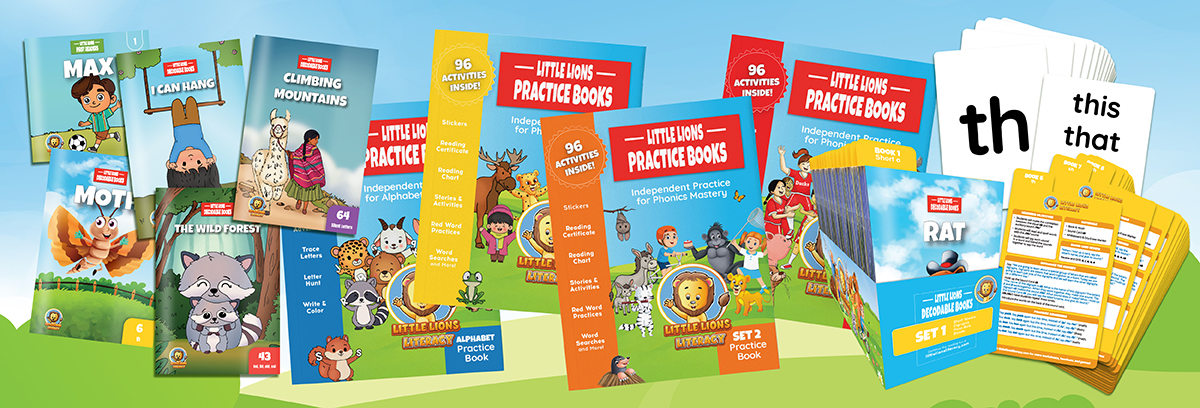
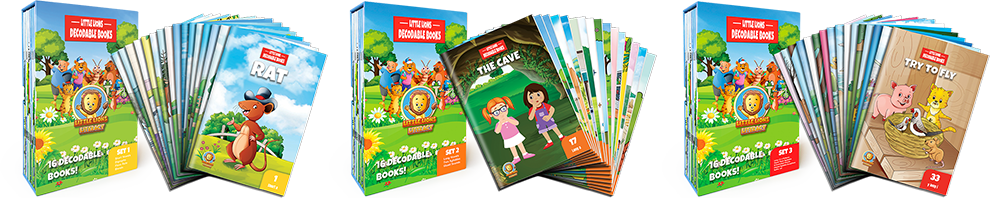
Of course, I have to start with our own resources here at Little Lions Literacy. We’ve poured our hearts into creating materials that make learning to read a joyful experience. Our decodable book sets are designed to grow with your child, systematically introducing new phonics skills like beginning blends in a way that makes sense. Each story is fun, engaging, and filled with words your child can actually sound out. This builds incredible confidence because they aren’t just guessing; they are really reading. Our sets ensure a smooth and logical progression, so you never have to wonder what to teach next.
Beyond our own library, one of the best places to find resources from fellow educators is Teachers Pay Teachers (TPT). It’s a huge online marketplace where teachers share materials they’ve created and used in their own classrooms. You can find thousands of beginning blends passages, worksheets, and games. A quick search for “decodable blend passages” will give you plenty of options to explore. Just be sure to read the descriptions and reviews carefully to make sure the resource aligns with the phonics skills your child is currently working on.
If you’re looking for budget-friendly options, there are some wonderful websites that offer free, high-quality printables. Blogs run by experienced educators are often the best place to start. One of my go-to sites is The Measured Mom, which offers a fantastic collection of free phonics printables, including activities for consonant blends. When using free resources, just double-check that they are truly decodable and fit into your child’s learning path. They can be a perfect way to supplement your core reading instruction or add a little extra practice.
When you start looking, you’ll see that prices can vary quite a bit. On sites like TPT, you might find a single reading passage for a few dollars or a large bundle of activities for more. While single worksheets are great for targeted practice, investing in a bundle or a complete set of books can be a smart move. These larger collections usually follow a structured scope and sequence, which takes the guesswork out of teaching and ensures you don’t miss any important skills. It’s all about finding what works best for your reader and your budget.
Once you’ve introduced beginning blends, the next step is to make them stick. Consistent, engaging practice helps cement these new skills in a child’s mind. The key is to move beyond simple drills and find activities that are both fun and effective. By incorporating a mix of games, shared reading, and hands-on exercises, you can reinforce what your reader is learning without it feeling like a chore. These activities help children hear, see, and feel how blends work, building a strong foundation for reading fluency.
Turning practice into a game is one of the best ways to keep young learners motivated. When children are having fun, they’re more open to learning and less likely to feel frustrated. Incorporating playful phonics games into your routine reinforces the connection between letters and sounds in a low-pressure setting. You can try simple activities like Blend Bingo, where you call out a blend and kids cover the corresponding picture. Or, create a word sort with cards for different blends like ‘st’ and ‘sp’, and have your child sort words like ‘stop’ and ‘spot’ into the right piles. Even a simple scavenger hunt for items around the house that start with a blend can make practice feel like an adventure.
Reading together is a powerful tool for building confidence and skill. When you read aloud, you model fluent reading, correct pronunciation, and natural expression. This is especially helpful for tricky new concepts like blends. Try choral reading, where you and your child read a passage at the same time. This provides a supportive scaffold, allowing them to hear the sounds as they say them. Another great strategy is echo reading, where you read a sentence first and your child reads it back to you. These early reading intervention activities create a safe space for practice, showing your child they have a supportive partner on their reading journey.
Getting physical with letters can make the abstract concept of blending much more concrete. Multi-sensory, hands-on activities help anchor learning in a child’s memory. Use magnetic letters on a whiteboard to build words with blends, letting your child physically push the sounds together. You can also have them write blends in a sand tray or with shaving cream for a fun tactile experience. A simple but effective tool is a small handheld mirror. Ask your child to watch their mouth as they say the sounds in a blend, like ‘f’ and ‘l’ in ‘flag’. This helps them become more aware of the mouth movements required to produce each sound correctly.
As you practice, it’s helpful to gently check in on your child’s progress. This isn’t about giving a formal test, but about observing where they’re confident and where they might need a little more support. You can do this by asking them to read a short list of blend words you’ve been working on or by dictating a few simple words for them to spell. These quick assessments for blends give you valuable insight. If you notice they’re consistently mixing up ‘dr’ and ‘tr’, for example, you know to plan a few more fun activities focused on those specific blends. This allows you to provide targeted instruction right when it’s needed most.
As your child starts working with blends, you’ll naturally want to know how they’re doing. Tracking their progress isn’t about giving them a grade; it’s about understanding where they’re shining and where they might need a little extra support. Think of it as a roadmap that helps you guide their reading journey. By paying attention to a few key areas, you can celebrate their wins, gently correct any mix-ups, and make sure they feel confident and successful every step of the way.
Decoding accuracy simply means checking if your child can correctly sound out and read words with blends. When they read a passage, are they identifying the blend and pronouncing the word correctly? You can do this informally by listening to them read aloud. An occasional mistake is perfectly normal, but if you notice a pattern, it’s a sign to slow down and offer more practice. You can use a simple assessment to see where their skills are when it comes to reading and spelling words with blends. This helps you pinpoint exactly which blends might be tricky for them.
Fluency is the magic that happens when decoding becomes more automatic. It’s the difference between reading word-by-word and reading in smooth, connected phrases. As your child gets more comfortable with blends, you’ll notice their reading speed and expression improve. After they learn to read blends in words and simple sentences, it’s time to increase their fluency with these patterns. You can encourage this by rereading favorite passages together. When reading becomes less choppy and more natural, you know their brain is mastering these new skills.
You can learn so much just by watching and listening to your child read. Do they pause before a word with a blend? Do they try to sound it out, or do they guess? One common hiccup is adding an extra vowel sound, like saying “buh-lue” for “blue.” If you notice guessing or extra sounds, it’s a sign they need more guided practice with hearing and mapping the individual sounds within the blend. This isn’t about memorization; it’s about helping them connect the letters to the sounds in a concrete way.
You don’t need a complicated system to track progress. It can be as simple as a notebook where you jot down the blends your child has mastered and the ones they’re still working on. For a more structured approach, you can use checklists or simple charts. Collectively, these assessments help identify who may be at risk for reading difficulties, target areas of individual strength, and plan appropriate instruction. Keeping a few notes helps you see their growth over time and tailor your practice sessions to what they need most right now.

Blends passages are a go-to resource for a reason. They offer a structured yet engaging way to help children practice this crucial phonics skill. When a child starts to connect individual letter sounds into blends, it’s a huge step in their reading journey. These passages provide the targeted practice they need to build confidence and momentum. Both educators in the classroom and parents at home find them incredibly valuable for supporting young readers as they tackle more complex words and stories. Let’s look at exactly why these tools are so popular and effective.
Teachers are often the first to recommend blends passages because they see the results firsthand in the classroom. Across educational platforms, you’ll find that resources for teaching blends consistently receive high praise and top ratings from thousands of educators. They appreciate that these passages are designed to be straightforward and effective, making it easy to incorporate them into daily reading instruction. Whether for whole-class lessons, small group work, or one-on-one support, teachers value having reliable, high-quality phonics materials that are ready to use and proven to help students succeed.
One of the biggest challenges in teaching is keeping kids engaged, and this is where blends passages really shine. Instead of just drilling words, the best resources turn practice into play. They often include fun activities like word searches, matching games where kids connect words to pictures, and even creative drawing or writing prompts. This variety keeps young learners interested and motivated. When a child is actively participating in a fun activity, they’re more likely to absorb the lesson and retain what they’ve learned. These engaging worksheets make learning feel less like work and more like a game.
Blends passages do more than just teach children to recognize letter combinations. They are a powerful tool for developing three core reading skills at once: phonics, fluency, and comprehension. First, they reinforce phonics rules by providing repeated exposure to words with specific blends. As a child becomes more comfortable decoding these words, their reading fluency, or the ability to read smoothly and accurately, naturally improves. This increased fluency allows them to focus less on sounding out individual words and more on understanding the meaning of the text, which directly supports their reading comprehension.
So, how do you know when your child has truly mastered blends? It goes beyond just being able to read a list of words. A key sign of mastery is when a child can confidently manipulate the sounds within words. For example, can they tell you what word is left if you take the /s/ sound out of “stop”? Or can they change “frog” to “flog”? This ability to play with sounds, known as phoneme manipulation, shows a deep and flexible understanding of how words work. When you see your child applying their knowledge of blends to both reading and writing new words, you know they have built a solid phonics foundation.
Once you know your child is ready to tackle blends, the next step is finding the right reading material. With so many options out there, it can feel a little overwhelming. But don’t worry, choosing the perfect passage is all about matching the resource to your specific reader. A passage that works wonders for one child might not click with another. By focusing on their age, individual learning style, and the quality of the material itself, you can find stories that build skills and make reading a positive, confidence-building experience.
When you’re looking for blends passages, a great starting point is your child’s age and grade level. Most resources are created with early elementary students in mind, typically kindergarten through second grade. Passages designed for this age group use appropriate vocabulary, sentence structures, and themes that resonate with young learners. This ensures the content is challenging enough to help them grow without causing frustration. Thinking about these developmental stages in reading helps you select materials that meet them exactly where they are, setting them up for success as they practice these new phonics skills.
Every child learns at their own pace, so it’s important to think about your reader’s specific strengths and areas for growth. Does your child pick up new concepts quickly, or do they benefit from lots of repetition? Some kids might need to focus on L-blends for a while, while others are ready to mix and match all the blend types. Paying attention to their unique learning journey allows you to differentiate instruction effectively. You can choose passages that provide extra practice on tricky blends or find stories about their favorite topics, like dinosaurs or space, to keep them motivated and excited to read.
A great blends passage does more than just include words with “bl” or “st.” Look for resources that are truly decodable, meaning they primarily use phonetic patterns your child has already been taught. This builds confidence and reinforces their skills. High-quality passages often align with the principles of the Science of Reading, a research-backed approach to literacy instruction. This means the text will be systematic and cumulative, introducing new concepts in a logical order. Clear, supportive illustrations that add context without giving the word away are another sign of a well-designed resource.
To make learning stick, turn reading passages into a more interactive experience. Before reading, you could do a quick warm-up by pulling out a few blend words from the text and practicing them together. After a first read-through, ask simple questions about the story to check for comprehension. You can also extend the learning with hands-on activities. For example, using phonics games or word-building exercises with magnetic letters can help solidify their understanding of how blends work in a fun, low-pressure way. The goal is to make practice feel more like play.
What’s the difference between a consonant blend and a digraph again? It’s easy to mix these up! Think of it this way: in a consonant blend, two letters are partners but you can still hear each of their individual sounds, like the /s/ and /t/ in “stop.” They just blend together smoothly. A digraph is different because the two letters team up to create a brand new sound, like how ‘s’ and ‘h’ work together to make the /sh/ sound in “ship.”
My child keeps adding an extra vowel sound, like saying “buh-lue” for “blue.” How can I help? This is a very common hurdle when kids are first learning to blend sounds. It often happens because they are carefully sounding out each letter they learned. To help, you can practice blending the sounds more quickly. Try placing the letters on a table and using your finger to slide from the first letter to the second as you say the sounds, shortening the gap between them. This helps them feel and see the sounds connecting into one smooth motion.
How do I know when my child has mastered one type of blend and is ready for the next? You don’t need to wait for 100% perfection before moving on. A good sign of readiness is when your child can read passages with a specific blend type, like L-blends, with reasonable accuracy and confidence. If they are decoding most of the words correctly without a lot of struggle, they likely have a good enough grasp to start being introduced to the next set, such as R-blends. You can always circle back for more practice.
Should we be practicing spelling words with blends, or just reading them? Reading and spelling are two sides of the same coin, and they reinforce each other beautifully. While reading helps your child recognize blend patterns in text, trying to spell words with blends forces them to think through the individual sounds more carefully. A great activity is to read a short passage together and then pick a few of the blend words for them to try writing down.
What should I do if my child gets frustrated while practicing blends? If you sense frustration, the best thing to do is take a break. Learning to read should feel positive and empowering, not like a battle. Keep practice sessions short, maybe just 5-10 minutes at a time. If reading passages feels too difficult one day, switch to a hands-on game or a multi-sensory activity instead. The goal is to build their skills over time while protecting their confidence and love of reading.

