Teaching a child to read can follow one of two very different paths. One path encourages children to use a variety of clues to make their best guess at a word, like looking at pictures or thinking about the story. The other path gives them a map and a compass, systematically teaching them how to decode the letters on the page to figure out any word they encounter. This is the core difference in the balanced literacy vs science of reading debate. While both approaches share the goal of creating lifelong readers, their methods for getting there are fundamentally distinct. Let’s explore these two paths to see how they work and why the route we choose matters so much for our young learners.
If you’ve spent time in an elementary school over the past few decades, you’ve likely seen Balanced Literacy in action, even if you didn’t know its name. On the surface, it’s an appealing philosophy. The goal is to create a warm, inviting environment that helps children fall in love with books. It tries to strike a “balance” between teaching phonics and immersing students in authentic literature, often using a workshop-style approach where kids have plenty of time for independent reading.
The approach aims to combine the best of both worlds: the focus on meaning from the “whole language” movement and the focus on letter-sounds from phonics instruction. However, the way these elements are mixed is at the center of a long-standing debate in education. While it was designed with the best intentions, many researchers and educators now point to significant flaws in its methods, particularly for children who don’t find learning to read easy. Understanding its core components is the first step to seeing why so many schools are now moving in a different direction.
At its heart, Balanced Literacy is a framework that blends several reading practices. The idea is to give students a rich and varied literacy experience. A typical Balanced Literacy classroom might include shared reading (where the teacher reads a big book to the class), guided reading (where the teacher works with small groups of students using books at their specific level), and lots of independent reading time. The philosophy is that by exposing children to great stories and giving them choices in what they read, their love of reading will naturally grow. Phonics is included, but it’s often taught in mini-lessons or as it comes up in a text, rather than in a systematic, step-by-step way.
One of the most defining (and most criticized) parts of Balanced Literacy is the three-cueing system. This is the strategy taught to children when they get stuck on a word. Instead of encouraging them to sound it out, teachers prompt them to use three different “cues” to make a guess. They are taught to ask:
The problem is that this method trains children to look away from the letters on the page and guess. While it might seem to work in the early grades with simple, predictable books, it can create serious problems as children encounter more complex texts with fewer pictures. It builds the habits of a struggling reader, not a skilled one.
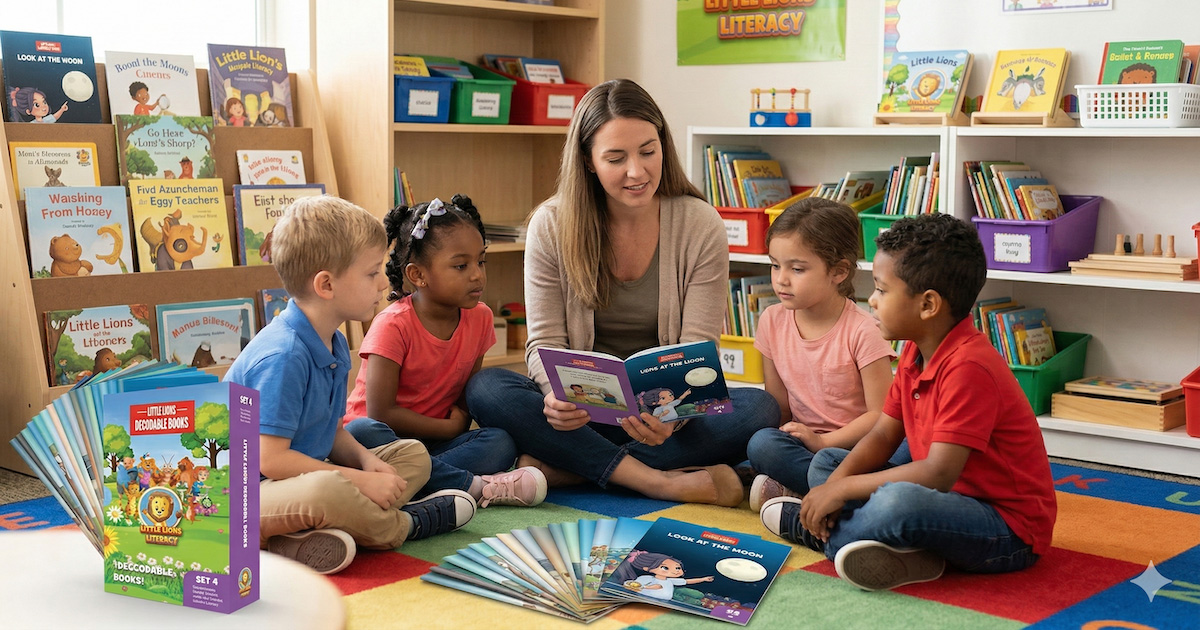
Step into a Balanced Literacy classroom, and you’ll likely see bins of books organized by reading level, from A to Z. These are called leveled readers. During guided reading, a teacher works with a small group of students who are all at the same level. If a child stumbles on a word, the teacher might say, “Check the picture for a clue,” or “What word would make sense there?” This reinforces the three-cueing strategy. While the classroom may feel vibrant and full of books, there is often a lack of the direct, explicit, and systematic phonics instruction that research shows is essential for teaching the brain to read.
If you’ve been following conversations about education, you’ve probably heard the term “Science of Reading.” It sounds a bit intimidating, but the idea behind it is actually pretty straightforward. The Science of Reading isn’t a specific curriculum, a new trend, or a single program. Instead, it’s a massive collection of research from the last several decades, pulled from fields like neuroscience, psychology, and education. All this research points to one thing: a clear understanding of how our brains learn to read.
Think of it as a blueprint for reading instruction. It shows us the most effective ways to teach kids how to decode words and make sense of text. This body of evidence helps us move past guesswork and old habits, giving us a clear, research-backed path to help every child become a successful reader. It’s all about using what we know works to build a strong foundation for literacy from the very beginning.
The Science of Reading is built on decades of scientific studies that explore exactly how the brain learns to read. Researchers have found that our brains aren’t naturally wired for reading in the same way they are for speaking. Instead, we have to build new pathways in the brain to connect sounds with letters. This research highlights the skills every child needs to develop to become a proficient reader. It emphasizes the importance of explicit instruction in phonemic awareness (the sounds in words), systematic phonics (the letters that represent those sounds), fluency, vocabulary, and comprehension. It’s not just a theory; it’s a solid consensus based on extensive evidence.
So, if the Science of Reading is the research, how do we apply it in the classroom or at home? That’s where Structured Literacy comes in. Structured Literacy is the instructional approach that puts the science into action. It’s a way of teaching that is systematic, explicit, and cumulative. “Systematic” means skills are taught in a logical order, starting with the simplest concepts and building from there. “Explicit” means teachers directly and clearly explain each concept to students, leaving no room for guessing. This method breaks reading down into its smallest parts, like sounds and letters, and teaches children how to put them together to read words, ensuring they build a solid foundation step by step.
To make things even clearer, the research behind the Science of Reading is often organized into five key areas, sometimes called the “five pillars.” For a child to become a skilled reader, instruction needs to cover all of these bases. These five essential components are:
A strong reading program addresses all five of these pillars together to help children become confident, proficient readers.
While both Balanced Literacy and the Science of Reading aim to create lifelong readers, their methods are fundamentally different. Think of it like two chefs baking a cake: one follows a precise, step-by-step recipe, while the other adds ingredients based on feel. The results can vary greatly. Understanding these differences is key to figuring out which approach will best support your child. Let’s break down the key distinctions in how they handle phonics, teach children to read words, and build comprehension.
The biggest difference lies in how they teach phonics, the relationship between letters and sounds. The Science of Reading uses a Structured Literacy approach, teaching reading in a direct, step-by-step way. Think of it like building with LEGOs; you learn each skill in a specific order to build a strong foundation. Balanced Literacy treats phonics more flexibly, and instruction isn’t always as systematic. The Science of Reading is research-based, drawing on studies about how the brain learns to read. It emphasizes that a clear, sequential phonics plan is essential for all children.

When a child meets a word they don’t know, what should they do? This is where the two approaches really diverge. The Science of Reading teaches students to decode, or sound out, unfamiliar words using their phonics skills. It’s a reliable strategy for any new word. In contrast, Balanced Literacy often encourages using the three-cueing system. This prompts kids to guess a word by looking at pictures or thinking about what makes sense in the sentence. While these feel like helpful clues, research shows that relying on guessing can prevent children from developing strong decoding skills.
Ultimately, reading is about understanding the text. The Science of Reading explains that strong comprehension is built on two things: decoding the words and understanding the language. It uses frameworks like Scarborough’s Reading Rope to offer a visual explanation of how many skills must be woven together to create a skilled reader. Balanced Literacy also focuses on comprehension, but its methods can be less direct, sometimes leaving gaps in a child’s learning. By building strong foundational skills first, the Science of Reading ensures children have the tools they need to focus on what the text means.
When it comes to teaching our kids to read, we all want to use methods that give them the best chance at success. This isn’t about picking a side in a debate; it’s about looking at the evidence and seeing what truly works. Decades of research have given us a clear picture of how the brain learns to read, and the results point strongly in one direction.
The Science of Reading isn’t a single program but a vast body of research from fields like neuroscience, education, and psychology. This research shows that learning to read is not as natural as learning to speak. It’s a complex process that requires explicit, systematic instruction. When we compare the outcomes of different teaching philosophies, the data reveals a significant gap in student success rates, especially for children who find reading challenging. Let’s look at what some of the most important studies have found.
One of the most influential reports on reading instruction came from the National Reading Panel in 2000. After reviewing thousands of studies, the panel identified five essential components for effective reading instruction. These are often called the “five pillars” of reading: phonemic awareness (hearing individual sounds in words), phonics (connecting sounds to letters), fluency (reading smoothly and accurately), vocabulary, and comprehension (understanding what you read). These pillars form the foundation of a Structured Literacy approach, showing that a comprehensive, skills-based method is critical for building strong readers.
The numbers are pretty telling when you compare Structured Literacy with other approaches. Research shows that with a Structured Literacy approach, about 95% of students can learn to read successfully. Without it, only about a third of students learn to read with ease. The rest need much more direct and intensive support. We can see this play out in the real world, too. After Mississippi implemented teaching methods based on the Science of Reading, an incredible 97% of its school districts saw reading scores improve for their third graders, showing the powerful impact this shift can have.
For children who struggle with reading, including those with or at risk for dyslexia, the right approach is non-negotiable. Research consistently shows that these students benefit most from explicit, multisensory language instruction. This means teaching them to connect sounds with letters using sight, sound, and touch. In contrast, the balanced literacy model has been criticized for teaching guessing strategies, like the three-cueing system, where kids are encouraged to use pictures or context to figure out a word. This can create harmful habits for struggling readers, who need to learn how to decode words, not guess them.

You may have heard about a big shift happening in classrooms, with many schools moving away from balanced literacy and toward an approach called the Science of Reading. This change isn’t happening on a whim. It’s a response to decades of research into how children actually learn to read. Schools are making this move because the evidence points to a more effective and equitable way to build strong, confident readers from the very beginning. It’s about trading instructional guesswork for proven methods that work for nearly all students.
For years, balanced literacy has relied on a method called the three-cueing system. This approach encourages kids to guess words they don’t know by using clues, like looking at the pictures, thinking about the story’s context, or using the first letter of the word. While this might seem helpful at first, it can create a habit of guessing instead of reading. As children move on to books with fewer pictures and more complex sentences, this strategy starts to fail. Instead of teaching them to decode the words on the page, it teaches them to look everywhere else for answers, which can hinder their ability to become fluent, independent readers.
The Science of Reading isn’t a curriculum or a single program. Instead, it’s a vast collection of studies from cognitive science, linguistics, and education that explains how our brains learn to read. This research gives us a clear map of what all children need for effective literacy instruction. It emphasizes explicit, systematic instruction in foundational skills, especially phonics. When schools adopt this evidence-based approach, they commit to using teaching methods that have been proven to work. This requires a coordinated effort to ensure every teacher is equipped with the right knowledge and tools to put the science into practice consistently.
Perhaps the most compelling reason for the shift is equity. Research shows that while some children seem to learn to read naturally, many do not. Methods based on the Science of Reading, like Structured Literacy, have been shown to teach about 95% of children to read successfully. In contrast, approaches that rely on guessing and context clues often leave many students behind. By adopting evidence-based practices, schools can dramatically reduce the number of struggling readers. This shift is about helping every student thrive and ensuring that all children have the opportunity to build the literacy skills they need for lifelong success.
When you hear that your child’s school is changing how they teach reading, it can feel overwhelming. You want to do what’s best, but the new methods and terminology can be confusing. Many parents find themselves in this exact position, trying to understand the changes and figure out how to support their little reader. Let’s walk through some of the most common hurdles and how you can handle them with confidence.
One of the biggest challenges is simply decoding the language educators use. You might hear terms like ‘Balanced Literacy’ and ‘Science of Reading‘ without much explanation, leaving you to piece things together. It’s completely normal to feel lost in a sea of jargon. Taking a moment to understand what these terms mean is a powerful first step. Getting familiar with the core ideas behind the Science of Reading can help you feel more prepared to talk with your child’s teacher and make informed decisions about their learning journey at home.
Once you have a better grasp of the concepts, you can become your child’s best advocate. This isn’t about being confrontational; it’s about starting a conversation. You can ask your child’s teacher specific questions like, “How is phonics taught in the classroom?” or “Does the curriculum use the three-cueing system?” Parents across the country are urging schools to adopt practices backed by research. By asking thoughtful questions, you’re partnering with the school to ensure your child receives effective instruction that will help them become a strong, confident reader.
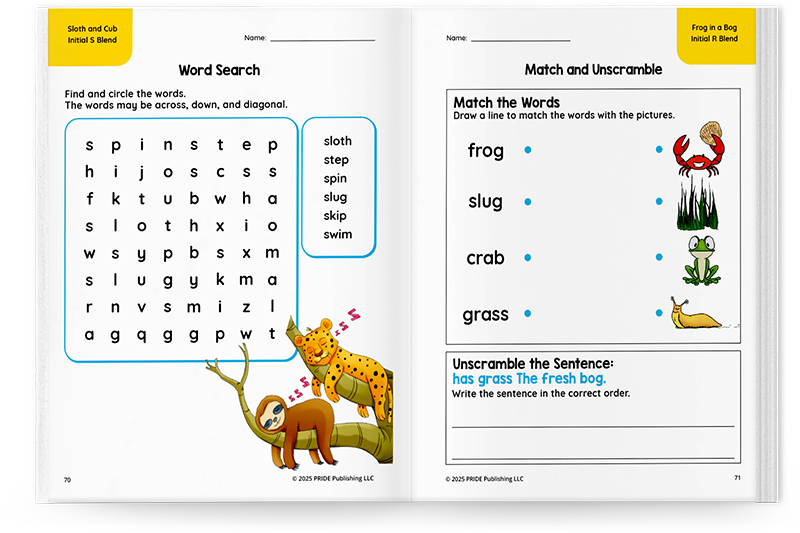
If your school is moving away from Balanced Literacy, the adjustment can be tricky. Your child might be used to guessing words from pictures, and shifting to sounding them out takes practice. You can make this transition smoother at home by focusing on activities that build phonics skills. Reading decodable books together is a fantastic way to do this, as they let children practice specific letter-sound patterns they’ve learned. By keeping reading time fun and focusing on the sounds within words, you’ll reinforce what they’re learning in school and build a solid foundation for their reading success.
When you hear about big shifts in education, it’s easy to feel like you’re on the sidelines. But when it comes to your child’s reading journey, the support you provide at home is a game-changer. You don’t need a teaching degree or a classroom full of supplies to make a real difference. Aligning your home activities with the Science of Reading can reinforce what your child is learning in school and build their confidence as a reader. It’s all about being intentional with the books you choose, the games you play, and the routines you create together.
By focusing on a few key areas, you can create a literacy-rich environment that sets your child up for success. Think of it as building a bridge between school and home, where skills are practiced in a warm, low-pressure way. The goal isn’t to replicate the classroom but to extend the learning through connection and fun. Let’s walk through three simple, yet powerful, ways you can support your child’s reading development at home.
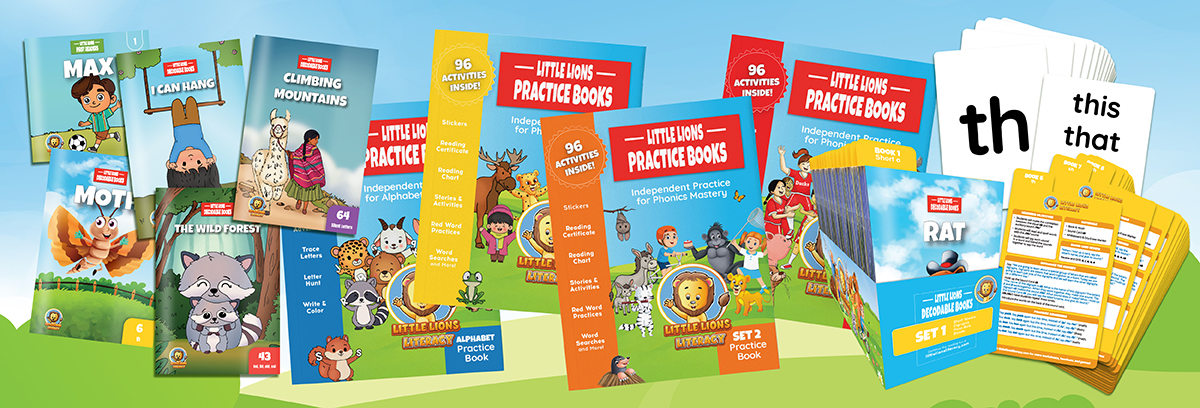
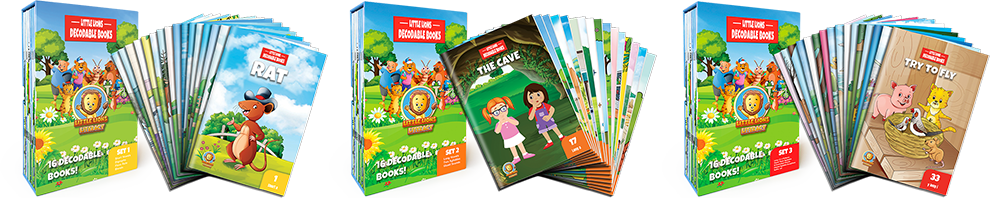
One of the most effective things you can do is to stock your home library with decodable books. Unlike other early readers that might encourage guessing based on pictures, decodable books are carefully crafted to include only the letter-sound patterns your child has already learned. This allows them to practice their decoding skills with text that is perfectly aligned with their phonics instruction. As the Colorado Department of Education notes, this helps students build both confidence and fluency. When children can successfully sound out the words on the page, they start to see themselves as real readers, which is incredibly motivating.
Phonemic awareness is the ability to hear and play with the individual sounds in spoken words, and it’s a critical skill for learning to read. The best part is that you can build these skills without any books at all. You can turn almost any moment into a fun learning opportunity. While driving, play a game of “I Spy” using sounds instead of colors (“I spy something that starts with the /m/ sound”). You can also practice rhyming by making up silly sentences or segmenting sounds by slowly stretching out words like c-a-t. According to ParentPowered®, engaging children in these kinds of activities sharpens their ability to decode words later on.
Consistency is your best friend when it comes to reading. Establishing a daily reading routine not only fosters a love for books but also gives your child a predictable time to practice and reinforce their skills. This doesn’t have to be a long, drawn-out session. Even 15 minutes of reading together each day can make a huge impact. Find a time that works for your family, like right before bed, and create a cozy space for it. This regular practice helps children develop fluency and comprehension, making them more confident readers over time. Creating a structured environment where reading is a priority can lead to significant improvements in your child’s literacy skills.
Shifting from Balanced Literacy to the Science of Reading is a significant change that requires more than just a new set of books. For this transition to truly work and benefit our kids, teachers need a strong support system. When schools invest in their educators, they are investing in every student’s success. This means providing the right training, the best resources, and clear ways to measure progress so that every teacher feels confident and prepared to help their students become strong, capable readers.
Effective professional development is the cornerstone of a successful switch to the Science of Reading. A one-off training day just won’t cut it. Teachers thrive with ongoing coaching and collaborative opportunities to learn and apply new strategies. This kind of sustained support helps them understand the research behind structured literacy, not just memorize a script. When educators have access to high-quality professional development and research-aligned tools, they can confidently implement practices that are proven to work. This empowers them to make informed instructional decisions and meet the diverse needs of the students in their classrooms.
Having the right materials makes all the difference. A smooth transition to the Science of Reading depends on having high-quality, engaging resources that align with systematic phonics instruction. This includes a library of decodable books that allow children to practice the specific phonics skills they are learning, alongside multi-sensory tools and games that make learning fun. It’s also incredibly helpful to bring families into the fold. Since families are the first teachers in a child’s life, providing them with simple activities and decodable readers to use at home can significantly reinforce what’s being taught in the classroom and strengthen a child’s reading journey.
The Science of Reading framework allows teachers to be incredibly precise with their instruction, but they need the right tools to do it. Regular assessments are key to understanding exactly where each student is on their path to reading. These aren’t high-stakes tests; they are simple checks to see which skills a child has mastered and which ones need more practice. This data helps teachers tailor their lessons to individual or small group needs. For this to be most effective, a shared understanding and consistent approach across a school or district is essential. When everyone is using data to guide instruction, we can ensure that no student slips through the cracks.
Why is guessing words a bad habit for new readers? Guessing trains a child’s brain to look away from the actual letters on the page and search for clues elsewhere, like in the pictures. While this might seem to work for simple, predictable books, it’s not a reliable strategy for the long run. As texts become more complex, this habit can cause reading to break down. Skilled readers focus on the letters to decode words, and we want to help our kids build that strong, effective habit from day one.
Is the Science of Reading just about phonics? Phonics is a critical and non-negotiable part of the equation, but it’s not the whole story. The Science of Reading is a comprehensive approach that also emphasizes building vocabulary, fluency, and deep comprehension. It simply recognizes that children can’t understand a text if they can’t accurately read the words first. Strong, systematic phonics instruction provides the foundation needed for all the other reading skills to grow.
How can I tell which approach my child’s school uses? Listen to the prompts your child receives when they get stuck on a word. If the advice is to “look at the picture” or “think about what word would make sense,” that’s a sign of the three-cueing system used in Balanced Literacy. An approach aligned with the Science of Reading will consistently guide your child back to the letters, encouraging them to sound out the word part by part.
My child is used to guessing. How can I help them switch to sounding out words? It takes a little time to build a new habit, so be patient and encouraging. When you’re reading together and they get stuck, gently guide their focus back to the word itself. You can even cover the picture with your hand for a moment. Reading decodable books together is the best way to support this shift, as these books are specifically designed to let kids practice their sounding-out skills and build confidence.
My older child learned to read just fine with Balanced Literacy. Why is this change necessary? Some children seem to learn to read easily, almost regardless of the teaching method. However, extensive research shows that many kids need explicit, systematic instruction to build the brain connections required for reading. The shift toward the Science of Reading is about equity. It’s about choosing an approach that has been proven to teach nearly all children to read successfully, so we can close reading gaps and ensure every child gets the strong start they deserve.