For a young child, learning should feel like play. The best learning happens when they are so engaged in an activity that they don’t even realize they’re mastering a new skill. This is the magic of a great alphabet book. It takes the rote memorization of the ABCs and transforms it into a delightful adventure of discovery. The best alphabet books for preschoolers use captivating illustrations and clever themes to spark curiosity and conversation. They invite your child to explore letters and sounds in a way that feels fun and exciting, creating positive associations with reading that will last a lifetime.
You’ll find an alphabet book on just about every preschooler’s shelf, and for good reason. They are so much more than a simple way to learn the ABCs. These books are a powerhouse tool for building the essential skills your child needs to become a confident, successful reader. From recognizing letters and understanding their sounds to growing their vocabulary, a good alphabet book lays the groundwork for literacy.
It transforms the abstract concept of letters into something tangible and exciting, inviting your little one to explore the world of language one page at a time. Think of it as the first, most important step on their reading journey, preparing them for the adventure ahead.
Before kids can read words, they need to recognize the letters that form them. Alphabet books are a fantastic, low-pressure way to introduce the 26 letters and their shapes. Unlike flashcards, which can feel like a quiz, alphabet books present letters in a rich, meaningful context. Seeing the letter “B” next to a bright illustration of a ball or a bear helps your child form a strong connection between the letter’s shape, its name, and its sound. This visual association makes learning stick. These books offer a much more fun and engaging way for children to learn the alphabet and see how letters are used in the real world.
Phonemic awareness is a critical pre-reading skill that involves hearing and identifying the individual sounds in spoken words. Alphabet books are perfect for developing this skill. As you read, “A is for apple,” you can emphasize the short /a/ sound at the beginning of the word. The rhymes and patterns often found in these books also train your child’s ear to notice sounds. Beyond the letters themselves, alphabet books teach kids the basics of how to use a book—how to hold it, turn the pages, and follow the text from left to right. They introduce foundational concepts of print and story that prepare them for more complex reading later on.
Every page of an alphabet book is an opportunity to introduce new words and ideas. From “alligator” to “zeppelin,” these books are packed with vocabulary that can spark curiosity and conversation. When you read together, you can talk about the pictures, ask questions, and connect the words in the book to your child’s own experiences. (“We saw a duck at the park, just like this one!”) This back-and-forth interaction is one of the best ways to support your child’s language development. Creative alphabet books make learning the building blocks of language a beautiful and original experience, expanding their world one letter at a time.
Ultimately, all these skills—letter recognition, phonemic awareness, and vocabulary—come together to create a solid foundation for reading. Mastering the alphabet gives children the confidence and the tools they need to start sounding out words. While most alphabet books are designed for toddlers and preschoolers, the right book can be a valuable resource for older kids who might need a little extra practice. By making letter learning a positive and enjoyable experience, you set your child up for a lifelong love of reading. It’s the first big step toward unlocking the magic of books and becoming an independent reader.
Walking down the children’s aisle at a bookstore can feel a little overwhelming. With countless alphabet books to choose from, how do you know which one will actually click with your child? The truth is, a great alphabet book does more than just teach the ABCs—it sparks curiosity, invites conversation, and makes learning feel like play. Finding the right one is about looking past the cover and considering a few key elements that can make all the difference in your child’s early reading journey.
When you’re picking out a book, think about your child’s specific age and developmental stage. You’ll also want to find one with captivating illustrations that draw them in and make them want to turn the page. Since this book will likely get a lot of love, durability is a must. Look for sturdy board books that can handle enthusiastic little hands. It’s also wonderful to find books that offer diverse representation, showing different people, places, and ideas. Finally, pay close attention to the text itself. Clear, simple fonts are essential for helping your child recognize letter shapes without any confusion. By keeping these points in mind, you can find a book that will become a treasured favorite.
Most alphabet books are designed for toddlers and preschoolers, but it’s important to find one that meets your child right where they are. For a two-year-old, a simple book with one clear object per letter (A is for Apple) is perfect. For a four-year-old, you might look for a book with a bit more of a story or a theme that matches their interests, like dinosaurs or space. If you have an older child who is still solidifying their letter knowledge, look for alphabet books with more sophisticated themes or humor that will appeal to them without feeling babyish. The goal is to find a book that feels engaging and supportive, not overwhelming or boring.
The illustrations in an alphabet book are just as important as the letters. They should be clear, vibrant, and directly related to the word on the page. The best alphabet books use pictures to tell a story, creating a world your child can get lost in. Some even include clever details, like hidden objects starting with the same letter, which turns reading into a fun treasure hunt. Interactive elements like lift-the-flaps, textured patches, or cut-outs can also make the learning experience more hands-on and memorable. These creative alphabet books transform a simple lesson into a delightful and original experience.
Let’s be honest: toddlers are not always gentle with their belongings. A beloved book will be read, dropped, chewed on, and carried around everywhere. That’s why durability is so important. For the youngest readers, board books are the gold standard. Their thick, sturdy pages are easy for little hands to turn and can withstand repeated use. When you’re choosing a book, check for a strong binding and quality construction. A well-made book is an investment that can be passed down and enjoyed for years, holding up through countless story times and reading adventures.
Alphabet books are a child’s first introduction to the building blocks of language, and they can also be a wonderful window to the world. Look for books that showcase a wide range of experiences, cultures, and people. While “A is for Apple” is a classic, an alphabet book with a unique theme—like community helpers, different countries, or STEM concepts—can introduce your child to new vocabulary and ideas. Seeing characters and settings that reflect the beautiful diversity of our world helps children develop empathy and a broader perspective. It also ensures every child has the chance to see themselves reflected in the pages of a book.
When a child is just learning to recognize letters, clarity is key. The font in an alphabet book should be simple, bold, and easy to read. Avoid overly stylized, “wiggly,” or cursive-like fonts that can make it difficult for a child to identify the correct letter shape. It’s also incredibly helpful when a book displays both the uppercase and lowercase forms of each letter, as children will need to learn to recognize both. The focus should always be on making the letters as clear and distinct as possible, creating a strong and accurate foundation for the reading skills that will follow.
Choosing an alphabet book that aligns with your child’s interests is a fantastic way to get them excited about learning their letters. When a child sees their passions—whether it’s animals, outer space, or building blocks—reflected in a book, they’re much more likely to engage with it. Themed alphabet books turn a simple lesson into an adventure, making the process of learning letters and sounds feel like play. Here are some of our favorite alphabet books, categorized by theme to help you find the perfect match for your little learner.
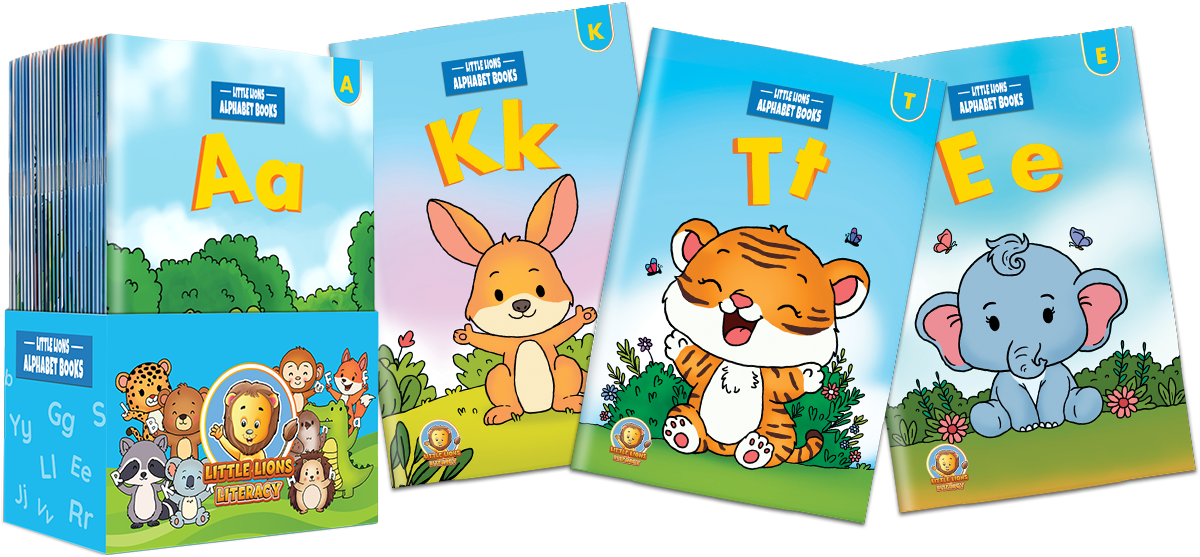
If your goal is to build a strong foundation for reading, a phonics-first alphabet book is the way to go. These books go beyond simply naming letters; they explicitly connect each letter to its most common sound. This is a critical first step in learning to read. Our ABC Adventure Series was designed specifically for this purpose. Each book introduces letters and sounds in a simple, clear way that prepares children for decoding words. They also teach essential book-handling skills, like how to turn pages and follow text from left to right, all while introducing the beautiful building blocks of language.
For kids who need to touch, move, and feel to learn, interactive books are a game-changer. Think lift-the-flap, touch-and-feel textures, or even alphabet puzzle books. These elements transform reading into a multi-sensory experience that helps cement letter shapes and sounds in a child’s memory. An interactive format invites children to participate in the story, making them active learners rather than passive listeners. Creative alphabet books can make learning an original and memorable experience, and adding a hands-on component is a brilliant way to keep young children engaged.
Do you have a little explorer who is always asking “why?” Nurture that curiosity with an alphabet book centered on STEM (science, technology, engineering, and math). These books use the alphabet as a framework to introduce fascinating concepts, from astronauts and botany to circuits and dinosaurs. A STEM-themed alphabet book not only teaches letters but also introduces new vocabulary and foundational ideas in a way that’s accessible to preschoolers. It’s a wonderful way to show your child that learning is all about discovery and that the world is full of amazing things to explore.
It’s no secret that most kids love animals. Tapping into this natural interest is a surefire way to make learning the alphabet fun. Animal-themed alphabet books help children connect letter sounds to a whole menagerie of creatures, from alligators to zebras. This approach reinforces phonemic awareness by linking abstract sounds to concrete, and often beloved, animals. Whether the illustrations are realistic or whimsical, these books capture a child’s imagination and can spark an early appreciation for the natural world while they master their ABCs.
Alphabet books are a beautiful window to the wider world. Cultural stories that use the ABC format can introduce your child to different traditions, foods, places, and people. These books help build empathy and a global perspective from a very young age. Look for books that celebrate your own heritage or introduce your child to a culture completely new to them. There is a wide range of multicultural alphabet books available, offering a rich and meaningful way to learn the alphabet while celebrating the diversity of our world.
Walking into a bookstore or browsing online can feel overwhelming with endless options. How do you pick the one alphabet book your child will actually love and learn from? The secret isn’t finding a single “best” book, but finding the right book for your child. Think of yourself as a matchmaker, connecting your little one with a book that speaks their language. When a child feels seen and excited by a book’s topic and style, the learning happens almost by itself.
To find that perfect match, you can focus on a few key areas: your child’s unique personality, their current developmental stage, the physical design of the book, and what you hope to achieve during your reading time together. Considering these elements will help you choose books that not only teach the ABCs but also build a positive, lasting relationship with reading. It’s about turning letter learning from a task into a treat.
If your preschooler is obsessed with dinosaurs, an alphabet book about dinosaurs will be a much bigger hit than one about fruit. It’s that simple. When you tap into what already fascinates them, you show them that books are a source of joy and discovery, not just a lesson. Think about it: alphabet books are a far more engaging way for children to learn their letters than drilling with flashcards. They can make learning the building blocks of language a beautiful and original experience. So, pay attention to what they play with, talk about, and point to—that’s your guide to finding a book they won’t want to put down.
Every child learns at their own pace, and that’s perfectly okay. While most alphabet books are designed for kids between two and four, readiness for letters varies. Pushing a child who isn’t interested yet can create frustration for both of you. Instead, look for signs of interest. Are they pointing out letters on signs? Are they curious about the words in other books you read? If they’re not quite there, you can choose simpler books that focus on just a few letters or have more interactive, sensory elements. The goal is to meet them where they are and gently guide them forward, ensuring they feel successful and confident every step of the way.
The way a book looks and feels matters, especially for little learners. Look for books with simple, clear fonts. Some stylized or “wiggly” fonts that look like cursive can be confusing for young children who are just learning to recognize letter shapes. You want to make it as easy as possible for them to succeed. Also, think about durability. Chunky board books are perfect for toddlers who are still mastering how to turn pages (and might be tempted to chew on the corners). The size and weight of the book matter, too. A book that’s easy for small hands to hold and explore on their own encourages independence and a hands-on love of reading.
While all alphabet books teach letters, they don’t all have the same focus. Before you choose, think about what you want to accomplish. Are you simply introducing the alphabet for the first time? Or is your child ready to learn the sounds each letter makes? Some books are designed to build vocabulary, while others might focus on phonics. These books also teach kids essential book handling skills, like how to hold them, turn pages, and understand the difference between pictures and words. Choosing a book that aligns with your child’s next step will make your reading time more effective and meaningful.
Having a great alphabet book is the first step, but how you share it with your child makes all the difference. Turning reading time into a fun, interactive experience helps solidify their understanding of letters and sounds. It’s not about quizzing them or pushing them to memorize; it’s about exploring the book together and making natural connections.
These simple strategies can help you make every story session a meaningful learning opportunity. By focusing on connection and discovery, you can nurture a genuine love for reading that will support them for years to come.
Think of alphabet books as a playful alternative to flashcards. They give letters context and meaning, which is far more engaging for a young mind. As you read, trace the letters with your finger and say their names and sounds out loud. For example, when you get to “B,” say “B makes the /b/ sound, like in ball.” This simple act helps your child connect the shape of the letter to its sound. You can also ask open-ended questions like, “What else do you see on this page?” or “What sound does that animal make?” This turns passive listening into an active, engaging conversation and builds crucial phonemic awareness skills.
The magic of learning happens when children see how letters and words connect to their own world. After reading, you can go on a “letter hunt” around your house or neighborhood, looking for the letters you just learned about. If you read about the letter “A,” you could find an apple in the kitchen. Choosing books with rich illustrations or interactive elements makes this even easier. A great book invites you to linger on the pages, find hidden details, and spark conversations that go far beyond the text. These hands-on activities show your child that reading is a tool for exploring their environment.
Consistency is key to building a lasting reading habit. Find a time of day that works for your family—whether it’s snuggled up before bed or right after breakfast—and make it your special reading time. The goal is to make reading a calm, enjoyable part of your day that your child looks forward to. You don’t need to read for hours; even 10-15 minutes of focused time together can have a huge impact. By creating a predictable and positive reading routine, you help your child associate books with comfort and connection, which is the foundation for a lifelong love of reading.
Every child learns at their own pace, and that’s perfectly okay. Some kids might be fascinated by letters at age two, while others might not show interest until they’re four. If your child isn’t engaged, don’t force it. Simply put the book away and try again another day. The most important thing is to keep the experience positive. Celebrate the small victories along the way—when they point out a letter they know on a street sign or correctly identify the first sound in their name. This gentle encouragement builds their confidence and shows them that learning is an exciting adventure, not a high-pressure test.
Creating your child’s first library is a special milestone. It’s not about having hundreds of books right away, but about curating a small, thoughtful collection that grows with them. A home library makes reading a natural part of daily life and shows your child that books are a source of joy and discovery. By starting with a few key books and creating a special place to read them, you’re laying the groundwork for a lifelong love of stories and learning.

Every child’s first library needs a great alphabet book. While flashcards can feel like a chore, a beautifully illustrated ABC book turns letter learning into an adventure. Look for books with engaging pictures and clear text that help your child connect letters to sounds and words. Classics like Chicka Chicka Boom Boom are popular for a reason, but also consider books that tell a story through their illustrations. The goal is to find a book that you both enjoy reading together. Our Little Lions ABC Adventure Series is designed to do just that, with vibrant stories that build a strong phonics foundation from the very first page.
You don’t need a dedicated room to create a magical reading space. A cozy corner in a playroom or bedroom works perfectly. The key is to make it comfortable and inviting. Add a soft rug, a few comfy pillows, or a small beanbag chair. Install a low shelf or a few book bins so your child can easily see and reach for their books themselves. This sense of ownership makes reading feel like a special activity they get to choose. When their books are always accessible in a welcoming spot, they’re more likely to pick one up and explore on their own.
Have you ever noticed how a toy that’s been hidden for a few weeks suddenly becomes brand new again? The same principle applies to books. To keep your child’s interest high, try rotating the books on their shelf every few weeks. Keep a small selection of 5-10 books out at a time and store the rest away. This simple trick prevents them from getting overwhelmed by too many choices and makes old favorites feel exciting again. A regular rotation keeps their library feeling fresh and encourages them to engage more deeply with the stories available.
Building a library doesn’t have to be expensive. Your local library is an amazing free resource for discovering new authors and stories. Used bookstores and thrift shops are also treasure troves for finding gently loved books at a great price. When you’re ready to buy new, look for online stores that specialize in children’s literacy. At Little Lions Literacy, we offer a curated collection of decodable books and classroom sets designed to support early readers. We also run promotions to help make our books more accessible for families and educators.
A beautiful home library can be built on any budget. Beyond libraries and second-hand shops, keep an eye out for sales at your favorite bookstores. Many online retailers, including our own, offer discounts and free shipping promotions throughout the year. Signing up for newsletters is a great way to get notified about these deals. You can also organize a book swap with friends or neighbors to refresh your collection for free. The most important thing is to fill your child’s shelves with stories that will inspire and excite them, no matter where the books come from.
When you connect learning to something a child is already excited about, magic happens. The alphabet isn’t just a set of abstract symbols anymore; it becomes a key to a world they already love. Choosing alphabet books with themes that resonate with your little one can make reading time feel less like a lesson and more like an adventure. From furry friends to fire trucks, tapping into their natural curiosity is one of the best ways to keep them engaged and eager to learn.
Most preschoolers are fascinated by animals and the natural world. This theme is a classic for a reason! Books centered on animals and nature tap into a child’s innate curiosity about other living creatures. An alphabet book can help kids understand the sounds letters make by pairing them with familiar animals, like “A is for alligator” or “B is for bear.” This connection makes abstract letter sounds more concrete and memorable. Exploring the great outdoors through the pages of a book introduces new vocabulary and concepts about the world around them, all while they practice their ABCs.
Connecting letters to a child’s own environment makes learning incredibly relevant. Alphabet books that feature people and places in the neighborhood help children see that letters are all around them—on street signs, in stores, and at the park. This theme grounds the learning process in their daily experiences, making it more meaningful. For example, a book might use “F is for firefighter” or “P is for post office.” This approach not only teaches letter recognition but also builds community awareness and helps children understand the world right outside their front door.
If you have a child who can spot a cement mixer from a mile away, this theme is for you. Cars, trains, planes, and boats are a huge source of excitement for many kids. The energy and movement associated with vehicles make for a captivating reading experience. You can find many themed alphabet books that use different modes of transport to teach the alphabet, turning letter learning into a thrilling journey. This theme is perfect for capturing the attention of active learners and channeling their enthusiasm for “things that go” into a foundational reading skill.
Who doesn’t love to talk about food? This theme is a delicious way to introduce the alphabet. Books like Eating the Alphabet by Lois Ehlert take children on a colorful tour from “A is for apple” to “Z is for zucchini.” This approach is fantastic for building vocabulary around healthy eating and introducing children to new fruits and vegetables in a fun, no-pressure way. Discussing different foods, their colors, and their tastes makes reading an interactive, multi-sensory experience that kids can easily connect with their own mealtime routines.
For the little creator in your life, books that celebrate art, music, and creativity can be a perfect fit. These themes encourage imagination and self-expression while teaching the alphabet. Some books might feature “I is for instrument” or “P is for paint,” while others take a more abstract approach. For instance, a book filled with detailed watercolor pictures can invite children to find all the items that start with a certain letter on a page. This not only reinforces letter recognition but also develops visual literacy and an appreciation for the arts.
Once you have a few great alphabet books, the real fun begins. Helping your child learn their letters isn’t about flashcards or formal lessons. It’s about weaving literacy into the fabric of your day in ways that feel like play. The goal is to spark curiosity and build positive connections with reading that will last a lifetime. Think of yourself as a guide, not a teacher. Your role is to create opportunities for discovery and celebrate their small wins along the way.
These simple strategies will help you turn everyday moments into powerful learning experiences. They focus on making letter learning a natural, joyful part of your child’s world, ensuring the knowledge sticks without any pressure or stress. By following your child’s lead and keeping things light, you’ll help them build a strong foundation for reading while strengthening your bond.
Young children learn best when they can see, hear, and touch. Moving beyond just looking at letters on a page helps their brains form stronger connections. Instead of drilling with flashcards, try tracing letters in a tray of sand or shaving cream. Use magnetic letters on the fridge to spell out simple words. An engaging alphabet book is a fantastic multi-sensory tool because it connects the shape of a letter with sounds and colorful images, making the abstract concept of an alphabet much more concrete and memorable.
Make letters relevant to your child’s world by connecting them to hands-on activities. Kids learn best through play, so look for ways to incorporate the alphabet into their favorite pastimes. You can write your child’s name on their artwork and say each letter aloud as you do. Go on a “letter hunt” around the house or neighborhood, looking for the letter ‘B’ on a book, a box, and a ball. Building letters with play-doh or blocks are other great ways to practice letter formation without it feeling like a lesson.
The key to helping your child learn is gentle, consistent exposure—not a single, perfect lesson. Don’t worry if your child isn’t interested one day. Young children learn at their own pace, and forcing it can create negative feelings around reading. Instead, aim for short, frequent, and fun interactions with letters. Maybe you read an alphabet book for five minutes before bed or sing the ABC song while you’re in the car. These small, positive moments add up over time and build a solid foundation without any pressure.
Pay attention to what your child is naturally drawn to. You are the expert on your child, so let their interests guide your approach. If they love animals, find books and activities centered around animal names. If they’re always on the move, try drawing giant letters with sidewalk chalk outside and having them run along the lines. When you follow your child’s lead, learning becomes their idea, which is far more powerful than anything we can push on them. This makes the process more enjoyable and effective for everyone.
There’s no magic number, so I always suggest following your child’s lead. You can start sharing simple, sturdy board books with them as toddlers to build familiarity. The real sweet spot is when you notice them showing curiosity—pointing to letters on signs or asking about the words in their favorite stories. The goal is to meet them where they are, keeping the experience light and fun rather than pushing them before they’re ready.
This is a great question, and the answer is both! However, connecting a letter to its sound is the skill that truly prepares a child for reading. A simple way to do this is to say, “This is the letter B. It makes the /b/ sound, like in ball.” Emphasizing the sound helps your child understand that letters are the building blocks for the words we speak, which is the core of phonics.
It happens to all of us! First, try rotating your books. Storing a few away for a couple of weeks can make them feel brand new when you bring them out again. You can also try connecting the book to a hands-on activity, like going on a “letter hunt” for things that start with ‘S’ after reading. If they’re still not engaged, it might just mean the theme of the book doesn’t match their current interests, and it’s time to find one that does.
Absolutely. Even after a child can sing the alphabet song and recognize all the letters, these books can help solidify their skills. You can use them to reinforce letter sounds or to build a richer vocabulary by exploring books with more complex themes, like science or art. They also offer a great opportunity to practice finding letters within words and illustrations, which is a wonderful pre-reading exercise.
That’s fantastic! Once your child has a strong grasp of letters and their primary sounds, they are ready to start putting them together to read words. This is the perfect time to introduce decodable books. These are special books that are written using only the letter-sound patterns your child has already learned, which allows them to read a whole story independently and build incredible confidence.