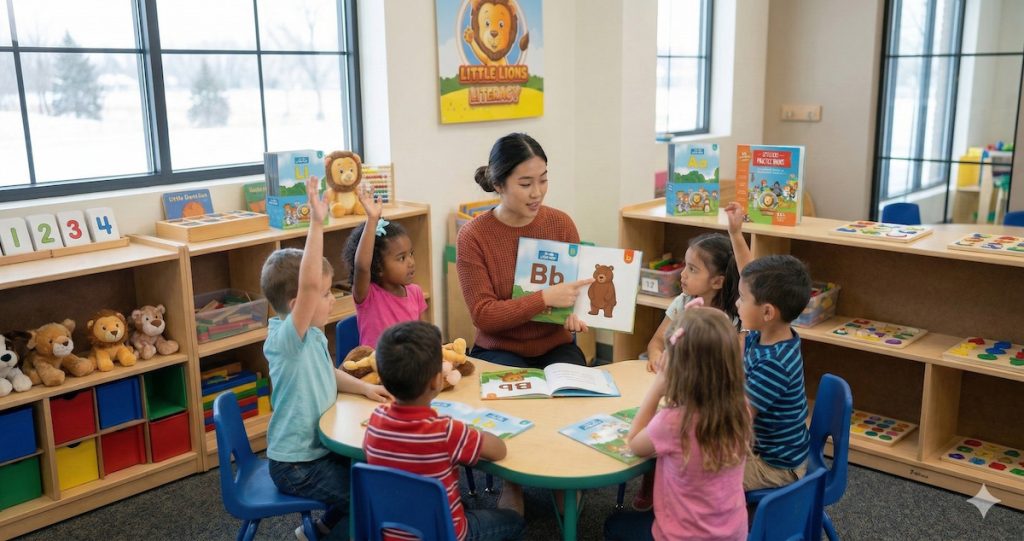
Learning the alphabet is the first “big” step in a child’s literacy journey. However, there is a significant difference between singing the “ABC Song” and developing letter-name fluency and phonemic awareness. For early readers, the goal isn’t just memorization; it’s about creating a bridge between a visual shape and a specific sound.
In this guide, we are diving deep into research-backed, multisensory alphabet activities for early readers. Whether you are a teacher looking for hands-on alphabet activities for kindergarten or a parent wanting to support your child at home, these strategies move beyond the worksheet to ensure every child masters the foundations of reading.
Multisensory Encoding: Use tactile methods like sand trays or playdough to link letter shapes with sounds through sight, sound, and touch.
Phoneme over Grapheme: Prioritize teaching letter sounds rather than just names to build the foundation for decoding.
High-Utility Sequencing: Introduce high-frequency letters (e.g., s, a, t, p, i, n) first to enable immediate word blending.
Play-Based Mapping: Integrate alphabet recognition into active play, such as scavenger hunts or matching games.
Developmental Normalization: Treat letter reversals (b/d) as age-appropriate until age 8, using tracing to reinforce orientation.
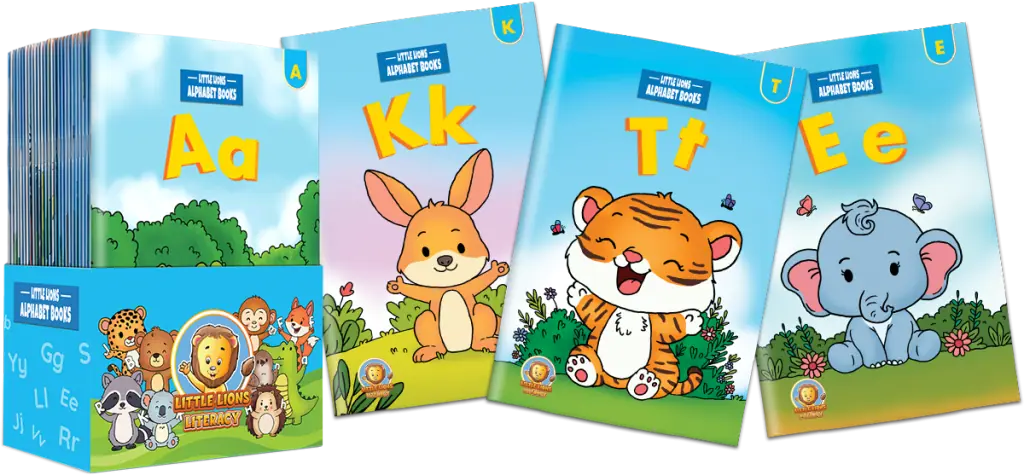
Structured Transition: Bridge the gap from tactile play to pencil-and-paper fluency using Little Lions Literacy curated alphabet and practice books.
Multisensory learning is the gold standard in structured literacy. By engaging more than one sense at a time—sight, sound, and touch—we help “lock” the letter into the child’s long-term memory. Research provided by the Florida Center for Reading Research (FCRR) indicates that engaging students in “multimodal” activities—where they see, hear, and touch the letter simultaneously—is a key component in developing the orthographic mapping skills necessary for fluent reading. Multisensory instruction benefits all early learners by strengthening neural pathways.
In a classroom setting, movement is your best friend. Kindergarteners learn best when they can manipulate objects and move their bodies. Here are some fun hands-on alphabet activities that feel like play but are actually learning.
The Alphabet Scavenger Hunt: Give your learner a specific letter card (e.g., the letter M). Their mission is to find three items in the room that start with that sound. They can find objects like map, marker, and mop.

Play is the “work” of childhood. When we integrate alphabet activities for early readers into their play, the pressure drops and the engagement skyrockets.
A common pitfall in early literacy is focusing exclusively on the letter names (A, B, C). However, to actually read, children need the sounds. This transition is supported by the Reading Rockets initiative, which emphasizes that letter-sound certainty is one of the strongest predictors of later reading success.
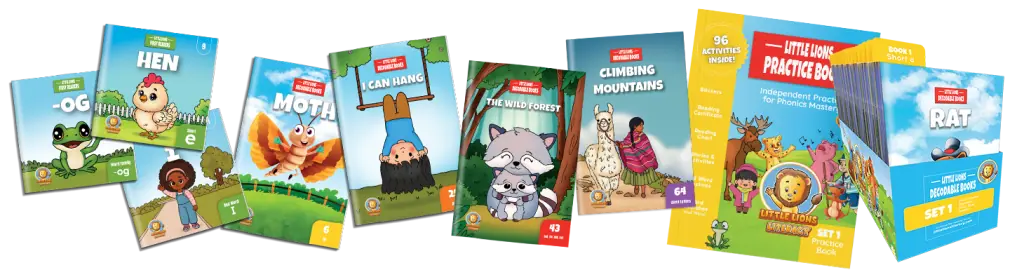
While hands-on activities are essential, pairing them with curated literature and structured practice ensures a well-rounded approach for alphabet activities for early readers.
Building a strong foundation doesn’t require hours of drills. By incorporating these alphabet activities for early readers into your daily routine, you are giving your child the tools they need to become a confident reader.
Ready to level up your literacy instruction? Check out our Alphabet Books for structured, easy-to-use lessons and alphabet activities for early readers!
While many start with A-Z, many literacy experts suggest teaching high-utility letters first (like s, a, t, p, i, n). This allows children to begin blending simple words like “sat” and “pin” almost immediately.
While expectations vary, most educators look for a child to recognize at least 10–15 uppercase letters. However, the ability to learn and their phonological awareness (hearing sounds in words) is often more important than rote memorization.
Letter reversals are very common and developmentally appropriate up until age 7 or 8. Using multisensory activities, like the sand trays mentioned above, can help reinforce the correct orientation
he most effective activities involve simultaneous engagement of multiple senses. Examples include sand or salt trays for tactile tracing, shaving cream writing for sensory feedback, and using playdough mats to build letter shapes. These “multimodal” methods are research-backed by the FCRR to help children develop the orthographic mapping skills necessary for reading fluency.
Teaching letter sounds (phonemes) is a stronger predictor of reading success because it allows children to begin blending words immediately. While letter names are useful for identification, the sounds (e.g., /m/ instead of “em”) are what children actually use to decode text. Using tools like Elkonin sound boxes helps students isolate these “clipped” sounds, facilitating a faster transition to independent reading.