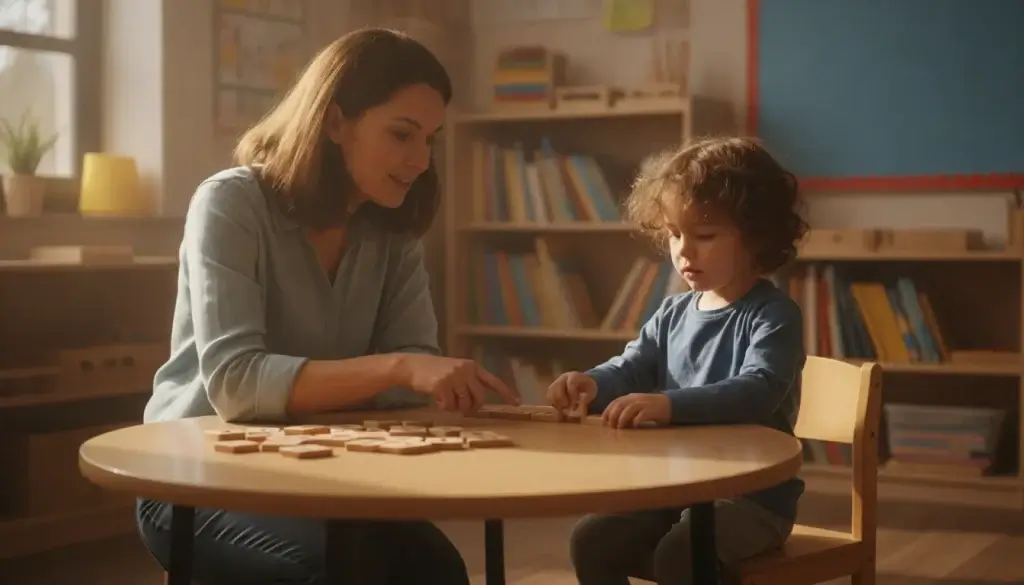
Short vowels give beginning readers an early, dependable bridge between spoken sounds and printed words. When children can hear the vowel in a word, connect it to its letter, and blend the sounds, they gain a practical path to decoding.
Shop decodable books for phonics practice
So, what is a short vowel? It is a vowel sound pronounced quickly and softly, rather than with the vowel’s long sound. In common CVC words, short a appears in cat, short e in pen, short i in sit, short o in hot, and short u in bug. Explicit instruction in these letter-sound relationships supports beginning reading and decoding, the process of translating print into speech. Massachusetts guidance on phonics and decoding explains why this connection matters.
Clear pronunciation support and brief, hands-on practice help children use this knowledge with confidence. The next step is to define the pattern precisely and see how it differs from a long vowel.
A short vowel is a vowel sound made with a quick, relaxed pronunciation. It does not say the letter’s name. In English, the five vowel letters are a, e, i, o, and u. Each letter can represent a short sound in a word.
For example, the a in cat is short, while the a in cake is long. The long vowel says its letter name. The short vowel does not. This difference helps readers connect printed letters to the sounds they hear in words.
Short and long describe common vowel patterns, not simply the amount of time a speaker holds a sound. A short vowel is generally quick and does not include the long vowel sound. Pronunciation can also vary slightly by accent. The goal is to teach the sound pattern clearly, then help children apply it while reading and spelling.
Short vowels appear in many early words, including simple consonant-vowel-consonant words. They give beginning readers an accessible way to practice blending sounds from left to right. A child can look at each letter, say the sound, combine the sounds, and check whether the result is a real word.
This process is called decoding. Decoding means translating a word from print to speech by using knowledge of sound-symbol relationships. The Massachusetts Department of Elementary and Secondary Education explains that phonics teaches these relationships and supports beginning reading: phonics and decoding guidance.
English is an alphabetic language. Letters, or groups of letters, represent the individual sounds in spoken words. Children therefore need direct practice linking a printed vowel to its sound. They also need practice hearing the vowel in a spoken word and identifying its matching letter.
Choose three short-vowel words your child has learned, such as map, bed, and sit. Ask the child to point to the vowel in each word. Then have the child say the vowel sound, blend the whole word, and explain which sound the vowel represents.
If the child guesses from the picture or says the letter name instead of the sound, return to the letter-sound connection. Model the first word, then let the child try another. Keep the check brief and repeat it during regular phonics practice.
The five short vowel sounds are the sounds represented by a, e, i, o, and u in many simple words. A short vowel is typically spoken quickly and does not say the letter’s name. These sounds help children begin decoding short, regular words.
The examples below are useful starting points for phonics instruction. Pronunciation cues are approximate. Vowel sounds can vary slightly by speaker, region, and accent, so the goal is consistent sound-symbol practice rather than forcing every speaker to sound identical.
| Vowel. | Sound cue. | Example. | Pronunciation note. |
|---|---|---|---|
| a. | /a/. | cat. | Open your mouth naturally for the vowel in cat. |
| e. | /e/. | pen. | Use the short sound heard in the middle of pen. |
| i. | /i/. | sit. | Keep the sound short, as in the middle of sit. |
| o. | /o/. | hot. | Say the short sound in hot; the exact vowel may vary by accent. |
| u. | /u/. | bug. | Use the short sound heard in the middle of bug. |
Each example follows a consonant-vowel-consonant pattern. The middle letter is the vowel, and its sound changes the word’s pronunciation. For example, changing the vowel in cat can create a different word, such as cot or cut. This contrast helps children attend to the vowel instead of guessing from the first letter.
When introducing one sound, say it clearly, connect it to its letter, and then blend it into a word. Avoid adding an extra sound after the consonants. After children can read the word, ask them to identify the middle vowel and repeat its sound.
For a helpful comparison, review these long vowel sounds after short vowels are secure. The contrast can clarify why a vowel’s sound does not always match its letter name.
CVC means consonant-vowel-consonant. In a word such as map, the middle vowel represents the short /a/ sound. The surrounding consonants usually make their most common sounds. This simple pattern gives beginning readers a clear way to connect print with speech.
Teach the word from left to right. Point to m and say /m/. Slide to a and say /a/. Then point to p and say /p/. Blend the sounds without stopping between them: /m/ /a/ /p/, map. The goal is decoding, not memorizing the word or guessing from a picture. Decoding translates a printed word into spoken language through sound-symbol knowledge, as the Massachusetts Department of Elementary and Secondary Education explains.
Word chains help children notice how letters control meaning. Begin with sat. Ask the child to change the middle sound from /a/ to /i/ and read sit. Next, change the first sound to make fit. Then change the final sound to make fin. Keep the routine sound-based: “Which sound changed? Which letter shows that sound?”
You can use a shorter chain with cat, cot, and cop. Say the new word after each single-letter change. If the child moves more than one letter, return to the previous word and model the change again. This keeps attention on the vowel and its place in the word.
After reading a word, ask the child to segment it. Say bug, stretch the word, and have the child push one counter for each sound: /b/ /u/ /g/. Then connect each sound to a letter and write the word. Reading moves from letters to sounds, while spelling moves from sounds to letters. Both activities strengthen the same sound-symbol connections.
If a child hesitates, prompt with “Look at the first letter,” or “Say each sound. Then blend.” Avoid “What do you see in the picture?” A picture can confirm meaning after decoding, but it should not replace reading the word. For more focused practice, use this CVC word guide without turning the lesson into a memorization exercise.
Decodable books give children a meaningful place to apply the short-vowel sound-spelling patterns they have already been taught. Instead of guessing from pictures or memorizing every word, a child looks at the letters, says the sounds, blends them, and checks the result against the sentence.
This controlled practice matters because decoding translates print into spoken language. It also connects phonics knowledge with meaning. The Massachusetts Department of Elementary and Secondary Education describes decoding as translating a word from print to speech through sound-symbol correspondences. Ohio State’s family literacy resource explains how decodable books support this kind of phonics application.
Beginning readers benefit when the text matches the sequence of instruction. After learning a short-vowel pattern, offer a brief book that gives repeated opportunities to read words containing that pattern. The child should first sound out unfamiliar words, then reread the sentence for meaning.
If a child reads cat incorrectly, point to each grapheme and ask, “What sound?” Then guide the child to blend the sounds together. Avoid supplying the word immediately. A prompt such as “Look at the vowel” keeps attention on the code while preserving the child’s opportunity to solve the word.
Struggling readers may need more supported practice, not easier access to guessing. Read a short passage together, prompt the child to decode one word at a time, and reread the same passage after corrections. Rereading builds accuracy and helps word recognition become more automatic.
Keep the focus narrow. If short vowels are the current target, select text that gives those patterns substantial practice without adding many untaught spelling patterns. Pair reading with quick oral blending, sound mapping, or writing one or two words from the passage. This supports remediation while keeping the task manageable.
Little Lions Literacy Showcase: Little Lions Set 1 provides systematic decodable practice that includes short vowels alongside other early phonics patterns. The First Readers collection offers another practical option for children building foundational reading skills. For a broader product-selection guide, explore these phonics-based decodable books.
Shop decodable books for short-vowel practice
A short vowel is a vowel sound that does not say the letter’s name. In words such as cat, pen, sit, hot, and bug, the vowel has a short sound. Readers usually learn these sounds through explicit letter-sound instruction and repeated practice.
In cat, the letter a represents the short a sound. Other useful examples include pen for short e, sit for short i, hot for short o, and bug for short u. These words follow the consonant-vowel-consonant pattern.
Start with one sound and connect it to its letter. Say the sound, show the letter, and have the child identify it in a simple word. Then build and read words with letter tiles. Ask the child to listen for the middle sound and explain which letter represents it.
The five short vowel sounds are short a as in cat, short e as in pen, and short i as in sit. Short o appears in hot, and short u appears in bug. Pronunciation can vary slightly by accent, so model one sound consistently during practice.
Children can read short-vowel books after they have been taught the letter-sound patterns used in the text. Decodable books let beginning readers apply those patterns while reading connected text. For a struggling reader, use shorter sessions, prompt sound-by-sound decoding, and reread familiar pages.
Consistent practice helps beginning readers connect short-vowel sounds to the words they decode. Choose texts that let children apply the phonics patterns they are learning, then revisit those patterns through rereading and discussion.