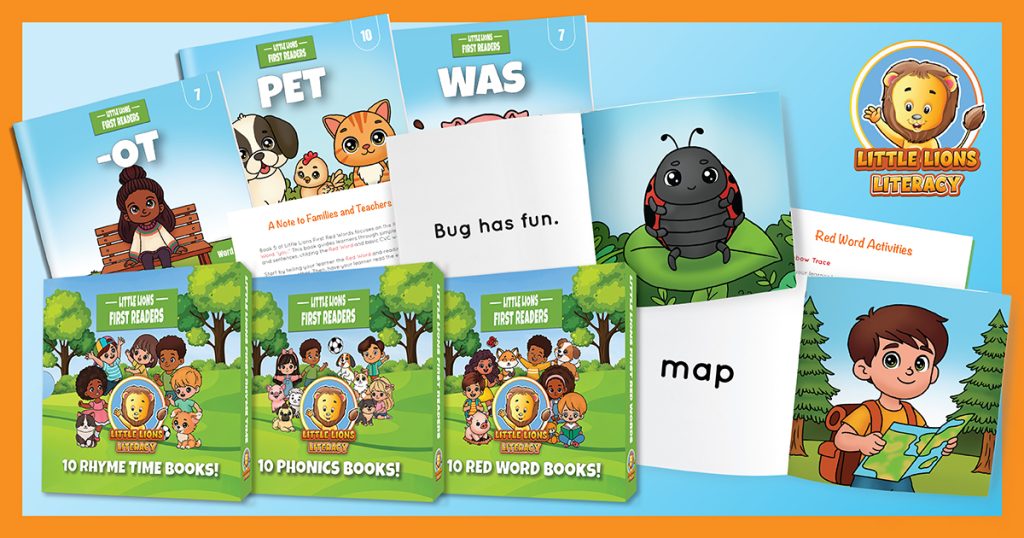
Think of learning to read like building with blocks. You can’t build a tall tower without first laying a solid, steady base. For a three-year-old, phonics is all about creating that strong foundation. It’s not a race to read chapter books; it’s about gently introducing the idea that letters make sounds and those sounds come together to form words. The right phonics books for 3 year olds make this process simple and rewarding. Each time your child successfully recognizes a letter or hears a rhyme, they are adding another block to their foundation, building the confidence they need for all the learning that comes next. This article will help you find the perfect foundational books for your little builder.
When you start looking for phonics books for your 3-year-old, you’ll quickly realize there are a lot of options out there. So, what separates a truly great phonics book from one that will just gather dust on the shelf? It’s not about flashy covers or complex stories. For this age, the magic lies in a careful balance of simplicity, fun, and foundational learning. A great book meets your child exactly where they are, making them feel successful and excited to turn the page.
The goal isn’t to have them reading chapter books by preschool. It’s about gently introducing the building blocks of reading in a way that feels like play. The right book will focus on just a few concepts at a time, using bright, clear illustrations to support the text. It will also use predictable patterns and simple, sound-it-out words that allow your child to make those crucial connections between letters and their sounds. Think of it as laying the first few bricks of a strong foundation. Each positive, fun-filled reading experience makes that foundation a little stronger, setting your child up for a lifelong love of reading.

For a 3-year-old, less is definitely more. Their brains are absorbing so much information, and the best phonics books respect that by keeping things simple and focused. Instead of trying to teach the entire alphabet at once, a great book will introduce just a few letter sounds at a time. Many effective programs start with short vowels and common consonants, using them to build simple, three-letter words.
This approach prevents overwhelm and gives your child a real sense of accomplishment. When they can successfully sound out a word like “cat” or “sun,” it builds the confidence they need to tackle the next one. The key is to find books that align with these early developmental milestones, ensuring the concepts are perfectly matched to their learning stage.
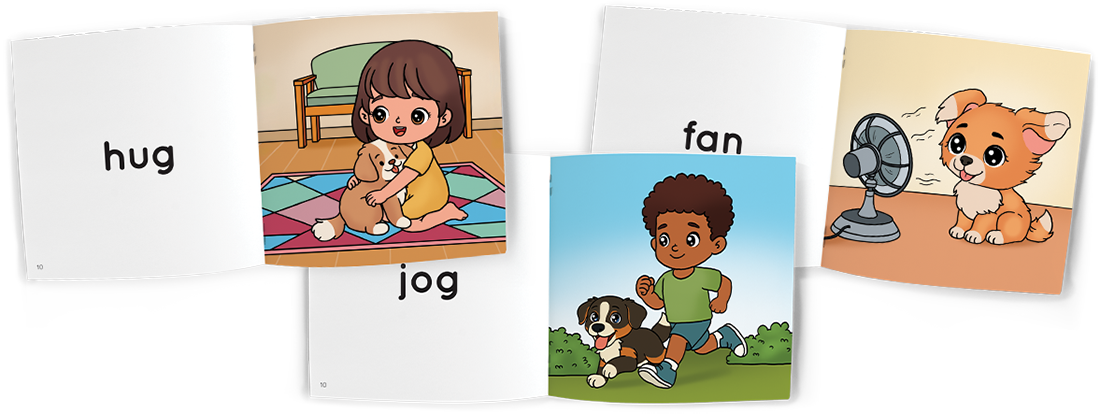
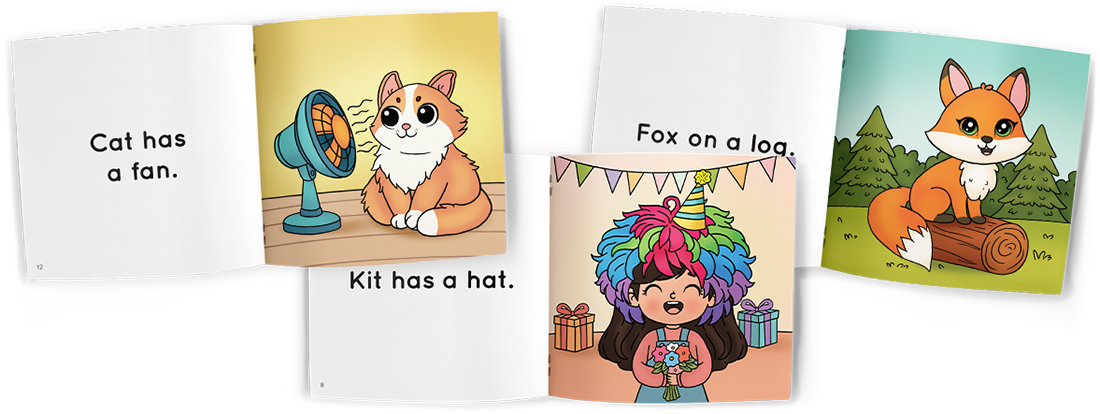
At age three, children are incredibly visual. A wall of text is intimidating, but a book filled with charming, simple pictures is an invitation to explore. The illustrations in a good phonics book do more than just decorate the page; they provide important clues that help your child understand the story and decode the words. Look for books where the pictures clearly match the text, as this connection reinforces vocabulary and comprehension.
The most important thing is that reading feels fun, not like a lesson. Fun stories and simple pictures keep kids interested and turn reading time into a special bonding experience. When a book makes your child laugh or gasp with excitement, you know you’ve found a winner. This positive association is what will keep them coming back for more.
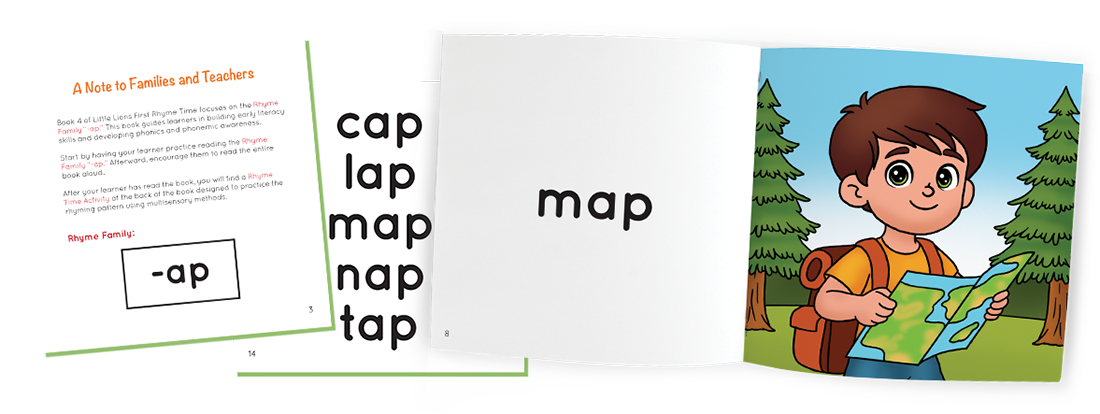
The heart of phonics is the relationship between letters and the sounds they make. A great phonics book for a 3-year-old makes this connection crystal clear. It uses decodable text, which means the words are made up of letter sounds your child has already learned. For example, if they’ve learned the sounds for s, a, t, and p, the book will use words like “sat,” “pat,” and “tap.”
This systematic approach is incredibly empowering. It builds reading skills slowly, one small step at a time, helping children feel confident. The sentences are short and simple, and the focus remains on words that can be easily sounded out. This method transforms reading from a guessing game into a solvable puzzle, giving your child the tools they need to succeed.
Three-year-olds thrive on routine and predictability, and the same is true for the books they read. Books that use repetitive phrases, rhyming words, or predictable patterns are fantastic tools for early literacy. Repetition helps cement new concepts in a child’s memory. When they hear the same sounds and phrases over and over, those neural pathways get stronger.
This predictability also allows them to participate in the reading process. After a few pages, they’ll be able to guess what’s coming next or even “read” a recurring line along with you. This is a huge confidence builder! Books with strong rhythms and repeating sounds help reinforce phonetic patterns and, most importantly, make the experience of learning to read truly enjoyable.
It’s a question I hear all the time from parents: “Should my 3-year-old be learning phonics?” The short answer is, it depends. While you probably don’t need to break out the flashcards and formal lessons just yet, this is the perfect age to start building a strong foundation for reading. The key is to keep it light, playful, and centered on your child’s natural curiosity.
Research aligned with the Science of Reading suggests that the ideal window to introduce phonics concepts is between the ages of three and six. During this time, children are naturally inquisitive and eager to learn about the world around them. By weaving foundational skills into everyday play, you can help them develop a positive relationship with reading that will last a lifetime. Instead of thinking of it as formal instruction, think of it as exploring sounds and letters together in a fun, pressure-free way.
Before you jump into phonics activities, it’s helpful to know if your child is showing signs of reading readiness. Every child develops on their own timeline, so the goal is to follow their lead. You’re not looking for mastery, just curiosity.
Some signs to watch for include:
If you see these behaviors, it’s a great signal that your child is ready to engage with pre-reading activities. If not, don’t worry. Just continue to provide a language-rich environment by reading to them, talking with them, and singing songs.
For a 3-year-old, the best preparation for phonics isn’t a phonics book; it’s a rich diet of language and sound play. This stage is all about building phonological awareness, which is the ability to hear and play with the sounds in spoken language.
The most powerful tool you have is reading aloud. Sharing engaging children’s books helps your toddler learn how stories work, builds their vocabulary, and introduces them to new ideas. It’s the foundation upon which all other literacy skills are built. You can also incorporate rhyming activities into your day. Sing rhyming songs, read rhyming books, and play simple word games. When you’re sharing rhymes, focus on saying them clearly yourself rather than asking your child to come up with their own. This helps them tune their ears to the sounds of language in a natural, enjoyable way.
It’s easy to get caught up in what you think you should be doing, so let’s clear up a few common myths about teaching phonics to 3-year-olds.
First, you don’t need to rush out and buy a set of “phonics books.” Decodable books, which are specifically designed for children to practice sounding out words, are typically for slightly older kids who are ready for that step. At this age, regular storybooks are often more beneficial because they expose children to richer language and more complex sentence structures.
Another myth is that phonics has to feel like school. Forget the drills and worksheets. For a 3-year-old, learning should be active and playful. Point out the letter “S” on the stop sign, talk about how “ball” and “boy” start with the same sound, or clap out the syllables in your family’s names. The goal is to make learning a joyful discovery, not a chore.
When you’re building a library for your little one, it helps to include a mix of books that serve different purposes. Some books are designed to teach phonics skills directly, while others focus on building a rich love for language and stories. A combination of both is the perfect recipe for raising a happy reader. Here are a few of our favorite types of books and why they work so well for three-year-olds.
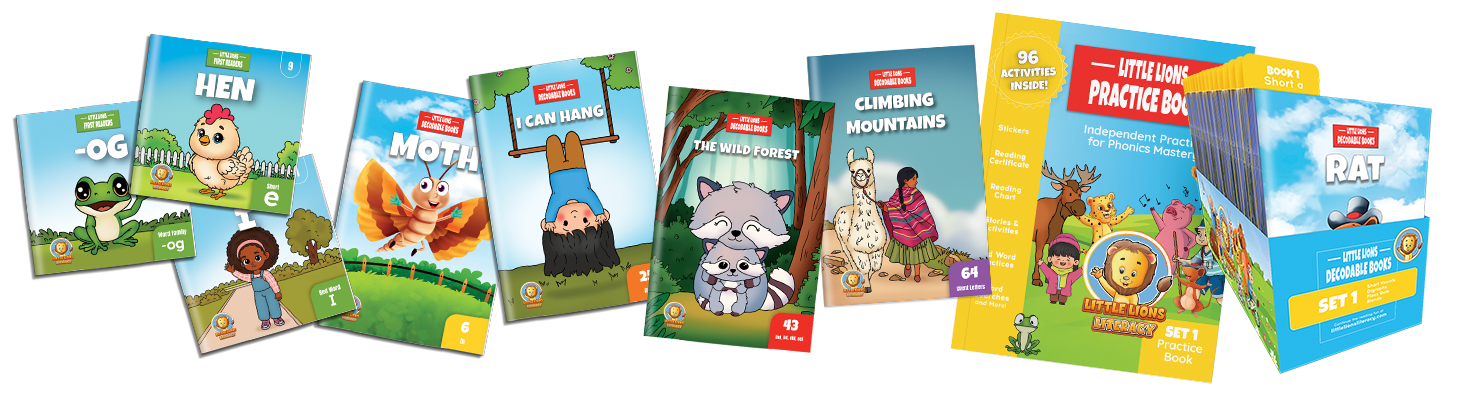
For a clear path from letter sounds to reading words, a decodable system is a fantastic tool. We designed the Little Lions First Readers sets to grow with your child, introducing skills in a logical, step-by-step order. Each book builds on the last, giving your child a chance to practice and gain confidence. This structured approach removes guesswork for parents and ensures children aren’t asked to read words with sounds they haven’t been taught yet. It’s a gentle way to build a strong foundation.
Books that isolate a few letter sounds at a time are perfect for beginners. They let children master one simple skill before moving on. The classic Bob Books series is a great example; the first stories use only a handful of letters, so a child can sound out every word. This success is incredibly motivating and shows them they can learn to read. Look for any series that starts with simple, short-vowel words and gradually introduces new concepts.
Long before children read words, they can learn to hear the sounds within them. This skill, called phonological awareness, is a critical pre-reading ability. Rhyming books are one of the best ways to practice it. As you read stories filled with rhythm and rhyme, your child’s brain notices patterns and similar sounds. This playful exposure helps them tune their ears to the building blocks of words, making it easier to connect sounds to letters later on.
Not every book has to be a “phonics book” to support your child’s reading journey. Simple storybooks with predictable, repetitive text are just as valuable. When children can guess what’s coming next in a story like Brown Bear, Brown Bear, What Do You See?, they feel involved and successful. This repetition helps them learn about sentence structure and new vocabulary. Most importantly, these engaging stories create a positive association with reading, which is the most important foundation of all.
Walking into a bookstore or searching online can feel overwhelming with so many options. How do you know which phonics book will actually click with your 3-year-old? The secret isn’t finding one “perfect” book, but knowing what features to look for. When you’re choosing, think about whether the book is right for their developmental stage, if it makes learning feel like play, how well it will hold up to enthusiastic little hands, and if it builds skills in a logical way. Let’s break down what that looks like.
At three years old, your child is just beginning their literacy journey. The best phonics books meet them right where they are. This means focusing on foundational skills like identifying letters and learning their primary sounds, not jumping into complex blending. Research aligned with the Science of Reading suggests that introducing phonics between the ages of three and six is ideal because children are naturally curious. Look for books with one or two simple concepts per page. If a book feels too busy or advanced, it can lead to frustration instead of excitement. The goal is to spark curiosity, not create pressure.
If it’s not fun, a 3-year-old isn’t interested. It’s that simple. The most effective phonics books are the ones that don’t feel like work. They should be filled with bright, captivating illustrations and silly, engaging stories that make your child giggle. As one resource notes, these books are “designed to be fun and engaging, preventing boredom while fostering early reading skills.” When a child is having fun, they’re more open to learning. Look for books with lovable characters or playful plots that connect to the sounds they are learning. This positive experience helps build a lifelong love of reading from the very beginning.
Let’s be real: books for 3-year-olds need to be tough. Little hands are still developing fine motor skills, which means pages get turned with gusto, and sometimes books end up in mouths or on the floor. Opt for sturdy board books or thick, tear-resistant pages that can withstand repeated readings and enthusiastic handling. The format matters, too. Books that are small enough for your child to hold themselves can give them a sense of ownership and independence. You’ll often notice that the most popular books for this age group are built to last, which is a good indicator of their suitability for young readers.
Phonics is a system, and it’s best learned one step at a time. The right books will introduce concepts in a logical sequence, starting with the most common letter sounds and gradually moving to more complex ones. This systematic approach is key. A good phonics series “builds reading skills slowly, one small step at a time, to help children feel confident.” This prevents them from feeling overwhelmed and allows them to experience success at each stage. Our Little Lions Literacy decodable sets are designed this way, ensuring each new book builds on what your child has already mastered, creating a strong and confident foundation for reading.

Phonics books are so much more than simple stories. They are carefully designed tools that give your child the building blocks for literacy. By focusing on the relationship between letters and sounds, these books turn the abstract concept of reading into a concrete, achievable skill. They work by systematically introducing foundational concepts in a way that feels more like play than work. From recognizing letters to blending sounds into words, phonics books guide your little one through the essential first steps of their reading journey, building skills and confidence along the way.
Before a child can read, they need to understand that letters represent sounds. This is where phonics books shine. For a 3-year-old, these books focus on the very basics: connecting a letter, like ‘S’, with its sound, /s/. They do this through repetition, simple rhymes, and clear illustrations. This process builds letter recognition and, just as importantly, phonemic awareness, which is the ability to hear and identify the individual sounds in spoken words. By repeatedly seeing a letter and hearing its corresponding sound in a fun context, your child starts to crack the code of written language, one sound at a time.
One of the most important goals at this age is to help your child fall in love with books. Phonics books achieve this by making the learning process genuinely fun. With lovable characters, playful stories, and colorful pictures, they draw children in and make them excited to see what happens next. When a child successfully sounds out a word or recognizes a letter, they feel a huge sense of accomplishment. This feeling of success, combined with an engaging story, helps create a positive association with reading. They begin to see books not as a challenge, but as a source of joy and confidence, setting the stage for a lifelong love of reading.
A strong start in phonics is one of the best predictors of future reading success. Research from the Science of Reading movement has shown that explicit phonics instruction is crucial for most children. Phonics books provide this instruction in a gentle, age-appropriate way. Decodable books, like the sets we create at Little Lions Literacy, are especially powerful because they build skills systematically. A child starts with a few letter sounds and then reads stories made up only of those sounds. This step-by-step approach ensures they are never overwhelmed and can build their skills on a solid foundation, one tiny, confident step at a time.
While the main job of a phonics book is to teach decoding, it also plays a key role in building your child’s vocabulary. As your little one sounds out simple CVC words like ‘cat,’ ‘sun,’ or ‘pig,’ they are connecting the printed word to the spoken word and its meaning. The simple, repetitive text in these books helps reinforce these new words, moving them into your child’s long-term memory. Even the simplest stories introduce new concepts and words in a context that is easy for a 3-year-old to grasp. This early exposure to language helps expand their understanding of the world and gives them more words to express themselves.

Keeping a 3-year-old’s attention can feel like a magic trick. When it comes to phonics, the secret isn’t just about drilling letters and sounds. It’s about creating an experience that’s so fun, they don’t even realize they’re learning. The best phonics books are packed with features that appeal directly to a young child’s sense of wonder, play, and curiosity. By looking for books with these specific elements, you can transform phonics practice from a chore into a cherished part of your day. These features work together to build a positive, joyful foundation for reading that will stick with them for years to come.
Three-year-olds learn with their whole bodies, not just their eyes. Books that invite them to touch, listen, and interact are far more memorable than those that just sit flat on the page. Think lift-the-flaps, textured pages, or sound buttons. These features turn reading into a hands-on activity. Using multisensory resources helps children form stronger connections to the material because they engage different parts of the brain. When a child can trace a sandpaper letter while saying its sound, they are creating a powerful memory that reinforces learning in a way that simply seeing the letter cannot.
A good story can make any lesson stick. When phonics books feature loveable, recurring characters and playful plots, children become invested in the reading journey. They aren’t just learning the sound of the letter ‘p’; they’re following a pig on a picnic. Silly pictures and simple, engaging narratives keep kids turning the page. The phonics concepts should feel like a natural part of the story, not a forced lesson. This combination helps young readers stay engaged and, most importantly, helps them develop a love for reading that goes far beyond mastering individual sounds.
Children thrive on predictability and a sense of accomplishment. A book series that builds skills progressively offers both. Starting with simple concepts and gradually introducing more complex ones gives your child a clear path forward. As they master one book and move to the next, their confidence grows. Our Little Lions Literacy decodable sets are designed this way, with each set of books building on the skills learned in the last. This structured approach prevents overwhelm and ensures your child is always working at a level that is challenging but achievable, keeping them motivated to continue their reading adventure.
Books with a strong, predictable rhythm and lots of rhyming words are incredibly powerful tools for early literacy. Rhythm and rhyme help children tune their ears to the individual sounds that make up words, a critical pre-reading skill known as phonological awareness. Repetition is just as important. When a phrase or sentence is repeated throughout a book, it gives children a chance to join in and “read” along, even before they can decode the words themselves. This predictability is comforting and empowering, making them feel like successful readers from the very beginning.
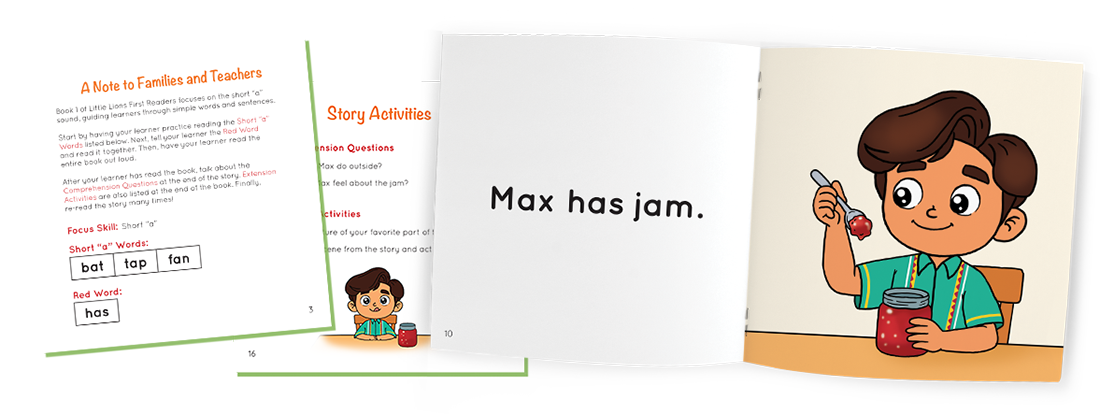
Bringing phonics books into your home is a fantastic first step, but the real magic happens when you actively support your child’s learning journey. Turning reading into a positive, interactive experience will do more than just teach them letters and sounds; it will build a lifelong love for books. Here are a few simple, effective ways to enrich their learning beyond the page.
Snuggling up with a book is about connection as much as it is about learning. When you read together, make it a conversation. Ask questions like, “What do you think will happen next?” or “Where is the little cat?” Point to the words as you read them to help your child understand that the squiggles on the page represent spoken language. Reading engaging stories helps toddlers learn how language works and grows their vocabulary. Don’t be afraid to be silly, use different voices for characters, and make the sounds of the animals or vehicles in the story. This transforms reading from a passive activity into an exciting, shared adventure.
For a three-year-old, play is serious work. You can weave phonics practice into playtime so seamlessly they won’t even realize they’re learning. Activities that involve rhyming are perfect for this age, as they help children hear the smaller sounds in words, a skill known as phonological awareness. Try simple rhyming games like, “What word sounds like ‘cat’?” or sing rhyming songs. You can also play “I Spy” with letter sounds: “I spy something that starts with the /m/ sound.” By making it fun, you show your child that learning is an exciting game, not a chore.
Children thrive on routine, and a predictable reading time can become a cherished part of their day. Whether it’s right after breakfast or snuggled in bed before sleep, consistency makes reading a comforting and expected habit. This special time isn’t just for phonics books. It’s important to continue reading a variety of engaging storybooks with your child. These books expose them to richer sentence structures and a wider vocabulary, which are crucial for building comprehension skills. A regular reading routine provides the perfect opportunity to explore all kinds of books, from decodable readers that build skills to classic picture books that spark imagination.
Three-year-olds learn best when they can engage all their senses. Bring letters and sounds to life with hands-on activities that get them moving. Use magnetic letters on the fridge to spell simple words, or trace letters in a tray of sand, salt, or shaving cream. You can even use play-doh to roll out and form the letters you’re learning about. These tactile experiences help solidify the connection between a letter’s shape and its sound in a way that simply seeing it on a page cannot. Our practice books are designed to give kids a chance to write and trace, making learning an active, physical process.
When you’re excited to help your little one learn, it’s easy to get ahead of yourself. The journey into reading is a marathon, not a sprint, and avoiding a few common pitfalls can make the experience more joyful and effective for both of you. Let’s walk through some frequent missteps so you can feel confident you’re giving your child the best possible start.
It’s tempting to grab any book labeled “phonics” and dive in, but many are designed for older children. Special phonics books, often called decodable readers, are for kids who are already starting to sound out letters and blend them into words. For a 3-year-old, jumping into these can cause frustration. Instead, focus on books that build foundational skills, like alphabet recognition and letter sounds. At this age, the goal is exposure and familiarity, not mastery. If a book feels like a struggle, it’s okay to put it aside and choose something simpler.
Learning to read is a gradual process built on layers of skills. It’s completely normal for progress to feel slow, especially in the beginning. True reading readiness can’t be rushed. The best approach is to build your child’s skills one small step at a time, which helps them feel successful and confident along the way. Celebrate the small wins, like recognizing the first letter of their name or pointing out a letter they know on a sign. Patience is your best tool; trust that your consistent, gentle efforts are building a strong foundation for future reading success.
While phonics books are a fantastic tool, they shouldn’t replace regular storytime. Reading a wide variety of engaging children’s books is essential for your 3-year-old’s development. These stories help them learn how language works, grow their vocabulary, and understand the world around them. Cuddling up with a colorful picture book filled with fun characters and an exciting plot creates a positive, loving association with reading. Think of it this way: phonics books teach the mechanics, but storybooks teach the magic. You absolutely need both.
The ultimate goal is to raise a lifelong reader, and that only happens if reading is enjoyable. If phonics practice starts to feel like a chore or a high-pressure test, it can quickly extinguish a child’s natural curiosity. Remember to keep things light and playful. You can support their learning through interactive and engaging methods like singing the alphabet song, playing with magnetic letters on the fridge, or going on a “letter hunt” around the house. When learning feels like a game, children are more motivated to participate and will build a positive connection with reading that lasts.
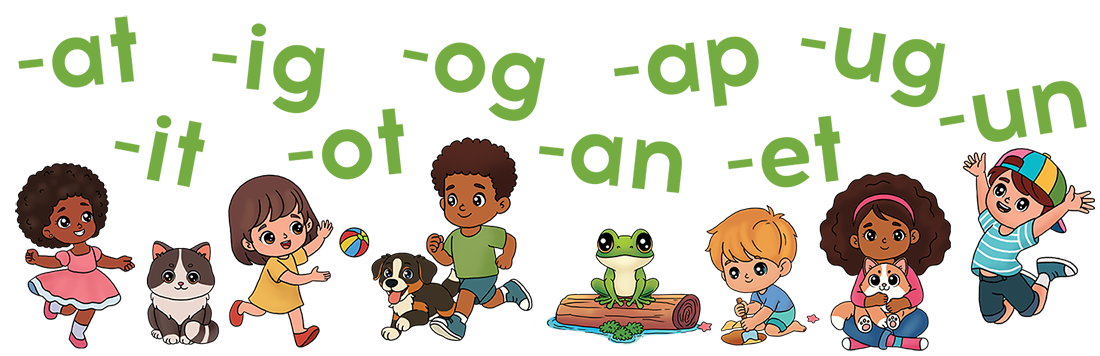
Finding the right phonics books can feel like a treasure hunt, but the good news is that there are wonderful resources all around you. Whether you prefer browsing online from your couch or making a special trip to a local shop, you have plenty of options for building your child’s first library. The key is knowing where to look to find high-quality, engaging books that will make learning to read a joyful experience. From specialized creators to your neighborhood library, let’s explore some of the best places to find phonics books for your little one.
One of the best ways to find effective phonics materials is to go straight to the source. Companies that specialize in early literacy, like us here at Little Lions Literacy, design their books as part of a cohesive, step-by-step system. This ensures a logical progression as your child’s skills grow. Other trusted brands, like Hooked on Phonics, have been helping children learn to read for decades with their award-winning programs. Buying directly from creators often gives you access to complete sets, digital resources, and customer support that can guide you on your child’s reading journey. It’s a great way to invest in a program you can trust.
Never underestimate the power of your local library or independent bookstore. These community hubs are fantastic for discovering new titles and authors. The library is an amazing, free resource that lets you and your child explore different styles of books to see what captures their interest before you commit to buying. As many parents have found, simply reading engaging children’s books helps toddlers learn how language works and builds their vocabulary, which are essential pre-reading skills. Don’t be afraid to ask the children’s librarian for recommendations; they are often a wealth of knowledge and can point you toward some hidden gems.
Both online and brick-and-mortar educational supply stores are treasure troves for learning materials. These shops are specifically curated for parents and teachers, so you can be confident that their products are designed with learning in mind. Big online retailers also have a huge selection; for example, you can find a wide variety of phonics-focused learning tools on Amazon designed to make a child’s first steps into reading fun and accessible. Browsing these stores allows you to compare different approaches to phonics and read reviews from other parents to see what worked for their families, helping you make an informed choice.
Building a quality home library doesn’t have to break the bank. Once you have a few favorite brands or series in mind, it pays to be a savvy shopper. Many online stores and creators run sales throughout the year, especially around holidays or back-to-school season. It’s a great idea to sign up for email newsletters from your favorite companies (like us!) to get notified about special promotions. You can also find great value on sites like Amazon, which often feature special offers like a “Limited time deal” or percentage-off coupons. A little patience can help you get high-quality books at a much lower price.
Absolutely not! Think of it this way: phonics books teach the mechanics of reading, but fun, engaging storybooks teach the magic. You need both. Continue to read a wide variety of picture books with your child. This builds their vocabulary, helps them understand how stories work, and most importantly, creates a warm, positive connection with reading.
Not at all. At this age, the goal isn’t to master the alphabet but to start building phonological awareness, which is the ability to hear the different sounds in language. The best first step is simply playing with sounds. Read rhyming books, sing silly songs, and talk about words that start with the same sound. If your child shows interest in books and enjoys these sound games, they are perfectly ready to start this journey.
This is a great question. A rhyming book helps train your child’s ear to hear the patterns and sounds in language, which is a critical pre-reading skill. A decodable book takes the next step; it’s specifically designed for your child to practice sounding out words using only the letter-sound connections they have already learned. One is for listening and hearing, while the other is for actively practicing the skill of reading.
Look for signs of frustration. If your child is guessing words based on the pictures instead of trying to sound them out, or if they seem overwhelmed and disinterested, the book is likely too difficult. A good phonics book for a beginner should only contain words made from a few letter sounds they have already been introduced to. The goal is for them to feel successful and confident, not discouraged.
You can weave phonics practice into your everyday routine. Play “I Spy” using letter sounds instead of colors, for example, “I spy something that starts with the /b/ sound.” Use magnetic letters on the fridge to spell their name or simple words. You can also make learning tactile by tracing letters in a tray of sand or even with their finger on a foggy window. The key is to keep it light and fun.