That moment when your child proudly reads a sentence aloud is pure magic. But when they stumble over words, swapping sounds like ‘th’ and ‘f’, it can be a sign of a common roadblock. This isn’t just a cute mispronunciation; it directly impacts their ability to connect sounds with letters, which is the foundation of reading. When a child can’t hear or say the difference between “three” and “free,” it can slow their fluency and affect their comprehension. The good news is that you can help them clear this hurdle with targeted support. We’ll explore effective articulation reading practice for th vs f, giving you the tools to build their skills and keep that reading magic alive.
If you’ve ever heard your child say they are “free” years old instead of “three,” you’re not alone. This is one of the most common pronunciation hurdles for young learners, and it’s rooted in how we physically form sounds. The ‘th’ and ‘f’ sounds are so similar that it takes practice for a child’s brain and mouth to learn the difference. Understanding why this happens is the first step toward helping them master these tricky sounds and build a strong foundation for reading.
The mix-up between ‘th’ and ‘f’ all comes down to articulation, or how we use our mouth, teeth, and tongue to make sounds. These two sounds involve very similar mouth movements, making them easy to confuse. To make the ‘f’ sound, the top teeth rest on the bottom lip. For the ‘th’ sound, the tongue has to peek out between the teeth. This is a subtle difference that can be hard for little ones to notice and replicate. To make it even more complex, the ‘th’ sound has two variations: a quiet, unvoiced sound (as in “thin”) and a vibrating, voiced sound (as in “this”), which can add another layer of difficulty.
This common speech hiccup can have a real impact on a child’s ability to read. When children can’t hear or say the difference between sounds, they struggle to connect those sounds to letters. This can slow down their reading speed and affect their reading fluency. If a child reads the word “think” as “fink,” they may pause, get confused, or misinterpret the sentence’s meaning. Over time, these small stumbles can affect reading comprehension and spelling. That’s why targeted and consistent phonics instruction is so important. It helps children correct these mix-ups before they become ingrained habits, paving the way for more confident speaking and reading.
When you’re trying to help a child master tricky sounds, it can feel like you’re running in circles. You practice the same words over and over, but the progress is slow. The secret isn’t just more repetition; it’s about using smarter, more targeted strategies. Effective articulation practice focuses on helping children first hear the difference between sounds, then physically produce them correctly. It’s a process that involves targeted exercises and, most importantly, a sense of play. By using proven methods like sound discrimination, minimal pairs, and multi-sensory activities, you can turn frustrating drills into fun games that build real, lasting skills. These techniques work with a child’s natural learning process to create strong connections between sounds, symbols, and speech.
Have you ever noticed how the ‘th’ and ‘f’ sounds look and feel similar when you make them? That’s exactly why so many kids mix them up. This challenge is rooted in auditory discrimination, which is simply the ability to tell the difference between sounds. Before a child can correctly say a sound, they need to be able to clearly hear it and distinguish it from others. The first step is to play listening games that train their ears. You can say a word and have them give a thumbs-up if they hear the target ‘th’ sound. This focus on listening, without the pressure of speaking, builds a strong foundation for clear pronunciation and helps them tune into the subtle acoustic differences they might have been missing.
One of the most effective tools for articulation is using “minimal pairs.” These are pairs of words that are identical except for one sound, like ‘thin’ and ‘fin’ or ‘three’ and ‘free.’ This technique is powerful because it isolates the exact point of confusion for a child. By presenting the two words back-to-back, you make the subtle difference in sound impossible to ignore. You can find many minimal pair resources online, often in the form of flashcards or matching games. Practicing with these pairs helps your child focus on the specific mouth movements required for each sound, building the muscle memory needed to say them correctly and automatically in conversation.
Turning practice into playtime is the best way to keep kids motivated. Engaging multiple senses at once creates stronger connections in the brain and makes learning stick. Instead of just drilling words, try a multi-sensory approach. Use a small mirror so your child can see the difference between biting their lip for the ‘f’ sound and placing their tongue between their teeth for the ‘th’ sound. You can also incorporate touch by having them trace the letters in a sand tray while saying the sound. Game-based learning transforms practice from a chore into a fun challenge, making children active and excited participants in their own learning journey.
When your child is struggling with specific sounds, finding the right practice materials can feel like searching for a needle in a haystack. You need something more focused than a standard storybook but more engaging than a simple flashcard drill. This is where decodable books shine. They are specifically designed to give children practice with the phonics skills they are learning, including tricky sounds like ‘th’ and ‘f’.
Unlike regular storybooks that might contain many words a child hasn’t learned yet, decodable books carefully control the vocabulary. This means your child will only encounter words with sounds they’ve already been taught, along with the new target sounds. This targeted exposure builds confidence and allows them to focus on one new skill at a time without feeling overwhelmed. Instead of getting tripped up by unfamiliar words, they can apply their knowledge in the context of a fun, simple story. This repeated, successful practice is exactly what helps a child’s brain learn to distinguish between similar sounds and correctly pronounce them. The right decodable book turns articulation practice into a positive and rewarding reading experience, showing kids that they can be successful readers.

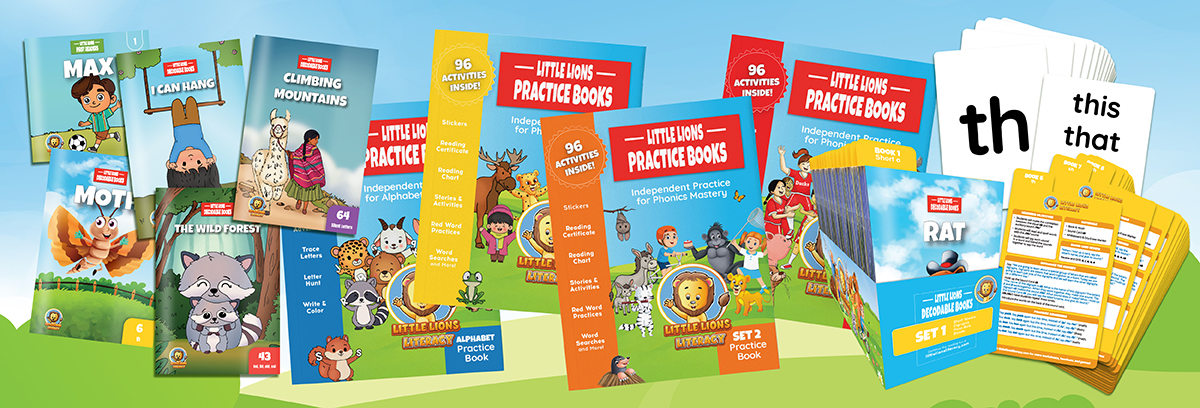
Little Lions Literacy books are built to provide this kind of focused practice. Our stories intentionally include words with ‘th’ and ‘f’ sounds, giving your child plenty of opportunities to see, say, and hear the difference in a natural context. We use proven methods, like including minimal pairs (words like “fin” and “thin”), to help children tune their ears to the subtle distinctions. By embedding this practice in charming narratives, our decodable book sets make learning feel less like a lesson and more like an adventure, keeping your young reader motivated and engaged.
To pronounce a sound correctly, a child needs to know what to do with their tongue, teeth, and lips. While our books don’t have diagrams on every page, they are the perfect tool to pair with direct instruction. You can use a small mirror to let your child see their own mouth as they try to make the ‘th’ sound (tongue between teeth) versus the ‘f’ sound (top teeth on bottom lip). These visual supports are incredibly effective for helping kids understand the physical side of making sounds and can make a huge difference in their progress.
Fixing sound mix-ups is most effective when it’s done systematically. If a child doesn’t master the basics, these little errors can become ingrained habits that are much harder to correct later. That’s why a structured approach to phonics is so important. Our book sets are designed to follow a clear progression, introducing skills in a logical order. This ensures your child builds a solid foundation, mastering one sound distinction before moving on to the next. This step-by-step process not only prevents confusion but also gives your child a real sense of accomplishment as they successfully read each book.
Supporting your child’s articulation practice doesn’t have to break the bank. In fact, some of the most effective tools are either free or very affordable. The key is to find high-quality resources that keep your child engaged and motivated. Mixing different types of activities, from printable worksheets to hands-on games, can prevent practice from feeling repetitive and turn it into a fun part of their day. Below, we’ll look at some fantastic free and low-cost options you can start using right away to help your child master the ‘th’ and ‘f’ sounds. These resources are perfect for supplementing structured reading practice with decodable books.
Printable resources are a classic for a reason. They offer a simple, screen-free way to get in some focused practice. You can find a huge variety of materials online, including worksheets, flashcards, and sorting games designed specifically for articulation. Many of these activities use “minimal pairs” (like ‘fin’ vs. ‘thin’) to help children clearly hear and see the difference between the two sounds. Educational marketplaces like Teachers Pay Teachers are treasure troves for these kinds of printables, often created by speech therapists and educators. Look for activities that involve coloring, cutting, and pasting to add a hands-on element that keeps little learners engaged.
Let’s be honest, kids are drawn to screens. You can use this to your advantage by incorporating educational apps and online games into your practice routine. Many digital tools are designed to make learning articulation fun and interactive, turning repetitive drills into an exciting challenge. When searching for an app, be sure to read the online user reviews in the app store. Parent and teacher feedback can give you valuable insight into whether an app is effective, engaging, and age-appropriate. A good app will provide clear audio, visual cues for mouth placement, and positive reinforcement to keep your child motivated.
You don’t always need a formal worksheet or app to practice sounds. Some of the best activities can be created with items you already have at home. Simple, game-based learning can be a fantastic way to teach tricky sounds without pressure. Try a sound scavenger hunt where your child finds objects around the house that start with ‘th’ or ‘f’. Use a small mirror to let them see their own mouth as they make each sound, comparing it to yours. You can also create your own minimal pair flashcards with simple drawings or magazine cutouts. Making practice a playful part of your daily routine helps build skills in a natural, stress-free way.

With so many options out there, from apps to books to worksheets, how do you know what will actually help your child? The truth is, the way you practice can make all the difference. Some methods build lasting skills by making learning meaningful and fun, while others can lead to frustration. Let’s look at how common practice tools stack up so you can choose the best approach for your young reader.
Worksheets often focus on rote memorization, asking kids to circle, match, or write sounds in isolation. While this provides repetition, it can feel disconnected from the act of reading. Decodable books, on the other hand, place target sounds within engaging stories. This context helps children see how sounds work together to form real words. Research shows that engaging, multi-sensory activities are more effective than simple drills. When a child practices the ‘th’ sound by reading about a thirsty sloth, the learning is more memorable and directly applicable to their reading journey.
There’s no shortage of apps and online games designed to teach phonics, and many are fantastic for holding a child’s attention. The immediate feedback and colorful graphics can make practice feel like play. However, don’t underestimate the power of hands-on activities. Using physical objects like sound-sorting cards or mirrors to see mouth shapes provides a tactile experience that digital tools can’t replicate. Many effective teaching resources combine visual guides with fun, physical games. A balanced approach often works best: use apps for fun reinforcement and hands-on tools for focused, sensory-based learning.
When you’re searching for the right materials, the sheer volume of options can be overwhelming. This is where other parents and educators can be your best guide. Think of online reviews as a treasure trove of firsthand experience. They offer a free and honest look into how a resource works in the real world. Instead of just looking at star ratings, read the comments to see what people are saying. You can find valuable user experience data that tells you if a book’s story was engaging, if an app held a child’s interest, or if a game was truly effective for teaching a specific sound.
Once you have the right materials, the next step is making practice time something your child actually looks forward to. It’s easy for articulation drills to feel repetitive, but with a few simple strategies, you can turn them into a fun and productive part of your day. The goal is to create positive, engaging experiences that help new skills stick. By focusing on how sounds are made, playing games, and getting kids moving, you can make learning feel less like work and more like play.
Sometimes, a child just needs to see the difference in how a sound is made. The ‘th’ sound requires the tongue to peek between the teeth, while the ‘f’ sound involves the top teeth resting on the bottom lip. Use a small mirror and practice making the sounds together so your child can see their own mouth and compare it to yours. You can also find helpful visual aids online, like diagrams or photos of mouth positions. These cues give your child a clear, concrete model to copy, taking the guesswork out of forming the sounds correctly.
Games are a fantastic way to get in lots of repetition without the boredom. Turn practice into a fun activity by playing sound-sorting games with picture cards (e.g., “thumb” vs. “fan”) or a simple round of “I Spy” focusing on objects that start with the target sounds. Even a simple board game can be adapted; just have your child say a ‘th’ or ‘f’ word before taking their turn. These interactive learning games make practice feel less like a drill and more like playtime, which keeps kids motivated and reinforces correct articulation.
Kids are wired to move, so why not use that to your advantage? Adding physical activity to your practice sessions can help with focus and memory. Try a scavenger hunt where your child finds things around the house that start with the ‘th’ or ‘f’ sound. You could also write words on pieces of paper and have them jump to the correct one as you call it out. Activities that combine sound practice with action make learning more dynamic and memorable. Many teaching resources use mazes and memory games to get kids up and moving while they learn.
Consistency is the secret ingredient to helping your child master tricky sounds like ‘th’ and ‘f’. When practice becomes a predictable and positive part of the day, it feels less like a chore and more like a special time to connect and learn together. A solid routine helps reinforce new skills until they become second nature. The key is to build a simple structure that fits your family’s rhythm, keeps your child excited to participate, and allows you to celebrate their growth along the way.
You don’t need to block out an hour every day for articulation practice. In fact, short and sweet sessions are often more effective. Aim for 10 to 15 minutes of focused practice daily. The best way to make it stick is to attach it to an existing part of your routine, like right after breakfast or during bedtime stories. Regular, targeted phonics instruction is the most effective way to keep sound mix-ups from turning into bigger reading hurdles. By making it a consistent part of your day, you give your child the repeated exposure they need to build confidence and accuracy.
If practice feels like a game, your child will be much more eager to join in. You can transform learning sessions by incorporating playful activities. Use flashcards for a quick sorting game, hunt for items around the house that start with the ‘th’ or ‘f’ sound, or create silly sentences together. Game-based learning can be a total game-changer for teaching tricky sounds, making the process both fun and effective. Our decodable book sets are also perfect for this, as they weave target sounds into engaging stories that kids actually want to read.
Keeping an eye on your child’s progress helps you know what’s working and where you might need to spend a little more time. It’s also a fantastic way to show your child how far they’ve come. You don’t need a complicated system; a simple notebook where you jot down words they’ve mastered or sounds they find tricky works perfectly. Many printable worksheets and apps have built-in features to help you monitor their learning. Celebrating small wins, like correctly pronouncing a tough word, builds momentum and keeps your little learner motivated.
With so many resources out there, it can be tough to figure out which ones will actually help your child. The right materials can make practice feel like playtime, while the wrong ones can lead to frustration for everyone. The key is to look for tools that are not only effective but also genuinely engaging for your little learner. Think of it as curating a small toolkit specifically designed to help them succeed with tricky sounds like ‘th’ and ‘f’. Let’s walk through what to look for, what to avoid, and how to find the perfect fit for your child.
When you’re searching for practice materials, prioritize resources that are fun and interactive. Children learn best when they’re playing, so look for multi-sensory games and activities that get them listening, speaking, and even moving. This approach makes learning tricky sounds feel less like a chore and helps the new skills stick. Also, make sure the materials are grounded in proven methods. Resources that align with a structured literacy approach or the Science of Reading ensure you’re using strategies that are backed by research. This means you can feel confident that the time you spend on practice is truly effective and building a strong foundation for reading.
Be cautious of materials that rely only on traditional drills and flashcards. While they have their place, rote memorization alone often isn’t enough for a child to truly grasp the difference between sounds like ‘th’ and ‘f’. If a resource seems repetitive or boring, it probably won’t hold your child’s attention long enough to be effective. Another tip is to look beyond shiny packaging or expert-only reviews. Sometimes, the most valuable feedback comes from other parents and teachers who have used the materials with their own kids. Their real-world experiences can reveal usability issues that an expert might miss, giving you a much clearer picture of whether a resource will work for your family.
Every child is unique, and so is their learning style. The best practice materials recognize this and offer a variety of ways to engage with the content. Look for resources that include a mix of activities, such as visual guides for mouth placement, listening exercises, sorting games with minimal pairs, and fun hands-on projects. This variety ensures that whether your child is a visual, auditory, or kinesthetic learner, there’s something that will click for them. By providing different ways to learn and practice, you can meet your child where they are and build on their individual strengths. This adaptability is crucial for keeping them motivated and making steady progress.

Building a solid library of articulation resources doesn’t have to drain your wallet. With a little planning and some savvy shopping, you can find high-quality materials that support your child’s or students’ progress without a hefty price tag. From digital downloads to community resources, there are plenty of ways to get effective tools on a budget. The key is knowing where to look and when to buy. By exploring different platforms and keeping an eye out for promotions, you can gather a fantastic collection of games, worksheets, and activities to make practice sessions productive and fun.
You can find excellent resources that are both effective and affordable. Many online stores have sections dedicated to low-cost materials. For example, you can find a whole collection of budget-friendly articulation games for under $10 that are perfect for home or classroom use. Simple, engaging activities like a “Roll a Die” game can make practicing sounds feel less like work and more like play. Searching for free printable worksheets or sound-sorting activities on educational blogs can also yield great results. These options are perfect for supplementing your core materials or for trying out new approaches without a financial commitment.
Timing your purchases around seasonal sales can lead to significant savings. Many online marketplaces for educators, like Teachers Pay Teachers (TpT), hold site-wide sales several times a year. During these events, you can often find promo codes that offer discounts of up to 25% on resources from thousands of creators. Joining online communities for speech-language pathologists and educators, such as the SLPs Go Digital Facebook group, is a great way to stay informed about upcoming sales. These groups are also fantastic for getting recommendations on which materials are worth buying when the prices drop.
If you need access to a wide variety of materials, a subscription service can be a cost-effective solution. Some platforms offer memberships that give you unlimited access to their entire library of resources for a monthly or annual fee. For instance, an Articulation Essentials subscription can provide ongoing access to specialized materials, often with extra discounts and promotions included for members. Don’t forget to check your local library, too. Many libraries have a surprising number of educational resources, including books and activity kits, that you can borrow for free. It’s a wonderful, community-based way to support learning.
At what age should I be concerned about this sound mix-up? It’s very common for children between three and five to swap these sounds. However, if the mix-up continues as they enter kindergarten or first grade, or if it’s making them feel frustrated when they try to read or speak, it’s a good time to start some gentle, focused practice. The goal is to help them build the right habits before the incorrect pronunciation becomes too automatic.
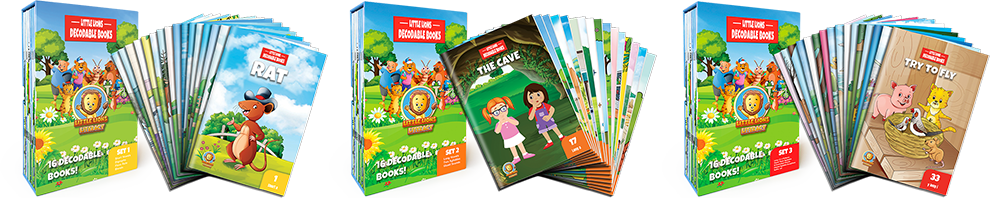
What’s the difference between using decodable books and regular storybooks for practice? Think of it this way: a regular storybook is like a conversation with lots of different topics. A decodable book is like a conversation focused on one specific topic. Regular books contain many words with sound patterns your child may not have learned yet, which can be overwhelming. Decodable books carefully use words with sounds your child is currently learning, giving them a chance to successfully practice skills like telling ‘th’ from ‘f’ in a real story context.
How long should our practice sessions be each day? Consistency is much more important than duration. Aim for short, positive sessions of about 10 to 15 minutes every day. It’s far more effective to have a brief, fun daily routine than to try and cram practice into one long, stressful session on the weekend. Attaching it to something you already do, like reading before bed, can help make it a natural part of your day.
My child gets frustrated easily. How can I keep practice from feeling like a chore? The moment it stops being fun, it stops being effective. The key is to keep things light and playful. Let your child choose the game or activity, and always end on a positive note, even if you have to cut the session short. Focus on praising their effort, not just their perfect pronunciation. If you sense frustration building, switch to an activity you know they love and can succeed at, and then try again another day.
Is it okay to correct my child every time they make a mistake in conversation? Constant correction can make a child feel self-conscious and hesitant to speak. Instead of pointing out every error, try modeling the correct sound back to them in a natural way. If they say, “I see a ‘free’ over there,” you can respond with, “Wow, you see three of them! That’s a big number three.” This reinforces the correct sound without putting them on the spot.