If you want your child to succeed with reading, it helps to follow A Guide to Decodable Texts for Beginning Readers. Have you ever watched your child look at a picture and guess the word instead of trying to sound it out? It’s a common habit, but it can get in the way of building real reading skills. Many beginner books unintentionally encourage this by using illustrations that give away the words. Decodable books are the solution. They are carefully designed to break this cycle by using controlled vocabulary that forces a child to look at the letters, not the pictures. The illustrations support the story but don’t reveal the words, making decodable texts for beginning readers the perfect tool to help your child focus and build strong decoding habits from the start.
If you’re helping a little one learn to read, you’ve probably heard the term “decodable text.” So, what exactly is it? Simply put, decodable books are stories written for new readers that use specific sound patterns (phonics) they’ve already been taught. Instead of containing random words, these books are carefully crafted so that a child can sound out most of the words using their growing phonics skills.
This is a huge deal for a beginning reader. When a child picks up a decodable book, they get to put their new knowledge into practice immediately. They aren’t forced to guess words from pictures or memorize sentence patterns. Instead, they are actually reading. This success builds a massive amount of confidence and shows them that the phonics rules they’re learning really work.
Think of it like learning to play the piano. You wouldn’t start with a complex sonata. You’d begin with simple songs that use the few notes you’ve just learned. Decodable texts are the reading equivalent. They provide the targeted practice needed to turn phonics skills into fluent, confident reading. They are a foundational tool for helping children make the connection between letters on a page and the sounds they represent.
You might be wondering how decodable books are different from the leveled readers you often see in classrooms. The main difference is the approach. Many leveled readers encourage children to use pictures or context clues to guess unfamiliar words. While this can feel like reading, it doesn’t build the essential skill of decoding.
Decodable books, on the other hand, are designed to make a child use their knowledge of letter sounds to read the words on the page. The vocabulary is intentionally controlled to align with the phonics skills they have learned, ensuring they can successfully sound out most of what they see. This doesn’t mean the stories are boring or limit vocabulary; it just means they provide a focused, supportive environment for practice.
Here’s a little secret: learning to read isn’t a natural process like learning to talk. Our brains aren’t automatically wired for it. Reading is a skill that needs to be taught explicitly, with plenty of practice. This is where the science of reading comes in, and it’s the reason decodable books are so effective.
By providing repeated practice with specific phonics patterns, decodable books help children build a “reading reflex.” This is the habit of automatically sounding out a word instead of guessing. Each time they successfully decode a word, they strengthen the neural pathways in their brain responsible for reading. This systematic approach aligns with the five stages of reading development and sets your child up for long-term reading success.
Decodable books are more than just simple stories; they are carefully designed tools that give your child a clear path to reading success. By focusing on specific skills in a structured way, they help turn the complex process of learning to read into a series of manageable, confidence-building steps. Instead of feeling overwhelmed, your child feels empowered as they master new sounds and words.
Think of decodable books as the training wheels for reading. They are intentionally written with words that use the specific letter-sound patterns, or phonics skills, your child is currently learning. For example, if your child is working on the short “a” sound, their decodable book will be full of words like “cat,” “Sam,” and “ran.” This targeted practice encourages them to apply their phonics knowledge to sound out words, rather than relying on guessing. It systematically builds a solid foundation, ensuring they understand how letters and sounds work together.
There’s nothing quite like the look on a child’s face when they read a book all by themselves for the first time. Decodable texts make this happen early and often. Because the words follow predictable patterns, children can read them successfully. Each book they finish is a victory that builds their self-esteem and makes them feel like a “real reader.” This positive reinforcement is incredibly powerful. It motivates them to keep practicing, which in turn improves their reading fluency and helps them develop the habit of tackling new words with their decoding skills first.
Have you ever watched your child look at a picture and guess the word instead of reading it? This common habit can hinder reading development. Many beginner books have pictures that give away the words, teaching children to guess. Decodable books help break this cycle. The illustrations support the story but don’t reveal the specific words, encouraging your child to keep their eyes on the text. The simple, controlled vocabulary is a feature, not a flaw—it helps them focus on the letters and sounds without getting distracted.
Not all decodable books are created equal. When you’re searching for the right fit for your beginning reader, it can feel like every option looks the same. But the best decodable books share a few key qualities that set them apart and make them truly effective tools for building a confident reader. Knowing what to look for ensures you’re choosing books that will support your child’s phonics journey, keep them engaged, and help them build skills in a logical, frustration-free way. By focusing on a clear progression, engaging stories, and supportive illustrations, you can find texts that make learning to read a positive and successful experience.
The most important feature of a high-quality decodable book series is that it follows a clear and systematic phonics progression. Think of it as a roadmap for learning to read. Each book or set should introduce a small number of new letter-sound patterns while building on the skills learned in previous books. This step-by-step approach prevents overwhelm and allows your child to master one concept before moving to the next. When a series has a well-defined scope and sequence, you can be confident that your child is practicing exactly what they know, which builds both their skills and their self-assurance.
Let’s be honest: some early readers can be a little dry. But a decodable book doesn’t have to be boring! While the vocabulary is intentionally controlled to give kids practice with specific phonics skills, a great decodable text still tells a real story with a beginning, middle, and end. Look for books with relatable characters and simple, fun plots that will capture your child’s interest. The goal is for your child to feel so invested in the story that they want to figure out the words. An engaging narrative makes reading practice feel less like a chore and more like an adventure.
In a decodable book, pictures should support the story, not give it away. This is a crucial difference from other types of picture books. The illustrations should match the text, but they shouldn’t encourage your child to guess the words. For example, if the text says, “The cat sat,” the picture should show a cat sitting, but it shouldn’t be so detailed that a child could guess the entire sentence without reading. According to Reading Rockets, this helps children focus on sounding out words instead of relying on picture clues, which is essential for building strong decoding skills.
Picking out the right decodable books can feel like a big decision, but it doesn’t have to be complicated. The goal is to find books that meet your child exactly where they are on their reading journey. A book that’s too easy can be boring, while one that’s too hard can lead to frustration. By focusing on a few key elements, you can select texts that will build your child’s skills and make them feel like a reading superstar.
The most important factor in choosing a decodable book is making sure it aligns with the specific phonics skills your child is currently learning. If they’re working on short ‘a’ sounds and CVC words, the book should be filled with words like “cat,” “sam,” and “ran,” not complex vowel teams they haven’t been taught. This intentional use of controlled vocabulary is designed to give emerging readers a high rate of success. When kids can sound out most words on a page, they build momentum and confidence. Before you buy, check the book’s scope and sequence to see which skills it covers.
A good decodable book uses the right words correctly in well-structured sentences. The stories should sound natural and use proper grammar. It’s also crucial that the letter-sound patterns in the book match what your child is learning in their phonics lessons. As the experts at Reading Rockets advise, this consistency reinforces their learning and helps solidify new connections in their brain. When books and lessons are in sync, children can apply their skills more fluently, avoiding the confusion that can come from mismatched materials.
Look for a series of books that follows a logical progression, introducing new skills step-by-step. The best decodable texts are designed to grow with your child, controlling the introduction of new spellings and phonics rules so they appear gradually across multiple books. This systematic approach prevents kids from feeling overwhelmed. Each book should build on the skills learned in the previous one, gently increasing the challenge. This gradual climb builds true reading competence and helps your child master one level of skills before moving on, ensuring a solid foundation for every new concept.

Once you start looking for decodable books, you’ll find a lot of options out there. It can be tough to know which series is the right fit for your child. To help you get started, here’s a look at a few popular brands and what makes each one stand out. Remember, the best choice is the one that aligns with your child’s current skills and keeps them excited about reading.
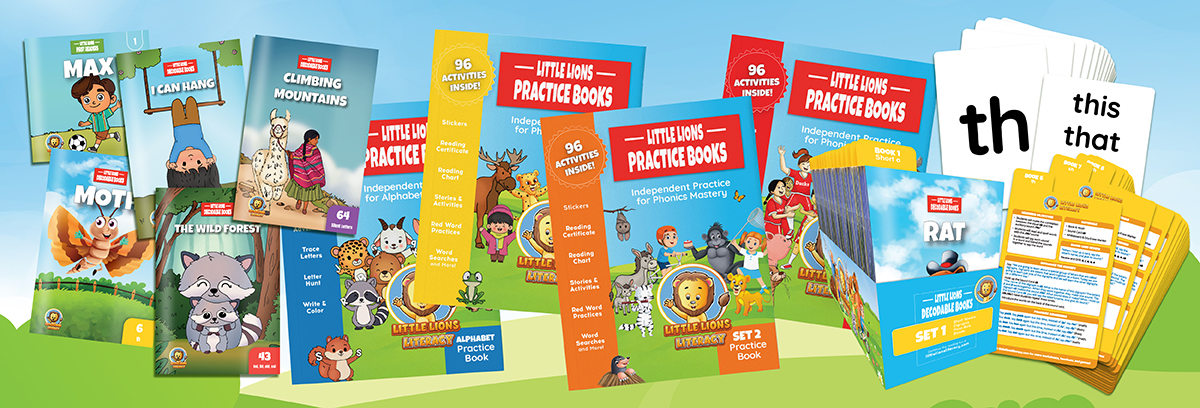
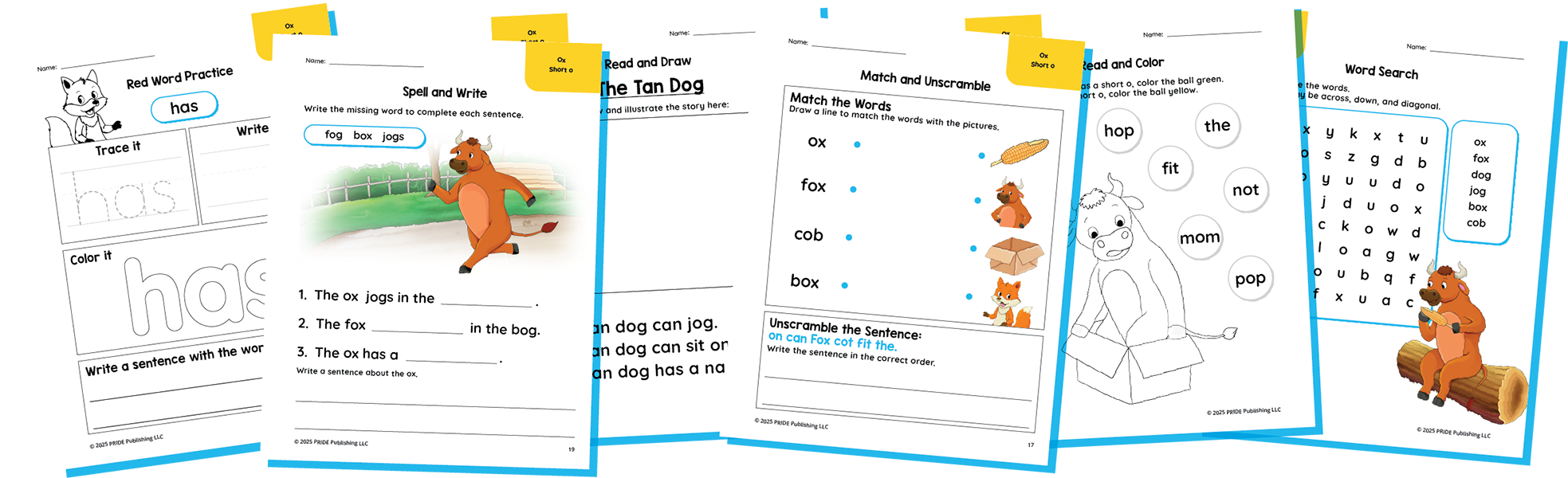
Little Lions Literacy books are designed to provide a complete and structured phonics journey. What makes this series especially helpful for parents is the comprehensive support that comes with it. The books follow a clear scope and sequence, so you always know which skills your child is working on. Many sets include parent guides with pre-reading activities to warm up, comprehension questions for after the story, and a clear list of the phonics skills covered. This structure makes it easy for you to stay involved and effectively support your child’s learning every step of the way.
If you’re worried about your child getting bored, the All About Reading Readers are a fantastic option. These books are known for their beautiful, engaging illustrations and genuinely fun storylines that capture a child’s imagination. The focus is on helping children read without guessing by using simple, decodable words in an entertaining context. This approach is great for building confidence because kids feel successful while also enjoying the story. The combination of solid phonics practice and delightful content keeps young readers motivated and eager to pick up the next book in the series.
Charge into Reading offers well-made decodable books that stick to proven phonics teaching methods. The series is very systematic, with each book in the early sets focusing on a specific short vowel sound. This provides a clear, focused learning path that’s easy for new readers to follow. A great feature of these books is the inclusion of phonics activities at the end of each story. These activities help reinforce the skills your child just practiced, making the learning more concrete and lasting. It’s a great way to combine storytime with a little extra skill-building.
Regardless of the brand you choose, the most important thing is that the books are truly decodable. This means they are written with a controlled vocabulary that aligns with the phonics skills your child has already learned. High-quality decodable texts encourage children to sound out words using their letter-sound knowledge instead of guessing from pictures or context. This practice is what builds a strong foundation for fluent reading. When you’re evaluating a series, check that it follows a logical progression, introducing new sounds and patterns systematically as your child moves through the books.
Decodable books are a hot topic in the world of early literacy, and with that comes a lot of chatter—and a few misunderstandings. It’s easy to get tangled up in conflicting advice, but let’s clear the air. When you understand the true purpose of decodable texts, you can use them to give your child a powerful start on their reading journey. Let’s walk through some of the most common myths and separate fact from fiction.
It’s a common belief that decodable books are just for preschoolers or kindergarteners who are sounding out their very first words. While they are absolutely essential at that stage, their job doesn’t end there. Think of them as a tool for reinforcement. For older students who might be struggling or need to solidify specific phonics patterns, decodable texts are an incredible resource. They provide a safe space to practice skills without the frustration of unpredictable words. These books can continue to support readers as they progress, building the confidence they need to tackle more complex material.
Some people worry that the simple, repetitive nature of decodable texts will stunt a child’s vocabulary growth. It’s true that these books use a controlled vocabulary, but that’s by design! This structure is what makes them so effective. It allows a child to focus on mastering their phonics skills without being overwhelmed. More importantly, decodable books are just one part of a child’s literary diet. You’ll still be reading rich, complex picture books aloud to them, having conversations, and exploring the world. Decodables provide the foundational skill of decoding, which ultimately allows children to read and learn all those wonderful new words on their own.
While decodable books are a cornerstone of strong phonics instruction, they aren’t meant to be the only resource in your toolkit. A child’s reading journey should be filled with a wide variety of literary experiences. This includes reading beautiful picture books together, singing nursery rhymes, and simply talking about stories. Decodable texts are for the specific practice of applying phonics rules. A comprehensive literacy program also includes building vocabulary, background knowledge, and a genuine love for stories. Think of decodables as the practice drills that make your child a star player during the main event: a lifetime of joyful reading.
Having the right decodable books is the first step, but how you use them at home can make all the difference in your child’s reading journey. Creating a positive and supportive environment turns practice into a fun activity rather than a chore. You don’t need to be a reading specialist to help your child succeed—just a few simple strategies can transform your reading time.
By incorporating a consistent routine, making the experience interactive, and doing a little prep work, you can help your child build confidence and find joy in reading. These small adjustments to your approach will reinforce the phonics skills they’re learning and show them that reading is a rewarding and enjoyable skill to master. Let’s walk through a few practical ways to make your at-home reading sessions as effective as possible.
One of the best ways to support a beginning reader is to make reading a predictable and positive part of their day. When kids know what to expect, they’re more likely to be engaged and less likely to put up a fuss. A consistent routine helps build a habit of reading and signals to your child that this is a special time for connection and learning.
This doesn’t have to be a long, drawn-out session. Just 10 to 15 minutes of focused reading together each day can have a huge impact. You could try reading right after school, before bedtime, or while a younger sibling is napping. The key is to pick a time that works for your family and stick with it. This consistency helps make reading feel like a natural and enjoyable part of life.
Reading isn’t just about saying the words correctly; it’s about understanding the story. You can support your child’s comprehension by making your reading time interactive. Asking simple questions before, during, and after reading helps your child think more deeply about the text and makes the experience more engaging. It shows them that stories have meaning and are worth paying attention to.
Before you start, look at the cover and ask, “What do you think this story might be about?” As you read, pause and ask, “What do you think will happen next?” When you finish, you can ask, “Who was your favorite character?” or “What was the silliest part of the story?” This isn’t a test—it’s a conversation that helps you support your child’s reading and makes the story come alive.
A little warm-up before you dive into a new book can set your child up for success and prevent frustration. Pre-reading activities are a quick and easy way to introduce the specific phonics skills or new words they’ll encounter in the story. This helps build their confidence, so they feel prepared to tackle the text on their own.
Before you begin, you could point out the target skill for that book. For example, say, “This book has a lot of words with the ‘ch’ sound. Let’s practice it: ch-ch-chair!” You could also pull out one or two key words from the story and practice sounding them out together. This simple parent’s guide to decodable books suggests this as a way to check which skills your child has learned. A quick, two-minute preview is all it takes to make the reading experience smoother and more successful.

Decodable books are a fantastic tool for building a strong reading foundation, but they aren’t without their quirks. As your child begins their journey with these special books, you might notice a few things that feel a bit different from the storybooks you’re used to reading aloud. This is completely normal and part of the process. The primary goal of a decodable text is to provide targeted practice with specific phonics skills, and sometimes that focus can lead to a few common challenges.
For instance, you might come across sentences that sound a bit stilted or unnatural. Because the author is limited to using only the words a child can sound out, the vocabulary can feel restricted. Another common point of confusion is how to balance this focused phonics practice with the joy of a good story. It’s easy to wonder if these simple books are enough to build a love of reading. Finally, you’ll inevitably encounter “tricky words”—those high-frequency words like the or was that don’t follow the phonics rules your child has learned yet. Seeing these can sometimes cause a new reader to stumble.
Knowing what to expect can make all the difference. These challenges are not signs that the books are flawed, but rather indicators that they are doing their specific job. With a few simple strategies, you can help your child work through these moments and keep their reading journey positive and productive.
When you and your child encounter a clunky sentence, treat it as a fun quirk of the learning process. Acknowledge it openly by saying something like, “That’s a funny way to say that, isn’t it? But you read every single word correctly!” This approach validates their observation while shifting the focus back to their success. Remind them that these books are like training wheels for reading. As they learn more and more letter sounds, their book selection will grow, and the stories will sound more complex and natural. The goal right now is practice, and they are doing a great job with it.
Think of decodable books as just one part of a rich reading diet. While your child uses them for skill-building practice, you can continue to read engaging storybooks aloud to them every day. Reading aloud exposes them to rich vocabulary, complex plots, and the pure joy of getting lost in a good story. A great way to frame this is having “their turn to read to you” with a decodable book, followed by “your turn to read to them” with a favorite picture book. This balance ensures they build essential phonics skills without missing out on the magic that makes them want to become a reader in the first place.
A great strategy for “tricky words” is to address them before you even start reading. Take a moment to flip through the book and point out any words that don’t follow the rules they know. You can say, “This word is ‘said.’ It’s a tricky one we just have to remember. Let’s see if we can spot it when we read.” This pre-teaching sets them up for success and reduces frustration. It also reinforces a key concept: a book is only truly decodable based on the specific phonics skills a child has been taught. By introducing these few irregular words upfront, you keep the reading experience smooth and focused on decoding the words they can sound out.
Once you know what to look for in a decodable book, the next step is actually finding them. Thankfully, high-quality decodable readers are more accessible than ever, whether you prefer the convenience of online shopping or browsing in person. The key is knowing where to look to find books that align with your child’s specific phonics skills and will get them excited about reading. From specialized online stores to your neighborhood bookshop, here are the best places to find the perfect decodable books for your beginning reader.
The internet is your best friend when it comes to finding a wide variety of decodable books. Websites that specialize in literacy resources are a great place to start because they curate their collections based on phonics progression, making it easier to find exactly what you need. Our own Little Lions Literacy book sets are designed to follow a clear scope and sequence, taking the guesswork out of your search. Many publishers offer detailed information online, so you can feel confident you’re choosing the right level for your child before you even click “buy.”
Don’t underestimate your local bookstore or school supply shop. While their selection might be smaller than what you’d find online, seeing the books in person can be a huge help. You can flip through the pages, look at the illustrations, and get a real feel for the story quality. If you have a store nearby that focuses on educational materials, it’s definitely worth a visit. Don’t be shy about asking the staff for recommendations—they often have great insights into which series are popular with local parents and teachers and can help you find the perfect fit for your little reader.
Decodable books are an investment in your child’s reading journey, and there are smart ways to make it more affordable. Buying books in sets or bundles is almost always more cost-effective than purchasing them one by one. This approach also ensures you have the next level ready to go as your child masters new skills. If you’re an educator, look for classroom sets, which often come with a significant discount. Organizations like The Reading League offer helpful lists of decodable text sources where you can compare options and find publishers that offer bulk pricing.

Decodable books are a game-changer for building reading skills, but like any tool, using them effectively makes all the difference. It’s easy to make a few common missteps that can lead to frustration for both you and your little reader. By being aware of these potential pitfalls, you can make sure your child gets the most out of their reading practice and continues to build confidence on their journey to becoming a fluent reader. Let’s walk through a few mistakes to avoid.
One of the biggest hurdles you can create is handing your child a book that doesn’t match their current skills. If a book is too difficult, filled with phonics patterns they haven’t learned yet, they’ll likely get frustrated and discouraged. On the flip side, if it’s too easy, they won’t be challenged and might get bored. The sweet spot is finding a book where they can successfully decode most of the words. This is why a clear phonics scope and sequence is so important. It ensures the text aligns perfectly with what your child knows, giving them just the right amount of practice to build confidence and skill.
While decodable books are essential for phonics practice, they shouldn’t be the only books in your child’s life. Think of them as the “practice” part of reading, but don’t forget the “inspiration” part! It’s crucial to continue reading aloud to your child from a wide variety of picture books with rich vocabulary and engaging stories. These read-aloud sessions build their language comprehension, introduce them to complex sentence structures, and nurture a lifelong love of stories. Decodable texts are for the child to practice reading to you, while other books are for you to share the joy of reading with them.
When your child successfully reads a book, it’s tempting to immediately move them to the next one in the series. But hold on! Rushing through the levels is a common mistake that can prevent skills from becoming truly automatic. Repetition is key for building reading fluency. Rereading the same book a few times helps your child move from slow, deliberate decoding to smooth, confident reading. This practice solidifies their understanding of the phonics patterns and builds the automaticity they need to become a fluent reader. Don’t be afraid to spend a few days on the same book—that extra practice is where the real magic happens.
My child’s decodable book sounds a bit unnatural. Is that normal? Yes, that’s completely normal! Because these books are carefully written to only include words with the specific letter sounds your child has learned, the sentences can sometimes sound a little clunky. Think of it as a feature, not a flaw. The main goal is to give your child successful practice decoding words, and this controlled vocabulary is what makes that possible.
How do I know when to move my child to the next set of decodable books? A great rule of thumb is to wait until your child can read their current book with relative ease and confidence. You’re looking for fluency, meaning they read smoothly without having to sound out every single word. Rereading the same book a few times is a fantastic way to build this skill. When they can read it comfortably, they’re likely ready for the next small step.
Should we stop reading our other picture books while using decodables? Absolutely not! Please keep reading all those wonderful, rich storybooks together. Decodable books are for your child to practice the skill of reading to you. Reading more complex picture books aloud to them builds their vocabulary, comprehension, and love for stories. A healthy reading diet includes both.
At what age should my child start using decodable books? There isn’t a magic age, as it’s more about skill than age. Decodable books are the perfect tool to introduce as soon as your child begins learning letter sounds and is ready to start blending those sounds into simple words. For many kids, this happens in preschool or kindergarten, but they are just as effective for any reader who is beginning their phonics journey.
What’s the real difference between a decodable book and a ‘leveled reader’? The main difference is the approach to unfamiliar words. Decodable books are designed so your child can sound out the vast majority of the words using the phonics rules they’ve been taught. Leveled readers, on the other hand, often encourage children to use pictures or sentence patterns to guess words, which doesn’t build the same foundational decoding skills.