
What if one simple trick could completely change your child’s approach to reading new words? That trick is knowing that long vowels “say their name.” This single, memorable rule is the heart of the difference in the long vowels vs short vowels puzzle, and it’s an absolute game-changer for new readers. It gives them a reliable strategy to try when they encounter a new word, replacing frustrating guesswork with confident problem-solving. This guide is built around that powerful idea. We’ll show you how to teach this concept and other common vowel patterns using fun, multi-sensory activities that turn learning into a game and set your child on the path to reading success.
When your child starts learning to read, the world of vowels can seem a little tricky. After all, the letters A, E, I, O, and U are in almost every word! The key to decoding them is understanding that each vowel makes at least two sounds: a long sound and a short sound. Getting a handle on this difference is a major milestone for new readers and sets them up for success. Let’s break down exactly what long and short vowels are and how you can spot them.
The easiest way to remember the long vowel sound is that the vowel “says its name.” It’s that simple! When you hear a long vowel, it sounds exactly like the letter name you learned in the alphabet song. For example, the ‘a’ in cake sounds like the letter A, and the ‘o’ in boat sounds like the letter O. These sounds have a longer, more drawn-out quality. You’ll often find long vowels in words that have two vowels together (like in feet) or words that end with a silent ‘e’ (like in bike). Mastering these common vowel spellings helps children read a huge number of new words.
Short vowels are the opposite—they don’t say their name. Instead, they have their own unique, quick sound. Think of the vowel sounds in these simple words: the ‘a’ in cat, the ‘e’ in bed, the ‘i’ in pig, the ‘o’ in top, and the ‘u’ in sun. Each one is short and distinct. Short vowels are most often found in what are called “closed syllables,” where a vowel is followed by at least one consonant. This is why they are so common in three-letter, consonant-vowel-consonant (CVC) words, which are the building blocks of reading for many children.
So, how can you tell the difference? It comes down to two things: sound and spelling. The first clue is always the sound. Ask your child, “Does the vowel say its name?” If it does, it’s a long vowel. If it makes a different sound, it’s a short vowel. The second clue is looking at the letters around the vowel. If you see a vowel followed by a consonant and then a silent ‘e’ (hom**e), it’s usually a long vowel. If you see two vowels next to each other (team), that’s another sign of a long vowel. On the other hand, a single vowel sandwiched between two consonants (hat) almost always makes a short sound. Recognizing these phonics rules gives kids a reliable strategy for sounding out new words.
The best way to understand the difference between long and short vowels is to hear them. Vowels are the music of our language, and their sounds can change completely depending on the letters around them. When you’re teaching a child to read, tuning their ear to these different sounds is a foundational step. It helps them move from simply memorizing words to actually decoding them. Let’s listen to the distinct sounds each vowel type makes and explore a few simple tricks to help your child remember them.
Short vowel sounds are the quick, clipped sounds you hear in many simple three-letter words. They don’t sound like the vowel’s name at all. Think of them as the most common, basic sound each vowel makes.
Say these words out loud and pay close attention to the vowel sound in the middle:
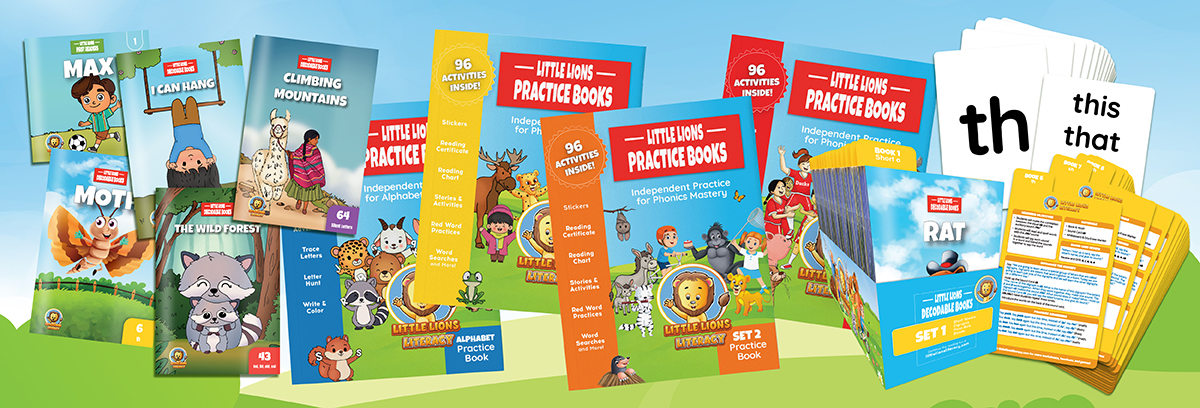
These sounds are often the first ones children learn because they appear in so many consonant-vowel-consonant (CVC) words. Our decodable books start with these sounds to build a strong and confident foundation.
Long vowel sounds are easy to remember because they “say their name.” When you hear a long vowel in a word, it sounds exactly like it does when you recite the alphabet. These sounds are typically found in words with more complex spelling patterns, which we’ll cover later.
Listen for the vowel’s name in these examples:
Notice how the sound is more drawn out compared to the short, punchy sounds of short vowels? Hearing this difference is the key to mastering vowels.
Helping your child remember the difference doesn’t have to be complicated. The most effective trick is the one we just covered: long vowels say their name. This simple rule is a game-changer for so many young readers. You can even turn it into a fun call-and-response game. When you see the letter ‘a’ in a word, ask, “Does it say /ă/ or does it say its name, /ā/?”
For short vowels, it helps to have a keyword to anchor each sound. For example, associate ‘a’ with ‘apple’ or ‘i’ with ‘itchy.’ Using hand motions can also help. Try a quick tap on the table for a short vowel and a long, slow drag of your finger for a long vowel. Fun, memorable songs about vowels can also make these concepts stick.
Once your child can hear the difference between long and short vowels, the next step is connecting those sounds to letters on a page. This is where spelling patterns come in. Think of these patterns as reliable clues that help your little reader decode words without having to memorize every single one. Instead of seeing a jumble of letters, they’ll start to recognize familiar chunks and combinations that tell them which sound a vowel is going to make.
Teaching these common patterns gives children a powerful tool for tackling new words with confidence. It shifts the focus from rote memorization to active problem-solving. When a child learns that a silent ‘e’ at the end of a word changes the vowel sound, they’ve learned a key that works for hundreds of words, not just one. Our goal is to help them see that reading isn’t random; it’s a system with rules that they can learn to master. By starting with the most frequent and reliable patterns, we build a solid foundation for all the reading they’ll do in the future.
The most common pattern for short vowel sounds is the Consonant-Vowel-Consonant, or CVC, pattern. This is one of the first spelling rules children learn because it’s so consistent and applies to many simple, everyday words. When a single vowel is sandwiched between two consonants, it almost always makes its short sound.
Think of words like cat, pen, sit, hop, and sun. In each one, the vowel is “closed in” by consonants, which is the visual clue for a short sound. You can practice this by building words with letter tiles or magnetic letters, swapping out the vowel to show how the sound changes. Mastering CVC words is a huge milestone for early readers and the perfect starting point for phonics instruction.
Long vowel sounds have a few common patterns that your child will start to recognize. One of the most famous is the CVCe pattern, where a silent ‘e’ at the end of the word makes the first vowel say its name. We often call this the “magic e” or “bossy e.” For example, the ‘a’ in cap is short, but add an ‘e’ to make cape, and the ‘a’ becomes long.
Another frequent pattern is the vowel team, where two vowels appear next to each other. A helpful rhyme for this is, “When two vowels go walking, the first one does the talking.” This is true in words like rain (ai), boat (oa), and feet (ee). Recognizing these vowel teams helps kids see two letters but hear just one long vowel sound.
Just when you feel like you’ve got the patterns down, a word like have or said comes along to break the rules. It’s important to acknowledge that the English language can be tricky! This isn’t because the rules are bad, but because English has a rich and complex history of borrowing words from other languages. As a result, some words follow spelling patterns from their original language, not modern English.
These “rule-breakers” are often taught as sight words or heart words—words kids learn to recognize automatically. Don’t let them cause frustration. Instead, treat them as interesting exceptions. The goal is to build a strong foundation with the most common patterns first. This gives your child the confidence to tackle both regular words and the quirks of English spelling as they encounter them.
Once your child understands what long and short vowels are, the next step is learning to spot them in the wild. It can feel like a puzzle at first, but there are a few simple clues—both visual and auditory—that can help them become confident vowel detectives. Let’s walk through how to find them.
Often, the letters surrounding a vowel give it away. Short vowels love to be cozy and are usually found in closed syllables, where a consonant follows right after them, like the ‘t’ in “cat.” This pattern closes the door on the vowel, keeping its sound short and quick.
Long vowels, on the other hand, often have a buddy. You’ll typically see them in words with two vowels side-by-side (like the ‘oa’ in “boat”) or with a silent ‘e’ at the end (like in “cake”). This silent ‘e’ has a special job: it gives all its power to the other vowel, telling it to say its name. Teaching kids to look for these common spelling patterns helps them decode words visually.
The easiest trick for telling vowels apart is that long vowels say their own name. The long ‘a’ sounds like ‘ay’ (as in ‘cake’), while the short ‘a’ sounds like ‘ah’ (as in ‘cat’). This rule holds true for all the vowels. The long ‘i’ says its name in “bike,” but the short ‘i’ makes an ‘ih’ sound in “pig.”
Have your child say the alphabet slowly, listening to the name of each vowel: A, E, I, O, U. Those are the long vowel sounds! You can find plenty of catchy songs online that repeat these sounds, which helps lock them into a child’s memory. This simple auditory trick is a game-changer for many young readers.
Knowing the rules is one thing, but applying them takes practice. To help your child learn the difference, it’s helpful to practice identifying long and short vowels in words. You can do this by playing simple sorting games with flashcards—one pile for short vowel words like “sun” and another for long vowel words like “tune.”
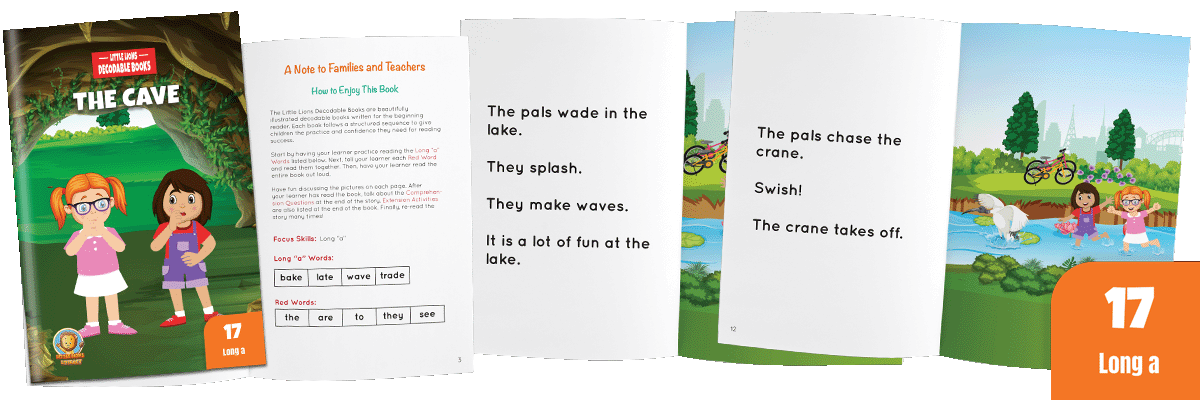
Another great activity is to say a word aloud and have your child give a thumbs-up for a long vowel or a thumbs-down for a short one. The key is repetition in a fun, low-pressure way. Using decodable books is an excellent way to put this skill into practice, as they are designed to let children find and read words with the vowel patterns they’ve just learned.
Teaching vowels is a huge milestone in a child’s reading journey, but it’s also a place where a few common trip-ups can happen. The good news is that these are easy to sidestep once you know what to look for. By avoiding a few common pitfalls, you can make the learning process smoother and more effective for your little reader. Let’s walk through what they are and how you can set your child up for success from the very start, building a solid foundation that will support them for years to come.
One of the biggest points of confusion comes from the names themselves: “long” and “short.” It’s natural to think these terms refer to how long you hold the sound, but that’s not quite right. In phonics, a “long vowel” is one that says its name, like the ‘a’ in cake or the ‘o’ in boat. A “short vowel” makes a different sound, like the ‘a’ in cat or the ‘o’ in pot. Focusing on this simple rule—that long vowels say their name—is much clearer for kids than trying to explain sound duration. The distinction is all about the quality of the sound, which is shaped by the position of the tongue and jaw, not how many milliseconds it takes to say it.
It can be tempting to teach all the vowel sounds at once, but the order you introduce them in really matters. It’s best to start with short vowel sounds first. Why? Because they are far more common in the simple, three-letter words that new readers start with (think cat, hen, pig, dog, bug). Mastering these foundational sounds first helps children build confidence and gain momentum. Once they feel successful with short vowels, they’ll be much more prepared to tackle the various spelling patterns of long vowels. This structured literacy approach ensures you’re building skills layer by layer, which is the key to lasting understanding.
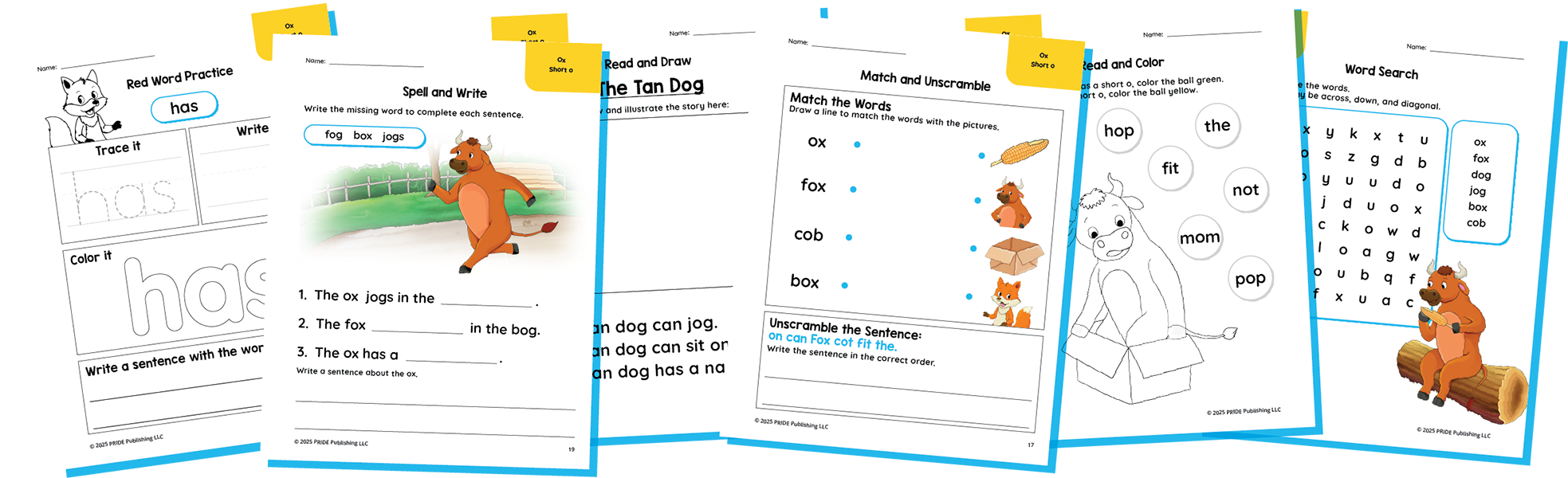
Every child learns differently, so relying on just one teaching method can leave some kids behind. A one-size-fits-all approach rarely works in reading. Instead, bring in a variety of fun, hands-on activities to keep your child engaged. You can practice vowel sounds by tracing letters in a sand tray, building words with magnetic tiles, or singing silly songs about vowels. The goal is to make learning a multi-sensory experience. By incorporating touch, movement, and sound, you reinforce the concepts in different ways, which helps the information stick. This approach makes learning feel like play and caters to the diverse needs of learners.
Once a child understands the difference between long and short vowels, it’s time to practice. The goal is to make identifying these sounds second nature, and the best way to do that is through play. Turning vowel practice into a game helps solidify these foundational concepts without feeling like a chore. When kids are having fun, they’re more engaged and the lessons stick.
The key is to offer a variety of activities that appeal to different learning styles. Some children learn best by moving their bodies, while others connect with music or visual patterns. By incorporating a mix of hands-on games, sorting activities, and catchy rhymes, you can reinforce vowel sounds in a way that feels fresh and exciting. These activities don’t require fancy supplies—just a bit of creativity and a willingness to make learning an adventure. Below are a few simple yet effective ideas to get you started.
Engaging multiple senses is a powerful way to help information stick in a child’s brain. Multi-sensory learning simply means using touch, movement, sight, and hearing to explore a concept. Instead of just looking at letters on a page, kids can feel their shapes and hear their sounds in a more interactive way. For example, tapping out sounds on their arm or writing letters in a sand tray can make abstract phonics rules feel more concrete. You can also use magnetic letters, build words with play-doh, or have them trace letters on textured paper. These hands-on activities make learning vowels an active experience, not a passive one.
Word sorts are a fantastic, low-prep activity for teaching kids to recognize vowel patterns. The concept is simple: you give your child a stack of word cards and have them sort them into categories based on their vowel sounds. For instance, they could sort words into a “short a” pile (like cat, map, ran) and a “long a” pile (cake, rain, play). This exercise trains their brain to see the spelling patterns that create each sound. You can make it more engaging by creating a simple game board or turning it into a timed challenge. Word sorts help children become phonics detectives, actively looking for clues within words.
Music and rhythm are incredible tools for memory. Think about how easily kids remember the lyrics to their favorite songs! You can apply that same principle to vowels. Simple, catchy songs that repeat the short and long vowel sounds can help cement them in a child’s mind. You don’t have to be a musician—there are tons of great vowel songs for kids available online. Pairing these songs with visual aids, like an anchor chart with pictures for each sound (A is for apple and ape), provides another layer of support. Rhyming games also reinforce vowel sounds while building phonological awareness, a critical skill for reading.
Now that you understand the what and why of long and short vowels, let’s get into the how. Teaching vowels isn’t about endless drills or memorizing long lists of rules. It’s about using smart, engaging strategies that stick with your child. The goal is to help them build a deep understanding of how these sounds work, creating a solid base for their entire reading journey. By tailoring your approach to their needs and making learning fun, you can turn potential frustration into a real sense of accomplishment. Let’s look at a few practical ways to make that happen, whether your child is just starting out or needs a little extra support along the way.
What works for a first grader might go right over a preschooler’s head. The key is to match the activity to your child’s developmental stage. Young children especially benefit from repetition with variety. For little learners, focus on multi-sensory activities that engage their hands, ears, and eyes. Think about tracing vowel shapes in a sand tray, forming letters with playdough, or singing songs about vowel sounds. As they get older, you can introduce more structured activities like tapping out sounds in a word or sorting picture cards by their vowel sound. The more playful and hands-on you make it, the more the concepts will sink in.
If your child is finding vowels tricky, take a deep breath. It’s a common hurdle, and a little extra support can make all the difference. One of the best things you can do is make the abstract concept of vowels more concrete. For example, you can use letter tiles or cards. Say a word like “cat” and have your child build it using the tiles. This simple action helps reinforce the connection between sounds and letters in a physical way. It’s also helpful to use resources that provide focused practice. Our decodable book sets are designed for this very purpose, introducing vowel sounds systematically so your child can build confidence one story at a time.

Consistency is more important than intensity. Short, fun, and frequent practice sessions are far more effective than long, overwhelming ones. A great way to do this is by turning learning into a game. You can create a simple game board with long vowel words in each space and use a die to move pieces along the board, reading the words as you land on them. You can also play “I Spy” with vowel sounds (“I spy something in the kitchen with a short /o/ sound”). By weaving these simple phonics games into your daily routine, you show your child that learning is an enjoyable part of life, building a positive and strong foundation for all their future reading.
Why is it better to teach short vowels before long vowels? Starting with short vowels is usually the most effective approach because they are so common in the simple, three-letter words that kids learn first, like cat, pen, and sun. Mastering these consistent sounds helps children build a strong foundation and experience early success. Once they feel confident decoding these CVC (consonant-vowel-consonant) words, they are much better prepared to learn the more complex spelling patterns that create long vowel sounds.
What’s the simplest way to explain the “magic e” rule to my child? I like to call it the “bossy e” or “super e.” Explain that when an ‘e’ sits at the end of a short word, it doesn’t make a sound itself. Instead, it uses all its power to tell the other vowel in the word to “say its name!” You can show this with letter tiles. Start with the word cap. Have your child read it. Then, add an ‘e’ to the end to make cape and show them how the ‘a’ sound changes from short to long. This visual trick makes the concept click for many kids.
My child is still confusing the sounds. What’s one quick game we can play to practice? A simple sorting game is perfect for this. Write a mix of short and long vowel words on sticky notes or small cards (e.g., hat, hate, pin, pine, hop, hope). Then, draw two columns on a piece of paper, one for short sounds and one for long sounds. Have your child read each word and place it in the correct column. This activity helps them visually and audibly distinguish the patterns and sounds in a low-pressure way.
What should I do when we find a word that breaks the vowel rules? Acknowledge it! It’s helpful to tell your child that English can be a bit quirky because it has borrowed words from many other languages. You can call these “heart words” or “trick words”—words we have to learn by heart because they don’t play by the usual rules. Don’t let them cause frustration. Simply point it out, practice it a few times, and move on. The goal is to master the common patterns first, which will give them the tools to read most words they encounter.
How do I know if my child is ready to learn about long vowels? A great sign is when your child can confidently and accurately read short vowel words, especially CVC words like sit, log, and mop. If they can sound these out with ease and automatically recognize the short vowel sound in the middle, they likely have the strong foundation needed to start exploring long vowel patterns like the silent ‘e’ or vowel teams.