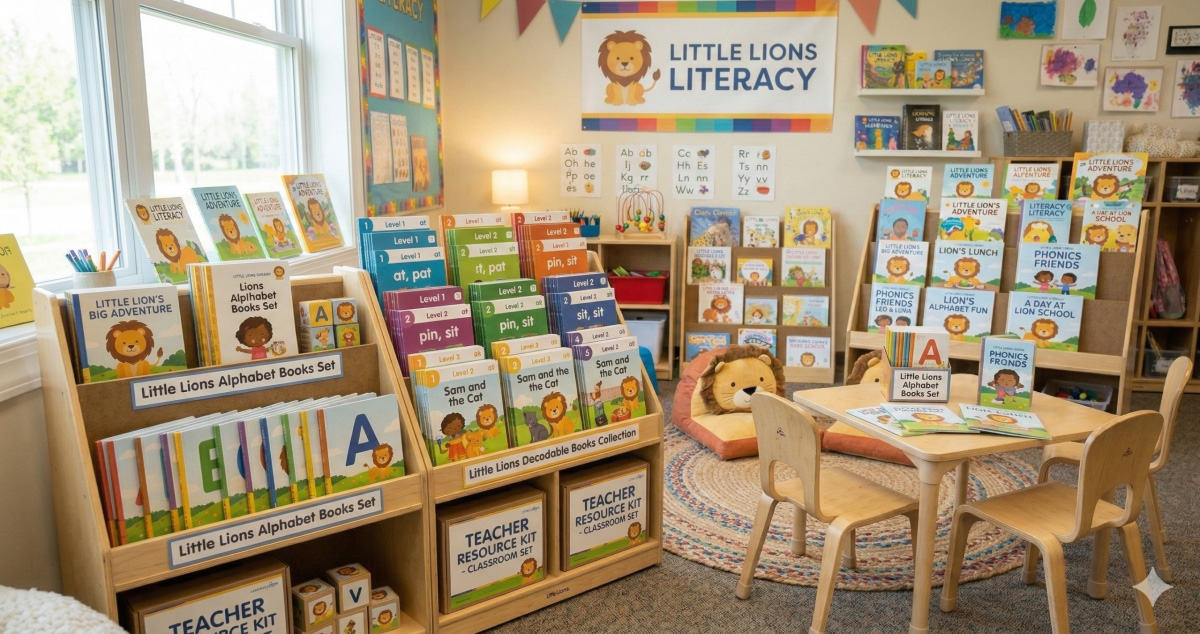
Let’s clear the air about decodable readers. You may have heard they’re boring, stilted, or only for students who are falling behind. While that might have been true of older versions, today’s decodable books are different. They feature engaging plots and charming characters that kids genuinely enjoy. More importantly, they provide essential, systematic practice for all beginning readers, not just those who struggle. This guide will dispel the common myths and show you how to build a vibrant decodable readers classroom library that supports every child on their journey to becoming a confident, capable reader.
If you’re building a library for new readers, you’ve probably heard the term “decodable readers.” So, what are they? Simply put, decodable readers are books written for children who are just beginning their reading journey. The stories are crafted using words that feature the specific letter-sound patterns, or phonics skills, that a child has already been taught. For example, if a student has learned the short ‘a’ sound, their decodable book will be full of words like ‘cat,’ ‘Sam,’ and ‘ran.’
This intentional design is what makes them so important. Instead of asking children to guess words from pictures or memorize them, decodable books empower kids to use their growing phonics knowledge to sound out words themselves. This process builds confidence and reinforces the crucial connection between letters and sounds. Each page they successfully read proves to them that they can read, turning what could be a frustrating experience into a series of rewarding wins. They are a foundational tool for helping children see themselves as capable, successful readers from the very start.
Decodable books are the perfect practice partners for explicit phonics lessons. After you teach a new letter-sound correspondence, you can hand a child a decodable text that allows them to apply that skill immediately in the context of a real story. This direct application is where the learning really sticks. It bridges the gap between knowing a phonics rule and using it to make meaning.
As children practice, they begin to decode words more quickly and automatically, which is the foundation of reading fluency. Using decodable books gives students the opportunity to master decoding skills, freeing up their mental energy to focus on what the story is actually about—the ultimate goal of reading.
It’s easy to confuse decodable readers with leveled readers, but they are built on different principles. Decodable books are controlled by the phonics skills they contain. The vocabulary is limited to letter-sound patterns students have already learned. This ensures children can sound out the vast majority of the words.
Leveled readers, on the other hand, are organized by difficulty using a variety of factors like sentence length, predictability, and picture support. They often include words with complex or irregular spelling patterns that a child hasn’t been taught yet, encouraging them to rely on guessing from context or pictures. While well-intentioned, this can undermine phonics instruction. Decodable books are specifically designed to align with the phonics skills students are learning, making them a more direct tool for building decoding ability.
A couple of common misconceptions about decodable readers are worth clearing up. The first is that they are only for children who are struggling with reading. While they are an incredible support for students who need extra practice, decodable books benefit all early readers. They provide the structured, systematic practice that every child needs to build a solid foundation in decoding.
Another myth is that decodable books are boring or that they should be the only texts a child reads. While older decodables may have had stilted language, today’s options feature engaging stories and beautiful illustrations. More importantly, they are just one part of a rich literacy diet. Decodables serve a specific, temporary purpose: to practice decoding. They should always be used alongside high-quality read-alouds and other books that build vocabulary, knowledge, and a lifelong love of reading.
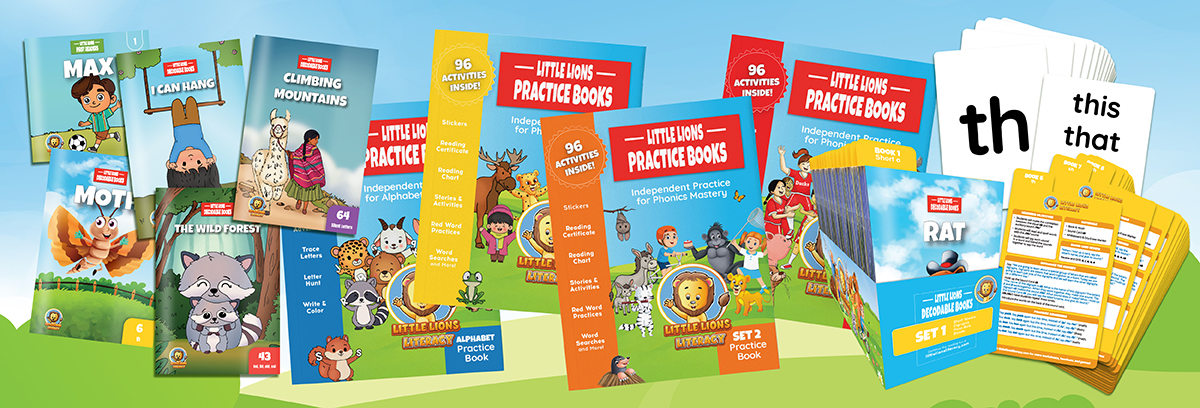
Once you’re on board with decodable readers, the next step is filling your library shelves. But with so many options out there, how do you choose the right ones? The truth is, not all decodable books are created equal. The best ones do more than just provide decoding practice; they build confidence, spark curiosity, and make children feel like successful readers from the very first page. This is a critical distinction, because a positive early experience with books can shape a child’s entire relationship with reading. A book that feels achievable and fun tells a child, “You can do this.” A book that is confusing or boring can send the opposite message.
That’s why it’s so important to be intentional when building your classroom library. Think of yourself as a curator. Your job is to find materials that strike the perfect balance between skill-building and pure enjoyment. You’re looking for books that align with your phonics instruction, of course, but also books with real plots, charming characters, and illustrations that pull kids into the story. When a child gets so lost in a narrative that they forget they’re practicing a skill, you know you’ve found a winner. Below, we’ll cover the three most important factors to consider: a progressive phonics sequence, engaging content, and themed collections to keep things fresh.
The most effective decodable readers aren’t random stories; they are part of a carefully structured system. These books are designed to align with a specific phonics scope and sequence, introducing new letter-sound correspondences gradually and systematically. This approach ensures you can “select decodable books that match the phonics skills in your program, progressing in difficulty as students gain.”
When a child picks up a book and finds it’s filled with words they can successfully sound out, it’s a massive confidence builder. This success is by design. Following a clear progression means you can hand a student a book knowing they have the tools to read it. Our Little Lions Literacy sets are built on this principle, with each book building directly on the skills learned in the last.
Let’s be honest: early decodable readers had a reputation for being a bit dry. Thankfully, those days are largely behind us. Today’s best decodable books feature real plots, charming characters, and beautiful illustrations that draw children into the story. As Publishers Weekly noted, a recurring issue for educators was that “students struggled to connect with the decodable texts available,” highlighting the need for engaging stories that resonate with young readers.
When a child is invested in finding out what happens next, they are more motivated to apply their phonics skills and work through challenging words. Look for books with humor, adventure, and relatable themes. The goal is for children to get so lost in the story that they almost forget they are practicing a skill.
Variety is key to keeping young readers excited. Offering books on different topics and in different styles allows children to find something that truly interests them. One great strategy is to organize your library with themed collections. As literacy experts at BrainSpring suggest, themed sets can “help maintain interest and encourage exploration.”
You could have collections focused on animals, space, friendship, or funny folktales. When a student finishes a book about a silly pig, they’ll be thrilled to discover there are four more books about that same character. This not only encourages more reading but also helps build background knowledge and vocabulary around specific topics, creating a richer and more rewarding reading experience.
Once you know what you’re looking for, the next step is finding the right brand to fill your classroom library shelves. With so many options out there, it can feel a little overwhelming. The good news is that many publishers have created high-quality, engaging decodable books that kids genuinely love to read. The best choice for your classroom will depend on your existing phonics curriculum, your students’ needs, and your budget.
Some brands offer comprehensive sets that align perfectly with a specific scope and sequence, which is a huge time-saver for teachers. Others focus on creating beautiful, story-driven books that capture a child’s imagination from the very first page. Think about what matters most to you. Do you need a grab-and-go solution that integrates seamlessly with your lessons? Or are you looking for supplemental texts to add variety and excitement to your reading block? There’s no single right answer, and what works for one classroom might not be the best fit for another. The goal is to find resources that support your instruction and get your students excited about reading. Below are a few of the most trusted brands that educators turn to for effective and engaging decodable readers.
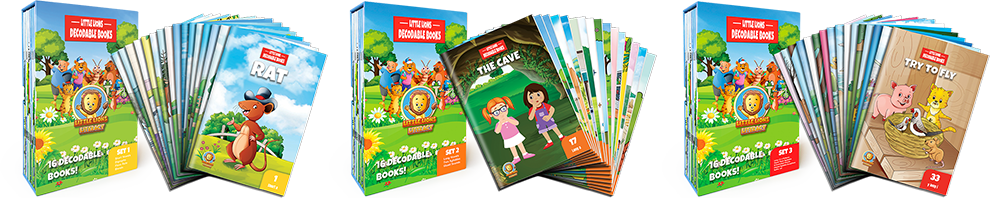
We couldn’t make a list of top brands without including our own! At Little Lions Literacy, we focus on creating decodable book sets that are as fun as they are effective. Our books follow a clear and systematic phonics progression, ensuring that children build their skills sequentially. We understand the real-world challenges teachers and school districts face when implementing decodables, and our resources are designed to be practical and easy to integrate into any literacy block. Our goal is to provide stories that not only build strong foundational skills but also help children develop a lifelong love of reading. The colorful illustrations and engaging plots keep little ones excited to pick up the next book in the series.
If you’re already using Heggerty for your phonemic awareness instruction, their decodable readers are a natural fit. Heggerty is a well-respected name in early literacy, and their books are specifically designed to complement their popular phonics lessons. This alignment creates a cohesive and streamlined experience for young learners, as the skills they practice in their lessons are immediately reinforced in the books they read. According to Heggerty, their decodable books are crafted to help students apply their phonics knowledge in a meaningful context. This direct connection between instruction and application is key for helping new readers build confidence and fluency.
Just Right Reader offers decodable libraries and phonics programs tailored for both schools and families. This makes them a fantastic option for educators looking to strengthen the school-to-home connection and provide parents with resources to support their child’s reading journey. As their name suggests, their focus is on providing kids with books that are at the perfect level to build skills without causing frustration. Their collections are designed to help children feel successful and motivated as they move through different phonics patterns. The versatility of their offerings makes them a flexible choice for various classroom settings and learning environments.
If you’re looking to build a truly extensive classroom library, Benchmark Education is a great place to start. Their Decodable Reader Library is a massive collection of nearly 300 books, providing an incredible amount of variety for students in kindergarten through second grade. Having such a wide range of high-quality titles at your fingertips means you can always find the right book for the right skill and the right student. This extensive library helps keep reading time fresh and exciting, preventing kids from getting bored with the same few stories. It’s an excellent resource for differentiating instruction and ensuring every reader in your classroom has plenty of engaging texts to practice with.
Having a library of decodable books is the first step, but the real magic happens when you integrate them thoughtfully into your daily instruction. Using these books effectively helps children connect the phonics skills you’re teaching to the act of reading, building a solid bridge to fluency. It’s all about creating a seamless experience where students can immediately apply what they’ve learned in a supportive context. By being intentional with how you use decodable readers, you can transform them from simple practice tools into powerful confidence-builders. Here are a few practical ways to make decodable readers a cornerstone of your literacy block.
The most effective way to use decodable readers is to align them perfectly with your phonics instruction. When you teach the short ‘a’ sound, students should practice with books focused on short ‘a’ words. This immediate application is crucial. It shows them that the isolated skills they’re learning have a real purpose: to make sense of the words in a story. This targeted practice prevents frustration and builds a huge sense of accomplishment. As students master one skill, you can introduce books that incorporate it alongside the next one. This systematic approach is why using a structured literacy program with a clear scope and sequence is so important for building a strong reading foundation.
Reading and writing are two sides of the same coin, and they reinforce each other beautifully. After a child reads a decodable text, extend the learning with a writing activity that uses the same phonics pattern. For example, if the book focused on CVCe words, you could do a simple sentence dictation using words like “make,” “hike,” or “rope.” You could also have them write their own short story using a list of target words from the book. These phonics-based writing exercises help solidify the connection between sounds and letters, moving the knowledge from passive recognition to active application. It’s a simple yet powerful way to deepen their understanding.
Decodable readers are for practice, not the only reading material a child should ever see. While decodables give children the opportunity to apply their growing phonics skills, it’s equally important to expose them to rich, complex stories through read-alouds. These experiences build vocabulary, background knowledge, and comprehension skills—all essential parts of the reading puzzle. The Simple View of Reading shows us that strong reading comprehension requires both decoding skills and language comprehension. So, use decodables for the “learning to read” part of your day and continue to share beautiful, engaging picture books to foster a deep and lasting love of stories.
An organized library is an accessible library. To make your decodable readers easy to find and use, create a system that works for you and your students. Many teachers find success organizing books in labeled bins according to the specific phonics skill or the sequence number in the series. This makes it simple to grab the right books for a small group lesson. It also empowers students to find books they can read successfully on their own during independent reading time. A clear classroom library organization system not only saves you time but also helps children take ownership of their reading journey by making it easy for them to select a “just right” book.

Building a rich classroom library is one of the most rewarding parts of setting up your learning space, but let’s be real—teacher budgets are tight. The good news is you don’t need to spend a fortune to fill your shelves with high-quality decodable readers. With a bit of planning and some savvy shopping, you can get the resources your students need to become confident readers.
Stocking your library is an investment in your students’ literacy journey, and every dollar counts. Instead of buying books one by one, think strategically about how you can get the most value. From purchasing in bulk to seeking outside funding, there are plenty of ways to acquire fantastic decodable books without draining your personal or classroom funds. Here are a few practical tips to help you build an effective and affordable decodable library.
One of the most straightforward ways to save money is by purchasing books in classroom sets. Buying books individually adds up quickly, but publishers often provide significant discounts for bulk orders. These sets are designed specifically for classroom use, typically including multiple copies—often six—of each title. This format is perfect for small-group instruction, guided reading, and literacy centers, ensuring you have enough books for a group of students to work with the same text simultaneously. Look for companies that offer comprehensive classroom sets that align with your phonics scope and sequence.
A little patience can go a long way. Keep an eye out for sales events, especially around the back-to-school season, Black Friday, or the end of the school year when publishers are clearing out inventory. The best way to stay in the loop is to sign up for the email newsletters of your favorite decodable reader brands. This way, you’ll be the first to know about promotions and special offers. Some companies may also offer subscription models, which can be a budget-friendly way to receive new books throughout the year, keeping your library fresh and exciting for your young readers.
Don’t forget to look for funding outside of your school’s budget. There are many organizations dedicated to supporting childhood literacy that offer grants to teachers and schools. Start by researching local opportunities from community foundations or area businesses. You can also explore national programs that provide funding for classroom resources. Websites like DonorsChoose allow you to crowdfund specific projects, while other organizations offer dedicated literacy grants you can apply for directly. It takes some effort to write a grant proposal, but securing funding can make a massive difference in the quality and quantity of books you can provide for your students.
How do I know if my child is ready for decodable readers? Your child is ready to start with the very first level of decodable readers once they know a handful of letter sounds and can blend them together to read simple three-letter words. They don’t need to know the whole alphabet to begin. The earliest books are designed to use only a few specific letter sounds, so you can start as soon as your child has mastered the sounds featured in that first book.
Should my child only read decodable books? Not at all! Think of decodable books as a specific tool for a specific job: practicing how to sound out words. They are essential for building decoding skills, but they are just one part of a healthy reading diet. You should continue to read engaging, vocabulary-rich picture books aloud to your child every day. This builds their comprehension, background knowledge, and most importantly, their love for stories.
What should I do if my child gets stuck on a word in a decodable book? The goal is to guide them to solve the word themselves, not to just give them the answer. If they get stuck, resist the urge to tell them the word right away. Instead, prompt them to use their skills. You can say something like, “Let’s touch each letter and say its sound,” or “What’s the first sound in that word?” This reinforces the strategy of sounding out and builds their confidence as a problem-solver.
When can my child move on from decodable readers? Decodable readers are a temporary support system, like training wheels on a bike. Your child can start transitioning away from them once they are able to sound out words automatically and with little effort. You’ll notice they can read their decodable books fluently and are starting to pick up other simple, non-decodable books and read them with success. The move is gradual, not a sudden stop.
What’s the most important feature to look for when choosing a set of decodable books? The single most important thing is that the books follow a clear and systematic phonics sequence. This means each book or set introduces a new letter-sound skill and builds directly on the skills that came before it. This careful progression ensures that your child will always have the tools they need to read the words in their book, which is the key to building their skill and their confidence.