Many parents believe that teaching a child to read is a job best left to the experts in a classroom. The truth is, you are your child’s first and most important teacher. Creating a foundation for literacy doesn’t require a rigid curriculum or hours of drills. It’s about finding small, joyful moments in your day to play with sounds and letters. This guide demystifies the process and shows you how to teach phonics at home in a way that feels natural and fun for both of you. We’ll give you practical, hands-on activities that turn learning into a game, helping you build a strong reader and make sweet memories along the way. You have everything you need to get started right now.
Ever wonder how your child will make the leap from singing the ABCs to reading their first book? The bridge between those two milestones is phonics. It’s a method of teaching reading that gives kids the tools to decode words on their own, turning them into confident, independent readers.
Think of phonics as the instruction manual for our written language. It’s the system that connects the letters on a page (graphemes) to the sounds they represent (phonemes). Instead of asking kids to memorize thousands of words, phonics teaches them the code. According to literacy experts at Oxford Owl, “Phonics is the main way schools teach children to read. It helps children learn the connection between letters and the sounds they make.” This approach is a core component of the science of reading, which emphasizes explicit, systematic instruction to build a strong foundation for literacy.
At its heart, phonics is about putting puzzle pieces together. First, a child learns the sound of an individual letter, like the /m/ sound for the letter M. Then, they learn how to blend those individual sounds together to form a complete word. For example, they learn to connect the sounds /m/, /a/, and /t/ to read the word mat. This process, called decoding, empowers children to tackle new and unfamiliar words. They no longer have to guess or rely on pictures for clues. They have a reliable strategy for figuring out what the words on the page say.
You can introduce the building blocks of phonics much earlier than you might think. It all starts with developing phonological awareness, or the ability to hear and play with the sounds in spoken language. As Scholastic notes, “In preschool and early kindergarten, kids learn about sounds in language and recognize letters and their sounds.” This can be as simple as clapping out syllables in names, singing rhyming songs, or pointing out the first letter in your child’s name. These playful activities lay the groundwork for more formal phonics instruction as they get closer to kindergarten, making the process feel natural and fun.
Phonics isn’t a single, giant skill your child has to master all at once. Think of it more like a set of building blocks. They’ll learn to stack one skill on top of another, creating a strong foundation for reading and spelling. As you guide them at home, you’ll see them progress through these key stages. It starts with recognizing that letters make sounds and blossoms into the amazing ability to decode words on a page and write them down. Understanding these steps helps you know what to expect and how to best support your little learner on their reading journey.
This is the starting line for every reader. It’s the process of connecting a letter’s shape with the sound it makes. For example, your child will learn that the letter ‘s’ isn’t just called “ess”—it makes the /sss/ sound you hear in “snake.” Phonics teaches children how to sound out words by linking what we say to what we read and write. Mastering these individual letter-sound relationships is the first critical step. It gives your child the basic tools they need before they can start putting them together to build words.
Once your child knows their letter sounds, the real magic begins. Blending is the skill of stringing those individual sounds together to read a whole word. As experts at Oxford Owl explain, children learn to “put these sounds together (called blending) to make words (like m-a-t makes ‘mat’).” You’ll see your child point to the letters c-a-t, say each sound out loud—/k/ /a/ /t/—and then smooth them together to say “cat!” This is often a huge “aha!” moment for young readers, where they realize they can figure out words all by themselves.
If blending is for reading, segmenting is its partner for spelling. Segmenting is the ability to hear a whole word and break it apart into its individual sounds. To spell the word “sun,” for example, a child needs to hear the /s/, /u/, and /n/ sounds in order. This skill helps them understand a word’s structure so they can find the right letters to write it down. It shows them that reading and writing are deeply connected, building confidence in both areas. It’s a foundational skill for becoming a confident writer.
This skill, often called phonemic awareness, is all about sound—no letters required! It’s the ability to hear, identify, and play with the smallest individual sounds (or phonemes) in spoken words. Can your child tell you the first sound in the word “ball”? Can they take the word “man” and change the first sound to make “pan”? These phonemic awareness activities build a strong auditory foundation that makes learning to connect those sounds to letters much easier. It’s a crucial pre-reading skill that sets the stage for phonics success.
Teaching your child to read can feel like a huge task, but it doesn’t have to be overwhelming. You don’t need a special degree or a formal classroom to make a real impact. The best way to teach phonics at home is by weaving simple, fun activities into your everyday routine. By focusing on connection and play, you can give your child a strong foundation for reading while making sweet memories along the way. These practical steps will help you get started and turn phonics practice into a joyful part of your day.
Before kids can read words, they need to know the sounds that individual letters make. When you introduce a new letter, focus on its most common sound. A great way to do this is to say the letter name, the sound, and a word that starts with that sound. For example, “This is the letter B. It makes the /b/ sound, like in ball.” Keep it simple and playful. You can hunt for things around the house that start with the /b/ sound or draw a big letter B and all the /b/ things you can think of. The goal is to make a clear connection between the letter’s shape and its sound, which is the first major step in learning to read.
Kids learn best when they can engage multiple senses. Instead of just looking at letters on a page, get creative with hands-on activities. Use magnetic letters on the fridge to spell out simple words (or even silly nonsense words!). Let your child trace letters in a tray of sand, salt, or shaving cream. You can also use flashcards to practice sounds and build words. Multisensory learning helps cement the connection between letters and sounds in a child’s brain, making the information much more likely to stick. The more they can touch, see, and hear the letters, the better.
You don’t need to block out an hour for phonics every day. In fact, short and sweet is the way to go. Aim for just five to ten minutes of focused practice each day. Consistency is far more important than length. A few minutes of playing a letter-sound game while waiting for dinner is more effective than one long, stressful session on the weekend. This approach keeps your child engaged without overwhelming them and helps make phonics a normal, positive part of their daily routine. Think of it as a small, daily dose of reading fun that builds a powerful habit over time.
Surrounding your child with letters and words makes reading feel like a natural and exciting part of life. You don’t need a dedicated classroom—just a few thoughtful touches will do. Create a cozy reading nook with comfy pillows and a basket of inviting books. Keep books and magazines accessible around the house to show that reading is something your family values. You can also label common household items, like “chair” or “door,” to help your child see words in action. Having an alphabet chart on the wall provides a constant, colorful reference for them to explore whenever they’re curious.
It’s completely normal for your child to get stuck on a word. When this happens, the key is to stay patient and guide them through it. Instead of just giving them the answer, show them how to tackle the word themselves. Point to each letter and encourage them to say the sound, then help them blend the sounds together slowly. For the word “cat,” you’d say, “/c/ … /a/ … /t/.” Then, you blend it faster: “c-a-t, cat.” This process models a crucial problem-solving skill. If they’re getting frustrated, it’s okay to simply provide the word and move on. The goal is to build confidence, not create anxiety.
The best way to help your child learn phonics is to make it feel like play, not work. When learning is joyful, concepts stick. You don’t need a rigid schedule or expensive materials to make a huge impact. The goal is to weave phonics practice into your everyday life in short, fun bursts. Think of it as finding little moments to play with sounds, letters, and words.
You can turn a trip to the grocery store into a sound hunt or transform craft time into a letter-building session. These small, consistent interactions build a strong foundation without the pressure of a formal lesson. By showing your child that letters and sounds are all around them, you help them see reading as an exciting discovery rather than a difficult task. The activities below are simple, require minimal prep, and are designed to be easily adapted to your child’s interests and energy levels.
One of the easiest ways to practice phonics is by playing with the sounds in words. You can do this anywhere, anytime. Try playing “First Sound” games in the car or while making dinner. Say a word slowly, stretching out each sound, like “/h/ ă /t/” for hat. Ask your child, “What’s the first sound you hear in hat?” Once they identify the /h/ sound, challenge them to think of other words that start with the same sound, like horse, home, or happy. This simple game builds phonemic awareness, which is the ability to hear and work with individual sounds in words—a critical skill for learning to read.
Getting hands-on with letters helps cement their shapes and sounds in a child’s mind. Multisensory learning—using touch, sight, and sound—is incredibly effective for young learners. Break out the playdough and have your child roll out snakes to form the letters you’re working on. You can also use your fingers to trace letters in a shallow tray of sand, salt, or even shaving cream. As they form each letter, say its sound out loud together. This tactile experience makes abstract symbols feel concrete and fun, turning letter recognition into a memorable craft activity. It connects the physical act of creating a letter with the sound it represents.
Screen time can be a powerful learning tool when used intentionally. Many educational apps and games are designed to teach phonics, but you can also get creative with the technology you already have. For example, if you use a streaming device like a Roku, let your child use the search function. Instead of typing a show’s name for them, ask them to find the letters by their sounds. This interactive method turns finding their favorite cartoon into a practical spelling and phonics lesson. It’s a low-pressure way to practice letter-sound correspondence in a context that feels relevant and rewarding to them.
Music and stories are fantastic for making phonics stick. Songs and catchy jingles help children remember letter sounds with ease. Educational shows are also a great resource for reinforcing what you’re teaching at home. Programs like Alpha Blocks and the movie Leap Frog: Letter Factory are favorites among parents and educators for a reason. They bring letters to life with fun characters and engaging storylines, helping children connect the abstract shapes of letters to their sounds and personalities. Singing along to the songs or talking about the characters’ adventures provides another layer of fun reinforcement that doesn’t feel like learning at all.
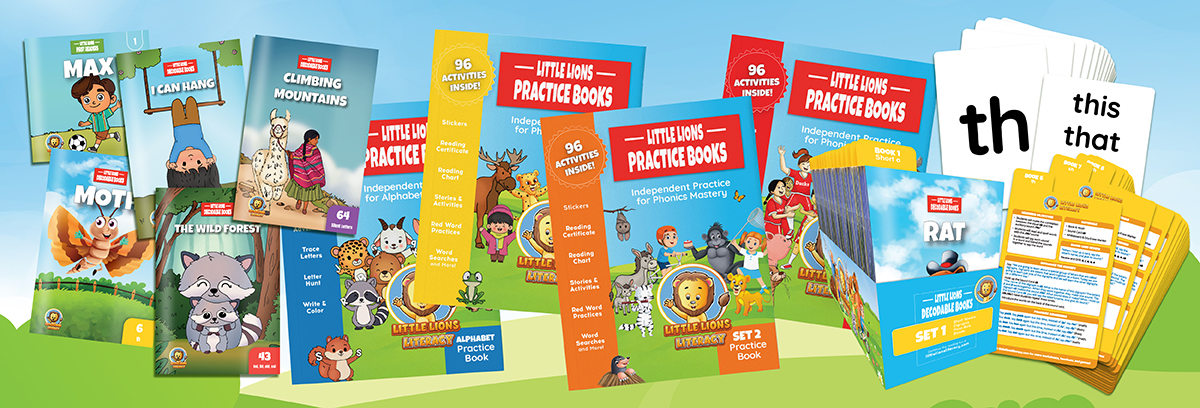
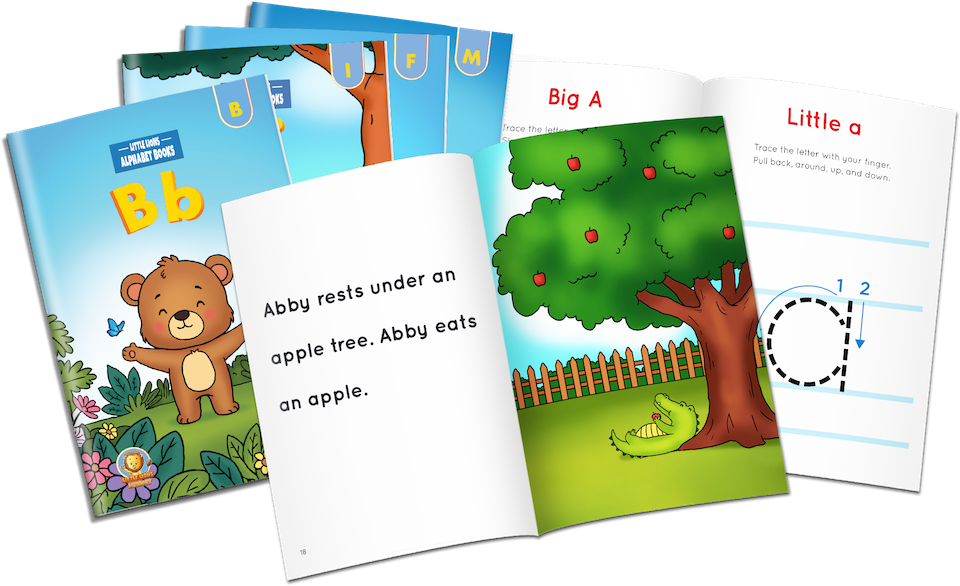
As your child learns more letter sounds, they need opportunities to use them. This is where decodable books shine. These books are written specifically for new readers, using only the letter-sound patterns they have already learned. Reading a decodable book allows your child to experience the magic of putting their new skills into action, which builds immense confidence. Make it a habit to read together every day, even if it’s just for five minutes. This consistent practice reinforces their skills and fosters a love for reading. The feeling of successfully reading a whole book on their own is a powerful motivator that makes them eager to learn more.
Getting ready to teach phonics at home doesn’t require a classroom budget or a mountain of supplies. It’s more about having a few key items on hand to make learning interactive and fun. Think of it as building a small, mighty toolkit that you can pull from for your daily lessons. The right tools help reinforce concepts and keep your child engaged, turning practice into play. From magnetic letters to the perfect first books, having these resources ready will make your phonics journey smoother and much more effective for your little learner.
At its core, phonics helps your child understand that letters and sounds are connected. It’s the key that teaches them how to sound out words by linking what we say to what we read and write. To bring this concept to life, you’ll want a few hands-on tools. Magnetic letters for the fridge or a cookie sheet are fantastic for building words. A small whiteboard and dry-erase markers are perfect for practicing letter formation and sounding out words together. You can also use simple index cards to create your own letter and word flashcards. These basic items are versatile, affordable, and incredibly effective for daily practice.
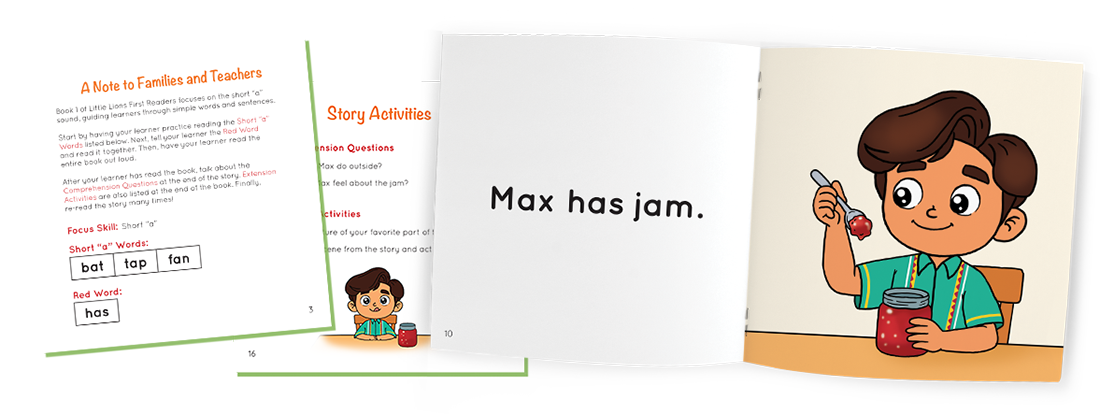
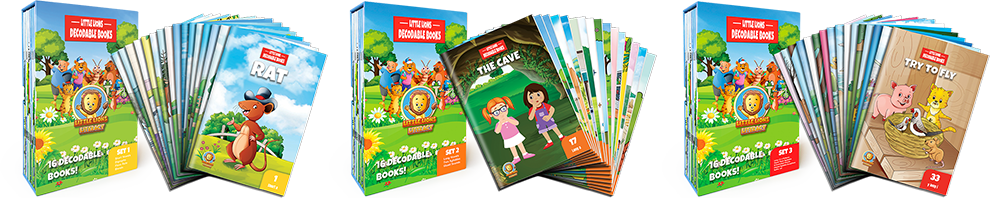
Decodable books are your secret weapon for building a confident reader. Unlike many storybooks, they are written specifically for children who are just learning to read. As your child learns simple letters and their sounds, they can then practice putting those sounds together—a skill called blending—to read real words. Little Lions Literacy books are carefully designed to follow this exact process. Each set of books introduces new letter-sound patterns sequentially, so your child only encounters words they can successfully sound out. This builds confidence and makes them feel like a reading superstar, which is exactly the feeling we want to encourage.
You don’t have to spend a lot of money to get great phonics resources. Many incredible tools are available for free or at a low cost. For example, the University of Florida Literacy Institute (UFLI) offers many free resources that are highly recommended by teachers for helping kids learn phonics concepts quickly. Your local library is another treasure trove of early reader books and materials. You can also find countless printable worksheets, letter cards, and game ideas online from reputable education sites. With a little searching, you can easily supplement your toolkit without stretching your budget.
Creating a special place for reading can make a huge difference in your child’s attitude toward learning. It doesn’t have to be big—a cozy corner of a room with a comfy pillow or beanbag chair is perfect. The goal is to make it inviting. Keep a small basket nearby with your phonics tools and a selection of books. Having lots of books and magazines around the house is a simple way to show your child that reading is an important and enjoyable part of daily life. When reading feels like a special, shared activity, your child will be much more excited to sit down and practice with you.
As you and your child practice phonics, you’ll naturally wonder if it’s all clicking. The good news is that you don’t need formal tests or quizzes to see their progress. By paying attention during your reading time, you can spot the signs that their skills are growing. It’s all about observing, encouraging, and knowing when to gently guide them. Tracking progress is less about performance and more about celebrating small wins and understanding where they might need a little extra support on their reading journey.
When you’re reading together and your child stumbles on a word, that’s a perfect moment for a quick, informal check-in. Instead of immediately giving them the word, guide them to sound it out. Point to each letter or group of letters and say the sounds with them, then show them how to blend those sounds together to read the word. This simple act reinforces the core of phonics and builds their confidence. It shows them they have the tools to figure out new words on their own. This isn’t a test; it’s a supportive way to practice phonics skills in real-time, turning a moment of difficulty into a learning opportunity.
A child’s reading journey is full of exciting milestones. At first, you’ll see them master individual letter sounds. Soon after, you’ll hear them start blending those sounds together to form simple words like “c-a-t.” Recognizing these steps is a wonderful way to see how far they’ve come. As they grow more confident, they’ll begin to recognize parts of words and read more smoothly. Watching for these key reading milestones helps you understand their development and know when they’re ready for slightly more challenging books. Each new stage is a victory worth celebrating and a clear sign that your at-home phonics practice is paying off.
It’s completely normal for kids to get stuck, and how you respond can make all the difference. If your child is struggling with a word, always encourage them to try sounding it out first. This reinforces the skills you’ve been practicing. However, if they’re still stuck after a couple of tries and you see frustration building, it’s okay to simply tell them the word and move on. The goal is to keep reading a positive and enjoyable experience. Pushing too hard can lead to anxiety, while providing the word keeps the story flowing and their motivation high. It’s a delicate balance between encouraging effort and preventing frustration.
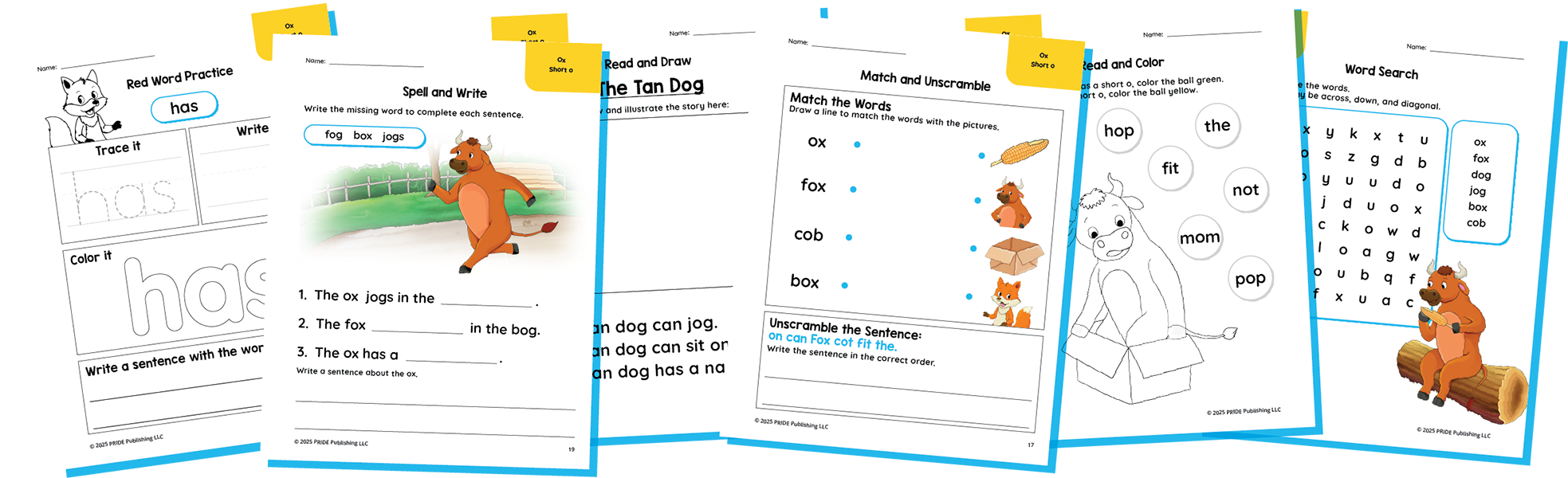
If you feel your child needs a bit more support, consistency is your best friend. Short, focused practice sessions are often more effective than long, draining ones. Aim for just five to seven minutes of dedicated phonics work each day. You can also make a huge impact by simply reading together for 10 to 20 minutes every night. This shared reading time builds vocabulary, improves fluency, and fosters a love for stories. For targeted practice, using sets of decodable books that align with the phonics skills they’re learning can provide the perfect level of challenge and help build the confidence they need to succeed.
It’s wonderful that your child is recognizing words by sight! That’s a great sign of their growing interest in reading. Think of phonics as a different, but essential, tool in their reading toolkit. While memorizing helps with common words, phonics gives your child the power to figure out brand-new words they’ve never seen before. It teaches them the code of our language, so they can confidently sound out cat, mat, and sat today, and eventually tackle words like fantastic and adventure tomorrow.
You can’t start too early with the foundational skills that lead to phonics, as long as you keep it playful. For toddlers and preschoolers, this doesn’t look like formal lessons. It’s about singing rhyming songs, clapping out the syllables in names, and noticing the first sound in words like “banana.” These simple sound games build phonemic awareness, which makes learning the letter sounds much easier later on. Formal instruction connecting letters to sounds typically begins around ages four or five, but following your child’s curiosity is always the best guide.
This is such a great question. Think of it this way: most picture books are perfect for you to read to your child to build their vocabulary and love for stories. Decodable books are specially designed for your child to read to you. They are carefully written using only the letter-sound patterns your child has already been taught. This controlled text allows them to practice their new skills successfully, building the confidence they need to see themselves as a real reader.
You can make a huge impact in just five to ten minutes a day. The key is consistency, not duration. A few minutes of playing with magnetic letters while you make dinner or reading one decodable story before bed is far more effective than a long, stressful session once a week. Keeping it short and fun ensures that your child stays engaged and sees reading practice as a positive part of their day rather than a chore.
If your child is pushing back, it’s usually a sign to switch things up and make it more playful. Try taking a step back from anything that feels like a formal lesson. Instead, weave phonics into their natural interests. If they love building with blocks, write letters on the blocks. If they’re really into cars, go on a “sound hunt” for things that start with the /k/ sound. When learning is part of a game or a creative activity, it feels less like work and gives them a reason to engage.