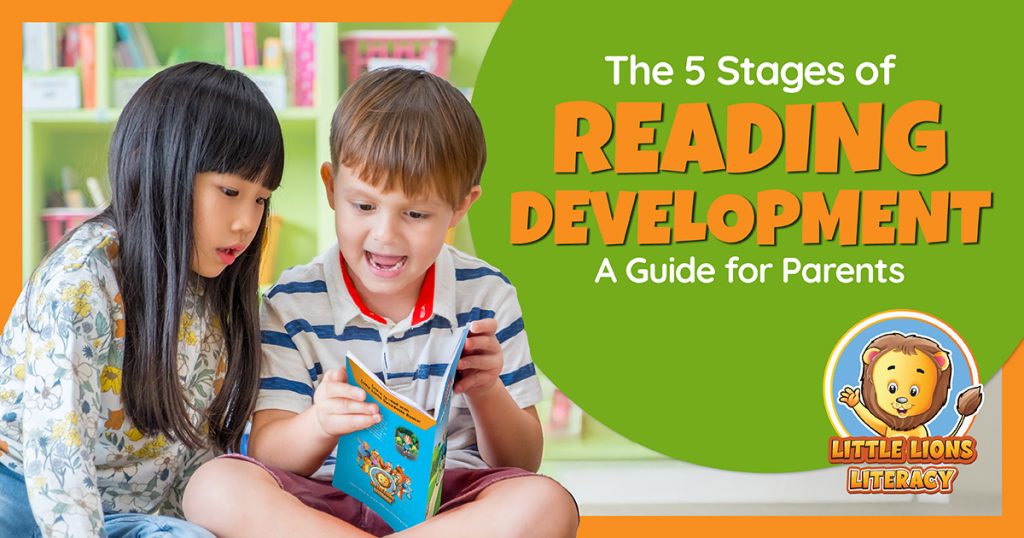
Learning to read is a big deal! It’s one of the most important things our kids learn. As parents, we all want our children to do well. Sometimes, reading seems simple to us as adults, but for kids, it’s a journey that takes time. This post on reading development will explain the different stages kids go through as they learn to read, and how you can help them along the way.
There are 5 main stages kids usually go through when learning to read. Kids go through these steps at their own pace. Some might move quickly, and others might take their time. The most important thing is to see the changes and celebrate your child’s progress.
The Emergent Pre-Reading or Getting Ready to Read stage starts when kids are babies and continues until they begin school. This is typically between 6 months to 6 years old. During this time, kids learn the basics for reading. They learn how to make sounds and say words, understand that words are written down, and start to recognize letters.
Parents can help their kids during Stage 1 (Emergent Pre-Reading) in many ways. Here are some activities:
Make learning the alphabet a joyful experience! Explore our Little Lions Alphabet books, filled with fun stories and letter practice to give your child a great start.

The Easy Reading or Starting to Read stage usually happens in the first few years of school. This is typically between 6 to 7 years old. Kids start to recognize words, learn how sounds make words, and do some simple writing.
To support your beginning reader during Stage 2 (Easy Reading), parents can engage in activities that reinforce word recognition, phonics, and simple writing. Here are some ideas:
Ready to put those Easy Reading skills to practice? Check out our Little Lions decodable books for beginning readers!

The Transitional Reading or Becoming a Better Reader stage usually happens after a couple of years in school. This is typically 7-9 years old. This is when kids usually get better at reading. They learn more complex words and become more interested in language. They might start sharing their opinions about different types of stories and choose what they like to read.
In Stage 3 (Transitional Reading), parents can support their children by:
Keep the reading momentum going with our Set 3 Little Lions decodable books! Perfect for transitional readers.

The Intermediate Reading or Reading More Complex Things stage usually happens around the middle school years when kids can read more difficult books and understand deeper meanings. This is typically between 9-15 years old. They also start to think critically about what they read. Kids are also more likely to explore various kinds of reading material and may use writing to express themselves and their thoughts.
In Stage 4 (Intermediate Reading), parents can support their children by:
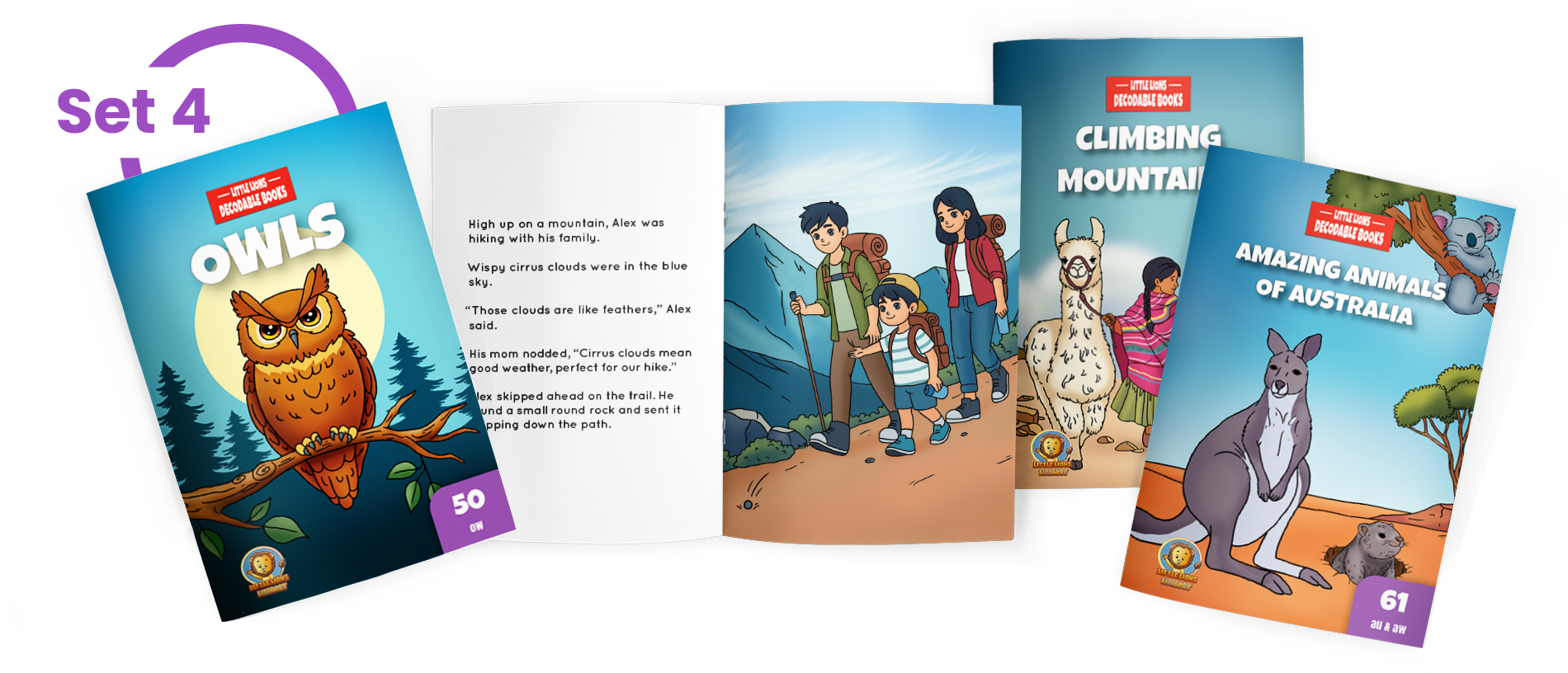
Ready to dive deeper into complex reading? Explore our selection of Set 4 Little Lions decodable books to fuel your child’s curiosity and critical thinking!
The Advanced Reading or Reading Like a Pro stage is the final stage of reading which happens during the teen years. This is typically 16 years and older. Teens can now understand and analyze what they read. They can read many different kinds of books, from science to stories.They keep learning new words and getting better at reading.
Thank you so much for reading this post today. You might also be interested in reading our previous posts:
What are Multisyllabic Words in Phonics?
Support Your Beginning Reader with these 5 Tips!
Discover the power of decodable books! Little Lions Decodable Books offer consistent phonetic practice, fun stories, and extension activities to help your child master reading. Learn more here:


Share via: