Whether you are reading in your mind or speaking out loud, you “hear” words. Phonemic awareness is the “ear training” required before a child can successfully use decodable books. The sound of words is just as important as their meaning, and this is why phonemic awareness can play a huge role in how easily a child learns to read. The more you understand this crucial foundational skill to reading, the better you will be able to support your early reader. Let’s explore how you can help your beginning reader learn the wonders of phonemic awareness!
A phoneme is the smallest unit of spoken sound. Unlike phonics, which involves seeing letters, phonemic awareness is entirely auditory—you can do it with your eyes closed. You cannot see it, but you can hear it. For example, if you say the word map, you will hear three phonemes. The phonemes are /m/, /a/, /p/. If you say the word bench, you will hear four phonemes. The phonemes are /b/, /e/, /n/, /ch/ (the letters ch make one sound). There are 44 phonemes in English. Mastering these sounds orally prepares students for consonant digraphs and multisyllabic words they will encounter in print.
Once a child can hear and manipulate individual sounds, they are ready to connect those sounds to letters. This transition to print is best supported by using decodable books for kindergarten that reinforce specific phonics patterns like consonant digraphs and cvc words.
Phonemic awareness is a special skill that helps us hear and understand the tiny sounds that make up words. It’s like being able to break words down into their building blocks, like letters, but even smaller! This skill is super important for learning to read and write, because it helps us connect the sounds we hear with the letters we see on the page. It’s like having a secret code that unlocks the world of reading and writing!
Phonemic awareness activities can be simple and fun, and they help children understand how sounds work within words. Here are some examples:
Phonemic awareness refers to understanding and using the various sounds in words. It is focused on understanding the different sounds at work in every word you read and the ways they come together.

Phonemic awareness and letter knowledge are essential skills that lay the foundation for reading success. Whether you’re a parent eager to support your child’s reading journey at home or a teacher looking for effective instructional strategies, fostering phonemic awareness is a crucial step. It’s a valuable skill that not only prepares children for reading but also creates opportunities for meaningful connection and engagement. Let’s explore some practical steps and activities you can use to teach phonemic awareness and ignite a lifelong love of reading in your students or children.
When you teach a child something new, it helps to start small. Before they can sound out whole words, they should have a firm grasp of the sounds that letters make. Here are some phonemic awareness activities to practice:
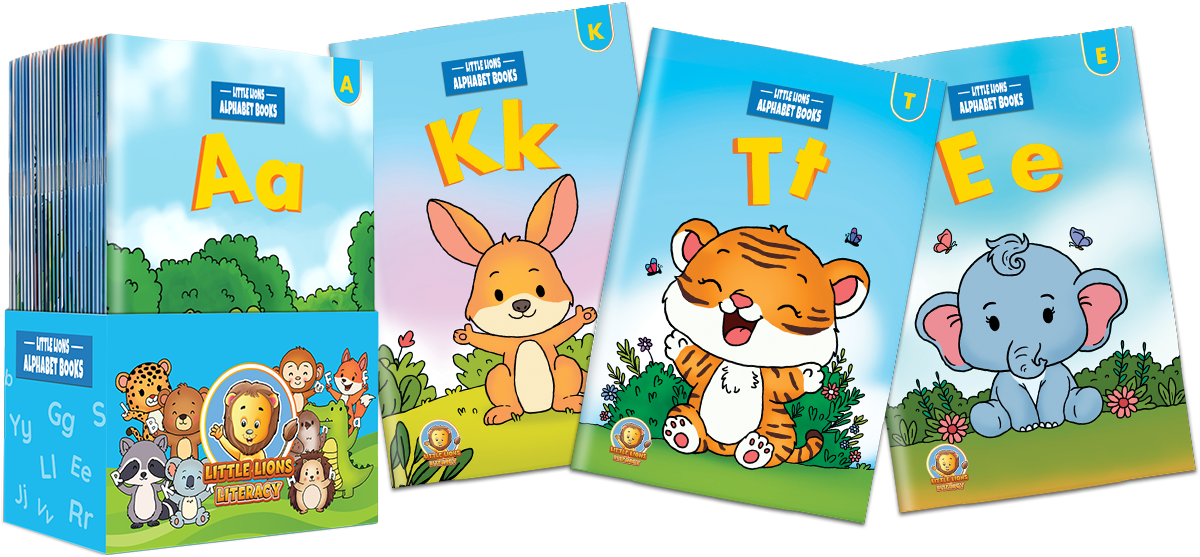
After a child has a firm grasp of letters individually, it is time to pull the words apart. Here are some phonemic awareness activities to practice:
Helping your learner to grasp phonemic awareness happens one step at a time–and this is a big one. Now that your learner is more familiar with what kinds of sounds exist, they can start trying to piece them together.
For this approach, start to sound out whole words on their own. This process involves two important steps:
Segmenting Words – This means breaking a word into its individual speech sounds. For example, if the word is fan, the child will say /f/, /a/, /n/.
Blending Words – This means joining speech sounds together to make a word. For example, if I say /k/, /a/, /t/, the child can tell me that the word is cat.
Giving your learner a little extra help here can allow them to be more successful. In the beginning, break the words up into clear sounds and syllables with them. Then, have them practice reading the sounds in order, increasing the speed over time until they come together to form the actual word.
Continue to practice this approach until they start to recognize the sounds. With time, they should begin to piece together certain sounds more quickly. This is recall, and it will help them to read faster–practice makes perfect! As they improve, you will watch as sounds are traded for entire words more comfortably.
Understanding how sounds come together in words is a great way to learn how to read. Of course, phonemic awareness is about more than just the sounds of individual words. For this next step, it is time to think bigger!
Words have sounds, and these sounds come together, even across sentences. To really help your child grasp this essential language tool, here are some activities to try:
Rhyming books are a fantastic tool for developing phonemic awareness in children. When you read rhyming books with a child, they hear and recognize the rhyming words, which helps them play with word sounds and understand the concept of rhyme. This playful interaction with language not only enhances their phonemic awareness but also fosters a love for reading and language exploration.
Examples of rhyming books are:
Singing rhyming songs with a child is a delightful and effective way to boost their phonemic awareness. The rhythmic patterns and repetitive rhymes in songs help children tune into the sounds within words, making it easier for them to identify and manipulate those sounds. As they sing along, they naturally engage with wordplay and develop an ear for rhyme, which are fundamental building blocks for reading and language skills. Moreover, singing together creates a joyful and interactive experience that strengthens the bond between you and your child while fostering a love for language and music.
Examples of rhyming songs are:
Alliteration means repeating two or more words that start with the same sound. These words are used repeatedly in sentences. The repeated sound is what creates an alliteration. Reading stories with alliteration is a fun and entertaining way to help your child play with word sounds.

Phonemic awareness is an important foundational reading skill that has been shown to predict later reading progress. Research shows that the main difference between a good reader and a poor reader lies in the good reader’s phonemic awareness skills. There is a direct correlation between difficulties with phoneme awareness and poor reading skills. Children are more likely to become successful readers if they start school with strong phonemic awareness skills. These skills will:
Now that you know what to do, you’re probably looking to make a clear timeline. How much you practice with your learner is a personal decision, but it can help if you practice at least a little each day with younger children who are preparing for school. If your little one is already in school and learning how to read, a little extra practice can still go a long way. Exploring these fundamentals in short intervals can help them excel with their reading. In fact, neuroscientists recommend we all spend 15-30 minutes reading each day!
As you and your learner explore the sounds at work in language, remember to have fun, and let your learner take as much time as they need. With this fundamental skill, the wide world of reading is just around the corner!
Phonological awareness is the broad “umbrella” skill of hearing syllables and rhymes. Phonemic awareness is the most advanced part of that umbrella, focusing on individual sounds.
Thank you so much for reading this post today. You might also be interested in reading our previous posts:
What is a Consonant Digraph in Phonics?
Support Your Beginning Reader with These 5 Tips
Take a look at our decodable books. Your learner will get a lot of practice reading words and sentences and answering comprehension questions. There are also extension activities listed at the end of each book. If your school uses specific literacy programs, you may want to explore our UFLI aligned resources or our Heggerty aligned guide. These resources help bridge the gap between oral phonemic awareness and fluent reading.


Share via: